



With humility entirely disproportionate to this achievement, i present to the celestial gods of engineering
The Forge-God's Heirloom...
The Unmatched hero of the Over-world's skies...
the Mighty
Musiy-Gladov TF19AU
1958-1966 year Production Version
summary
1.1 Introduction
⬊1.1B History
⬊1.1C Operational History
⬊1.1D General Specifications
⬊1.1E In-Game Controls
1.2 Creator’s Note
1.3 Aircraft Control
⬊1.3B V - Speeds
⬊1.3C Variety of Ranges
⬊1.3D Notes
1.4 Engines
⬊1.4B Engine Specifications
⬊1.4C Short History
1.5 Cockpit
⬊1.5B Cockpit Overview
⬊1.5C Multi-Stage Radar System (MSRS)
1.6 Weapons And Radar System
⬊1.6B Cannons
⬊1.6C Other Weapons
⬊1.6D Radar
⬊1.6E Radar Controls
1.1 Introduction
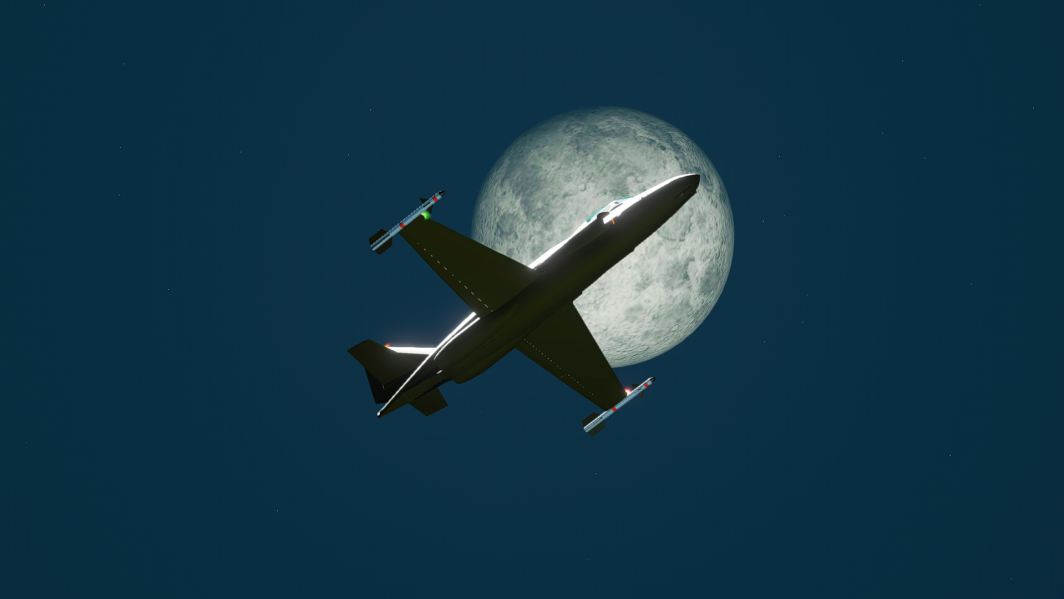
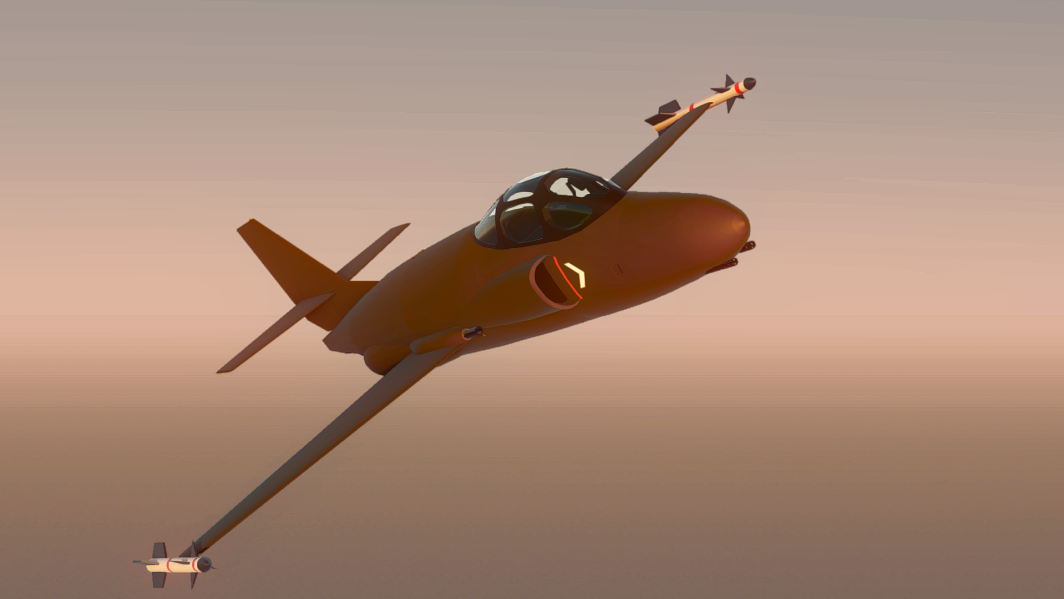
Musiy-GladovTF19 NATO "Ferret" Early Twin Engined Jet Aircraft Requested Buy Winston Churchill Itself as a Night Fighter/Trainer.
▶1.1B History (whole week of writing with a lot of translator and little AI)
Factory Name: "PF-29" or "Izdeliye-113"
NATO Reporting Name: "Ferret"
Official Designation: AviaSoviet Type 57 "Gnom" (Gnome)Development History: Project "Crossroads"
Context and Threat (1953-1955):
By the mid-1950s, both superpowers had hit the same tactical wall. Their formidable supersonic interceptors, designed for high-altitude combat, proved useless against a new breed of intruders. American RF-101 Voodoos and modified RB-66 Destroyers had mastered the art of "contour flying," penetrating deep into airspace at treetop level, where they were invisible to powerful ground-based radars like the Soviet "Berkut" or the NATO "DEW Line." What was needed was not an interceptor, but a low-altitude night sentry - patient, all-seeing in absolute darkness, and lethal at point-blank range.The Engineers' Gentlemen's Agreement:
In 1955, through neutral Swiss colleagues, an exchange of ideas took place between two groups of designers whose projects were considered "secondary" in their own countries. On the Soviet side, specialists in light frontline fighters, desperately seeking a way to counter the "creeping threat." On the British side, engineers from Folland Aircraft, whose tiny Gnat proved that effectiveness was not a matter of size. Their unofficial alliance was born of pragmatism: together, they would build what each side desperately needed but could not develop alone in time.The "Ferret" Concept: Anatomy of the Perfect Guard
1. Aerodynamics of Endurance:
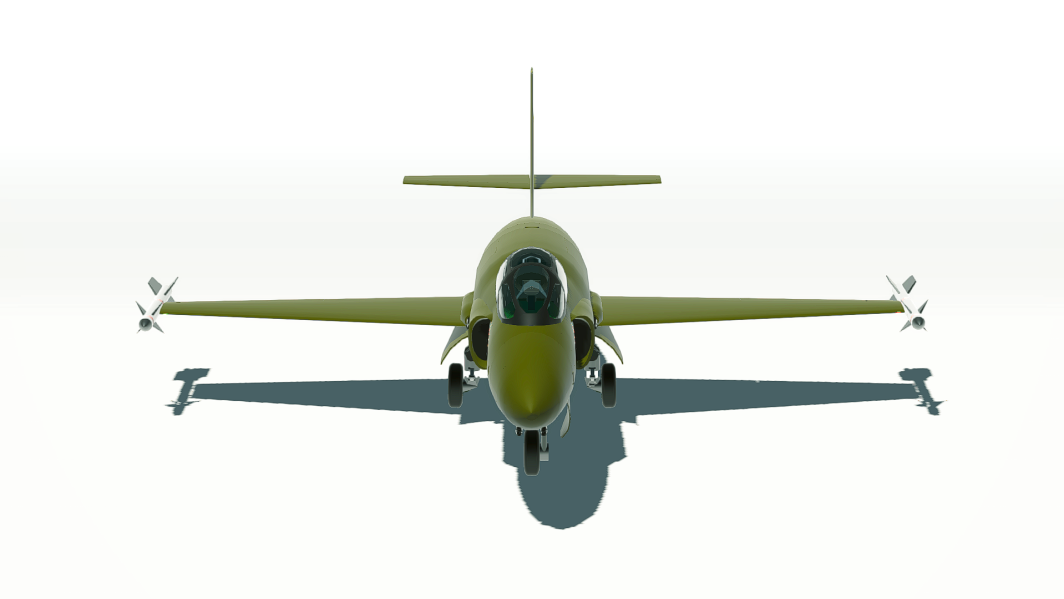
* The pointed nose, inspired by the lines of the F-104, was not for speed records but for the precision work of the radar and reducing wave drag at high subsonic speeds. The heart of the concept, however, was a unique wing - almost straight, with incredibly advanced high-lift devices. Its multi-slotted flaps and full-span leading-edge slats allowed the "Ferret" to loiter for hours on the edge of a stall, conserving fuel while scanning the night, and then execute a sharp, near-vertical lunge for the kill.Service in Silent Mode:
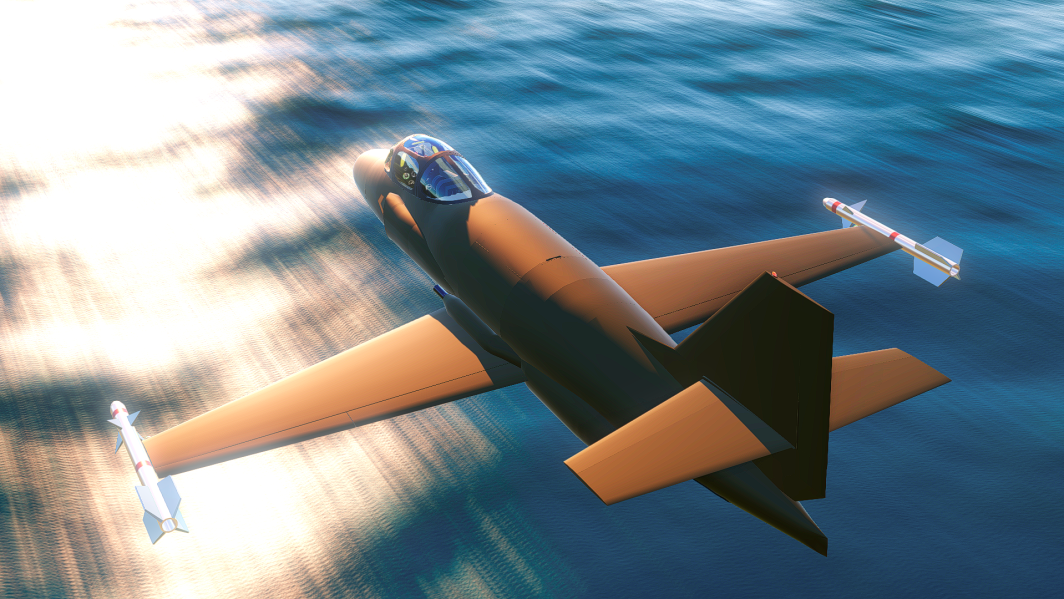
The "Ferret" aircraft (called "Gnom" by their crews) were delivered to separate Special Designation Squadrons, answering not to Air Force command but directly to intelligence and border guard services. Their airfields were reinforced dirt strips in forests or near mountain ridges. The work was monotonous: night after night of patrolling pre-assigned "corridors" in radio silence, blending with ground clutter on enemy radar screens. Upon detecting an intruder, the "Ferret" did not call for backup - it was the final argument. Its attack was swift, silent, and without warning.Not a single such interception was officially acknowledged. Missing reconnaissance planes were written off as "lost in adverse weather" or "navigation errors over neutral waters." The "Ferret" was not a weapon of war. It was a weapon of deterrence, a manifest threat that made the airspace on both sides of the Iron Curtain inviolable to solo intruders. When more advanced integrated air defense systems replaced them in the late 1960s, these small, agile "Gnomes" were silently stood down and scrapped, leaving behind only strange entries in logbooks and legends of a borderland night phantom.
▶1.1C Operational History
(Not Finised Yet) 20% Ready
▶1.1D General Specifications
Dimensions
Wingspan 28.7ft (8.8m)
Length 32.4ft (9.9m)
Height 11.3ft (3.5m)Weight
Empty Weight 8,461lbs (3,838)
Loaded Weight 10,004lbs (4,537kg)Wings information
Wing Loading 48.9lbs/ft2 (238.8kg/m2)
Wing Area 204.5ft2 (19.0m2)Number of Parts 759
Performance Cost 3,947
▶1.1E In-Game Controls
- Front Wheel Steering
- Air-brake
- Canopy
- Landing Lights (front one can be use as some sort of Ground Highlight)
(SP Plus Mod versionWith Realistic Landing Lights)- Landing Hook
- Open Nose Cone and Side Panels
- Drop Everything from Pylons(WIP)
1.2 Creators Note
Guys... this pinnacle of engineering is my hardest, Toughest, and most time Consuming Creation in my whole almost 6years Simpleplanes Life. This Plane made Completely From Scratch with help of a Really Good guys Like @KSB24 and MVC. and also big thanks @mikoyanster for this challenge! I used some of Inspiration from Planes Like Folland Gnat,F4,Mig-9,Mig-15/17,Soko G2 Galeb,Soko G4 Super Galeb.
I hope you enjoy playing My creation)
1.3 Aircraft Controls
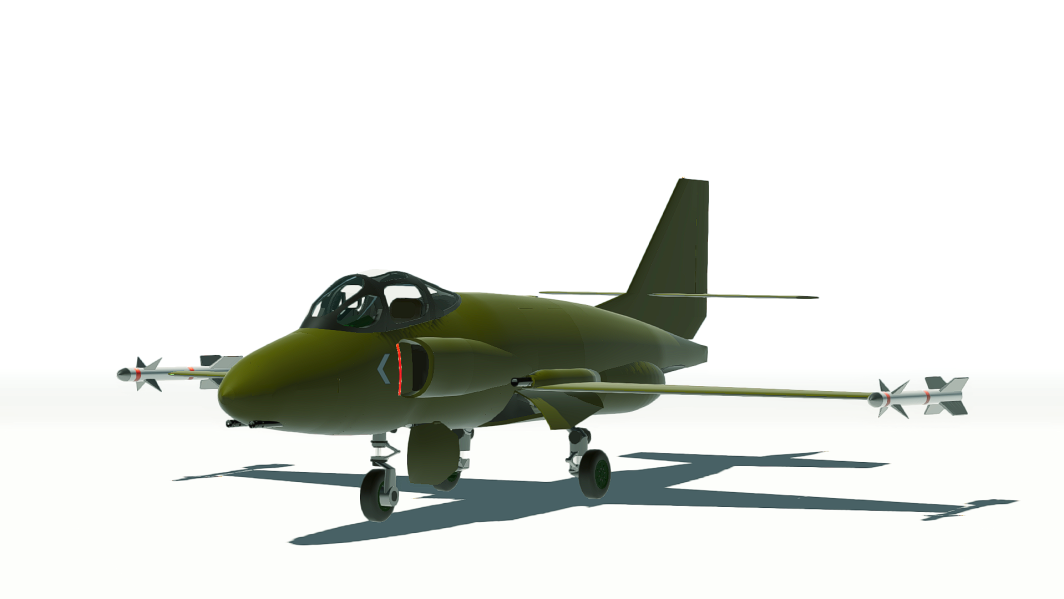
▶1.3B V - Speeds
if you don't know what V - Speed Means Tap There
Max Speed(TAS): 992km.h
Landing Speed(IAS): 275-295km.h
Take-off(IAS): 285-295km.h
Stall(IAS): 225-260km.h
Service Ceiling: 12940m
▶1.3C Variety of Ranges
Max Range: 111
Effective Range: 222
Battle Range: 333
1.4 Engines
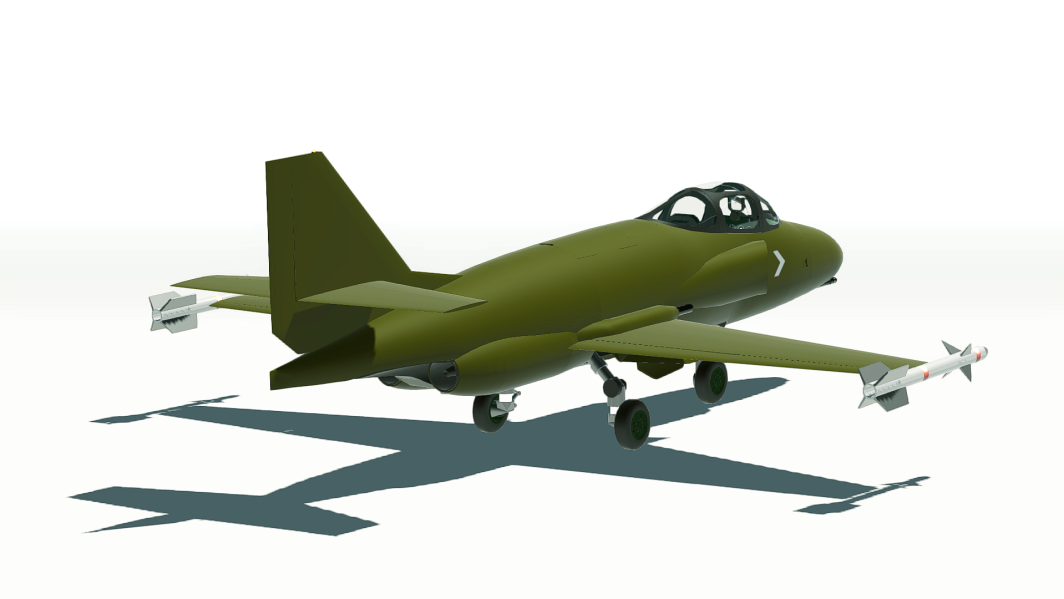
Twin Hearts for a Nocturnal Predator:
* The choice fell on two proven, reliable, and crucially quiet turbojets: the Bristol Siddeley Viper. They were housed in neat nacelles at the wing roots, isolating the cockpit from vibration and noise. This configuration provided not only a reserve in case of battle damage but also unique acoustic stealth. At low power, the "Ferret" blended with the night wind.
▶1.4B Engine Specifications**
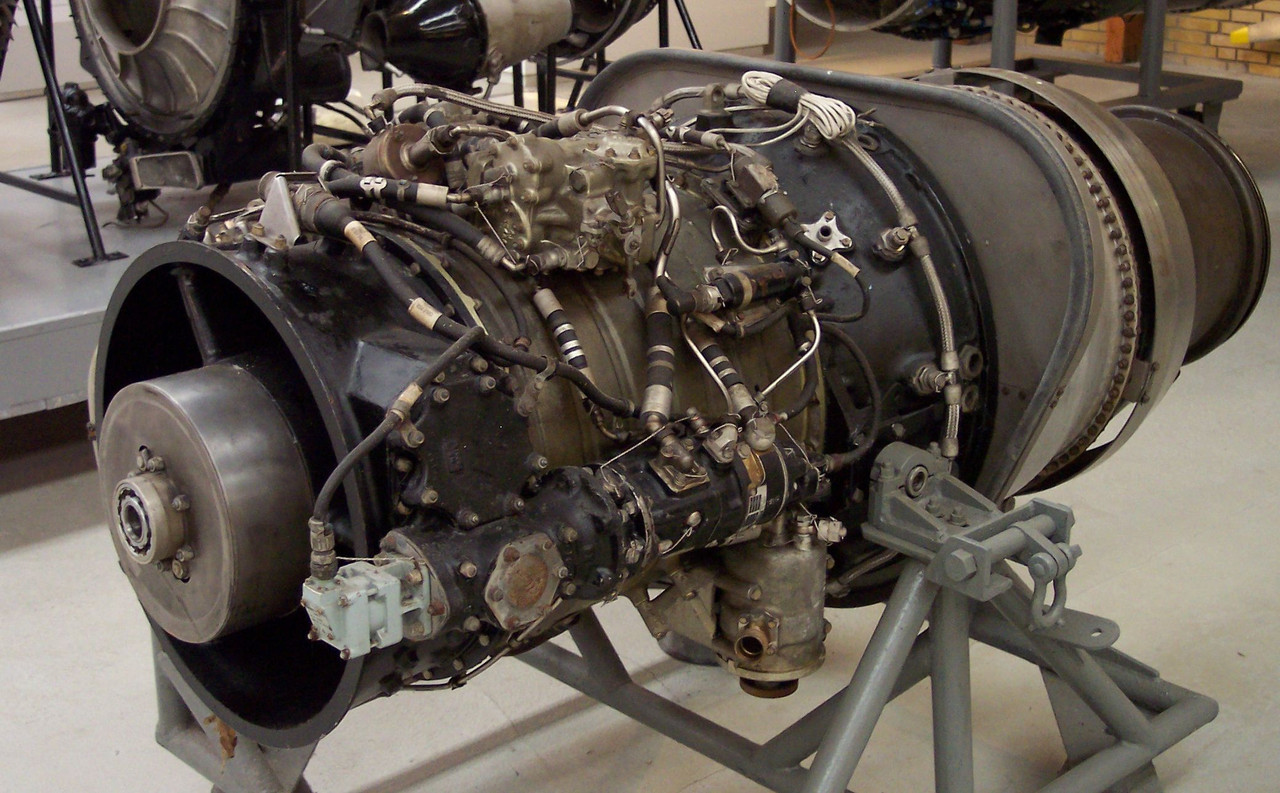
Armstrong Siddeley Viper ASV.12
General characteristics
Type: Turbojet
Length: 64.0 in (1,625 mm)
Diameter: 24.55 in (624 mm)
Dry weight: 549 lb (249 kg)Components
Compressor: Seven stage axial
Combustors: Annular, 24 burners
Turbine: Single stage
Fuel type: AVTUR, AVTAG
Oil system: scavenge, meteredPerformance
Maximum thrust: 2,700 lbf (12 kN) at 13,800 rpm
Overall pressure ratio: 4.3:1
Air mass flow: 44 lb/s (20 kg/s)
Specific fuel consumption: 1.09 lb/(hr lbf)
Oil consumption: 1.25 pt/h (0.7 L/h)
Thrust-to-weight ratio: 4.9
▶1.4C Short History
The Armstrong Siddeley Viper is a British turbojet engine developed and produced by Armstrong Siddeley and then by its successor companies Bristol Siddeley and Rolls-Royce Limited. It entered service in 1953 and remained in use with the Royal Air Force, powering its Dominie T1 navigation training aircraft until January 2011.
Design and developmentThe design originally featured a seven-stage compressor based on their Adder engine — the Viper is in effect a large-scale Adder.
Like the similar J85 built in United States, the Viper was originally developed as an expendable engine for production versions of the Jindivik target drone. Like the J85, the limited-life components and total-loss oil systems were replaced with standard systems for use in crewed aircraft.
Because it was initially developed as an expendable engine, the Viper was subject to many recurring maintenance issues. This led to the development of the first Power by the Hour program in which operators would pay a fixed hourly rate to Bristol Siddeley for the continual maintenance of the engines.
In the 1970s, Turbomecanica Bucharest and Orao Sarajevo acquired the license for the Viper engine, which propelled various Romanian and Yugoslav built aircraft.
1.5 Cockpit
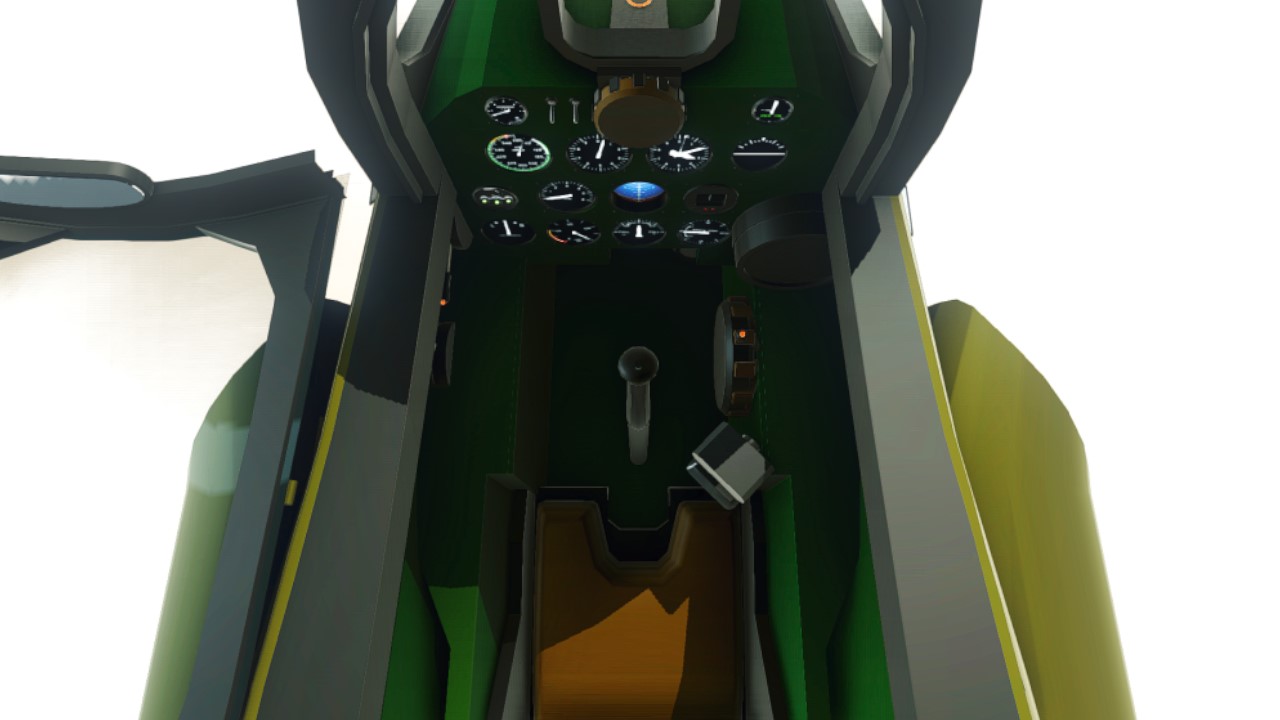
▶1.5B Cockpit Oreview
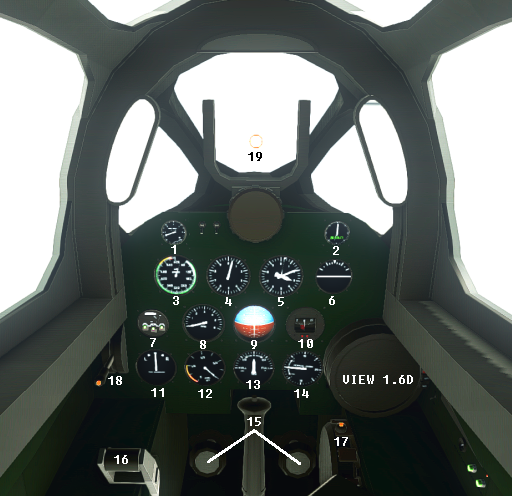
Gauges:
1. G-Force (0 - 9G)
2. Clock (In-game Time)
3. Air Speed in Knots
4. Mach Counter (Mach 0 - 0.99)
5. Altitude ( ft )
6. Inclinometer
7. 3 - Position Flaps + Landing Gear
8. Engines RPM (Not working correctly For now)
9. Artificial Horizon
10. Magnetic Compass
11. Turn and Slip Indicator
12. Fuel
13. Trim
14. Vertical Speed (m/s)Other
15. Rudder Pedals
16. Throttle
17. Trim
18. Flaps Lever
19. Simple Gun Sight (Scope)
1.6 Weapons And Radar System
1.6B Missiles
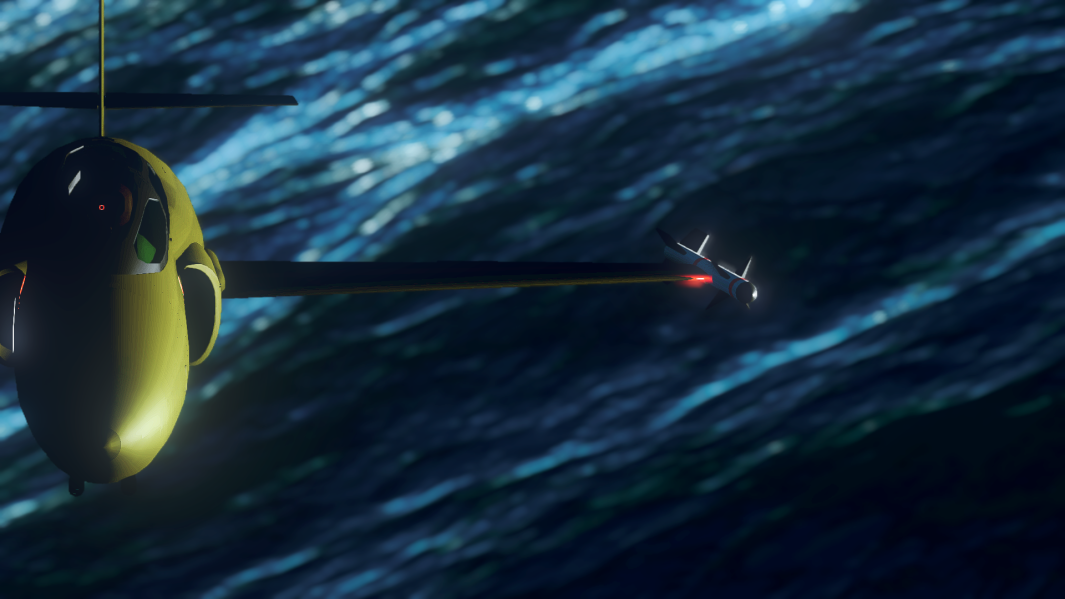
Primary Strike (Air-to-Air): Two guided missiles on wingtip rails—initially the new infrared-homing de Havilland Firestreak (1955-58), later the universal AIM-9B Sidewinder. For a heavier punch, two additional missiles could be added on the outermost underwing pylons.
▶1.6C Cannons
Nose: 2x 20mm Hispano-Suiza HS.404
Wing Root: 30mm ADEN on Each Side
▶1.6D Other Weapons
Versatile Sentry: Three inner pylons under each wing and a central fuselage pylon turned the "Ferret" into a multi-role strike platform. They could carry 250-kg bombs, pods of 76-mm SNEB rockets, or heavy air-to-ground missiles like the Bullpup for bunker-busting. For "area work," the inner pylons could mount underwing pods with twin 30-mm ADEN cannons, whose shells could pierce light armor with ease.
▶1.6E Radar
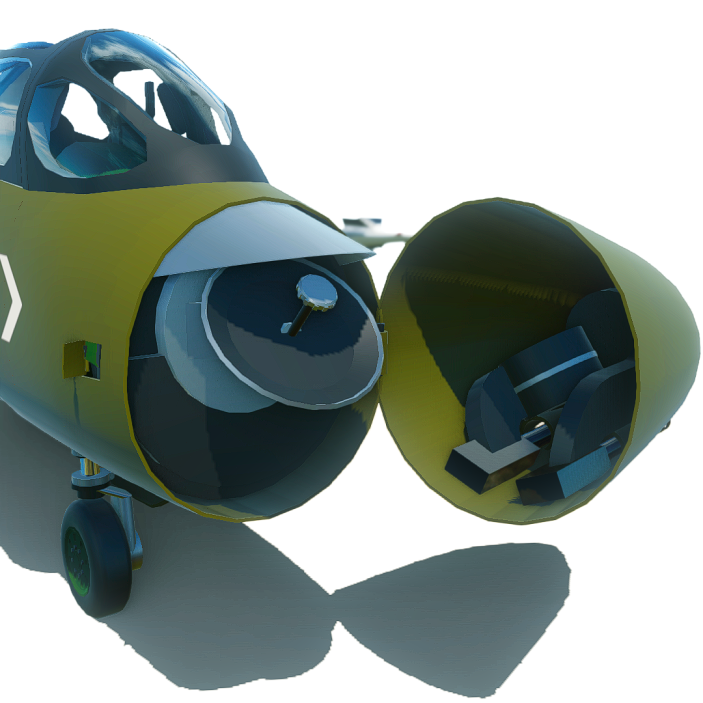
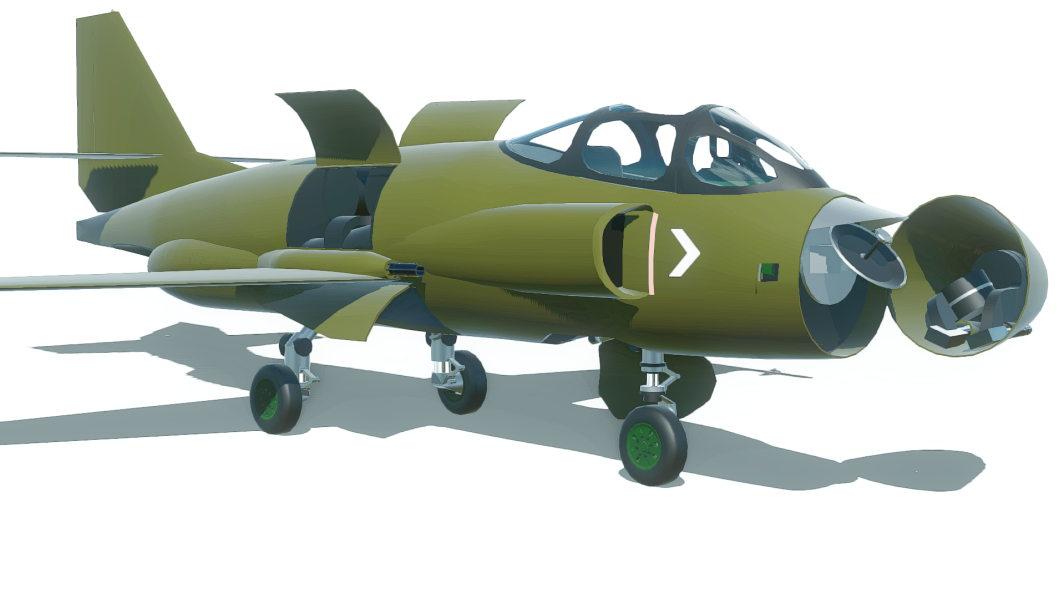
The All-Seeing Eye and Modular Claw:
* The hybrid radar, built from a British AI.23 receiver and Soviet signal processing units, was a masterpiece of miniaturization. It could see a fighter at 15 km and a concentration of vehicles at the front line from 45 km
▶1.6F Radar Controls
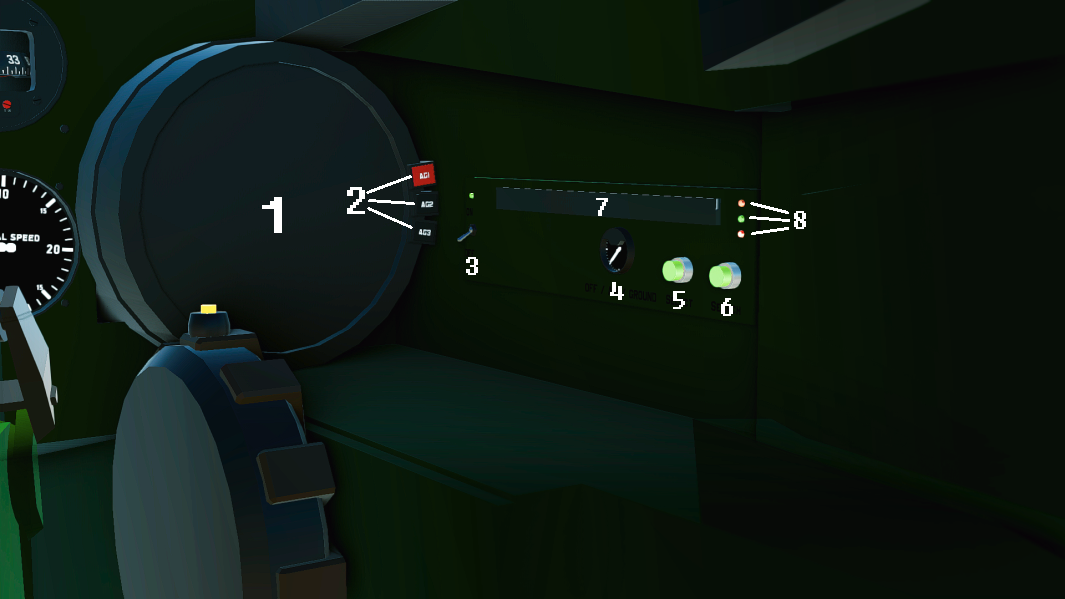
Main Radar
- Main Radar Controls (from top to bottom)
AG1: Turn on Main Radar Screen
AG2: Switch Mode (Air-to-air / Air-to-ground)
AG3: Switch TargetAWACS Power read all
- Shows Selected Mode (off/Air/Ground)
- Switch Mode (Overwrites AG2)
- Switch Target (Owerrides AG3)
- Close Range Screen
- 3 Light Indicators (from top to bottom)
Orange: Contact Indicator
Green: Message Indicator
Red: on Hold Indicator
▶ "*" Numbers
Armed:
Ammo For 2x 30mm AKAN and 2x 20mm Hispano-Suiza HS.404
2x AIM-9B SidewinderTake-off - No Flaps, Full Throttle
Landing - 100% Flaps, 10-15% Throttle
Stall - 100% Flaps, No Throttle
Service Ceiling - The Max Altitude in meters that this Airplane capable of
Cruise - 75-80% Throttle, Armed
Ferry - 60-70% Throttle, Unarmed
Max Range - Ferry Setup With 2x 80L Drop-tanks and no Armament at all
Effective Range - Armed with 2x AIM-9B Sidewinders
Battle Range - Full Afterburner, Armed With 2x AIM-9B Sidewinders
P.S : If you have Almost no Fuel,
Your Landing, Stall and Take-off Speed will be Decreased by 25-30km.h
No Missiles will Decrease All of "*" Speeds by around 10km.h
Credits or just (BIG THANKS) @KSB24(A LOT of FT code created for me and because of this he is basically Co-author of this aircraft), @MVC(most of engine FT-code and a lot of advices with funky trees and modelling),
also Really Big thanks for this guys:
##Gallery##
- @HuskyDynamics01 for Gauge Clock
- @dINE for AWACS
- @Abieson For Magnetic Compass
Specifications
General Characteristics
- Predecessor Musiy Gladov TF19 v0.68(W max Payload3)
- Created On Windows
- Wingspan 28.7ft (8.8m)
- Length 32.4ft (9.9m)
- Height 11.3ft (3.5m)
- Empty Weight 8,461lbs (3,838kg)
- Loaded Weight 10,004lbs (4,537kg)
Performance
- Power/Weight Ratio 10.782
- Wing Loading 48.9lbs/ft2 (238.8kg/m2)
- Wing Area 204.5ft2 (19.0m2)
- Drag Points 348
Parts
- Number of Parts 759
- Control Surfaces 5
- Performance Cost 3,960



Description is not fully finished yet
@Yuoko или просто почитай описание там почти все характеристики предельно понятны даже не знающему англ
@Yuoko у меня есть не раздеоенная версия истории на русском могу скинуть тебе в дс если хочешь
@alexJgameYTukraine000000 а так он прекрасен ❤
@alexJgameYTukraine000000 всегда пожалуйста у ОВД был l-39 альбатрос или как его там чешский учебный самолет но это реально выглядит как достойный учебно ударный самолет хотя я не читал инфу о нем в описании вопрос стоит откуда двигатели ролс Ройс в СССР и частично сорт вопрос что. Него забыли hs-404
@Yuoko Спасибо
I so cool!
@EternalDarkness
can you please manually change auto credit it to @mikoyanster's 50s fighter challenge plst
@rexzion
@Kav
@ollielebanania
@MVC
@KSB24
@mikoyanster