

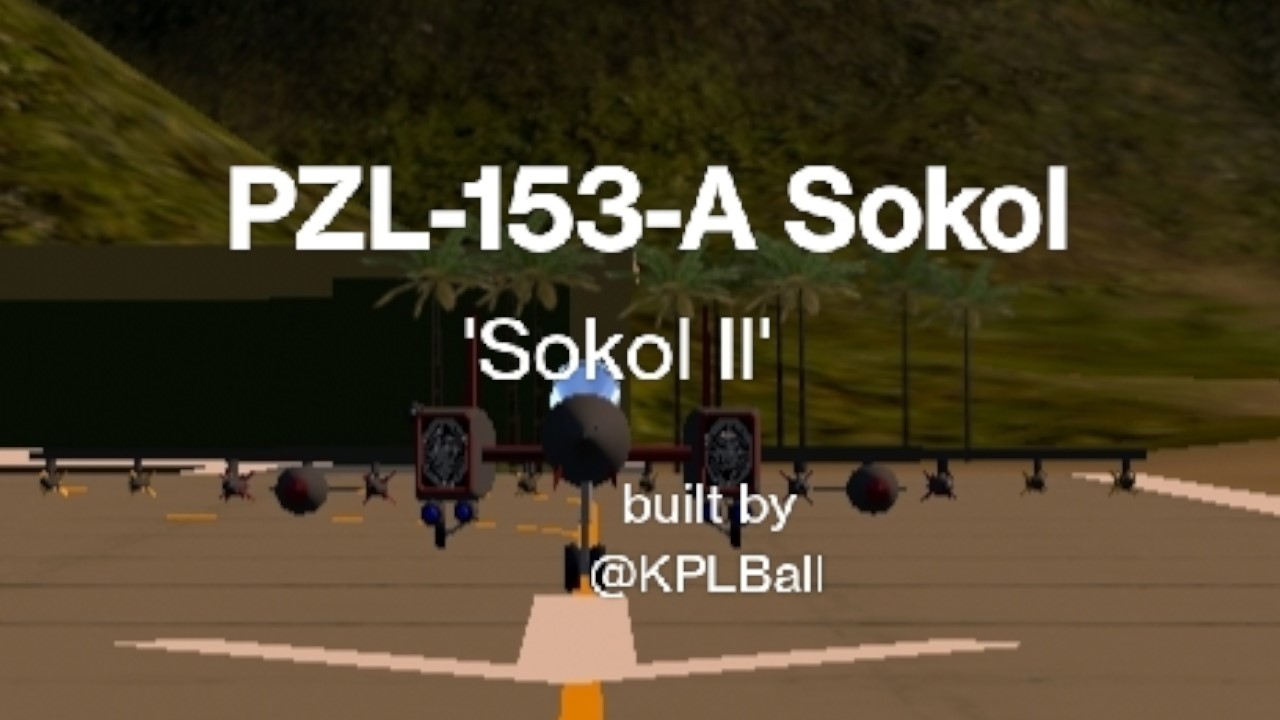
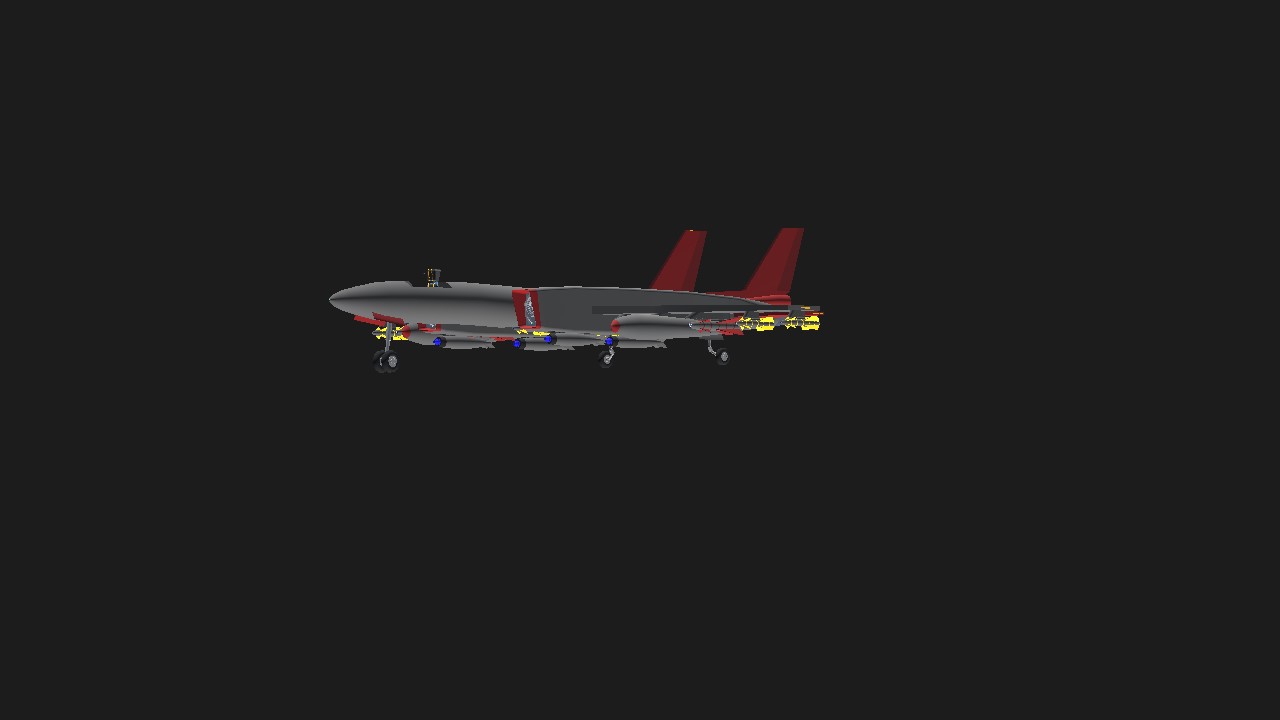
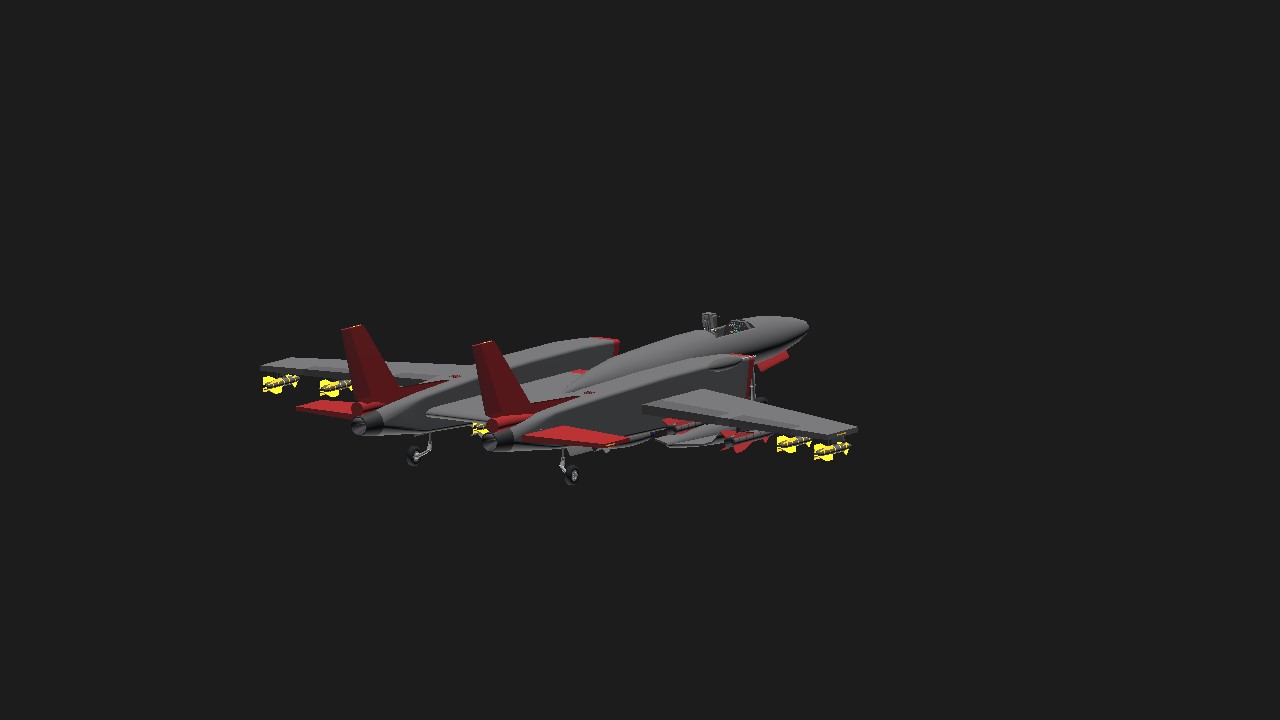
I should really stop remaking these shouldn't I?
Why must I torture myself like this.
.
.
.
.
Background
The history of the PZL-153 started all the way back in 1956, during the US-Soviet skirmishes over Korea Soviet MiG-15s made their debut. At this point in time, Poland was using older PZL-88 interceptors, but the Soviet propoganda tricked them into believing the MiG-15 outperformed their aircraft in every way. The resulting plane was the PZL-100 Mdlec-III, a redesigned PZL-88 with a more powerful engine and a single 30mm with four Wz.42 7.92mm HMGs.
However, the later MiG-17 caused for a new aircraft. The heavy set PZL-104. The PZL-104 was the first Polish plane to use the 23mm Cannon, having two wing mounted 23mm guns, and four nose mounted 7.92mm Machine Guns. The PZL-104 could out turn the MiG-17 and later MiG-19 at lower altitudes, and it could match speed with them. But that just wouldn't cut it.
When the MiG-21 came into being, the Poles panicked again, causing the creation of the PZL-119, a heavy, twin engine fighter using a single intake for two engines. It has three seats (Pilot, Navigator, and Radar operator) due to the 18in radar disc in the nose. It had two nose mounted 23mm cannons and two belly mounted 23mm cannons.
The PZL-119, introduced in 1964, couldn't out turn the MiG-21 in a one circle fight, but it could out turn in a two circle fight, due to its better rool rate and slower stall speed. A modified PZL-119 would be used because of the MiG-23, featuring a better radar and better engines.
Then the MiG-25 arrived, and soon after the flow of record breaking speeds and altitudes. The MiG-25 scared the Polish so much as, like the USA, they thought it was built for dogfighting. At the same time the USA had the F-14 in service, beckoning the Poles to build a new fighter. And they built two. The Army Air Force and the Navy Air Force wanted their own designs, but the Government refused and made them design one aircraft, the PZL-147. A fighter that could fly at sustained speeds of Mach 3.1, and could out maneuver the MiG-25. But it had no main gun, and has the added problem of being a maintenance nightmare, and expensive. At the same time, the Army Air Force held their own competition for a medium fighter to replace the PZL-119, and be usable on carriers. Of the 28 aerospace companies in the KPL, four made it. Warsaw-Vilnius, Minsk Aircraft Company, KNA, and Otesk Company.
Development
KNA
The four companies would submit their own designs, KNA had an idea for a modified PZL-119 called the PZL-152. As KNA had designed both the PZL-119 and the PZL-147, they thought they could get away with another fighter, the PZL-152. But KNA ran into problems. The engine bays would have to be fully replaced for the more powerful engines, the nose would also have to be replaced, and the fighter would have to become a single-seater. The other test flight problems they ran into, caused the cancellation of the PZL-152.
Minsk Aircraft Company.
The Minsk Aircraft Company's design would be a single engine design, using one engine from the PZL-147, and enlarged wings from the PZL-119. The design wouldn't leave the drawing board solely because of the sheer cost and the horrid cost of modification.
Otesk Company
The Otesk Company version came in second place, as the previously designed PZL-139 fighter, with the enlarged surfaces, and the shrinking of the main engines, made for a relatively good twin seat fighter. But the Airbrake was unstable, the Ejection would send you flying into the engine inlets, as they were mounted on top, and the lack of an internal gun, caused it to fall out of favor.
Warsaw-Vilnius
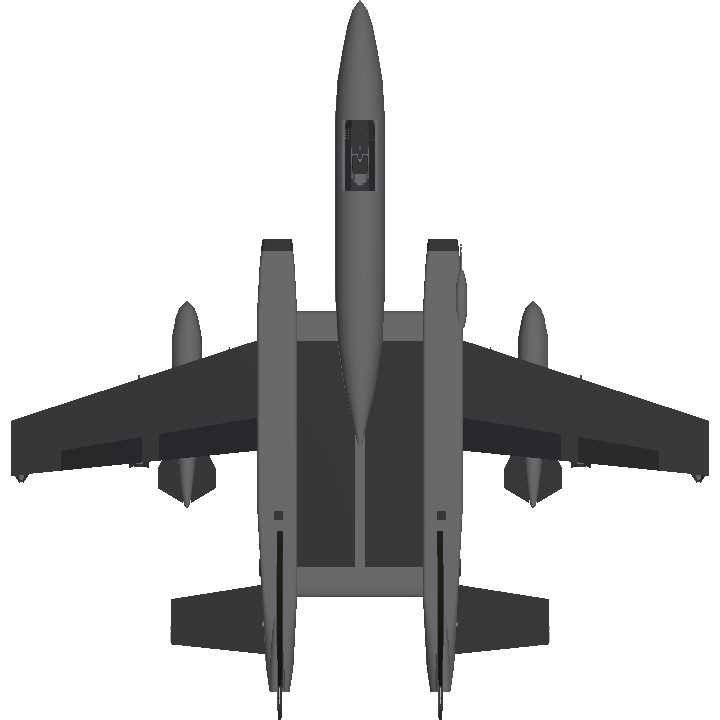
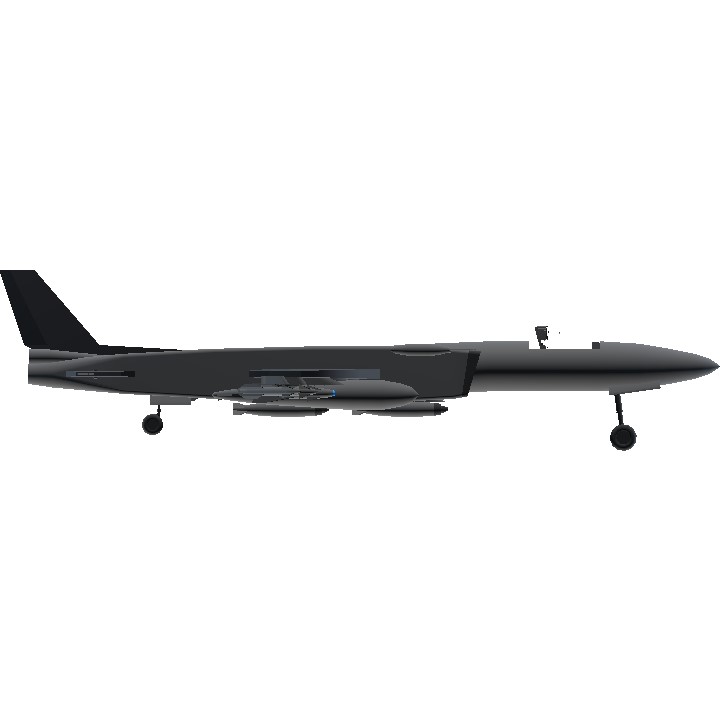
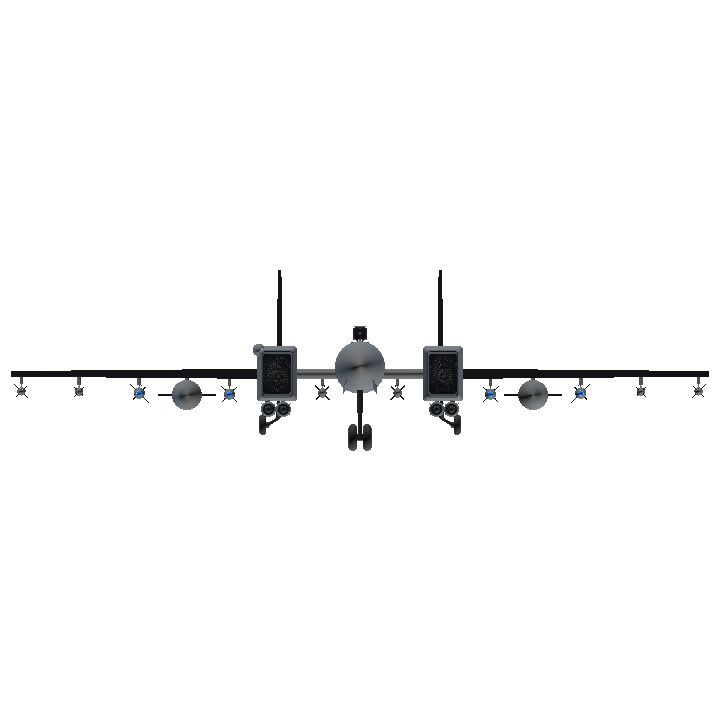
Warsaw-Vilnius' proposal would be the official variant produced. Based on their previous PZL-110, one of the competitors to the PZL-119, the PZL-153 would have large engines with a twin rail design for stability. It could carry up to 18 weapons on the pylons, but many would have to be bombs or rocket pods as the mounts for missiles were only on the wings, and the center for the smaller ones. You also had too give up two pylons for fuel tanks, but the aircraft itself had an effective internal gun with the ability to not eject into it's own engines.
Design
The Sokol II would be powered by two WW S.M.S.T St-68.3-83.9-2 afterburning turbo jets. The radar equipped was the SC-CT/DT-4-SM radar, also known as the Średnia Częstotliwość - Cztery Tysiące do Dziesięć Tysięcy - 4 - Średni Myśliwiec, or Medium Frequency - Four-thousand to Ten-thousand - Model 4 - Medium Fighter. The powerful radar has a search range of up to 95km-140km, using a frequency of 8600MHz. It could carry up to six Wr.09 Wir, eight Wr.04 Blystawicas, and up to four bombs of any type. The gun it used is the 23mm Wz.68 multirole cannon. The single seat design allowed it to keep maneuverability for fighting modern dogfighters like the German FW-2117 and Russian MiG-26/MiG-28 designs.
.
The Radar
The SC-CT/DT-4-SM radar is a radar from 1975, the year the Sokol project started. Based on the SC-CT/DT-3-SM and SC-CT/DT-2-SM radars, developed for the PZL-139, based on the SC-CT/DT-1-SM Radar built for the PZL-119. The SC-CT-CT-4-SM had a range of 95km to 140km. The radar used a Pulse-Doppler system. It used SC-CT/DT-4 Search radar, SM-4 FCS radar, OP RWR, and a speed measurement radar that is classified. Using 8600MHz as the radar frequency. It would be modified to the SC-CT/DT-4-SM-DZ1 in the PZL-153-C variant.
.
STATS:
Frequency: 8600MHz
Search Range: 95km to 140km (59mi to 87mi)
Type: Pulse Doppler
Addons: SC-CT/DT-4 Search Radar (Base-1), SM-4 FCS Radar (Base 2), OP RWR (addon) [REDACTED] Speed measurement radar (Addon), RCSF-2 Active Electronically Scanned Array (AESA) Radar (Radar z elektronicznym skanowaniem fazowym) on later variants.
Other Notable Aircraft: PZL-152, PZL-150, PZL-168
.
The Engines
The WW S.M.S.T. St-68.3-83.9-2, is a 68.3kN afterburning turbojet, utilizing a two stage low speed and single stage high speed turbine. It produced 68.3kN dry, and 83.9kN afterburning engine. Essentially a smaller, cheaper version of the WW C.M.S.S. St-81.9, 122.8-1 Turbojet. The WW S.M.S.T. St-68.3-83.9-2 was developed by Warszawa-Wilno, with S.M.S.T meaning Średni myśliwiec z silnikiem turboodrzutowym, or Medium Fighter Turbojet Engine. Quick thing on the C.M.S.S., it means Ciężki myśliwiec Silnik superturboodrzutowy or Heavy Fighter Super Turbojet Engine. The S.M.S.T. was built in the WW S.M.S.T. St-68.3-83.9-1 variant as the prototype engine, based on the previous WW S.M.S.T St-52.8-76.9-3 engine developed for the PZL-139. The engine required the US Type JP-4 jetfuel, designated N-G-3 or Nafta-Gaz-3. This engine makes no sense. But I guess it works.
.
STATS
Type: Afterburning Turbojet
Length: 468cm (191in)
Diameter: 128cm (50in)
Dry Weight: 1803kg (3795lbs)
Compressor: Single stage Axial Compressor, with 4 stage fan, 8 stage compressor.
Combustors: Cannular
Turbine: 3 stage
Fuel Type: N-G-3 (JP4/F-40)
Maximum Thrust: 68.3kN (15355Ibf) dry force, 83.9kN (18862Ibf), with afterburner.
Overall pressure ratio: 14.25:1 I believe (Can’t figure it out)
Air Mass Flow: 83kg/s (183Ib/s)
Turbine Inlet Temperature: 980C (1796F, 1253K)
Specific Fuel Consumption: 4975g/(kNs) [2223Ib/(Ibfh)] with afterburner, 2.22g/(kNs) [0.991Ib/(Ibfh)]
TWR: 3.3 dry/4.7 afterburner.
.
Weaponry
The missiles it can carry are the Wr.07 Anti Submarine missiles, the Wr.04, Wr.08, and the Wr.09 AAMs, the Wr.12 and Wr.14 AGMs, and even the Wr.15AShMs. All of these missiles can be held with the 3 right wing, 3 left wing, and four center pylons. The Wr.04, Wr.08, and Wr.14 missiles can be held on the outer two pylons on each side of the wings as well. The airplane could also carry fuel tanks on the center two heavy wing pylons. The other weapons it could carry were 45kg to 680kg bombs. It also had 227kg to 680kg BNLs (Bomba naprowadzana laserowo) (laser guided GBUs) or 680kg GSP-BN (Globalny system pozycjonowania Bomby naprowadzane) (GPS guided bombs, like the walleye).
.
STATS, Wr.07 ASmM
Produced: 1964-1982
Mass: 11790kg (13t)
Length: 7m (23ft)
Diameter: 390mm (15.4in)
Wingspan: 390mm (15.4in)
Warhead: CTP-4
Detonation Mechanism: Radar Proximity Detonation/Depth Detonation (depends on variant)
Engine: PR-3
Operational Range: 22km (14mi)
Maximum Speed: 580kmh (360mph)
Guidance System: Radar Guidance, semi-active (FOX-1)
Launch Platform: Air, Naval, Submarine, Land
.
STATS, Wr.04 AAM
Produced: 1959-1983 (Poland) 1961-2008 (Guinea)
Mass: 91kg (201Ibs)
Length: 2.7m (8.8ft)
Diameter: 152mm (6in)
Wingspan: 203mm (8in)
Warhead: CZnP-1
Detonation Mechanism: IR Proximity Fuse
Engine: RPDP-2
Operational Range: 7.5km (4.7mi)
Maximum Speed: Mach 2.3
Guidance System: Semi-Active Radar with close range IR seeker. (FOX-1/2)
Launch Platform: Air, Naval, Land.
.
STATS, Wr.08
Produced: 1964-1989
Mass: 93kg (205Ibs)
Length: 3m (9.9ft)
Diameter: 127mm (5in)
Wingspan: 234mm (9.2in)
Warhead: ZZSR-1
Detonation Mechanism: Radar Proximity Fuse
Engine: RPDP-2U
Operational Range: 8km (5mi)
Maximum Speed: Mach 2.6
Guidance System: Fully Active Radar (FOX-3)
Launch Platform: Land, Air.
.
STATS, Wr.09
Produced: 1964-1992
Mass: 286kg (631Ibs)
Length: 4.5m (15ft)
Diameter: 198mm (7.8in)
Wingspan: 234mm (9.2in)
Warhead: ZZSR-2
Detonation Mechanism: Radar Proximity Fuse
Engine: RPDP-2U
Operational Range: 112.5km (70mi)
Maximum Speed: Mach 2.4
Guidance System: Radar guided, Semi-Active (FOX-1)
Launch Platform: Naval, Land, Air.
.
STATS, Wr.12 AGM
Produced: 1967-2001
Mass: 325kg (717Ibs)
Length: 3.8m (12.5ft)
Diameter: 385cm (15in)
Wingspan: 766mm (30in)
Warhead: BW680K-4M
Detonation Mechanism: Contact time delayed
Engine: CSR-2
Operational Range: 9.5km (6mi)
Maximum Speed: Mach 1.3
Guidance System: Globalny system pozycjonowania (GSP [GPS USA])
Launch Platform: Air
.
STATS, Wr.14 AGM
Produced: 1967-1993
Mass: 91kg (201Ibs)
Length: 2.7m (8.8ft)
Diameter: 152mm (6in)
Wingspan: 203mm (8in)
Warhead: CZnP-1U
Detonation Mechanism: IR Proximity Fuse
Engine: CSR-1M
Operational Range: 1.5km (1mi)
Maximum Speed: Mach 1
Guidance System: Radar Guided, Semi Active with close range IR seeker (FOX-1/2)
Launch Platform: Land, Air.
.
STATS, Wr.15 AShM
Produced: 1969-1999
Mass: 3800kg (8378Ibs)
Length: 9.5m (31ft)
Diameter: 406mm (16in)
Wingspan: 486mm (19in)
Warhead: GPT-HEAT-2
Detonation Mechanism: Contact
Engine: CMPR-3
Operational Range: 52.1km (32.4mi)
Maximum Speed: Mach 0.9
Guidance System: Globalny system pozycjonowania (GSP [GPS USA])
Launch Platform: Naval, Land, Air
.
STATS, 227kg BNL
Mass: 240kg (529Ibs)
Length: 2.32m (7.6ft)
Diameter: 265mm (10.4in)
Effective Firing Range: 15km (9.3mi)
Guidance System: Semi-Active Laser Guidance
Accuracy: 8.6m (28.2ft)
.
STATS, 454kg BNL
Mass: 463kg (1020Ibs)
Length: 3m (10ft)
Diameter: 340mm (13.5in)
Effective Firing Range: 15km (9.3mi)
Guidance System: Semi-Active Laser Guidance
Accuracy: 8.6m (28.2ft)
.
STATS, 680kg BNL
Mass: 695kg (1521Ibs)
Length: 4.8m (15.7ft)
Diameter: 422mm (16in)
Effective Firing Range: 15km (9.3m)
Guidance System: Semi-Active Laser Guidance
Accuracy: 8.6m (28.2ft)
.
STATS, 680kg GSP-BN
Mass: 701kg (1545Ibs)
Length: 5m (16.4ft)
Diameter: 430mm (16.1in)
Wingspan: 460mm (16.2in)
Effective Firing Range: 16km (10mi)
Guidance System: Globalny system pozycjonowania (GSP [GPS USA])
Accuracy: 4.3m (5mi)
Operational History
PZL-153-A
The PZL-153-A would be the first variant to see service. This variant would be used near the Guinea-Congo war. During this war, the PZL-153-A would score 7 kills, three of them on MiG-21s, two on MiG-23s, one on a MiG-27, and one on a MiG-15. It would be used in Fleet Training Actions with the Coalition of Powers, and even NATO. These variants would be quickly retired in the early 80s by the PZL-153-C. The PZL-153-A itself would receive the NATO reporting name ’Fortissimo’.
PZL-153-B
The PZL-153-B is a stripped down PZL-153-A for export. During the later stages it would be sold to Guinea, which would convert them into the PZL-153-BM Guerrero. The PZL-153-BM would see up to 58 kills, with 23 MiG-23s killed, 20 MiG-21s, eight MiG-27s, six TU-4s, and one MiG-15. The PZL-153-BM would also be used extensively in Ground Attack. Another variant of the PZL-153-B, is the جنگنده متوسط شماره ۴, A Persian variant using Persian weaponry, only sharing the base Airframe. It would be used as a deterrent fighter, and would see limited ground attack service during the Iraq-Persia wars
PZL-153-C
The Sokol II-C, also known as the Fortissimo-C, was the replacement for the PZL-153-A in the Polish airforce. It could carry the newer Wr.20 Cruise missile, and the newer Wr.09(81) Wir, a modification that is faster and has a longer range of 133km. The PZL-153-C would see service up to 2004 in the Polish airforce, and would fight in the Gulf War, and the beginnings of Syria and Afghanistan. The PZL-153 had up to a kill count of 71.5 (yes, 71.5), in the various wars. It would be equipped with a new radar, the SC-CT/DT-5-SM, a more modern version of the previous SC-CT/DT-4-SM. It is still classified so I can’t tell you much.
PZL-153-CX
A prototype version to test escape pods.
PZL-253-A/PZL-153-D
The PZL-253-A Sokol III, or the PZL-153-D Fortissimo-D via NATO name, was a Polish twin seat upgraded version of the previous PZL-153-C, it had the same SC-CT/DT-5-SM radar, but the newer WW S.M.S.T St-68.3-83.9-3 turbojet, this variant of the engine would have lower fuel consumption. It could carry some more modern missiles. The PZL-253-A would be produced from 1993 to 2020, and see service from 2002 to today.
PZL-253-B/PZL-153-E
The PZL-253-B Sokol III, also known as the PZL-153-E Fortissimo-E, would be unveiled in February 2025; it has so far only seen combat in the Congolese Civil War in small numbers. It is an Air-Supperiority fighter of the Navy, and has scored 5 kills, all of them in BVR fights.
Gallery
CLICK ON THE PHOTOS FOR THE PLANES! (STARTING AT PZL-153-B)
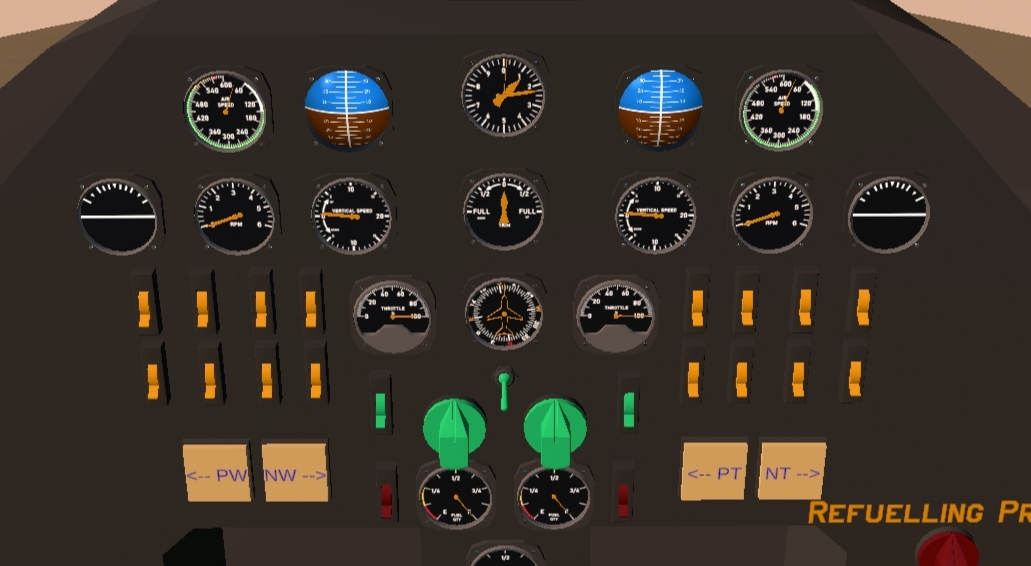
Interior of the PZL-153-A.z
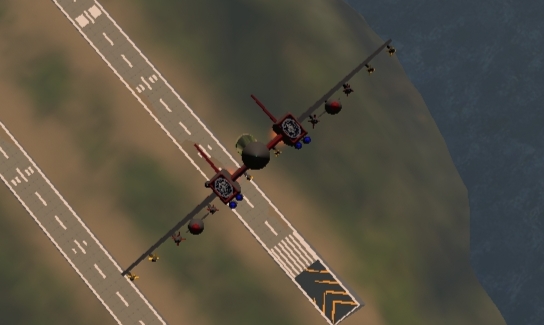
*A PZL-153-A trying to beat a world record.
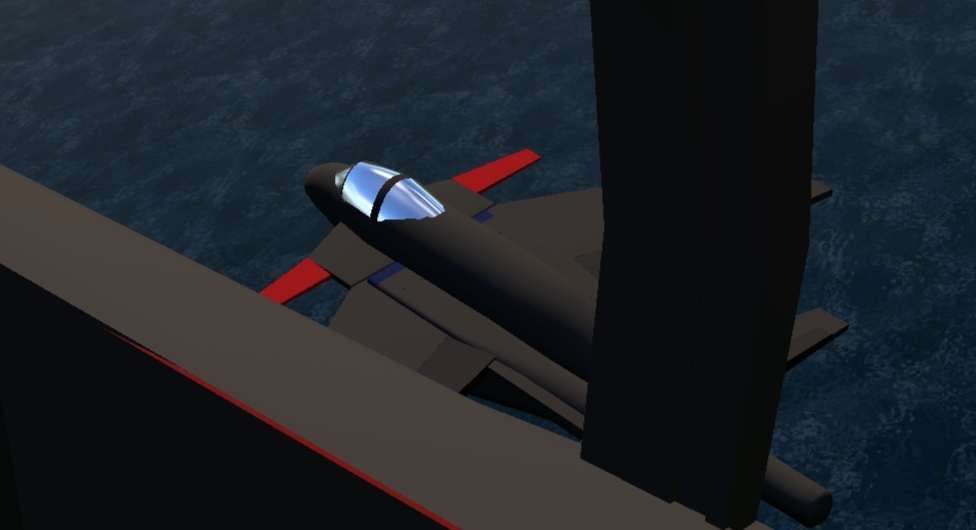
A PZL-153-A with the Valanian VNF-25A Diyu, circa TSW.
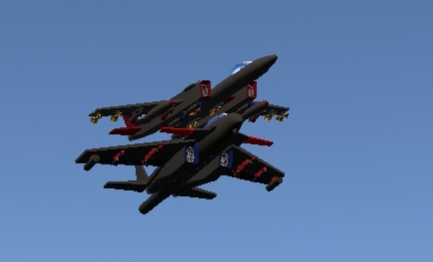
Ditto
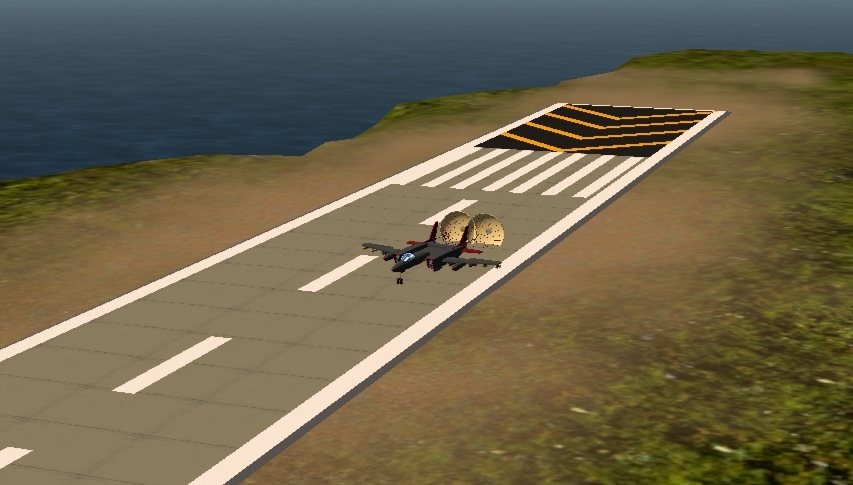
A PZL-153-A landing in the Caribbean.
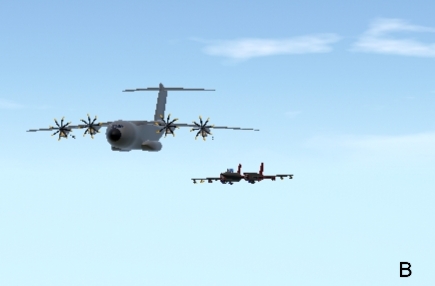
A PZL-153-B refuelling outside of Libya on its way too Guinea.
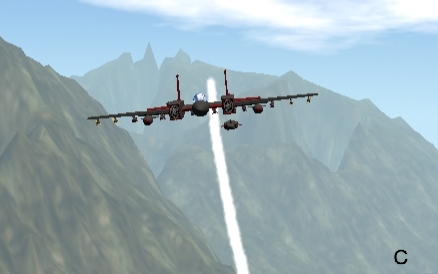
A PZL-153-C firing one of the Wr.20 Cruise Missiles at an enemy base 95km away.
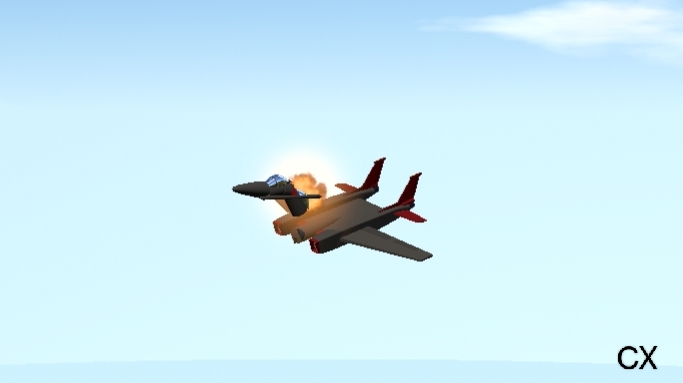
A PZL-153-CX, one of two, testing the escape pods. The project would soon be cancelled with the only other one on display.
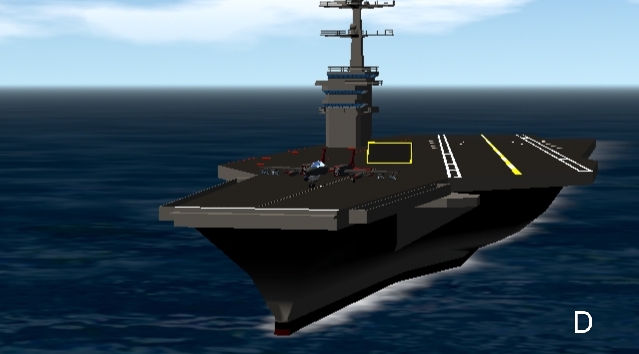
A PZL-253-A takes off from an aircraft carrier.
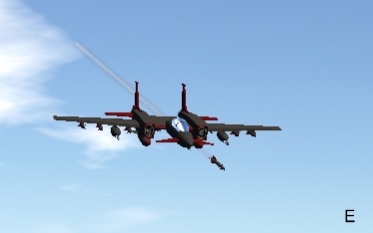
One of the only known pictures of a PZL-253-B engaging in combat.
More
The PZL-153-C variant has confirmed killed 6 MiG-29s.
It is said that Guniean PZL-153-BMs have killed two other PZL-153-BMs captured by the Congo.
Warsaw-Vilnius is the largest producer of engines, hence the engines being used on planes built by other companies.
The only producer of radar systems in the KPL is RWC.
The PZL-147 snd PZL-153 were developed together.
Production started in 1977
The PZL-153 rivals the F-15. The PZL-153 has a K/D of 183:2 while the F-15 has a K/D of 191:0.
The PZL has killed 15 MiG-26s, and 4 MiG-28s
Max speed is Mach 2.41
Afterword
Don't worry, F-62 series and PZL-147 will be next, probably a long with the PZL-119.
Specifications
General Characteristics
- Created On Android
- Wingspan 114.4ft (34.9m)
- Length 117.8ft (35.9m)
- Height 29.9ft (9.1m)
- Empty Weight 56,382lbs (25,574kg)
- Loaded Weight 112,086lbs (50,841kg)
Performance
- Power/Weight Ratio 14.435
- Wing Loading 30.9lbs/ft2 (150.9kg/m2)
- Wing Area 3,626.1ft2 (336.9m2)
- Drag Points 26761
Parts
- Number of Parts 493
- Control Surfaces 6
- Performance Cost 1,849
ACHIEVEMENT UNLOCKED
"Dedication details"
The military could build this irl with the amount of detail and statistics and variants you got 💀
@KPLBall
Long desc
AIRCRAFT IS NOT LORE ACCURATE IN GAME!
Wow
@CFG2011 tag me in unlisted, I wanna see how unstable it is and give pointers (use Gyros and farther up mounted engines)
@KPLBall I am working on another submission plane (a sort of delta wing) and it’s really unstable, I messed with the drag and made almost the entire plane dragless, but didn’t touch mass, collision, or fuel. Thanks for the help btw. Also do you have anything that would make my delta wings more stable? The CoM and CoL are very close but I found that it works more Stably if the CoM is farther in front.(up to a point)
@CFG2011 part drag and mass values, collision values, and fuel values for now.
Other values are trickier
Like I rarely mess with auto turrets
@KPLBall which settings should I mess with in funky trees?
@Karroc9522 yep
@Uisnenonokankit
@Joelcommanderofthearmies
@LUPIN
@YarisHatchBack
@Pancelvonat
@DISHWASHER2005
@LeShunny
@NormalCv580enjoyer
@M109Simp
@ChihiroFujisaki
@Erionh
@SPSidearm
@SomeSPGuywholikelore
@NevsicRepublic
@Edmund13
@ImperialIndustries
@LettuceRob119
@BluesynVA
@Hahahahaahahshs
@SILVERPANZER
@Monarchii
@Firecharge123
@Rb2H
@SuperSuperTheSylph
@SamuelJamesCastor
@LunarEclipseSP
@Wiz
@YarisSedan
@Boeing727200F
@Windshifter1
@MIGFOXHOUND31BSM26
@JABH
@HUDDistance
@F16XL
@CaptainBrayden
@Chaunhkhoa
@CrestelAeronautics
@Polish2
@TheUltimatePlaneLover
@TheMouse
@Panzerwaifu
@Karroc9522
@ComradeBazookaBall
@Christiant2
@TheUltimatePlaneLover tak