

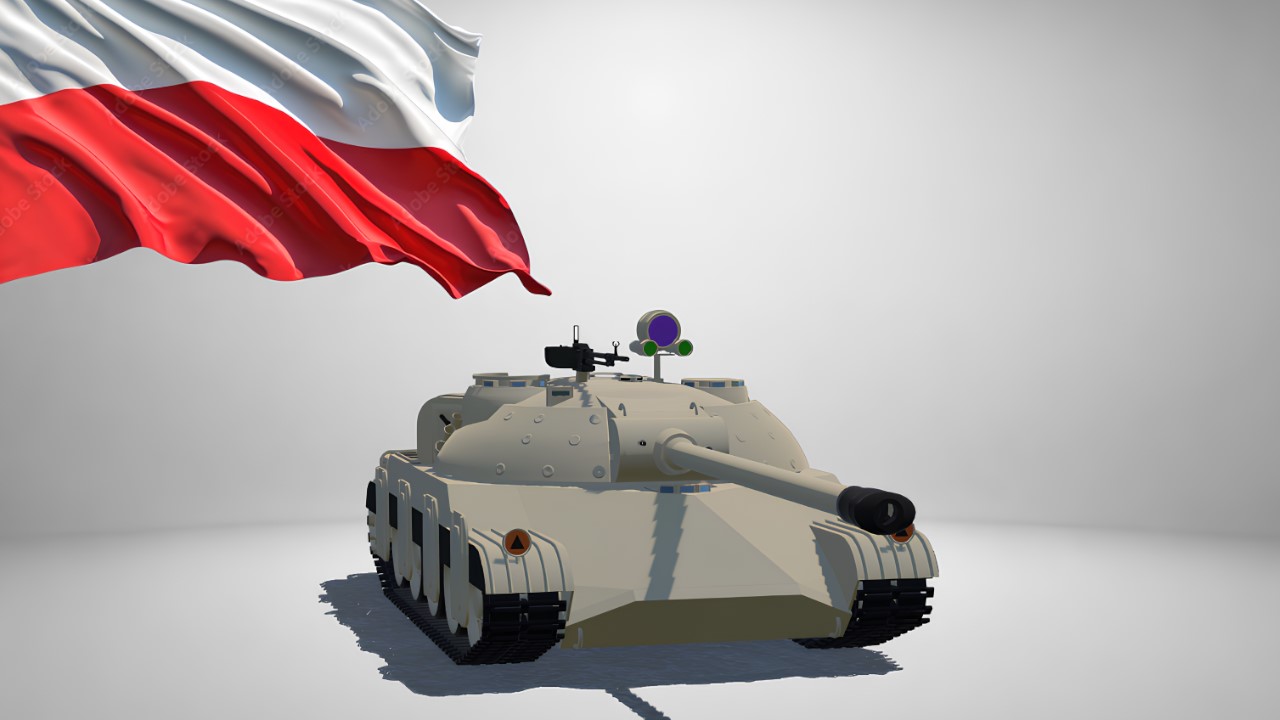
CS-67 Żelazny Wilk
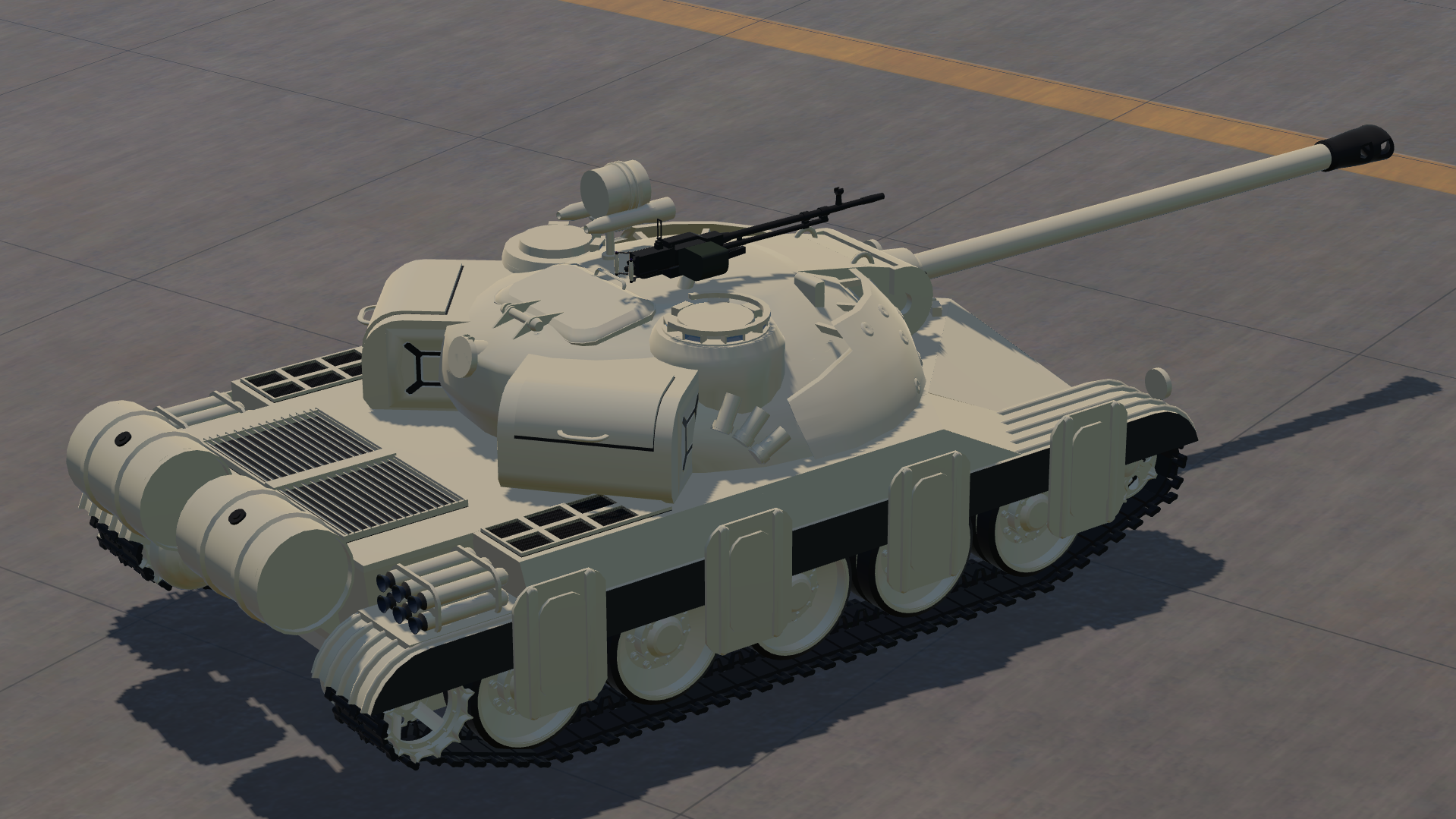
(Experimental Main Battle Tank – 1967)
Historical Background(Fictional)
In the mid-1960s, growing doctrinal debates within the Warsaw Pact and the rapid development of new HEAT anti-tank munitions in the West forced Polish military engineers to reconsider traditional armor concepts.
In 1965, a research initiative known as the “Wilk Program” was launched under the Central Armored Study Center (CSP). Unlike standard Soviet design philosophy, the program aimed to explore a tank focused on survivability through mobility, rapid repositioning, and short, decisive engagements.
The result of this initiative was the experimental prototype CS-67 Żelazny Wilk, completed in 1967.
Doctrinal concept
CS-67 was not designed as a conventional main battle tank. Instead, it was intended for:
Short, high-intensity engagements
Rapid breakthrough and withdrawal
Operations in forests, uneven terrain, and semi-urban environments
Disrupting enemy armored formations rather than prolonged direct combat
The tank emphasized maneuver dominance over brute firepower.
“Spear-type armor” concept
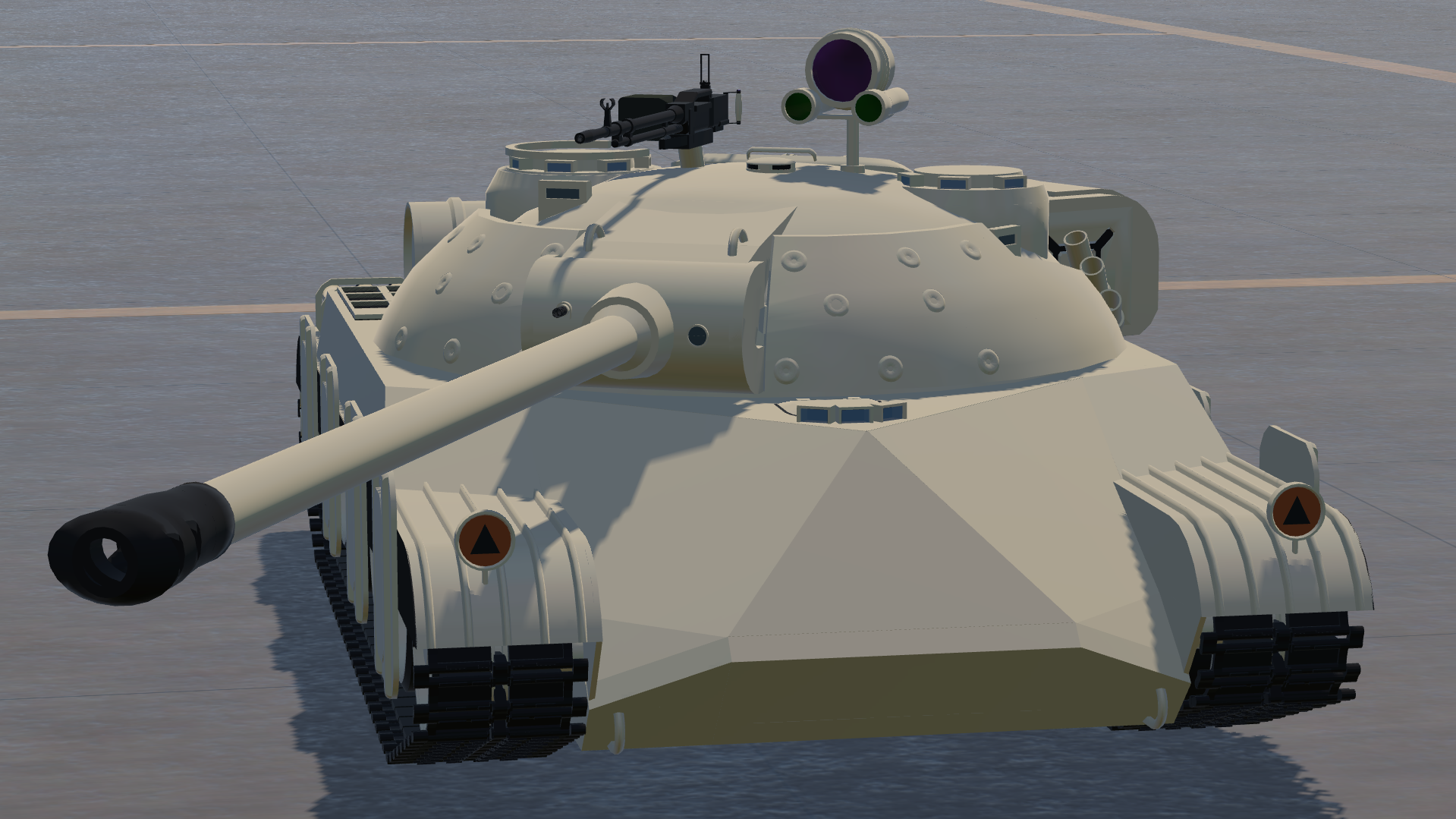
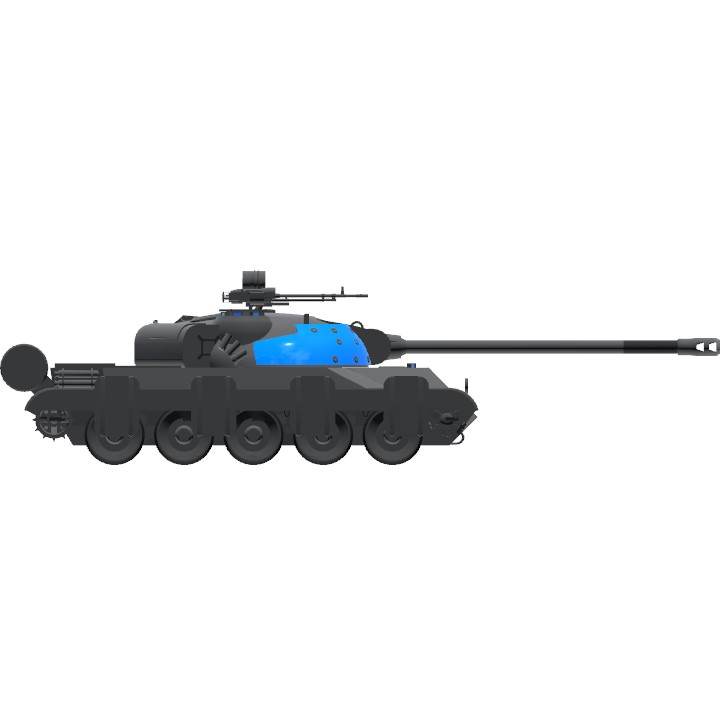
To counter emerging shaped-charge threats, CSP engineers developed an experimental frontal armor layout known as “Lanca Pancerna” (Armored Spear).
This design featured:
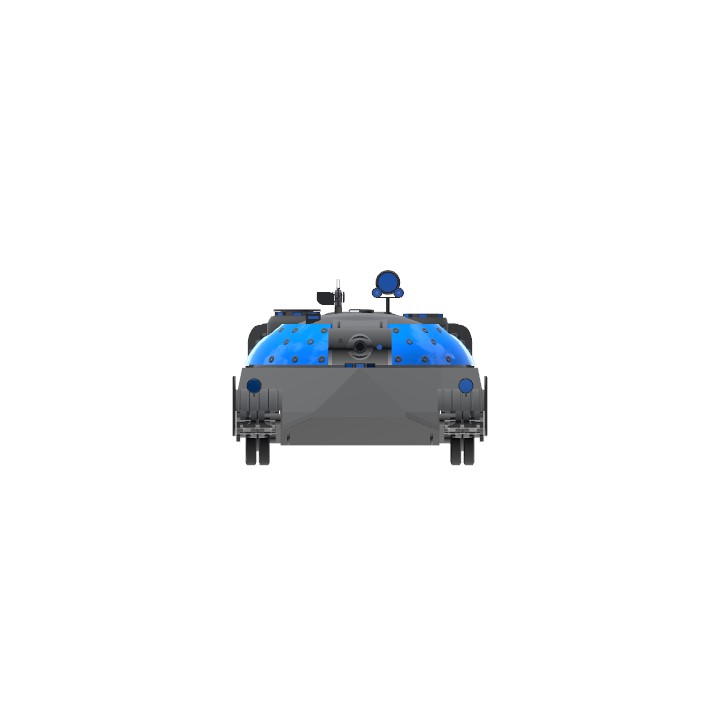
A sharply angled, wedge-shaped frontal hull
Layered steel armor with internal spacing
Geometry intended to deflect kinetic penetrators
Early disruption of HEAT jets through angular impact and standoff distance
The frontal turret section received additional modular armor reinforcement, giving the vehicle its aggressive, forward-leaning silhouette.
Auxiliary propulsion system
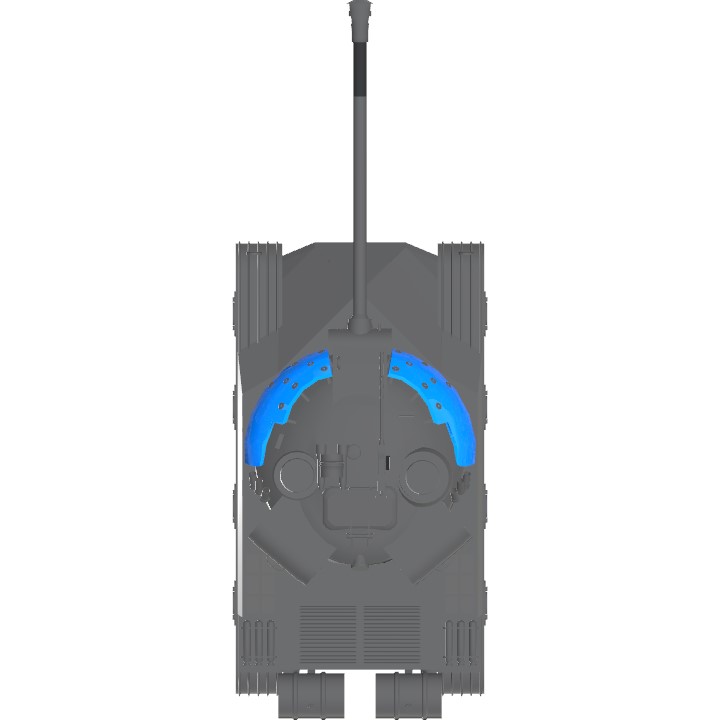
One of the most unconventional features of the CS-67 was its 2×6 auxiliary rocket units, which were not designed as weapons.
Officially designated:
PSI-67 — Pomocniczy System Impulsowy
(Auxiliary Impulse Propulsion System)
their sole purpose was to provide temporary thrust and maneuver assistance.
Intended functions:
Short-duration acceleration
Emergency evasive maneuvers
Rapid withdrawal under fire
Assistance in difficult terrain (mud, snow, steep inclines)
Brief directional correction during movement
The rockets used solid fuel, extremely short burn times, and were fired in controlled sequences, not salvos.
They carried no warheads and had no offensive role.
In essence:
They were designed to save the tank, not to fight with it.
Operational evaluation
Test reports praised the system’s ability to:
Break contact quickly after exposure
Reduce vulnerability to anti-tank ambushes
Improve survivability in non-ideal terrain
However, concerns were raised regarding:
Increased thermal signature
High fuel consumption
Crew training complexity
Limited usefulness outside emergency scenarios
Program outcome
By 1968, increased pressure for standardization within the Warsaw Pact and logistical incompatibilities led to the suspension of the Wilk Program.
Only two CS-67 prototypes were completed
The vehicle never entered formal service
It remained classified as an experimental research platform
In later internal assessments, the CS-67 was described as:
“A concept ahead of its time — overly aggressive in mobility philosophy, yet technically insightful.”
— CSP Experimental Vehicle Review, 1969
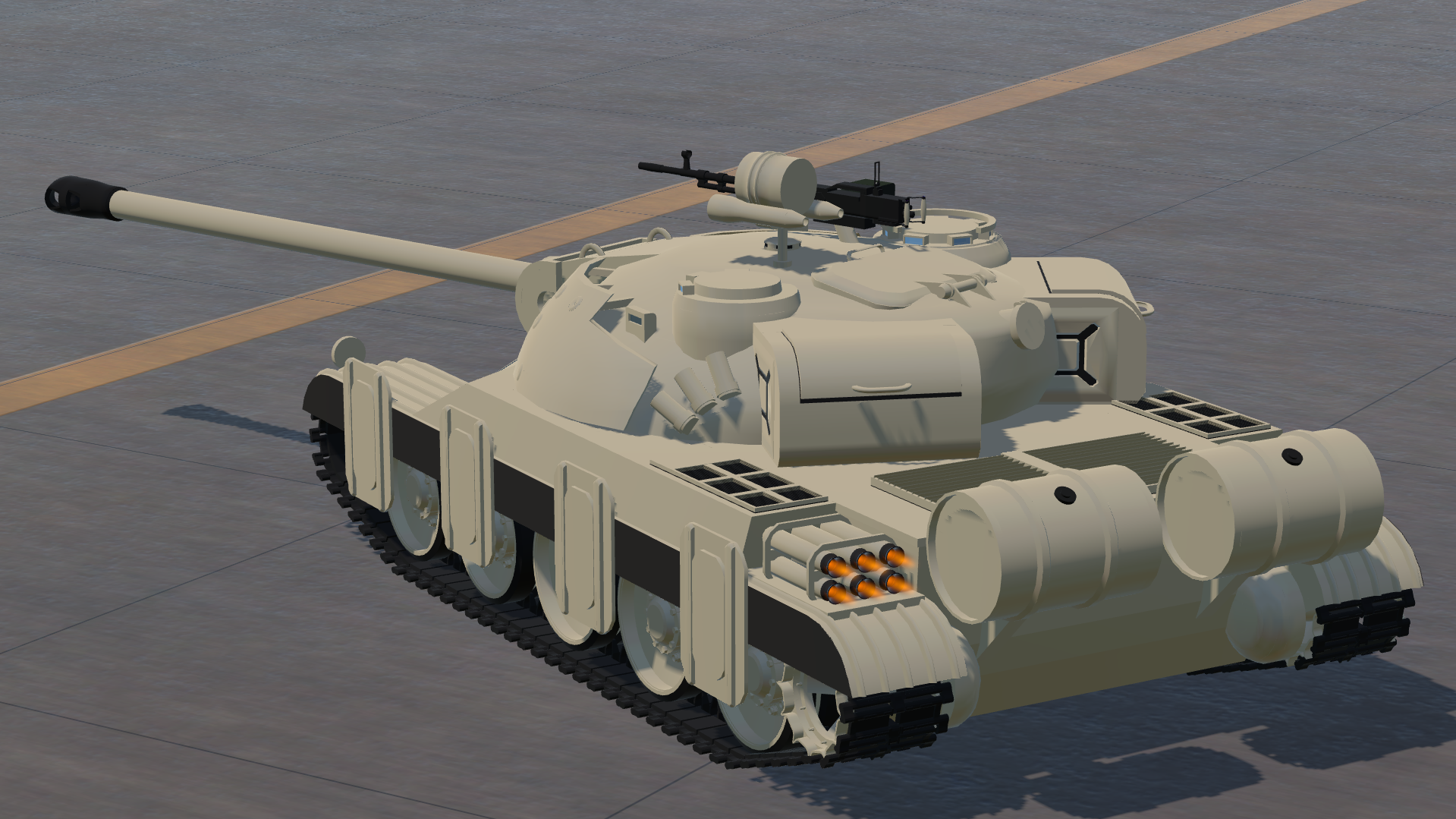
Booster P-67 Auxiliary Rocket Pods (2x6)
Rockets provide an extra 30 km/h speed to the tank. The duration of each rocket is only 10 seconds. After the timer expires, the rockets will not activate again.
Controls In-Game
Specifications
Spotlights
- SILVERPANZER 7 hours ago
- KPLBall 9 hours ago
General Characteristics
- Created On Windows
- Wingspan 14.4ft (4.4m)
- Length 39.1ft (11.9m)
- Height 9.8ft (3.0m)
- Empty Weight 55,960lbs (25,383kg)
- Loaded Weight 56,029lbs (25,414kg)
Performance
- Power/Weight Ratio 0.144
- Wing Loading N/A
- Wing Area 0.0ft2 (0.0m2)
- Drag Points 6886
Parts
- Number of Parts 635
- Control Surfaces 0
- Performance Cost 1,813
Required Mods
-
Tracks 2
by MOPCKOE_DNISHE
Version 0.84 (11/1/2021 2:11:26 PM)
View Mod Page
@KPLBall poland.
POLSKA GORUM!!!
I approve of this message!