

A Coastal System That Learned to Stay
The coastal launcher emerged from a practical requirement rather than a conceptual exercise.
In Late 1979, during a routine review of coastal defense posture, Konrad Adler approved the initiation of a new ground - based system intended to strengthen shoreline coverage. Existing solutions were studied mainly to establish boundaries - what worked reliably, what created unnecessary complexity, and what proved difficult to sustain over time.
The directive that followed was straightforward. The system was to be capable of relocation, deploy without specialized site preparation, and remain operational for extended periods. At the same time, it had to be realistic to produce in series, using stable industrial processes rather than bespoke engineering.
Responsibility for the project was assigned to Dr. KSB24, CEO of Krawno Defense Development. From the outset, the launcher and its base were treated as a single unit. The launcher itself followed established principles; the main effort was concentrated on the platform that would carry and support it.
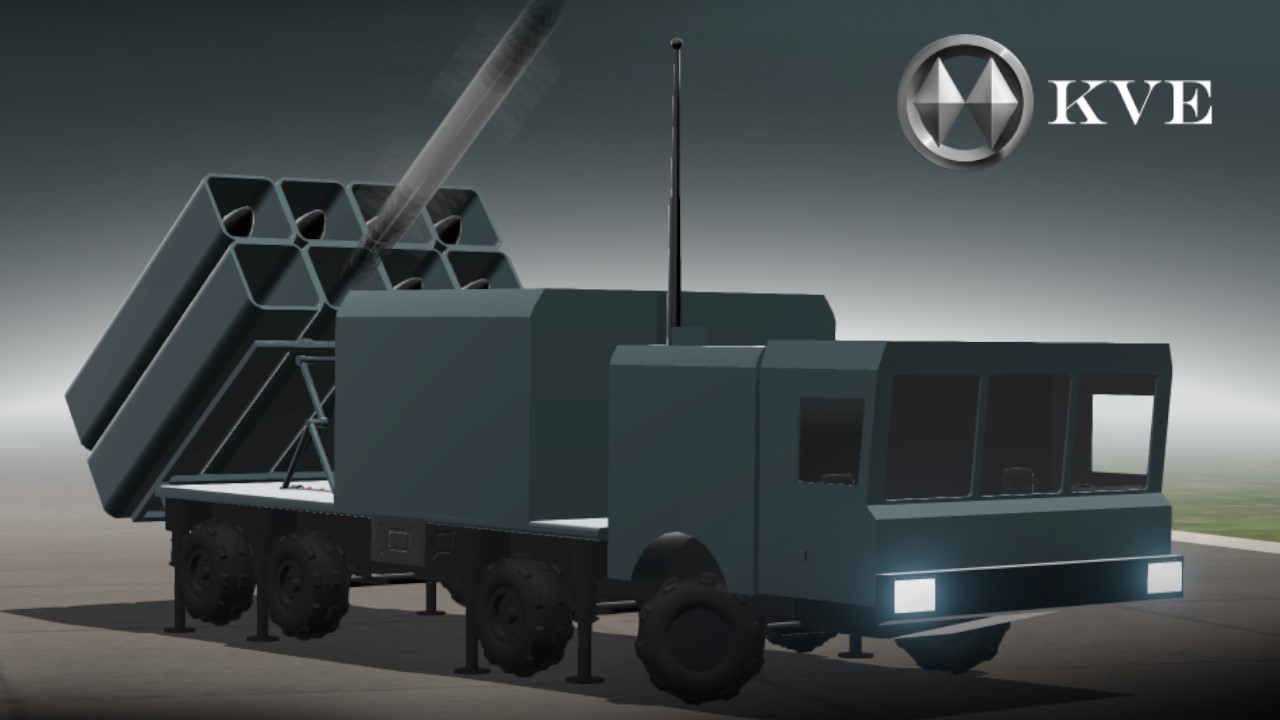
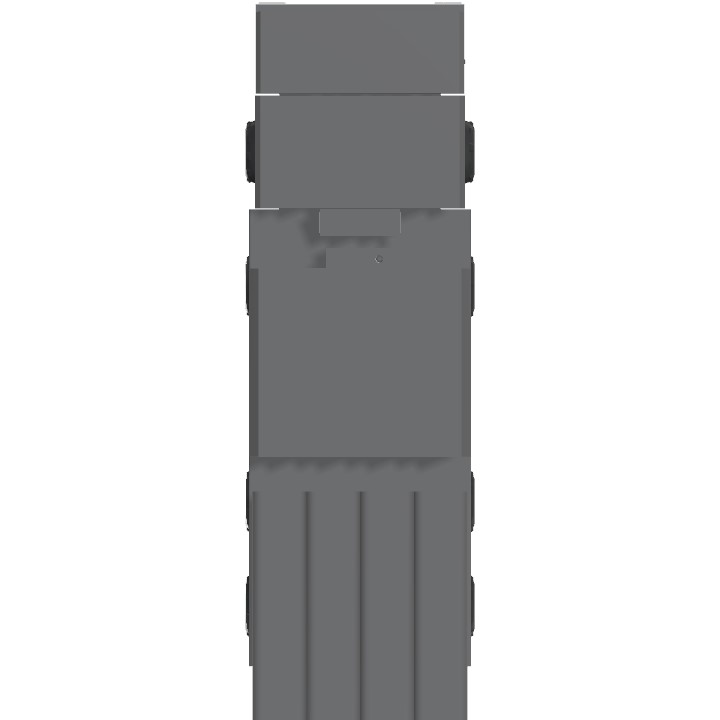
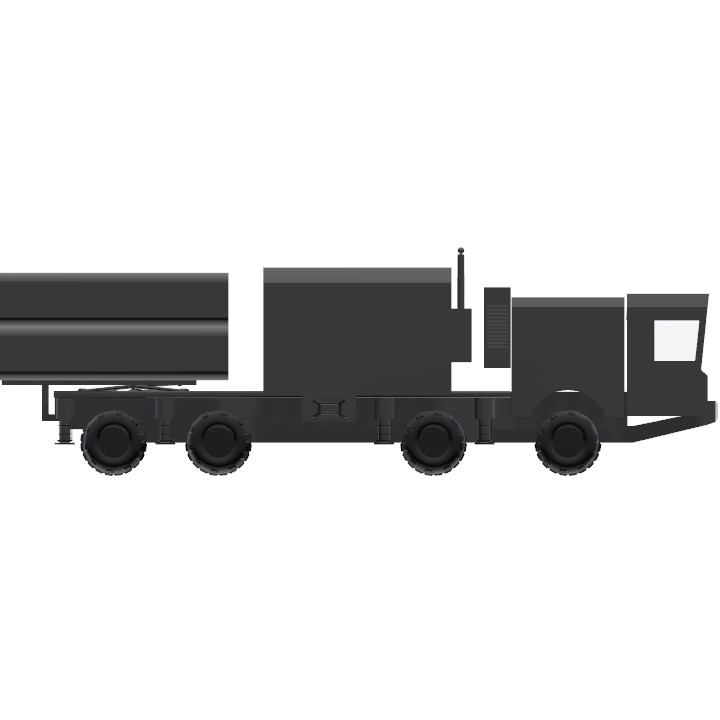
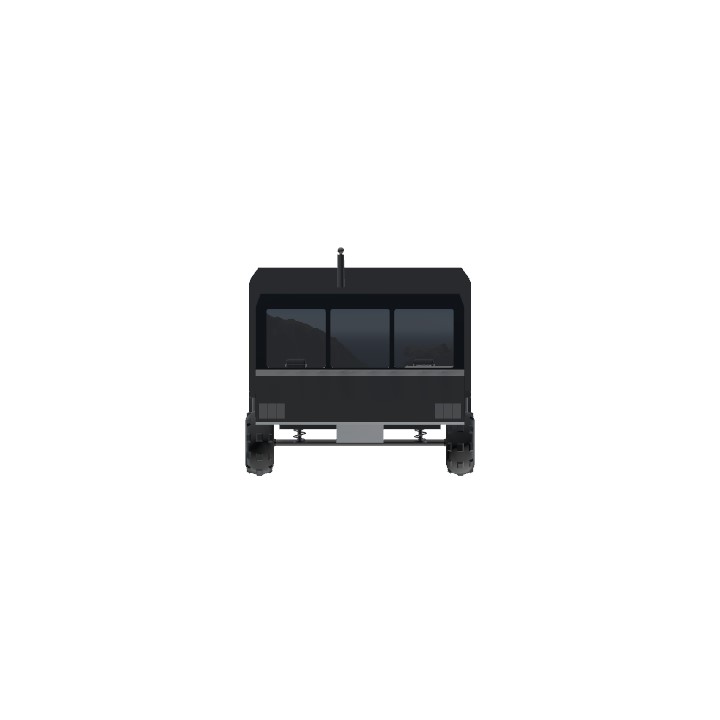
The final configuration was built on a multi-axle wheeled chassis with a forward armored cabin structurally separated from the launcher section. The frame layout was conservative and fixed. Weight distribution remained symmetrical, and suspension elements were selected for durability and consistency. In transit, the vehicle maintained a compact profile. During deployment, antennas and sensors were raised first, followed by the controlled unfolding of the launcher into its firing position.
Manufacturing considerations shaped most decisions. Structural components were standardized, access to key systems was kept unobstructed, and complex automation was avoided. The base could be assembled repeatedly with minimal variation and serviced using existing equipment.
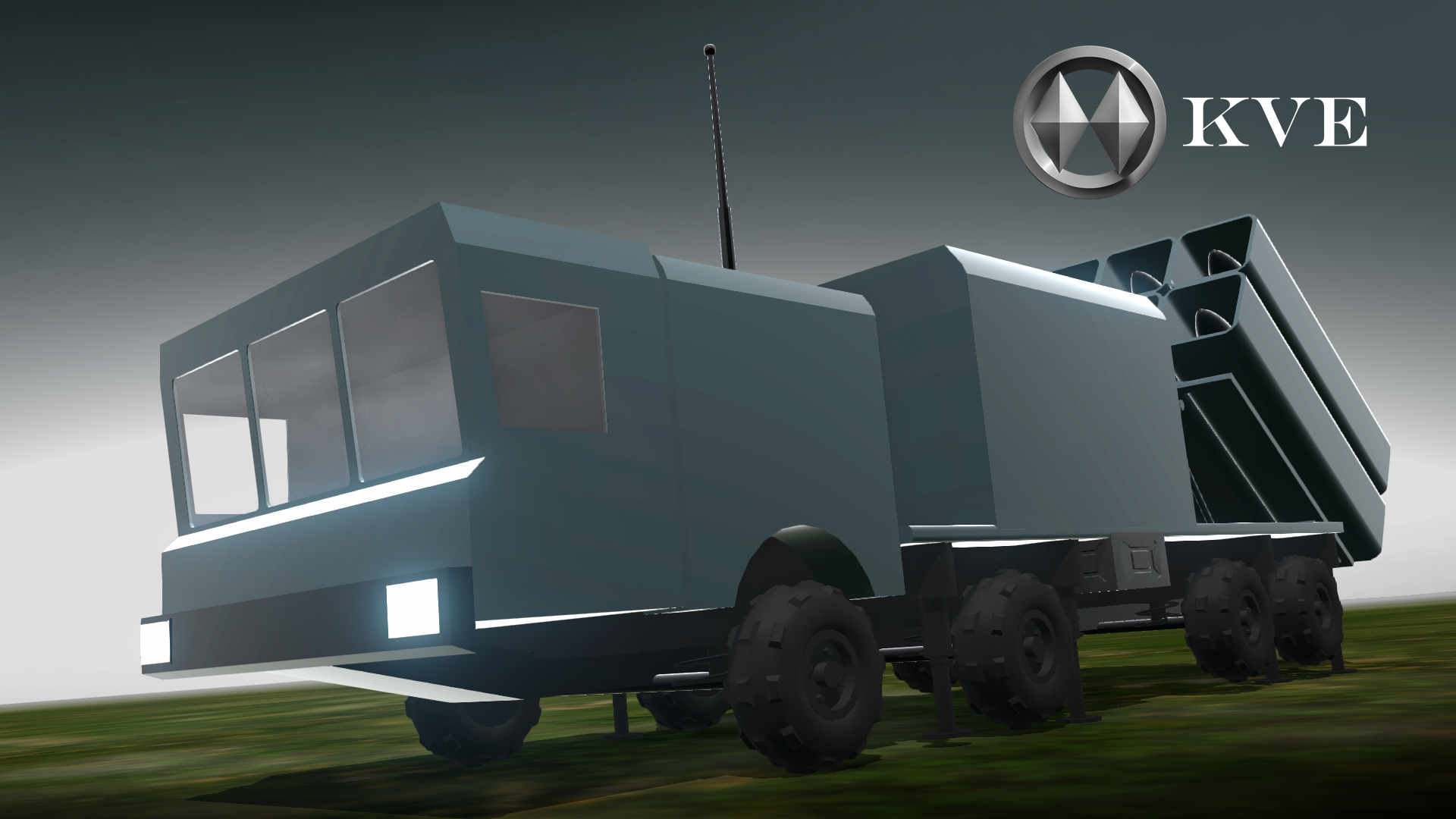
When the completed system was finally rolled out, Adler stayed through the entire deployment. He asked no questions. He watched as the antennas rose, the launcher unfolded, and the vehicle settled into position-then remained there, unchanged.
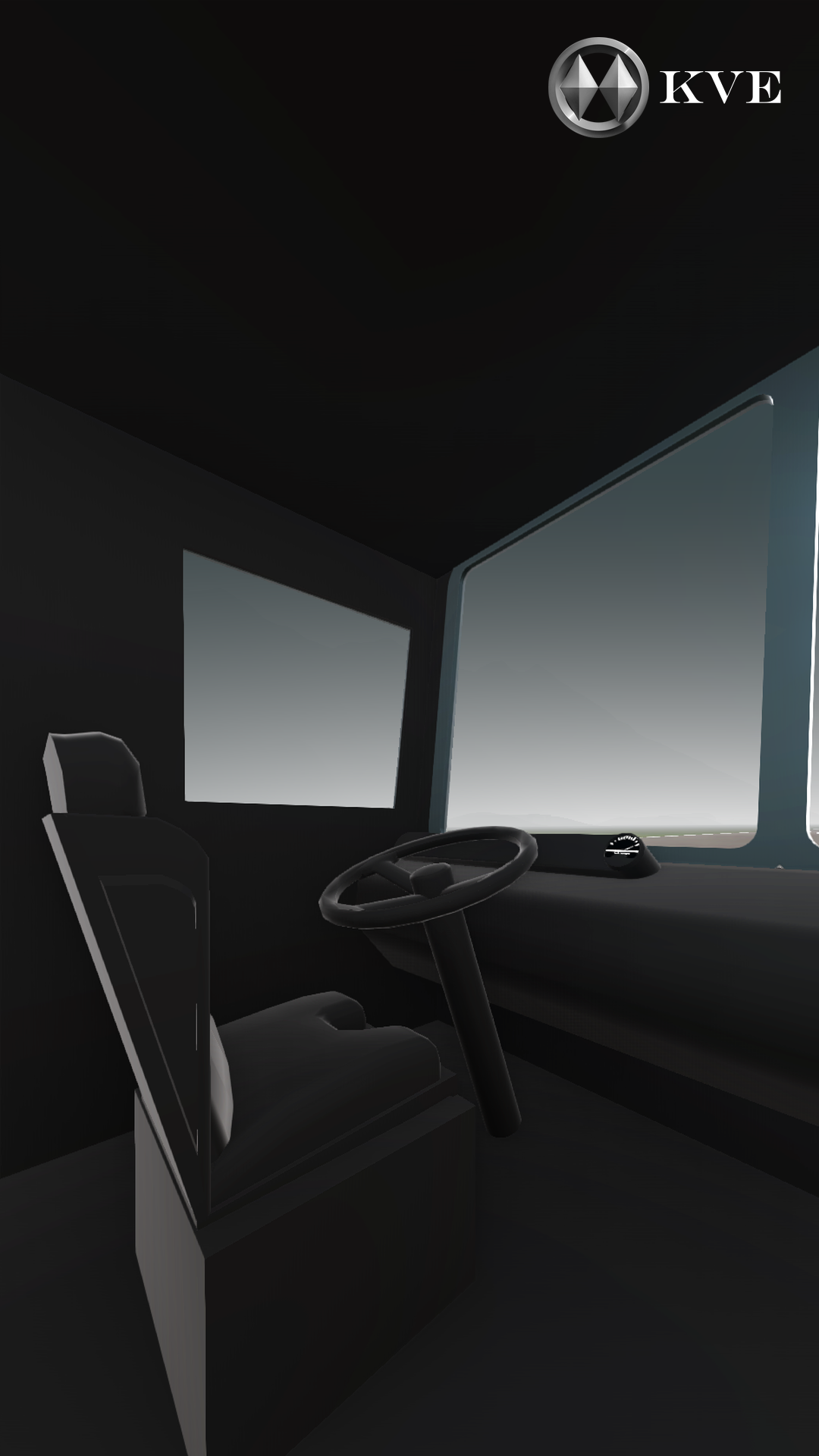
Following acceptance, internal documentation no longer referred to the system simply as a vehicle. It was classified as a movable emplacement - a platform intended to relocate when necessary, but designed to function predictably wherever it was placed.
Reflecting on the project later, Dr. KSB24 summarized the approach:
“The launcher defines the role.
The base defines whether the system can exist in numbers.”
All above Storys was provided, and Antenna was made by alexJgameYTukraine000000
Very simple to operate.
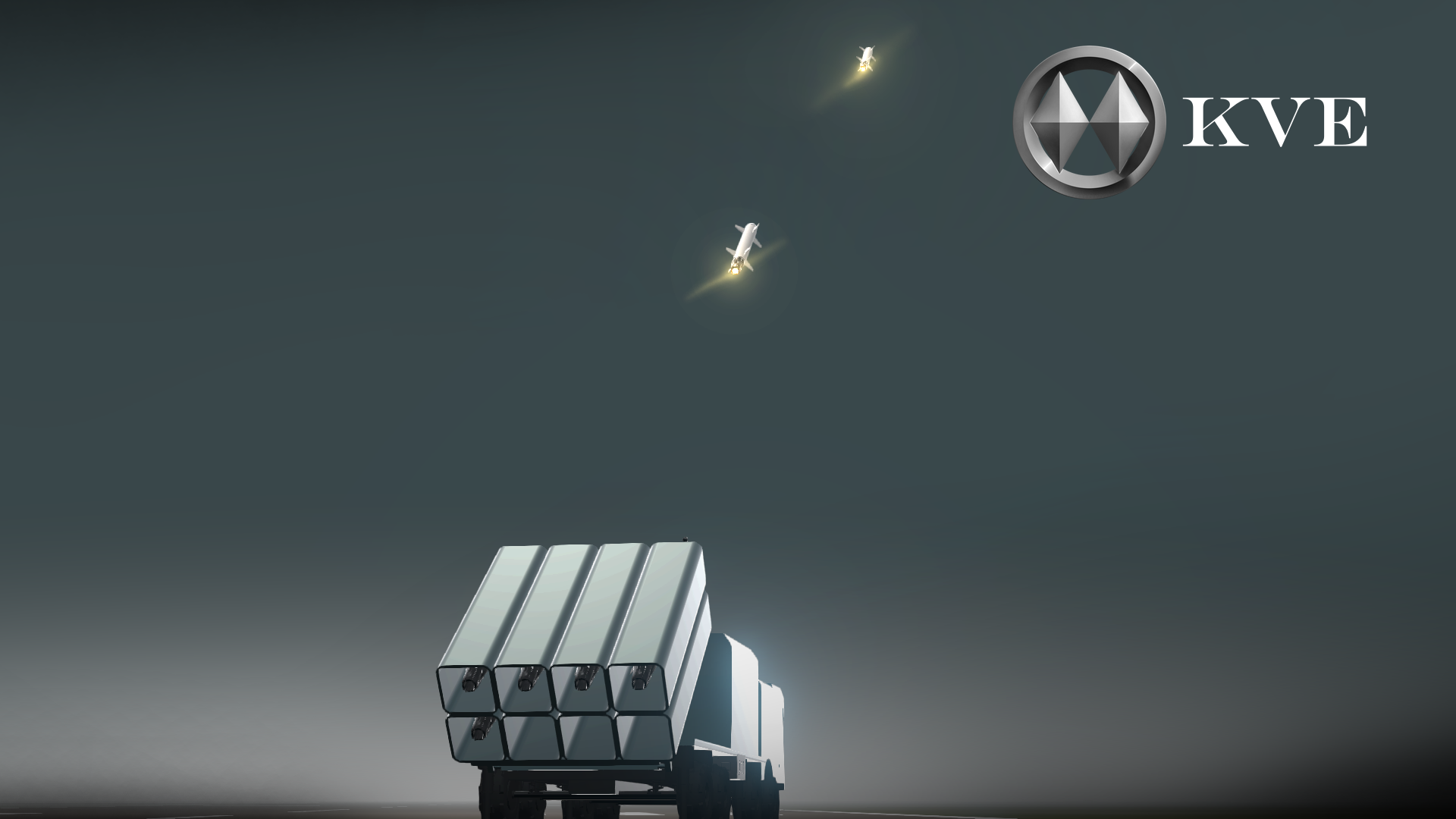
Vehicle will automatically configure to prepare the launch missile at the moment where the target has been selected.
Only thing the driver need to do, is just decide when to launch the missile by click Ag2
this isn't just fictional lore, this thing actually exist. you might not be able to stop the vehicle if you don't pay enough attention!
Truck has equiped with Air brake (not simpleplanes' air brake, i mean), which is very common thing you can see in trucks or trains. you have to be careful to not pump the brake too frequently.
if Air Brake System's pressure is too low, you may have to wait for it to recharge.
"Made for Silbertal Internal use. not intended for sale."
"Any attempt to use or produce this project by other countries will result in immediate launch of multiple nuclear strikes."
Specifications
General Characteristics
- Predecessor !!!Missile Research_2 upd
- Created On Windows
- Wingspan 13.6ft (4.2m)
- Length 43.9ft (13.4m)
- Height 13.8ft (4.2m)
- Empty Weight 9,911lbs (4,495kg)
- Loaded Weight 36,498lbs (16,555kg)
Performance
- Power/Weight Ratio 0.221
- Wing Loading 242.2lbs/ft2 (1,182.5kg/m2)
- Wing Area 150.7ft2 (14.0m2)
- Drag Points 17028
Parts
- Number of Parts 272
- Control Surfaces 64
- Performance Cost 1,483
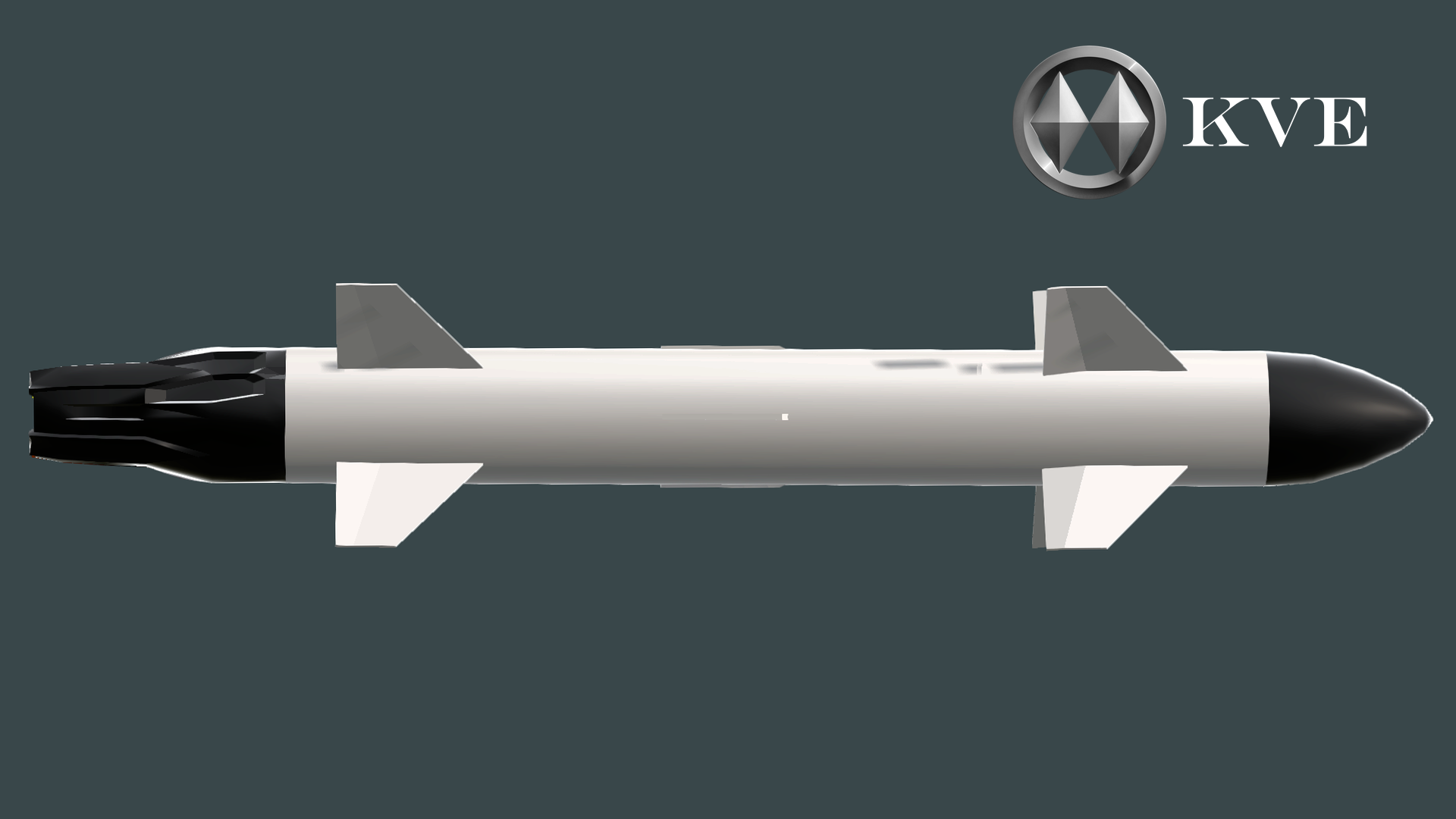
My first ever attempt at Funky tree missile