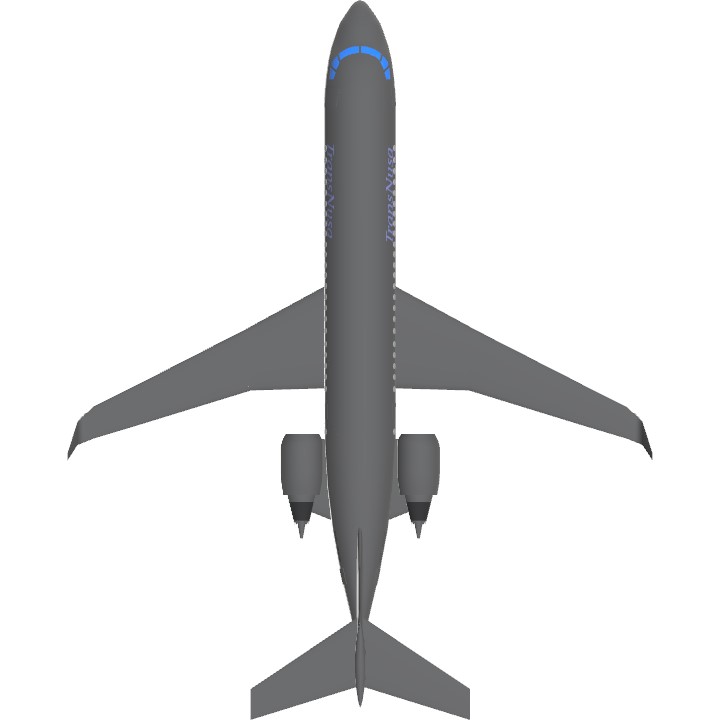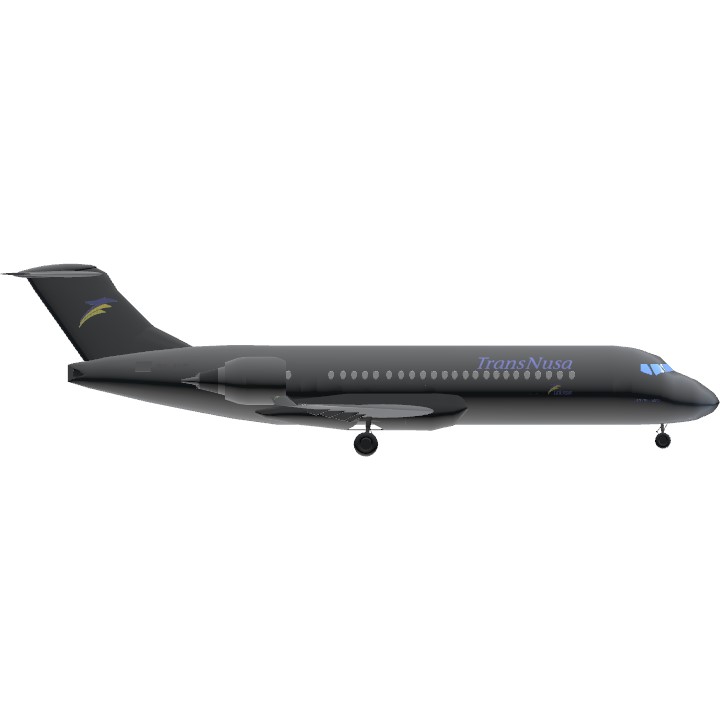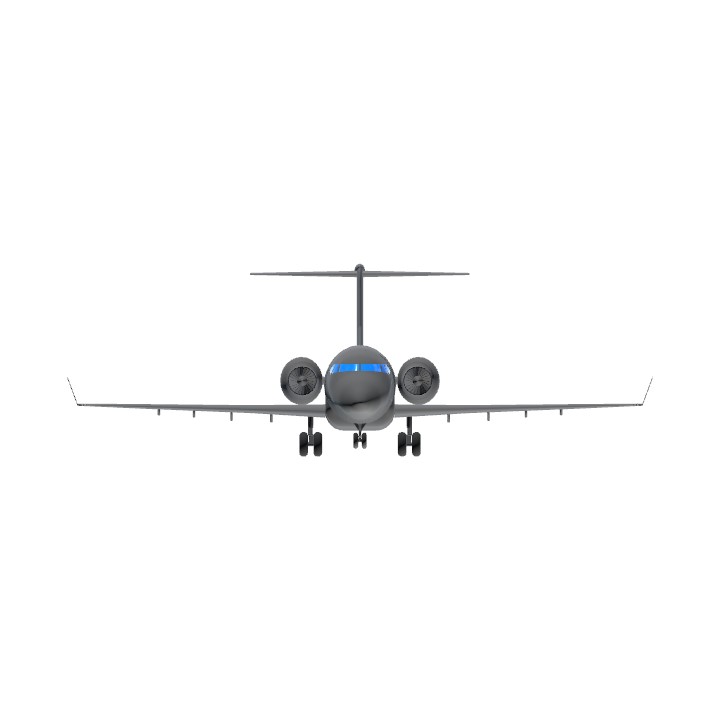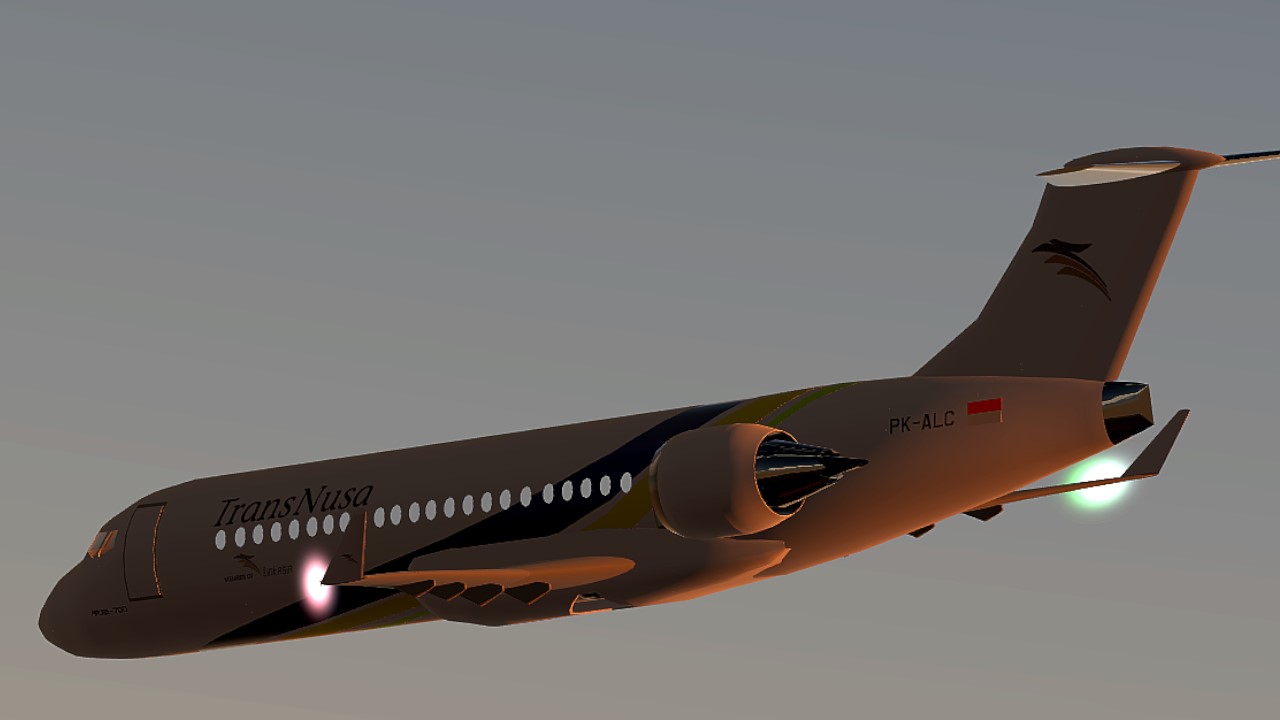
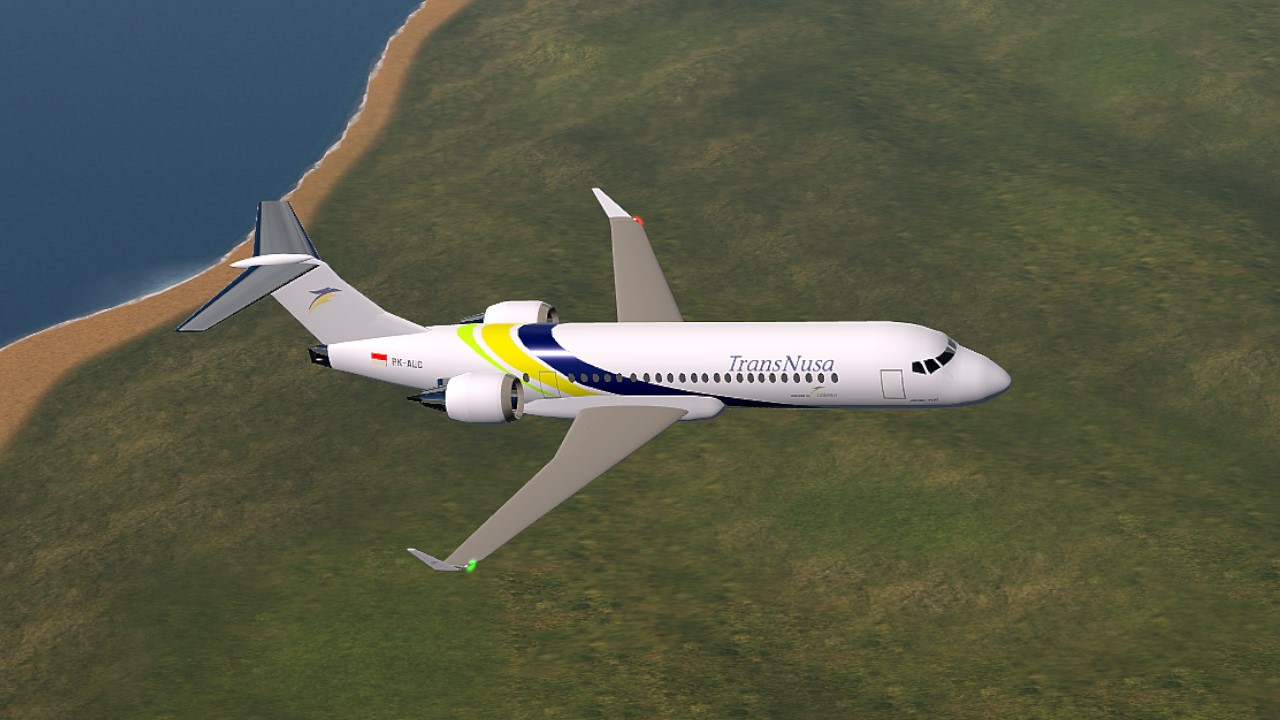
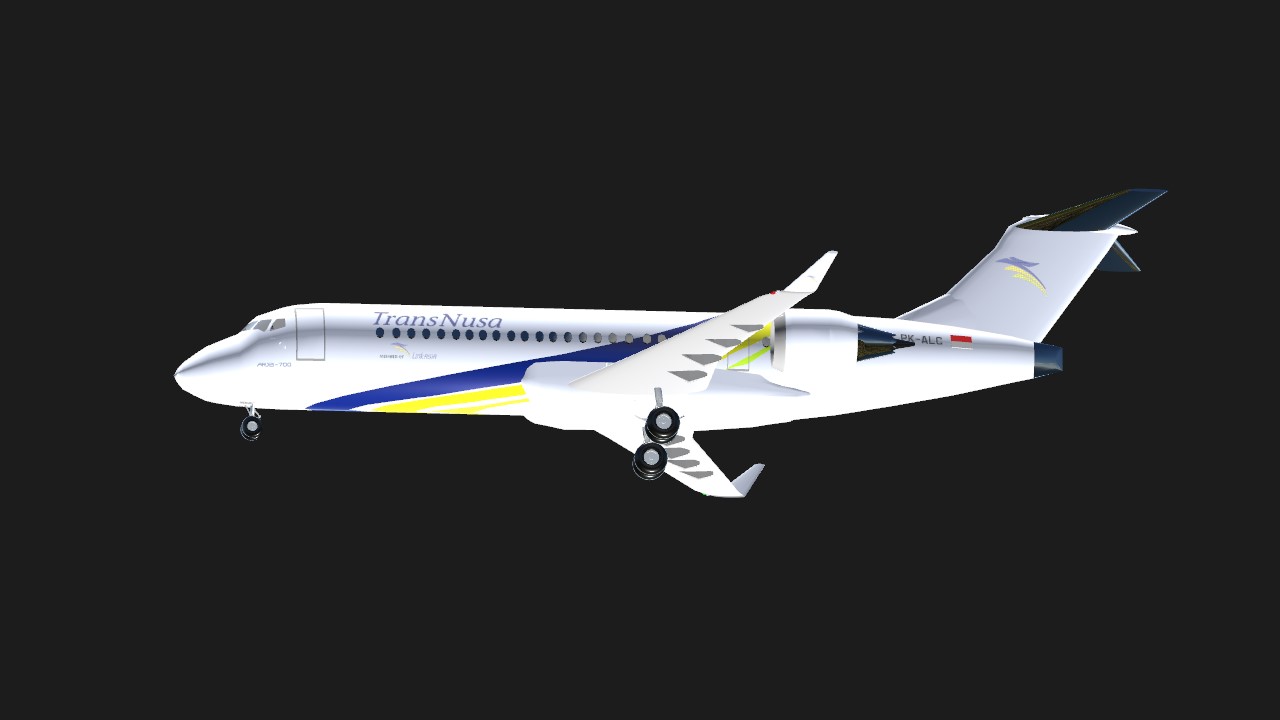
Credit: qazedcujmyhn
ABOUT
The Comac C909, originally known as the ARJ21 Xiangfeng (Chinese: 翔凤; pinyin: xiángfèng; lit. 'Soaring Phoenix'), is a 78–90 seat regional jet manufactured by the Chinese state-owned aerospace company Comac.
Development of the ARJ21 began in March 2002, led by the state-owned ACAC consortium. The first prototype was rolled out on 21 December 2007, and made its maiden flight on 28 November 2008 from Shanghai. It received its CAAC Type Certification on 30 December 2014 and was introduced on 28 June 2016 by Chengdu Airlines. The ACAC consortium was reorganized in 2009 as part of Comac and the jet was rebranded as the C909 in November 2024.
It features a 25° swept, supercritical wing designed by Antonov and twin rear-mounted General Electric CF34 engines. By 2025, 172 airframes had been delivered.
In 1985, Shanghai Aircraft Manufacturing Company, now a part of Comac, launched a "troubled" partnership with McDonnell Douglas to co-produce the MD-80, a similar-looking small jet aircraft. After producing 20 MD-80s, the joint venture eventually collapsed, but China refused to return the tooling used. According to Western analysts, the ARJ21 is "heavily derived" from the MD-80, including its 1980s-era airframe which features a distinctive "double-bubble" fuselage cross-section. However, Chinese media state that the ARJ21 is an indigenous design.
The development of the ARJ21 (Advanced Regional Jet) was a key project in the "10th Five-Year Plan" of China. The project officially began in March 2002 and was led by the state-owned ACAC consortium. The maiden flight of the ARJ21 was initially planned to take place in 2005 with commercial service beginning 18 months later. The programme became eight years behind schedule. The design work was delayed and the final trial production stage did not begin until June 2006.
The first prototype (serial number 101) rolled out on 21 December 2007, with a maiden flight on 28 November 2008 at Shanghai's Dachang Airfield. The aircraft completed a long-distance test flight on 15 July 2009, flying from Shanghai to Xi'an in 2 hours 19 minutes, over a distance of 1,300 km. The second ARJ21 (serial number 102) completed the same test flight route on 24 August 2009. The third aircraft (serial number 103) similarly completed its first test flight on 12 September 2009. The fourth aircraft (CN 104) flew by November 2010. By August 2011, static, flutter and crosswind flight tests had been completed
Several sources have noted that the ARJ21 closely resembles the McDonnell Douglas MD-80 and the MD-90, which were produced under licence in China. Comac states that the ARJ21 is a completely indigenous design. The ARJ21's development did depend heavily on foreign suppliers, including engines and avionics from the United States. The ARJ21 has a new supercritical wing designed by Antonov with a sweepback of 25 degrees and winglets.] Some of China's supercomputers have been used to design parts for the ARJ21.

Transnusa is the first operator of ARJ21/C909 outside China with its first ARJ21, PK-TJA was delivered to the airline in 2022
I usually create liveriesof older/defunct Indonesian airline to recreate the years where aviation is very interesting to me. When i go to my local airport to plane spotting, i encountered this very plane (PK-ALC) was undergoing maintenance
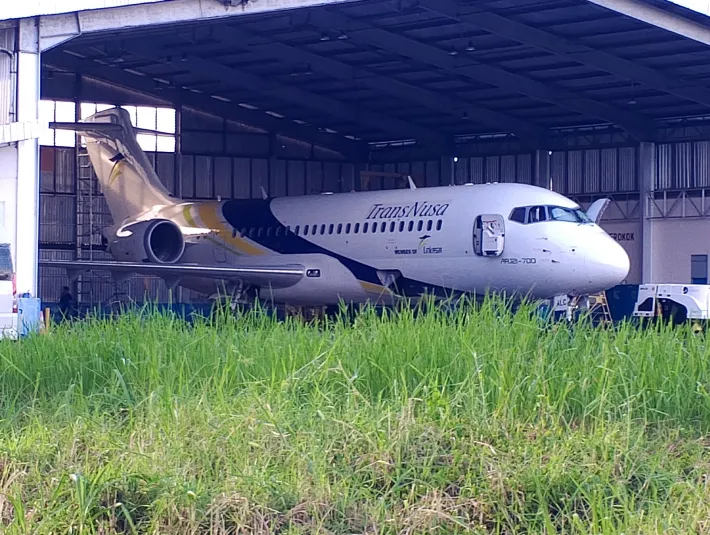
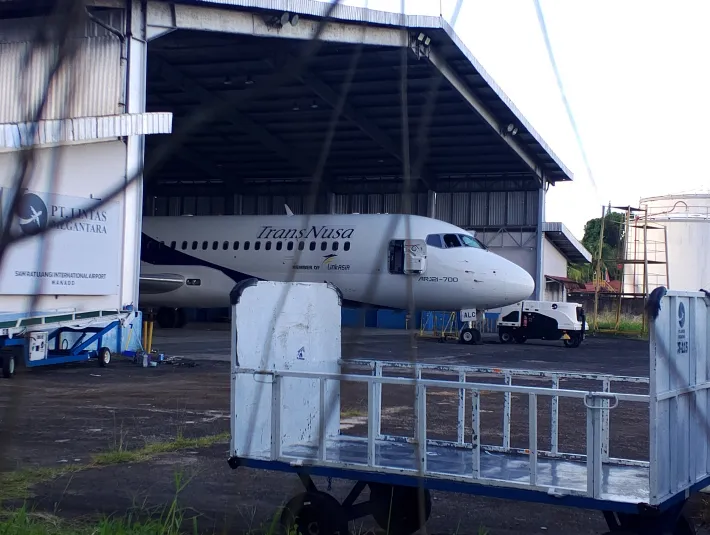
Then i decided to make this livery since im out of idea anyway
List of my livery projects
Specifications
General Characteristics
- Predecessor COMAC ARJ-21
- Created On Windows
- Wingspan 89.7ft (27.4m)
- Length 110.5ft (33.7m)
- Height 29.6ft (9.0m)
- Empty Weight N/A
- Loaded Weight 70,554lbs (32,002kg)
Performance
- Power/Weight Ratio 0.477
- Horse Power/Weight Ratio 0.042
- Wing Loading 28.3lbs/ft2 (137.9kg/m2)
- Wing Area 2,497.2ft2 (232.0m2)
- Drag Points 1021
Parts
- Number of Parts 377
- Control Surfaces 9
- Performance Cost 2,308