

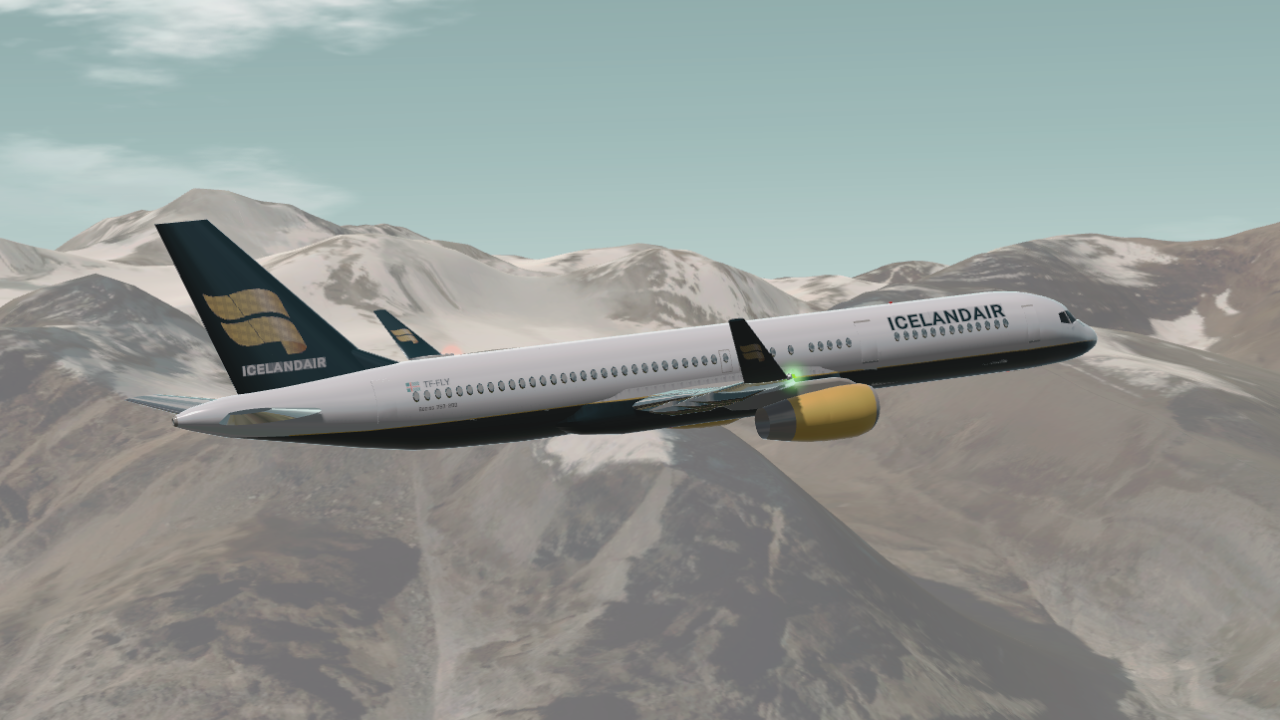
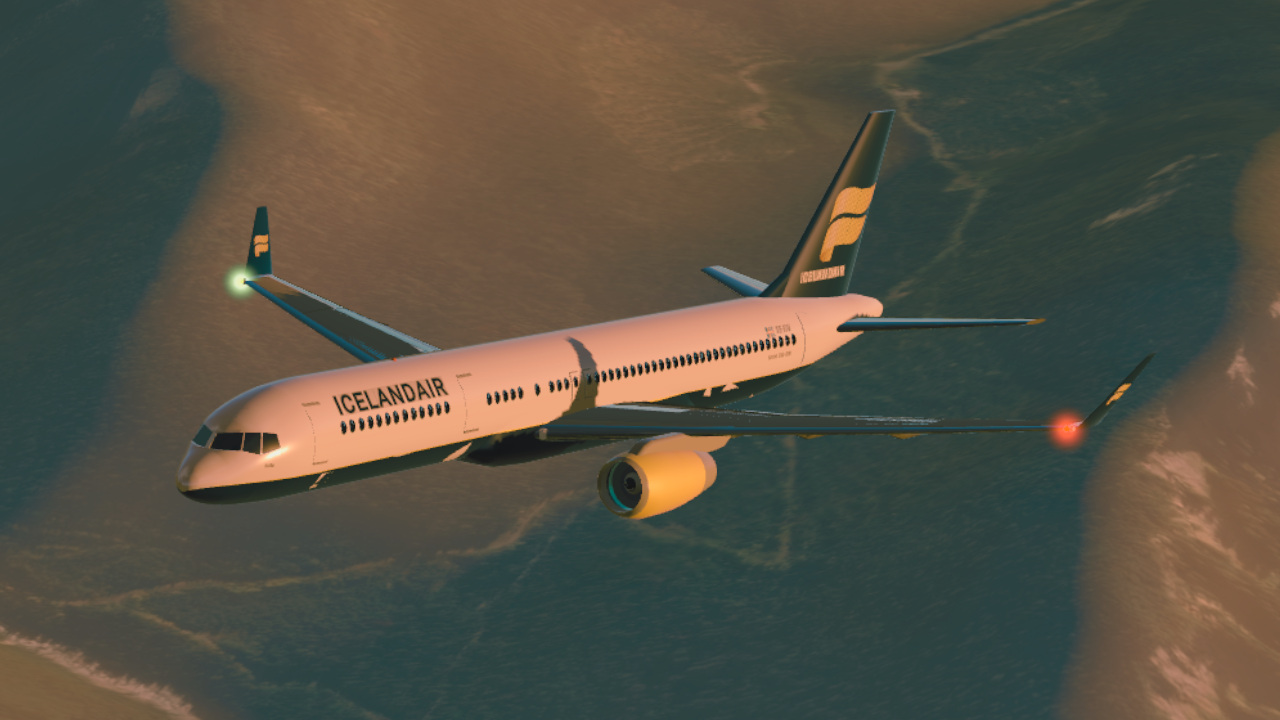
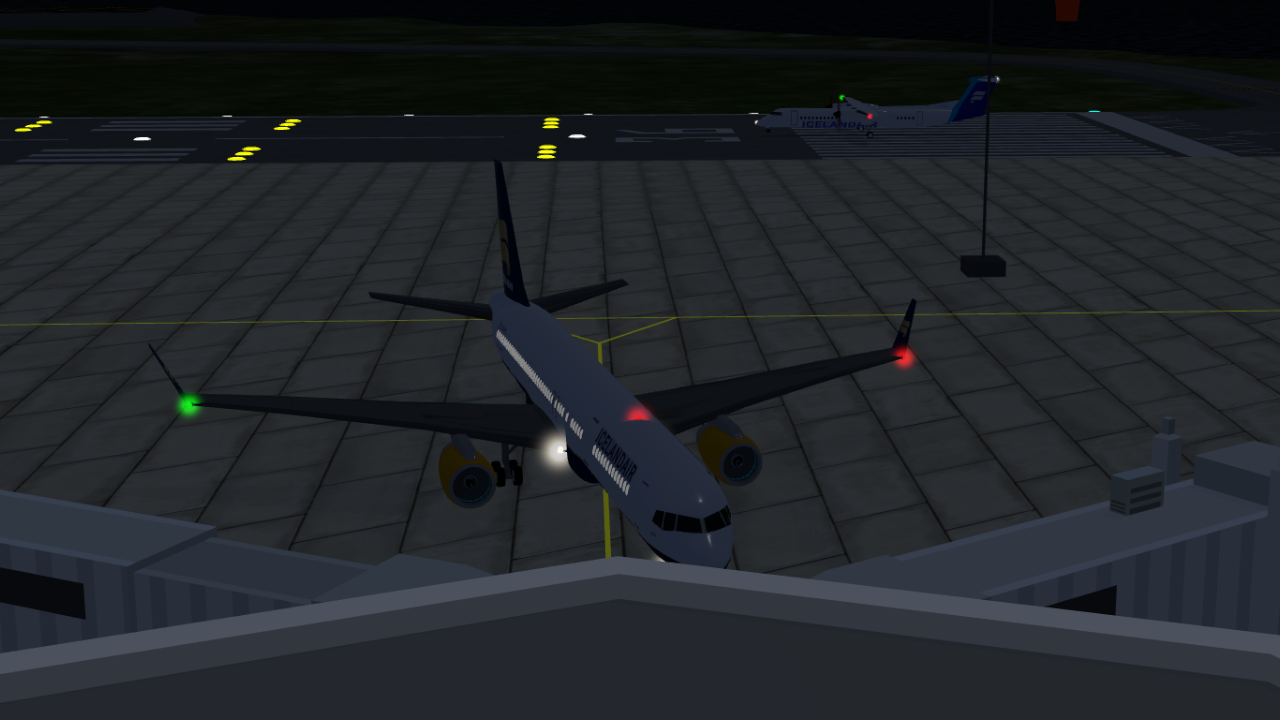
Boeing 757 :

A Boeing 757-200 of Delta Air Lines, the largest operator
The Boeing 757 is an American narrow-body airliner designed and built by Boeing Commercial Airplanes. The then-named 7N7, a twinjet successor for the trijet 727, received its first orders in August 1978. The prototype completed its maiden flight on February 19, 1982, and it was FAA certified on December 21, 1982. Eastern Air Lines placed the initial 757-200 variant in commercial service on January 1, 1983. A package freighter (PF) variant entered service in September 1987 and a combi model in September 1988. The stretched 757-300 was launched in September 1996 and began service in March 1999. After 1,050 had been built for 54 customers, production ended in October 2004, while Boeing offered the largest 737 Next Generation variants as a successor to the -200.
The jetliner is powered by 36,600–43,500 lbf (163–193 kN) Rolls-Royce RB211 or Pratt & Whitney PW2000 underwing turbofan engines for a 255,000–273,000 lb (116–124 t) maximum takeoff weight (MTOW). The 757 has a 2,000 sq ft (185 m2) supercritical wing for reduced aerodynamic drag and a conventional tail. It keeps the 707 fuselage width and six–abreast seating and its two-crew glass cockpit has a common type rating with the concurrently designed 767 (a wide-body aircraft). It was produced in two fuselage lengths: the 155 ft (47.3 m) long 757-200 (the most popular with 913 built) typically seats 200 passengers in two classes over 3,915 nautical miles [nmi] (7,250 km; 4,505 mi); while the 178 ft (54.4 m) long 757-300 typically seats 243 over 3,400 nmi (6,295 km; 3,900 mi). The 757-200F can haul a 72,210 lb (32,755 kg) payload over 2,935 nmi (5,435 km; 3,378 mi). Passenger 757-200s have been modified for cargo use as the Special Freighter (SF) and the Precision Converted Freighter (PCF).
Major customers for the 757 included U.S. mainline carriers, European charter airlines, and cargo companies. It was commonly used for short and mid-range domestic routes, shuttle services, and transcontinental U.S. flights. ETOPS extended flights were approved in 1986 to fly intercontinental routes. Private and government operators have customized the 757 as VIP carriers such as the US C-32. In July 2017, there were 665 Boeing 757 in commercial service, with Delta Air Lines being the largest operator with 127 airplanes in its fleet.The airliner has recorded ten hull-loss accidents out of a total of 13 hull losses, as of August 2023.
Icelandair :

Logo

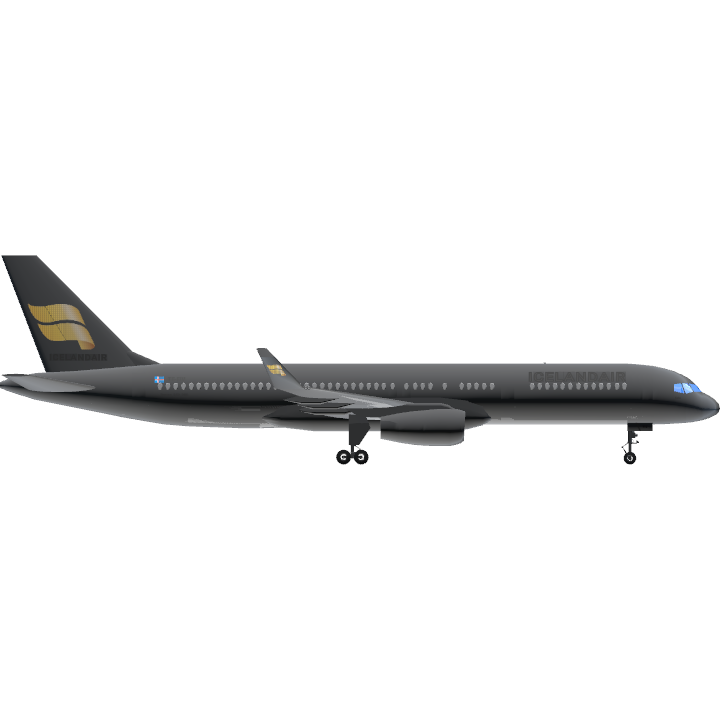
Icelandair Airbus A321LR
Icelandair is the flag carrier of Iceland. It is part of the Icelandair Group and operates to destinations on both sides of the Atlantic Ocean from its main hub at Keflavík International Airport. Its smaller domestic-only hub is located at Reykjavík Airport.
The geographical position of Iceland is convenient for one-stop transatlantic flights via the Atlantic Bridge route, which is one pillar of the airline's business strategy, along with traffic to, from, and within the country. Their headquarters are located in Hafnarfjörður.
Credit :
Plane :
Góða flugferð!
Specifications
General Characteristics
- Created On Windows
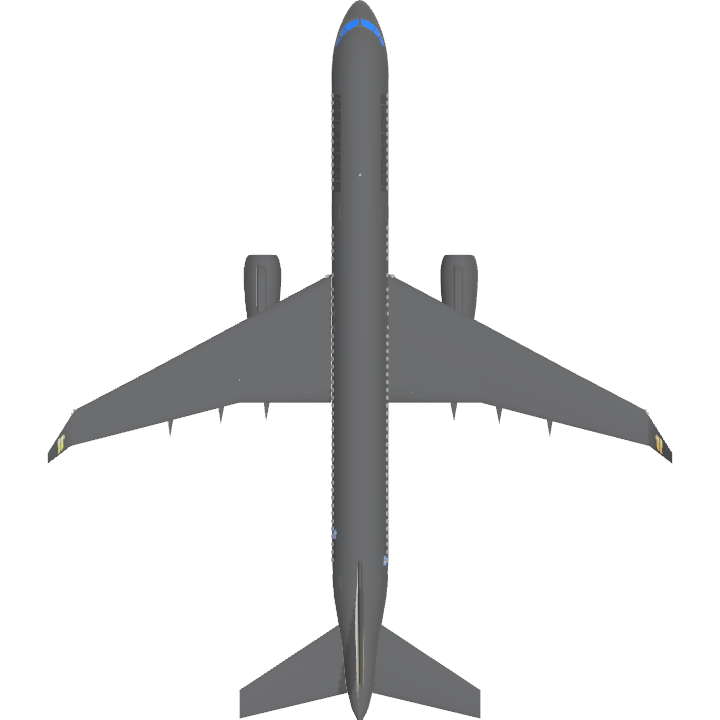
- Wingspan 134.6ft (41.0m)
- Length 155.3ft (47.3m)
- Height 45.1ft (13.8m)
- Empty Weight N/A
- Loaded Weight 64,463lbs (29,240kg)
Performance
- Power/Weight Ratio 0.676
- Horse Power/Weight Ratio 0.046
- Wing Loading 24.1lbs/ft2 (117.5kg/m2)
- Wing Area 2,679.5ft2 (248.9m2)
- Drag Points 12340
Parts
- Number of Parts 583
- Control Surfaces 9
- Performance Cost 3,251
@LunarEclipseSP me also
Edit: nvm i commented 0.002 seconds away after it published
Here before it's published