

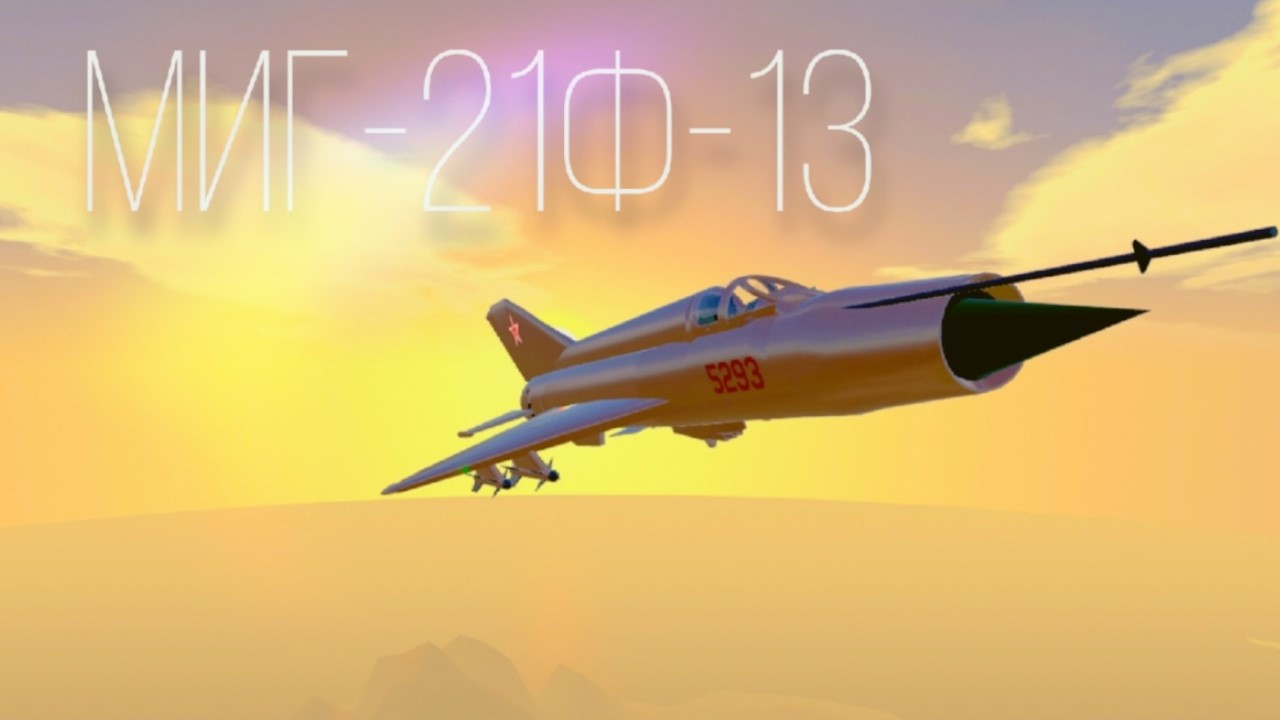
The Mikoyan-Gurevich MiG-21, known by its NATO reporting name "Fishbed," is one of the most iconic and widely produced fighter jets in aviation history. This lightweight, supersonic aircraft, nicknamed "Balalaika" for its distinctive shape, served as a frontline fighter and interceptor for the Soviet Union and dozens of other nations, playing a pivotal role in conflicts during the Cold War.
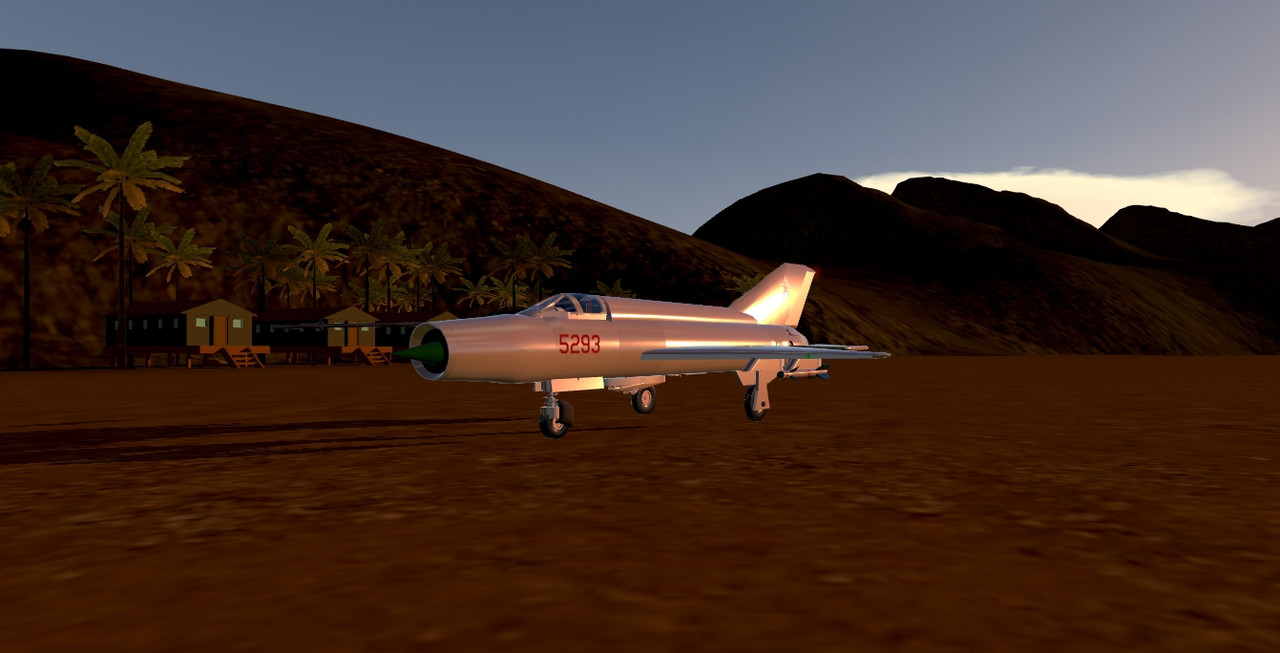
A Design Born of Speed
The MiG-21's development in the early 1950s was driven by the need to counter new high-speed threats. Soviet designers at the Mikoyan-Gurevich bureau moved beyond their successful MiG-15, -17, and -19 series to create a true Mach 2 fighter. A key design debate centered on the wing: prototypes were built with both traditional swept-back wings and a new delta wing. Flight testing ultimately proved the delta wing, which offered superior high-speed and high-altitude performance with good structural strength, was the right choice. The first delta-wing prototype, the Ye-4, flew on June 16, 1955, and the aircraft entered service in 1959. Its sleek, pencil-like fuselage with a nose-mounted air intake became its signature look.
Special technical features
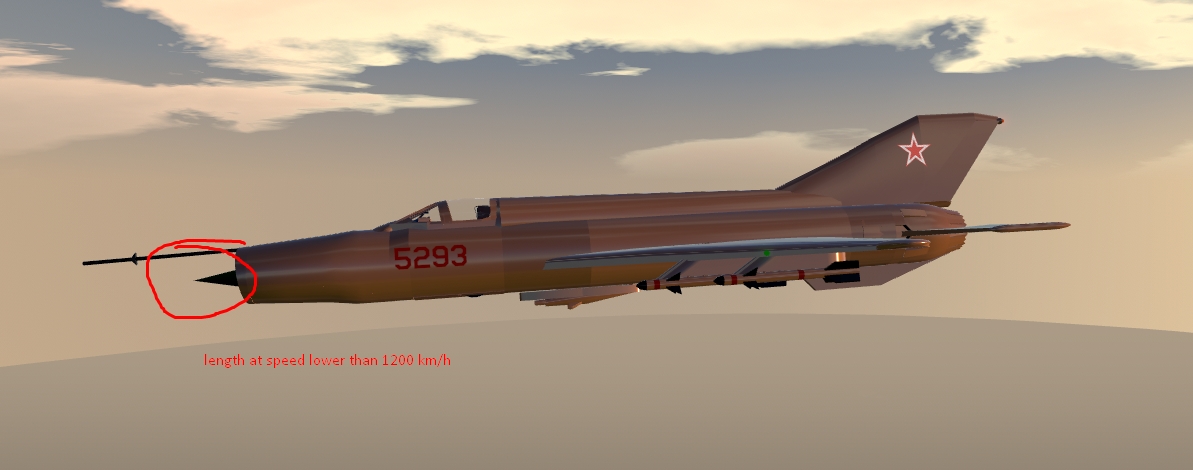
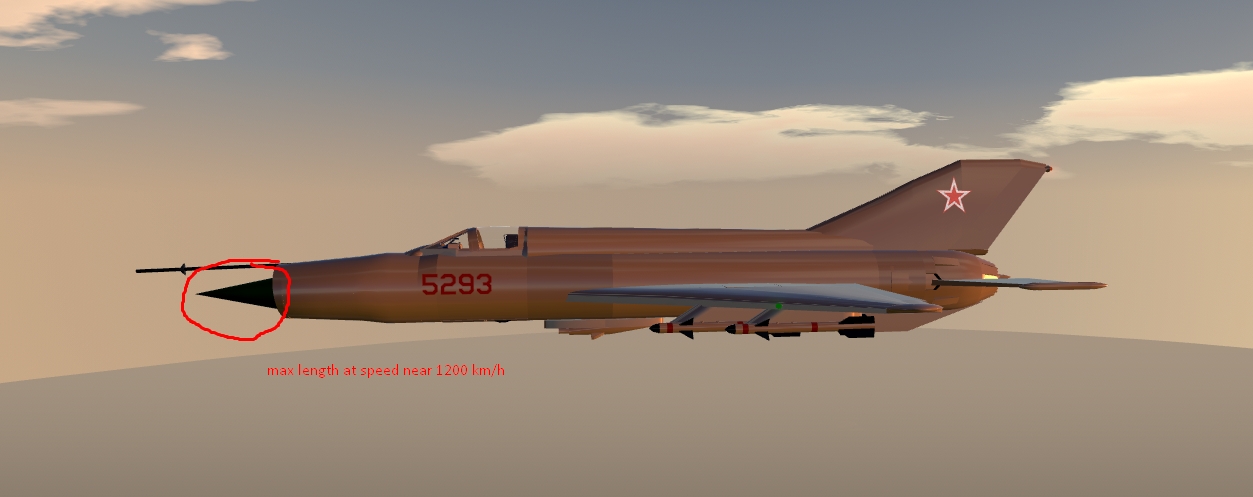
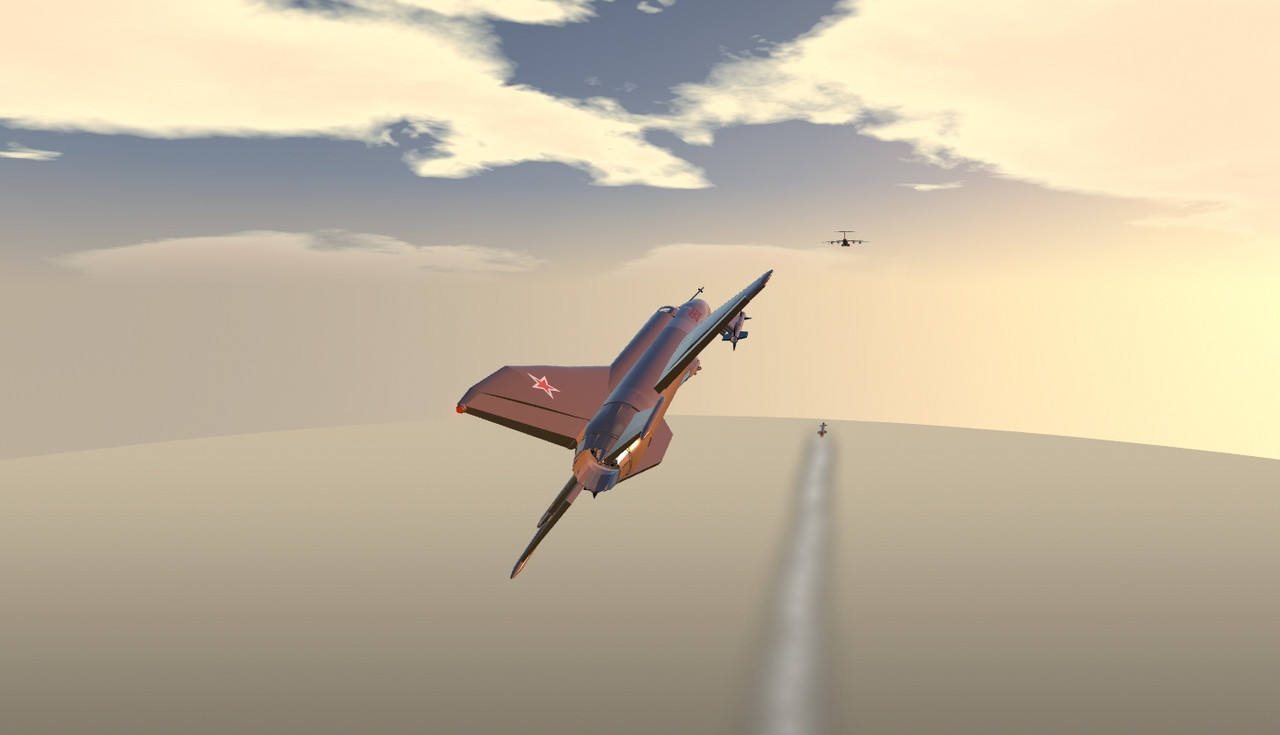
Because MiG-21 couldnt be able fly at speed of the sound, engineers decided to make moving nose. So I edited and realised it here
The MiG-21 in the Vietnam War
The MiG-21's most famous combat trials came during the Vietnam War, where it faced advanced American aircraft like the F-4 Phantom II. The Vietnamese People's Air Force (VPAF) received its first MiG-21s in 1966.
Role and Tactics
The VPAF used the MiG-21 primarily as a high-speed interceptor. Its strengths—rapid acceleration, a high service ceiling, and a small visual profile—were perfectly suited for "hit-and-run" tactics. Guided by ground controllers, MiG-21s would lie in wait at low altitude to avoid radar detection, then rocket upwards to ambush American strike formations. They would make a single, high-speed slashing attack, often firing their missiles before American escort fighters could react, and then dive away to safety. This tactic was highly effective against bomb-laden F-105 Thunderchiefs.
Key Engagements and Evolution
The battle between the MiG-21 and the F-4 Phantom was a classic matchup of contrasting philosophies: a lightweight, agile interceptor versus a heavy, powerful multi-role fighter. American pilots noted the MiG-21's advantages in turn rate and acceleration at certain speeds.
Operation Bolo (January 2, 1967): This mission was a famous American trap. U.S. F-4 Phantoms, flying the same routes and patterns as bomb-laden F-105s, lured MiG-21s into a large-scale dogfight. The Americans claimed seven MiG-21s shot down without loss, forcing a major reassessment of VPAF and Soviet tactics.
Persistent Threat: Despite such setbacks, the MiG-21 remained a lethal threat. Skilled Vietnamese pilots, like ace Nguyễn Nhật Chiêu, praised its speed and the accuracy of its Atoll missiles. In December 1966, MiG-21 pilots were credited with downing 14 F-105s without loss. The constant challenge posed by the MiG-21 and other Vietnamese fighters directly led to the creation of advanced U.S. training programs like the Navy's TOPGUN and the USAF's Red Flag.
Weapons and Capabilities
The MiG-21's armament evolved significantly through its many variants.
Early Models (MiG-21F/F-13): Armed with two 30mm cannons and two R-3 infrared homing air-to-air missiles, a reverse-engineered copy of the American AIM-9 Sidewinder.
Later Multirole Versions (PF, MF, bis): These variants often traded an internal cannon for improved radar and more fuel. A centerline gun pod (like the GSh-23 twin-barrel cannon) became common. They could carry up to four air-to-air missiles (a mix of infrared and later radar-guided models) and had underwing hardpoints for unguided rockets and bombs, with a maximum bomb load of up to 1300 kg.
Technical Specifications (Representative of mid/late variants)
Crew: 1
Max Speed: Approximately 2,175 km/h (Mach 2.05) at altitude
Range: Roughly 1,670 km with internal fuel; extended with external drop tanks
Service Ceiling: 19,000 meters
Engine: One Tumansky R-11 or R-25 turbojet with afterburner. The R-25 in the final "bis" model featured an "emergency power" mode, giving a dramatic thrust boost for about two minutes in a dogfight.
Key Features: A three-position variable intake cone to manage airflow at supersonic speeds, a delta wing offering low drag at high speed (but high landing speeds), and simple, rugged systems for ease of maintenance.
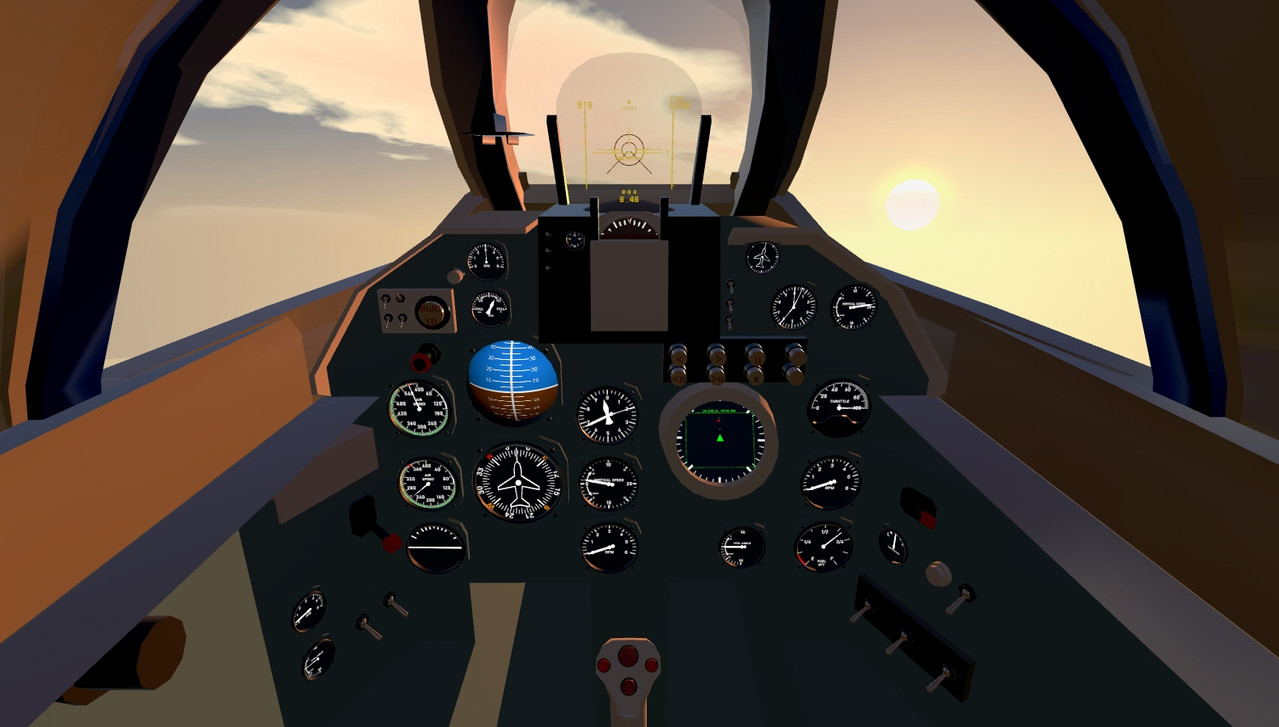
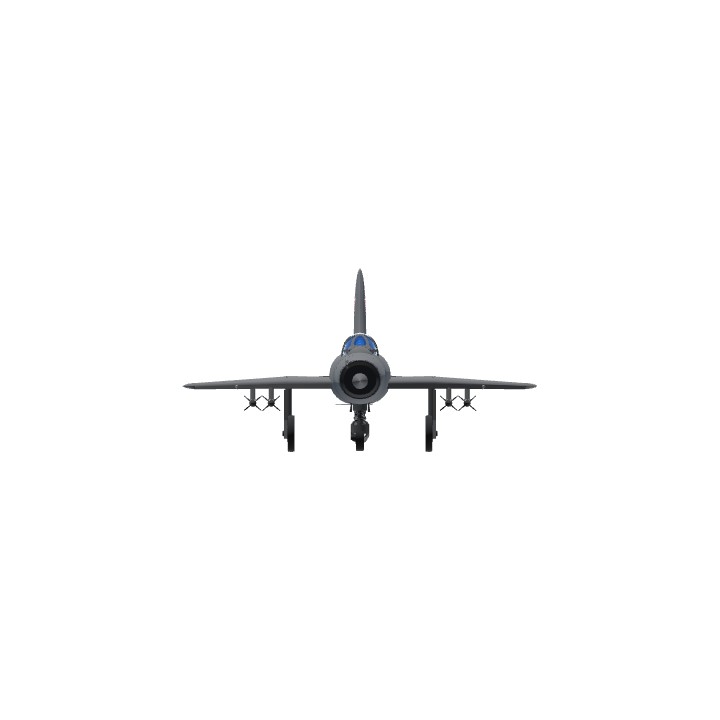
The cockpit view
The Legend's Legacy
The MiG-21's impact is measured in its staggering production numbers—over 11,400 units built in the USSR alone—and its service in nearly 60 countries. Its success proved the value of a simple, high-performance point-defense interceptor. While later generations of fighters surpassed it in radar, weapons, and multi-role ability, the "Fishbed" formed the backbone of global air forces for decades and remains in limited service today, a testament to its fundamental soundness and iconic status in aviation history.
Groups
AG2 - Jetishion of weapons
AG3 - air brakes
AG4 - Lamps
Specifications
Spotlights
- Cabbage17 14 days ago
- Pakdaaircraftindustries 14 days ago
- Kav 14 days ago
General Characteristics
- Predecessor (CLOSED) The 1960s Challenge by B1
- Created On Windows
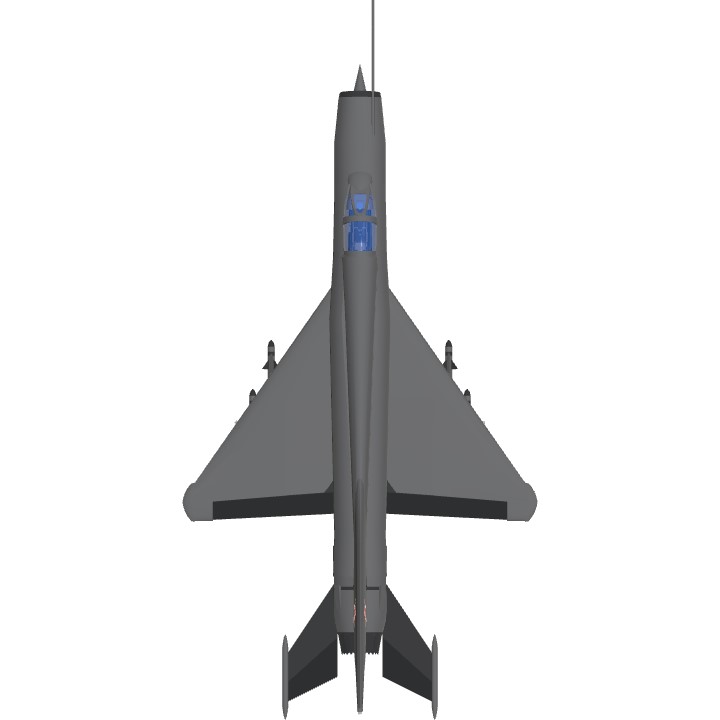
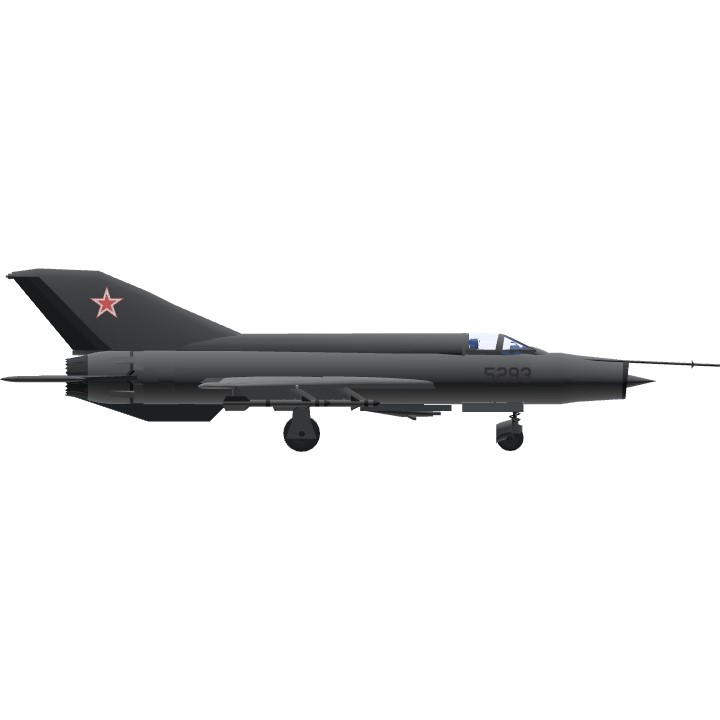
- Wingspan 23.7ft (7.2m)
- Length 48.1ft (14.7m)
- Height 12.2ft (3.7m)
- Empty Weight 8,476lbs (3,844kg)
- Loaded Weight 12,220lbs (5,543kg)
Performance
- Power/Weight Ratio 8.275
- Wing Loading 48.0lbs/ft2 (234.5kg/m2)
- Wing Area 254.5ft2 (23.6m2)
- Drag Points 3760
Parts
- Number of Parts 264
- Control Surfaces 7
- Performance Cost 1,234
@Kurizin It makes sense. I just wanted to to say it.
@Kav maybe it's true. I wanted to build a bit different cockpit, but then I looked at it and decided that I have to rebuild it and make it better. If you think that it's more be like SMT or bis - let it be. Im not that fan of mig-21
@Kav thank you!
I think it's bis or smt not f-13 my friend.
Beautiful!
@HAXEP
-> Доебался до самолёта с нихуя, видите ли ему не понравился он. Решил выебнуться что его строил но нихуя свою версию показать не может
-> Тебе надо - ты и строй
Блять я в ахуе с тебя. Сначала построй свою модель, потом на меня выебывайся, клоун
@HAXEP ну вот займись
@HAXEP ну покажи мне свою версию
@LunarEclipseSP
@B1 in the rules stated that I must tag you, so here you are