

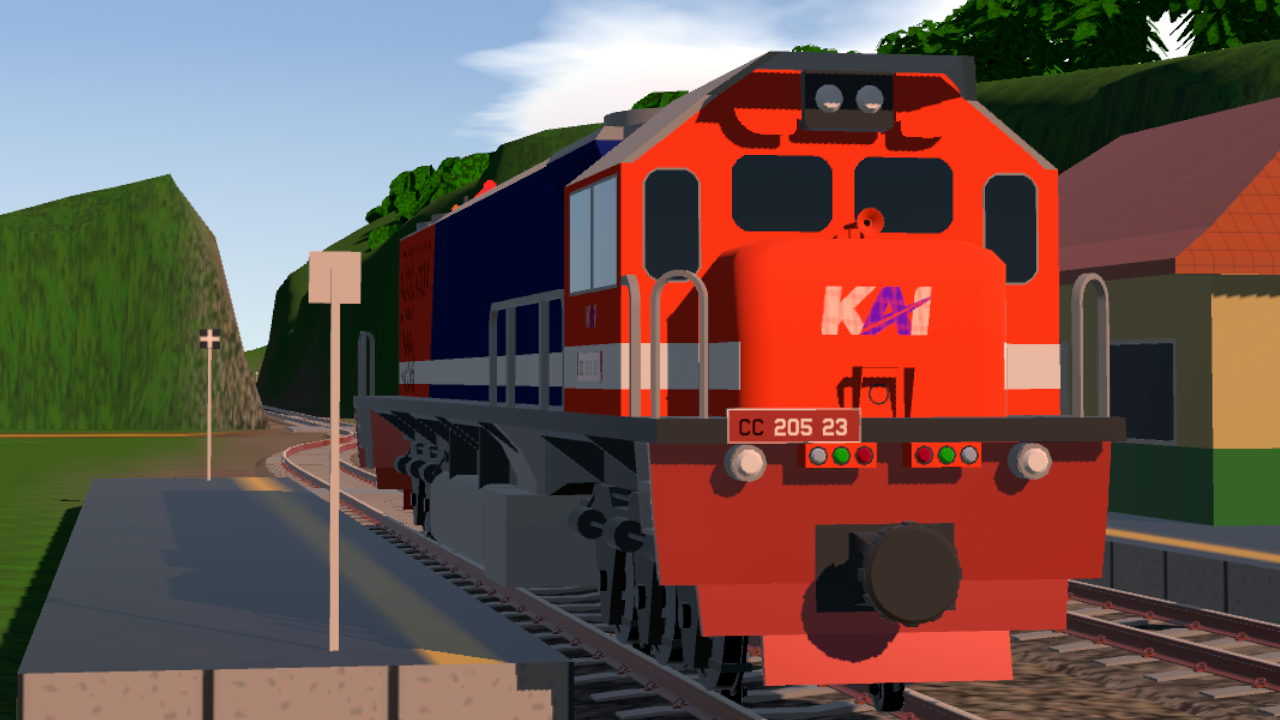
CC205 or GT38AC/e
The CC205 locomotive, officially known by its original manufacturer designation EMD GT38ACe, is one of the most powerful and modern diesel-electric locomotives operated by PT Kereta Api Indonesia (KAI), specifically assigned as the main freight locomotive on the island of Sumatra. Built by Electro-Motive Diesel (EMD)—now part of Progress Rail, a Caterpillar company—this locomotive was ordered to replace older freight workhorses such as CC201 and CC203, which had reached the limits of their performance and efficiency. With significantly higher tractive effort and modern AC traction technology, CC205 allows KAI to reallocate older locomotives to passenger services more effectively, optimizing fleet usage across both freight and passenger operations.

The first batch of CC205 locomotives arrived in Indonesia in 2011, marking a major shift in KAI’s freight strategy. The initial units were unloaded at Panjang Port, Lampung, before being deployed primarily in South Sumatra and Lampung to haul long and heavy coal trains, especially the well-known Babaranjang (long coal train) services. These trains can consist of dozens of wagons and require immense pulling power, a task that CC205 handles far more efficiently than its predecessors. Subsequent procurement batches followed in the years after, making CC205 the dominant heavy-haul locomotive type on Sumatra.
In terms of fleet size, KAI has steadily expanded its CC205 roster. Starting with a small initial batch, KAI later added dozens more units through second and third procurement phases, including additional units delivered in the early 2020s. As of the mid-2020s, the total number of CC205 locomotives owned by KAI exceeds 90 units, with most of them actively operating in Sumatra’s freight corridors. Furthermore, KAI placed a new order in 2024–2025 for additional GT38AC-series locomotives, which began arriving in 2025. These newer units retain the proven GT38AC platform but come with updated features such as improved cab ergonomics, air-conditioning, onboard monitoring systems, and enhanced safety equipment, reflecting modern operational standards.
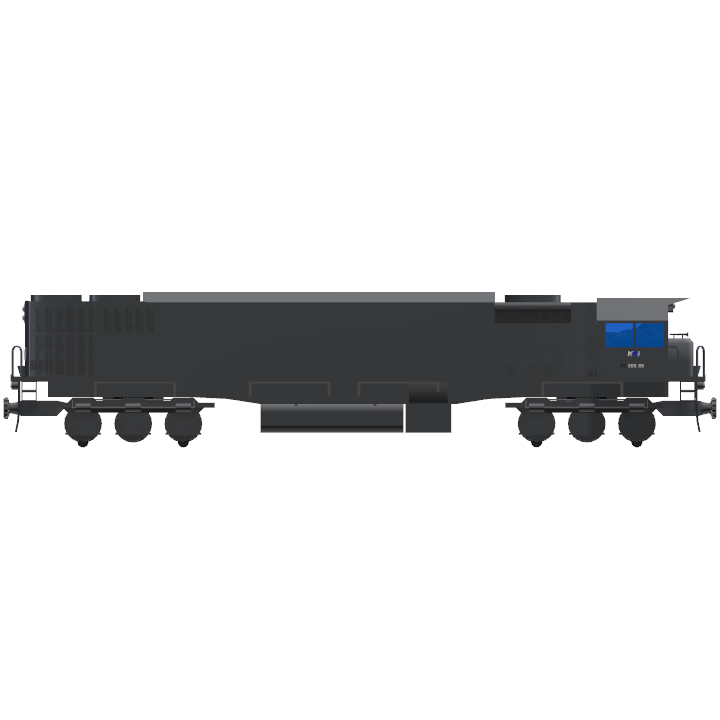
Technically, the CC205 is equipped with an EMD 710-series V8 diesel engine, producing more than 2,200 horsepower, paired with a full AC-AC traction system. It uses a Co’Co’ wheel arrangement, weighs over 100 tons, and is designed for heavy hauling under demanding track and climate conditions. Compared to DC-traction locomotives like CC201 and CC203, the AC traction system offers better adhesion, reduced wheel slip, lower maintenance needs, and higher reliability—key factors for continuous freight operations in Sumatra.
Despite being a modern locomotive, the CC205 continues to wear the classic red and blue livery inherited from the PERUMKA (Perusahaan Umum Kereta Api / State-Owned Railway Company) era, rather than adopting a fully new design. This choice is largely driven by fleet identity continuity and operational tradition, as the color scheme has long been associated with heavy-duty locomotives in Indonesia. While the corporate logo has been updated to the modern PT KAI branding, the overall visual appearance remains intentionally familiar.
Finally, CC205 is often compared to its “different-lineage sibling,” the CC202, which was manufactured by General Electric (GE) and introduced decades earlier. Although CC202 played a crucial role in Indonesia’s rail freight history, it relies on older engine technology and conventional traction systems, making it less efficient and less powerful than CC205. This technological gap explains why KAI gradually shifted its heavy freight operations to the CC205 platform, positioning it as the backbone of modern rail freight transport in Sumatra.
Controls
VTOL : Forward/Reverse
AG-1 : Main spotlight
AG-2 : Rear main spotlight
AG-3 : Single shunt marker light
AG-4 : Single shunt marker light (reverse)
AG-5 : Fog lights
AG-6 : Rear fog lights
AG-7 : Activate coupler
AG-8 : Engine
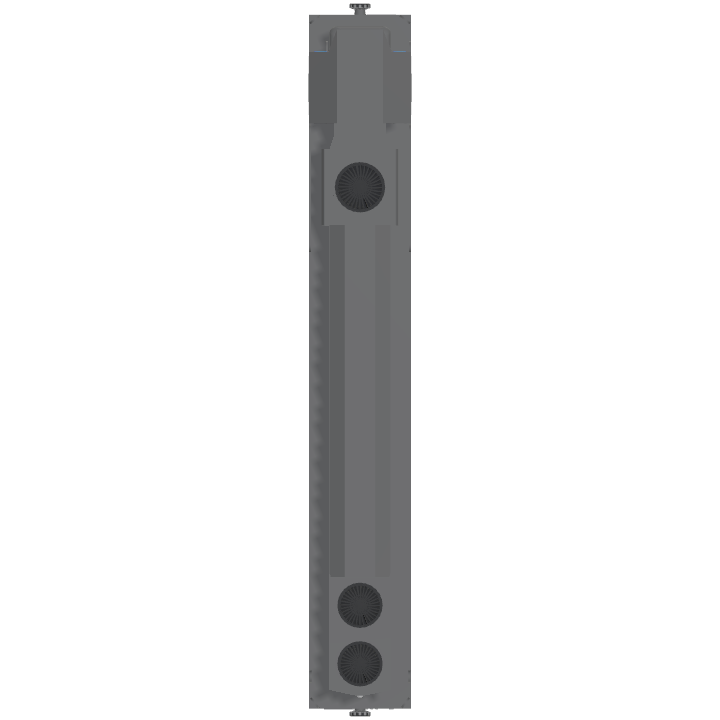
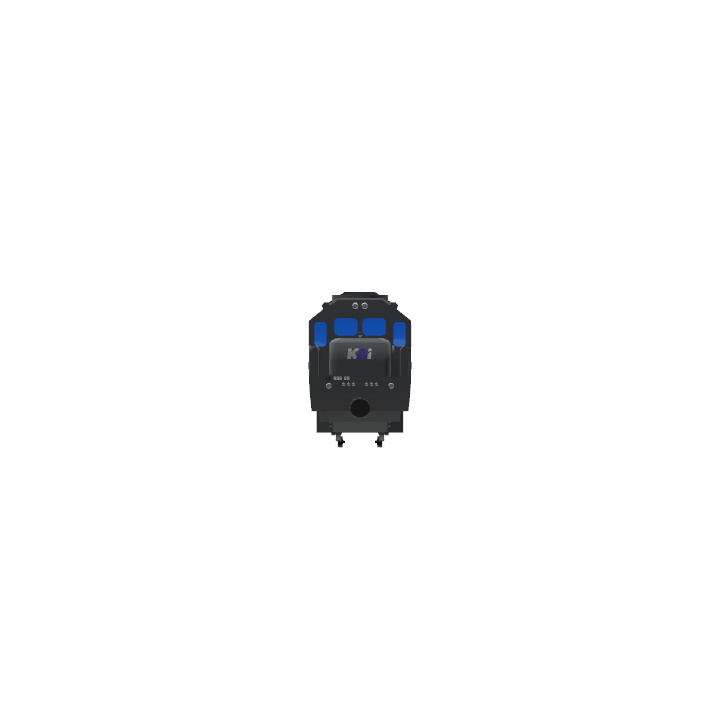
If you're curious about the boxes at the front and rear of the train, they're actually covers for switches. These switches connect the locomotives to enable double traction, allowing the driver of the front locomotive to simultaneously control the rear locomotive. Cables are connected between the locomotives, and it looks like a mating system.

By the way, let me give you a little insight into locomotive license plate numbering in Indonesia. There are two versions of license plates: 00-000-00-00 and 00-000-00.
00-000-00-00 is more commonly used because it directly refers to the locomotive's registration number.
For example: CC-201-83-49
CC: 3-wheel configuration per bogie
201: Train series
83: Year of service, 1983
49: Serial number of the train during the same service period.
00-000-00 is used for some locomotives, not specifically, but still in use. For example, like this locomotive I built:
CC: Confirmation of 3 wheels per bogie
205: Locomotive series
23: Serial number Something like that.
BB: 2-wheel configuration
For example: BB200, BB303, BB205.
CC: 3-wheel configuration
Examples: CC200, CC201, CC203, CC202, CC300, and so on.
D: Typically only used for steam trains with a 4-wheel main configuration.
The double letters in CC and BB refer to the number of bogies, namely 2 bogies with 3 wheels for CC, and 2 Wheels for BB.
Specifications
Spotlights
- DDVC 1 hours ago
- ChihiroFujisaki 2 hours ago
General Characteristics
- Predecessor CC205 [EMD GT38ACe]
- Created On Windows
- Wingspan 8.3ft (2.5m)
- Length 57.9ft (17.6m)
- Height 14.0ft (4.3m)
- Empty Weight 4,038lbs (1,831kg)
- Loaded Weight 54,718lbs (24,819kg)
Performance
- Wing Loading N/A
- Wing Area 0.0ft2 (0.0m2)
- Drag Points 13412
Parts
- Number of Parts 349
- Control Surfaces 0
- Performance Cost 1,128
@Cadvalto Jangan whoos dulu dawg 🗿. Keren lokomotifnya bro!
@DDVC Terimakasih karena telah membuat map sebagus ini dawh, btw bikin rute Whoosh dong 😋
@IMCI
@KF
@SumateraIndustries
@RB107
@ShadowHeavyIndustry
@Yatata77