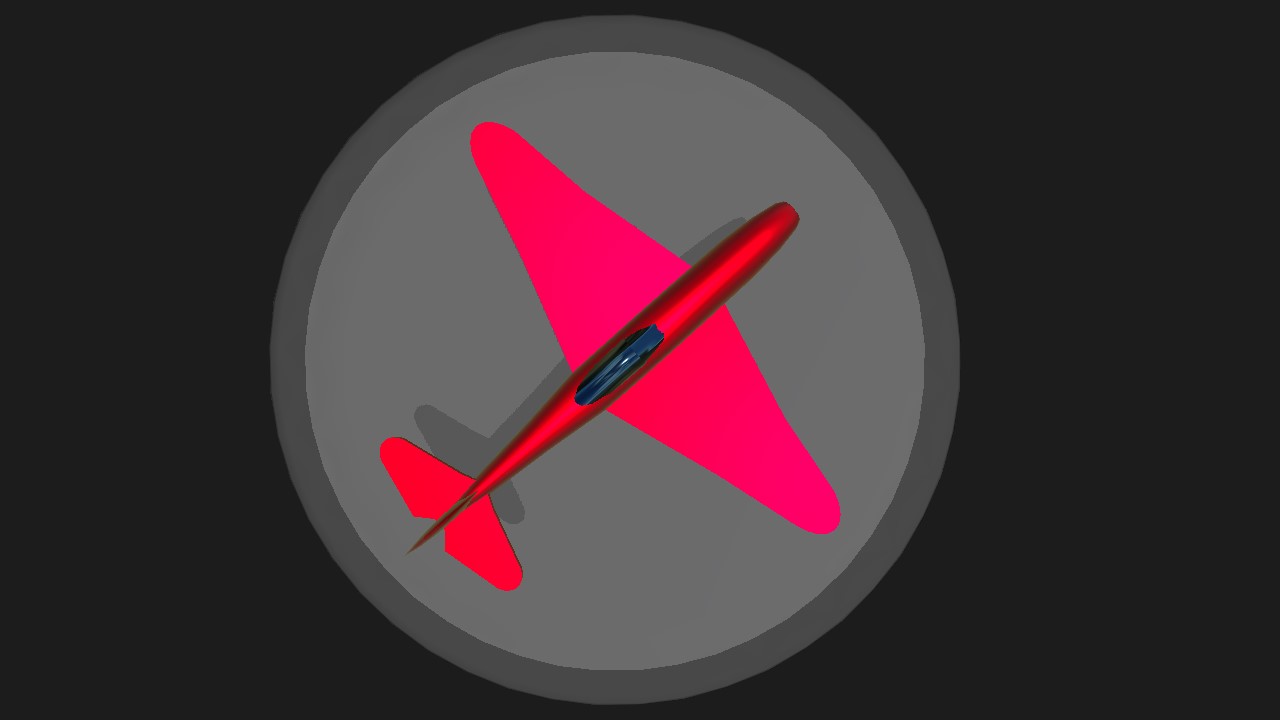
The flying red's first whistle~
Yakovlev Yak-15 Feather
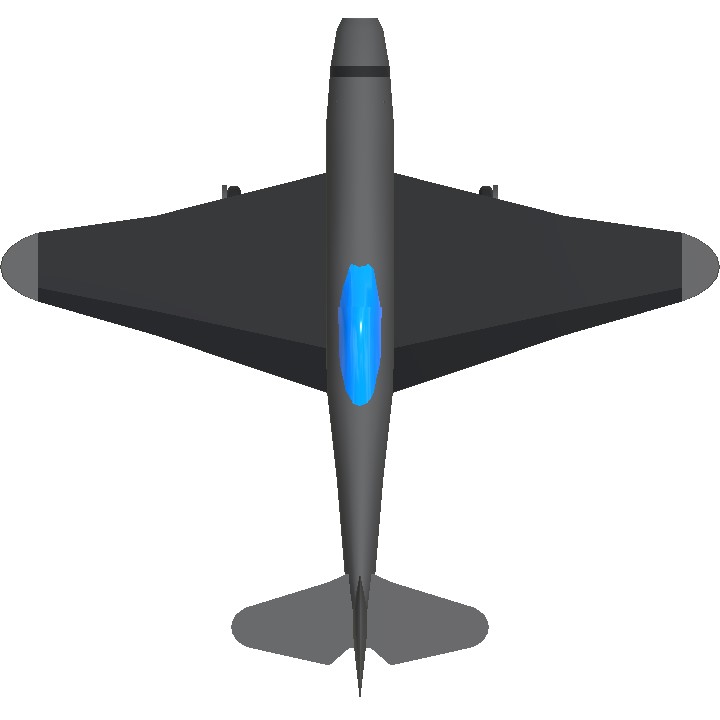
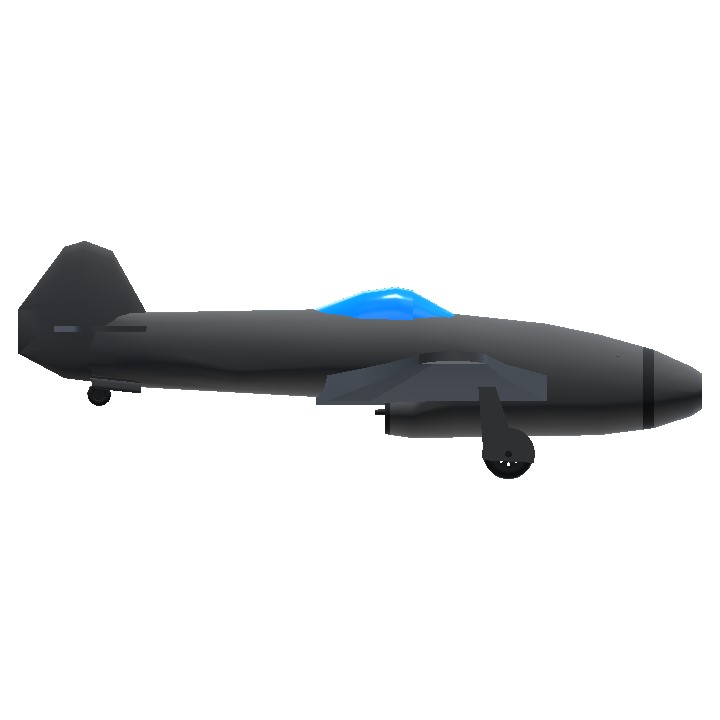
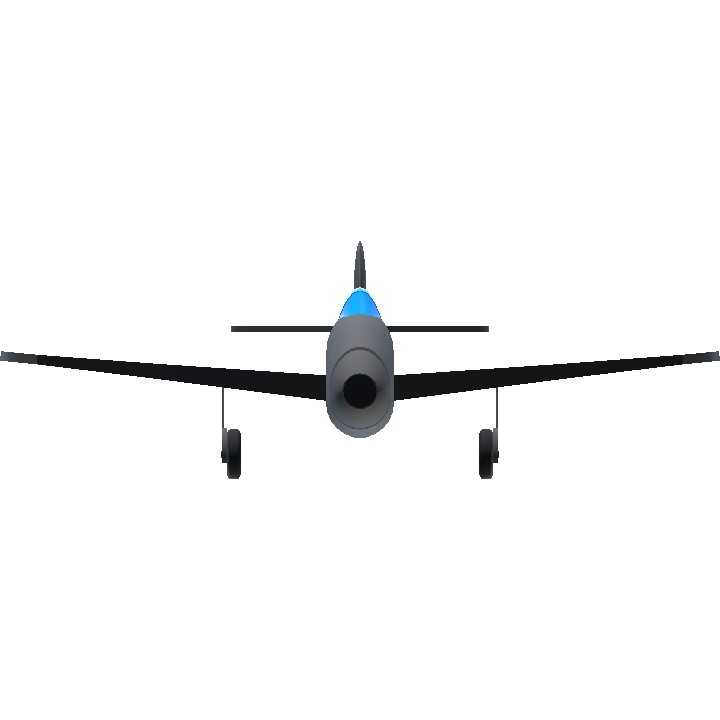
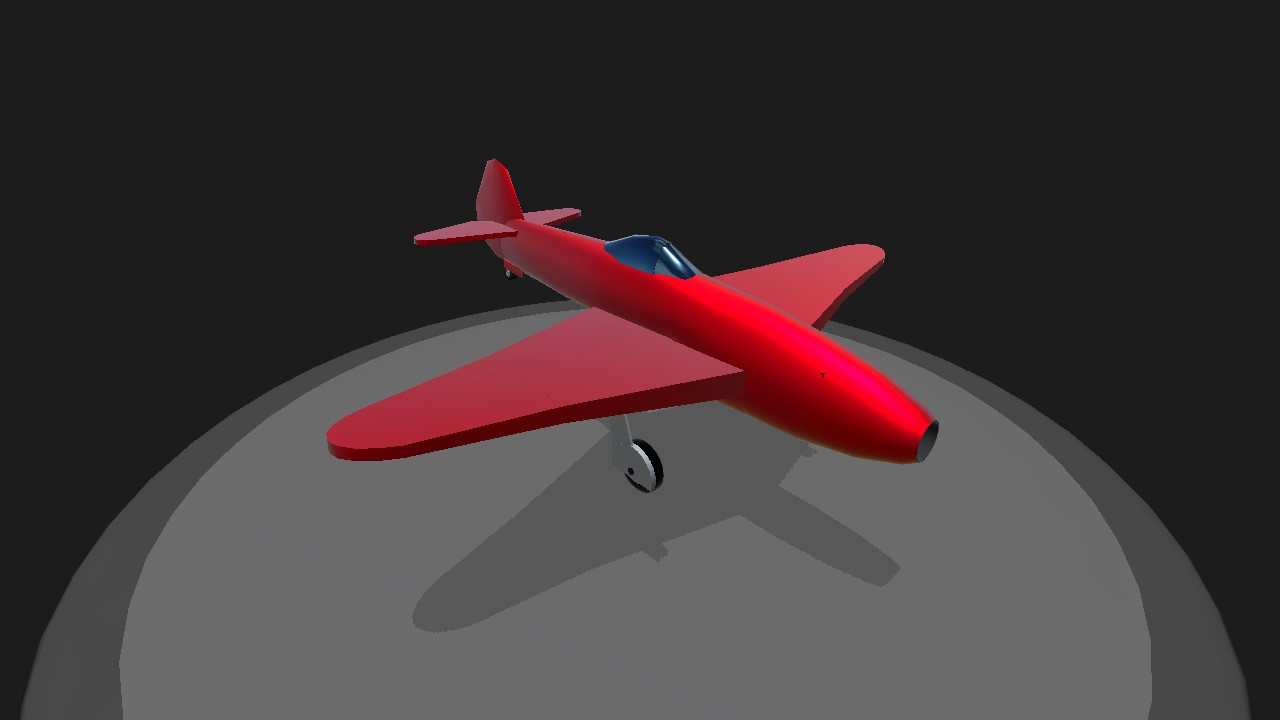
The Yakovlev Yak-15 (NATO reporting name: Feather, USAF/DOD designation Type 2) is a first-generation Soviet turbojet fighter developed by the Yakovlev design bureau (OKB) immediately after World War II. Being as an essential Yak-3 piston-fighter fuselage adapted to accept a single axial-flow turbojet (initially captured/copy of the German Jumo 004 (as seen as Me 262 fighter jets), later the RD-10). The Yak-15 and the Swedish Saab 21R were the only two jets to be successfully converted from piston-power to enter production. Made it's first flew in 1946, 280 aircraft were built in 1947 but only one example survived (Yellow 37). Although nominally a fighter, it was mainly used to qualify piston-engine-experienced pilots to fly jets rather than as a frontliner combat type. It was praised for easy handling and good maneuverability inherited from the Yak-3, but suffered from very short endurance, fragile early engines and heat/exhaust problems from the under-fuselage engine installation.
Possible Aircraft Nicknames:
“Pod-and-boom" : A descriptive label rather than a formal nickname: the deeper forward fuselage and under-fuselage engine give the Yak-15 a pod-and-boom appearance. It’s a handy shorthand among modellers and historians.
“The Trainer” / “Transition Yak” : Because the Yak-15’s operational use was overwhelmingly to convert piston-aircraft pilots to jets, in pilot memoirs and on community message boards it’s often referred to informally as “the trainer” or a “transition Yak.” This shows up especially in flight-sim and historical training threads.
Just add yours in the comments, let's discuss :)
C O N T R O L S
Trim : Flaps, cruising 'rotate' adjuster
VTOL : Further flaps
Specifications
General Characteristics
- Created On Android
- Wingspan 34.6ft (10.5m)
- Length 32.8ft (10.0m)
- Height 11.5ft (3.5m)
- Empty Weight 2,185lbs (991kg)
- Loaded Weight 4,732lbs (2,146kg)
Performance
- Power/Weight Ratio 9.293
- Wing Loading 11.0lbs/ft2 (53.9kg/m2)
- Wing Area 428.5ft2 (39.8m2)
- Drag Points 1281
Parts
- Number of Parts 66
- Control Surfaces 7
- Performance Cost 479