

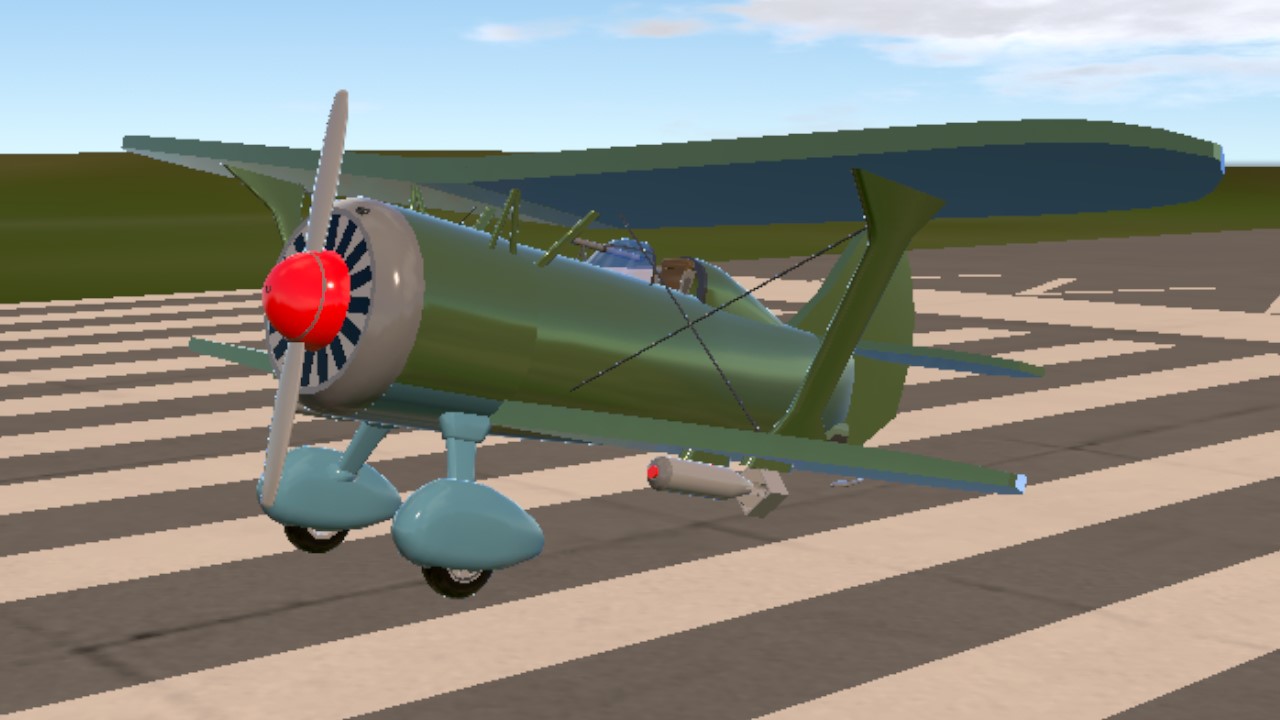
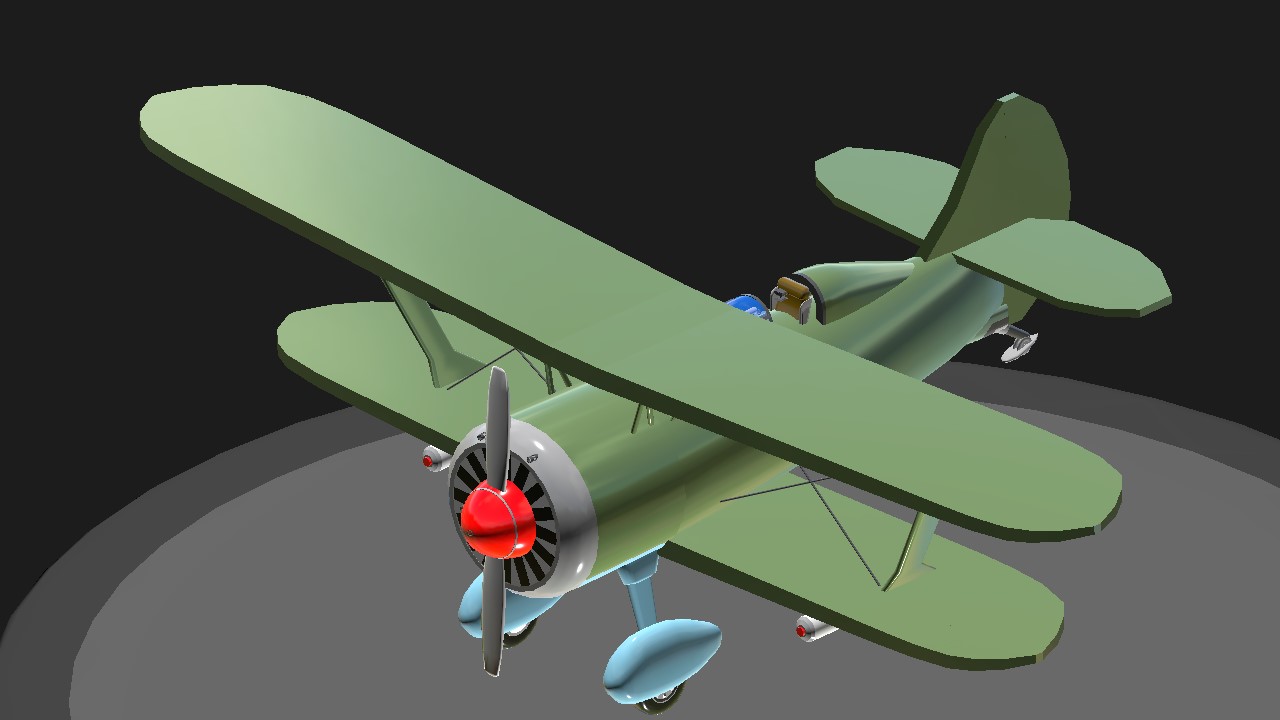
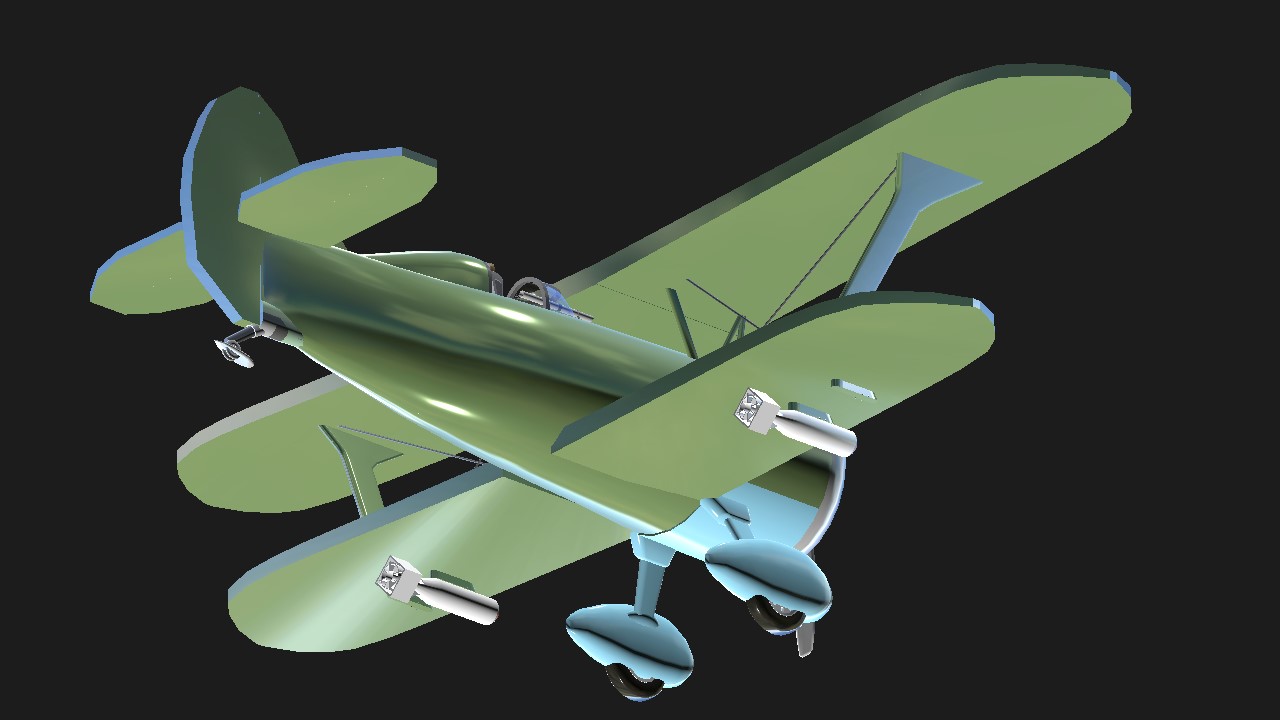
BIPLANE BIAS!
relatively good maneuverability in this replica

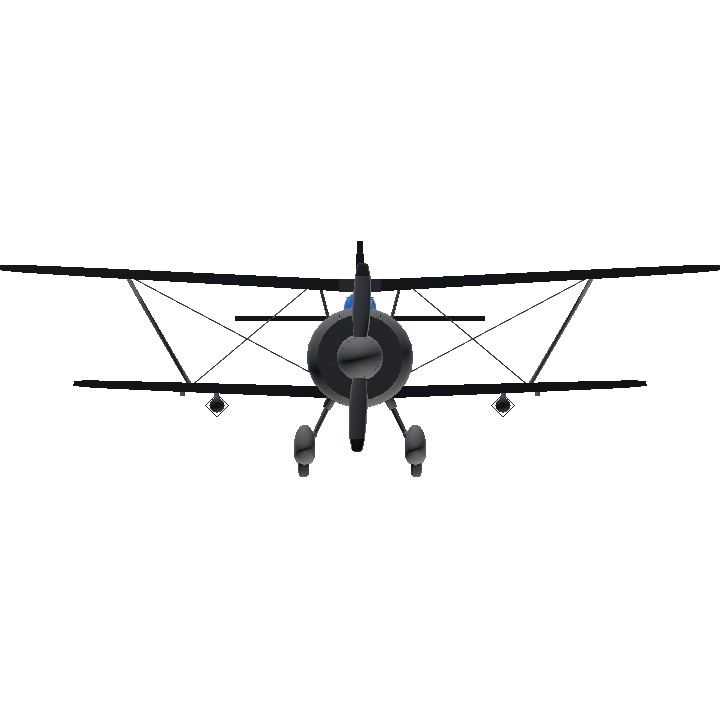
The Polikarpov I-15 (Russian: И-15) was a Soviet biplane fighter aircraft of the 1930s. Nicknamed Chaika (Russian: Чайка, "gull") because of its gulled upper wings,[2][3] it was operated in large numbers by the Soviet Air Force, and together with the Polikarpov I-16 monoplane, was one of the standard fighters of the Spanish Republicans during the Spanish Civil War, where it was called Chato (snub-nose).[4] Note, the Polikarpov I-153 was called Chaika, usually not the I-15.
Desing :
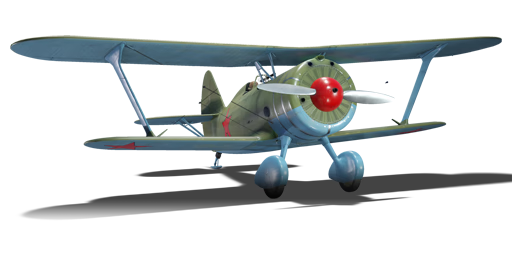
The design for the 14th fighter for the VVS, the I-14, started as an advanced (for the era) monoplane under the direction of Andrei Tupolev. He grew concerned that the design would not mature, and ordered two backup biplane designs as the I-14A and B just to be safe. Polikarpov had just been released from prison in August 1932, and was handed the I-14A project. When both the I-14 and I-14A were ordered into production, Polikarpov's design, a development of the I-5 fighter became the famous I-15.[citation needed]
The first flight was made in October 1933 with V.P. Chkalov at the controls, powered by an imported Wright R-1820 Cyclone engine.[5] The I-15, also known by its development name TsKB-3, was a small biplane fighter with a gulled upper wing. The single bay wings were of wooden construction, while the fuselage was of mixed steel and duralumin construction, with a fabric covered rear fuselage.[3]
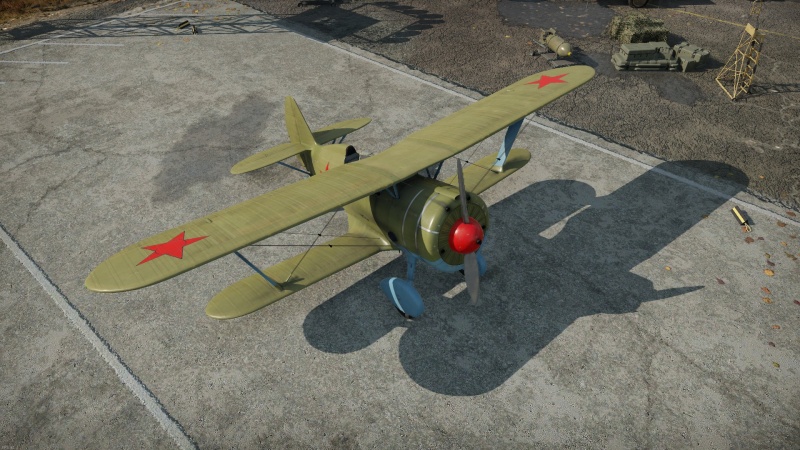
Production started in 1934, initially being powered by the Shvetsov M-22, a licence-built version of the Bristol Jupiter radial engine.[6] While less powerful than the Cyclone, the M-22 powered aircraft were still superior to the I-5 which it replaced, demonstrating excellent manoeuvrability.[3] Production switched to the 515 kW (691 hp) Shvetsov M-25 engine (a license-built, metricified Cyclone) in late 1936.[2] A total of 671 I-15s were built, 284 in the Soviet Union and a further 287 under license by CASA in Spain.[7]
The gulled upper wing of the I-15 was unpopular with some pilots, as it was felt to restrict visibility, so Polikarpov's design bureau produced a revised version, again powered by the M-25, with a longer span un-gulled upper wing.[6][2] This version, the I-15bis, commenced production in 1937,[8] a total of 2,408 I-15bis' being delivered by the time production finished in 1940.[2]
Gallery:
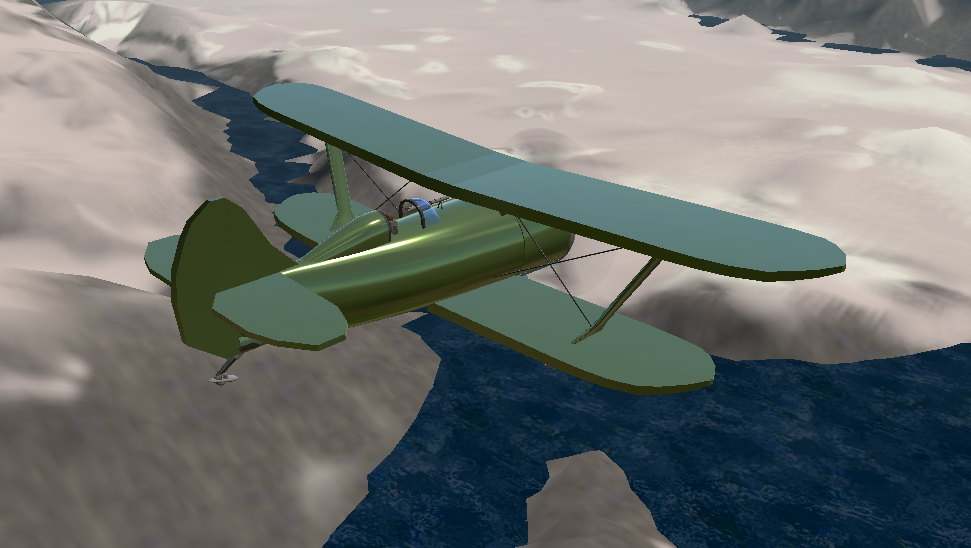
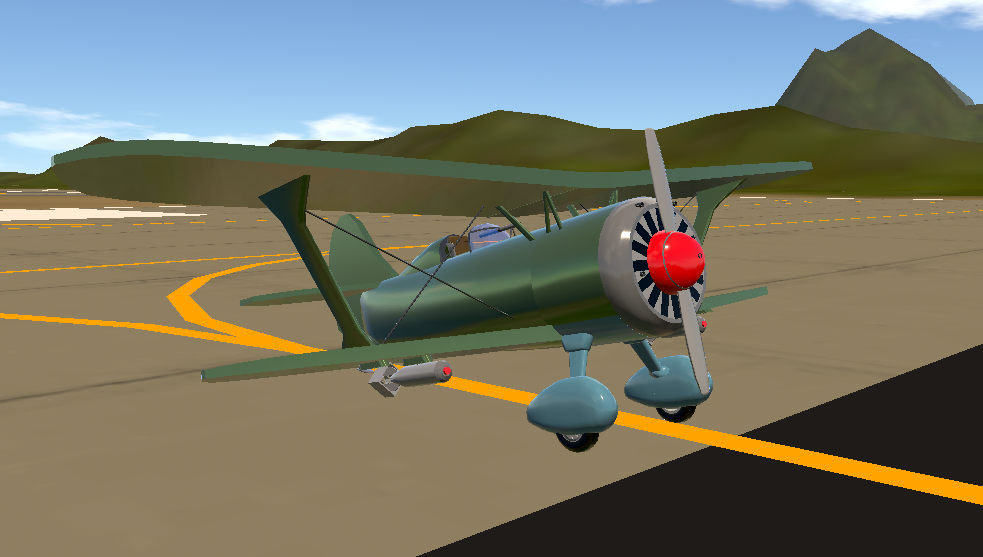
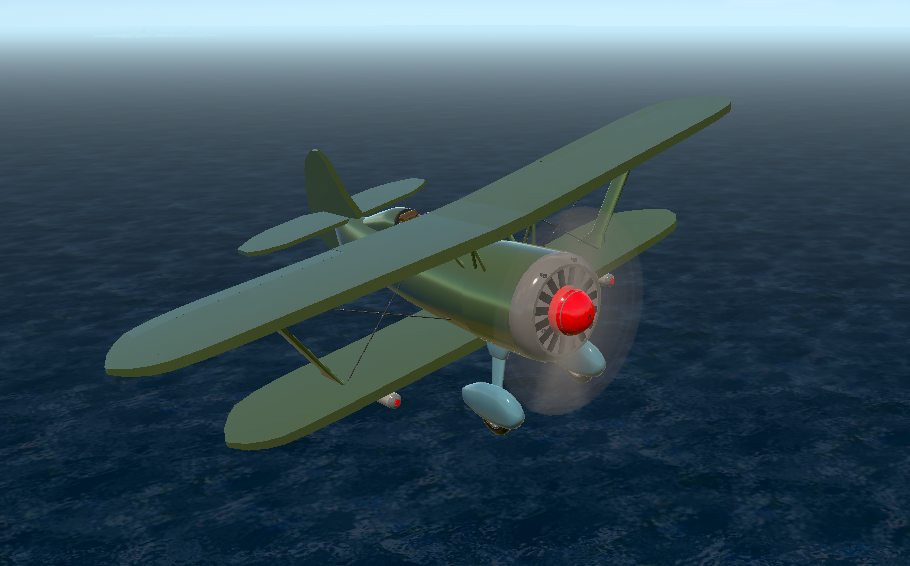
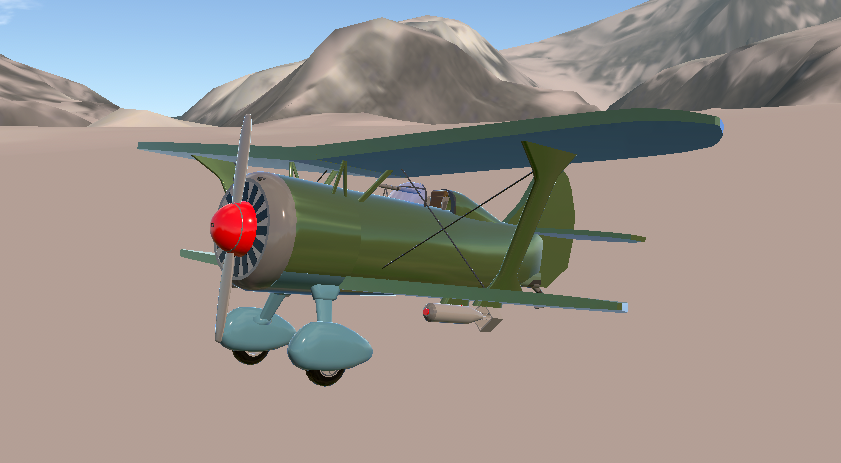
Load-out:
 X4 7.62 mm PV-1 machine gun
 X2 FAB-50SV
Specifications
General Characteristics
- Created On Android
- Wingspan 47.9ft (14.6m)
- Length 30.1ft (9.2m)
- Height 15.6ft (4.7m)
- Empty Weight 17,967lbs (8,149kg)
- Loaded Weight 30,180lbs (13,689kg)
Performance
- Horse Power/Weight Ratio 0.132
- Wing Loading 27.7lbs/ft2 (135.0kg/m2)
- Wing Area 1,091.1ft2 (101.4m2)
- Drag Points 8498
Parts
- Number of Parts 219
- Control Surfaces 12
- Performance Cost 843
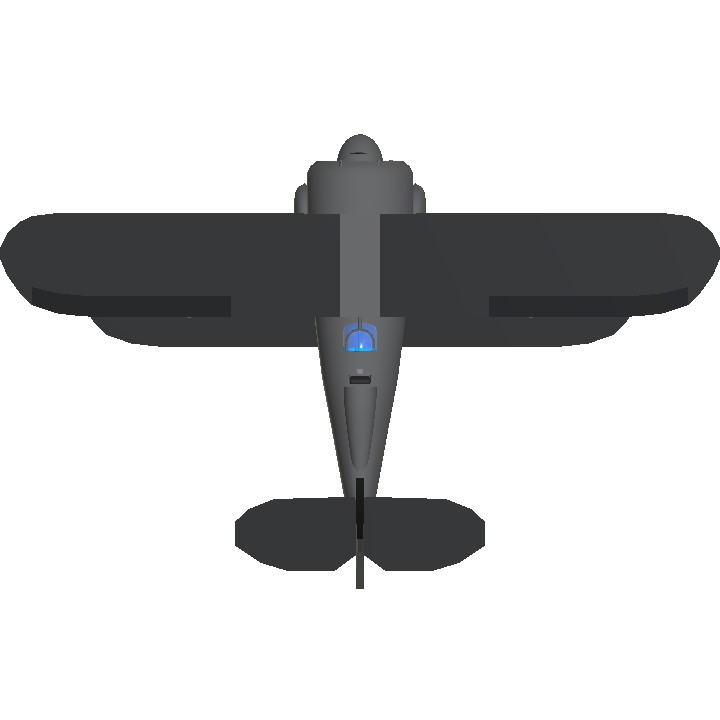
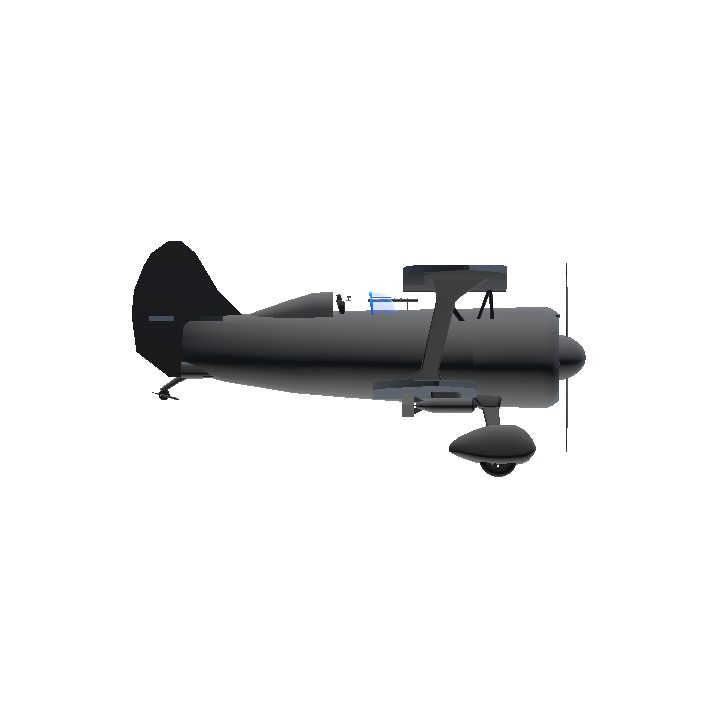
tags :
@Kav : asked to be tagged in WW2 stuff / Friends
@Kav thanks! It's really simple actually! Just a tube with some other tubes!
@Pakdaaircraftindustries Yeah :)
I liked a part so much:
It's aiming scope!
@Kav it definitely was , especially for the ramjet
@Pakdaaircraftindustries Well it was ahead from its time! It did cobra when it wasn't invented!
LOL!
:D
@Kav thanks! , I was trying to make the reactive prototype version but it was really unstable, it did a cobra 2 times and exploded lol
Personally I don't like I-15
But this one...
Is amazing!