

From Japan 🇯🇵
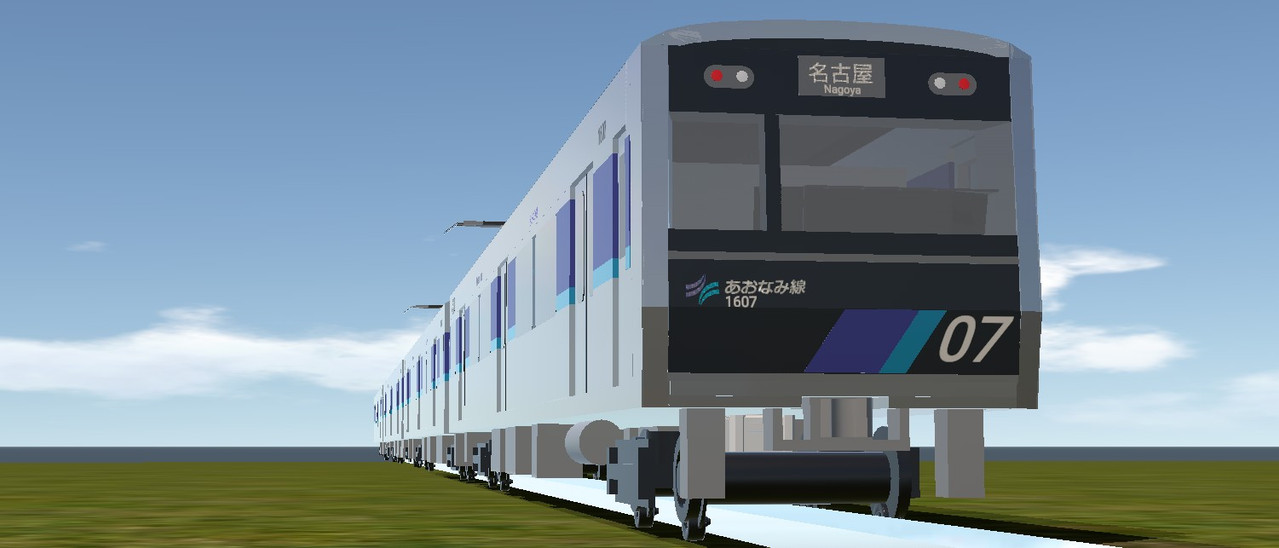
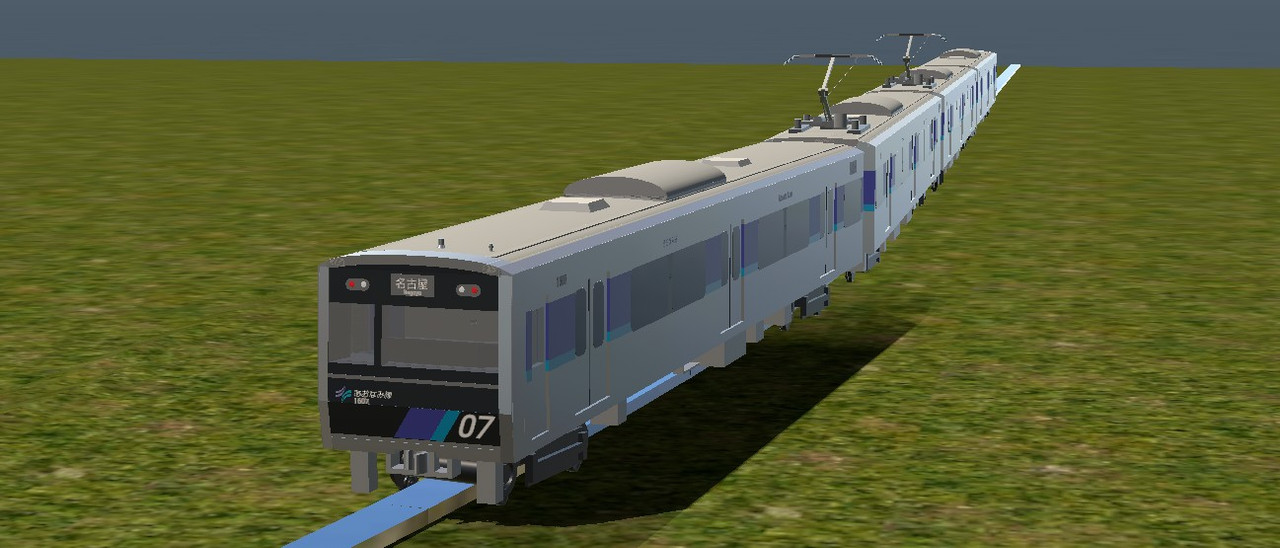


Actual vehicle (06 train)
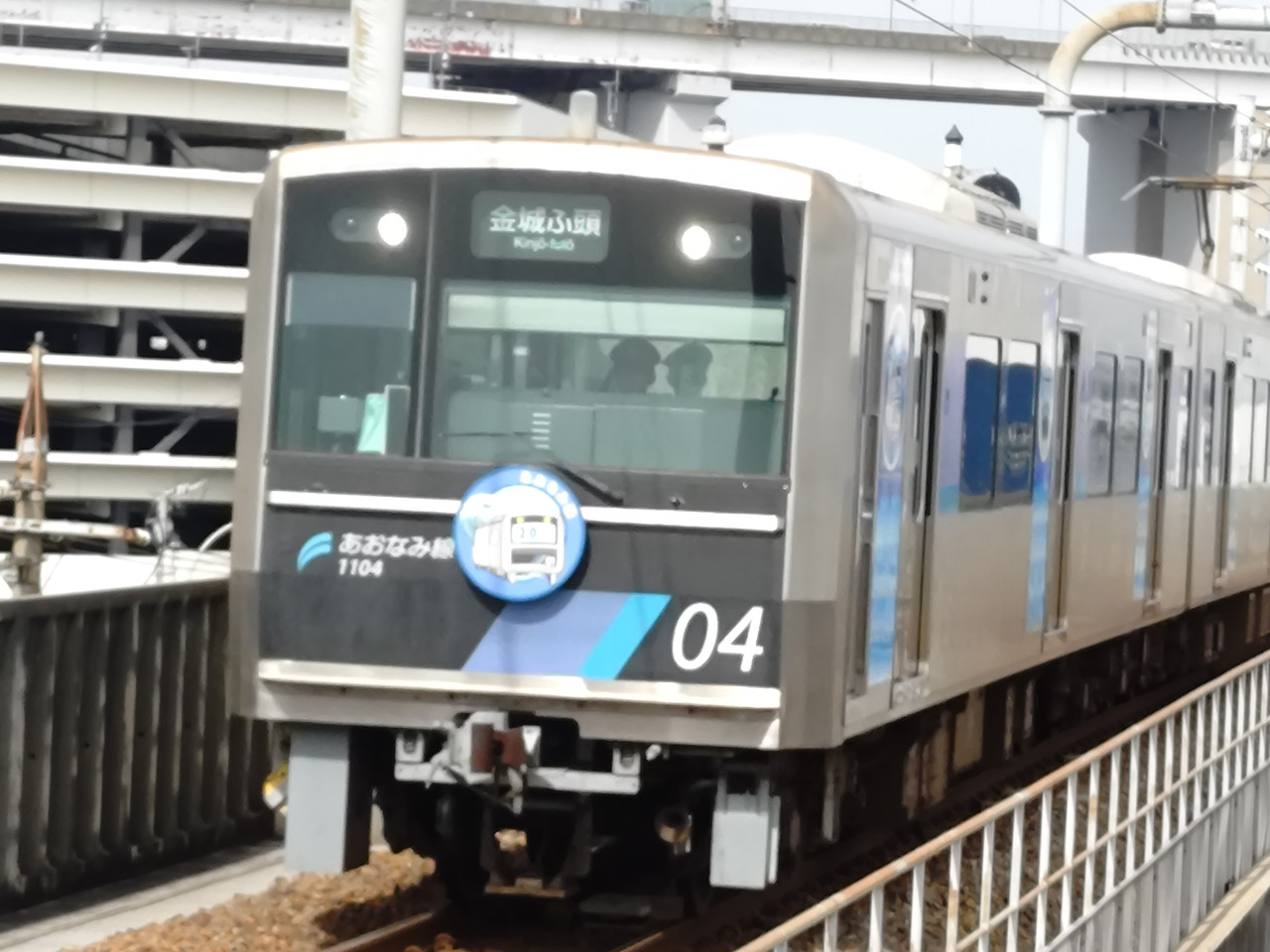
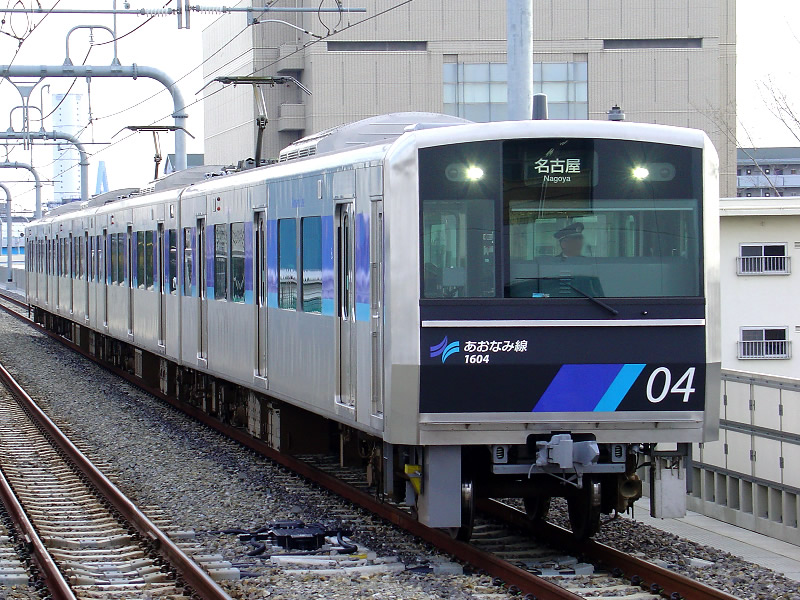
Actual vehice (04 train)
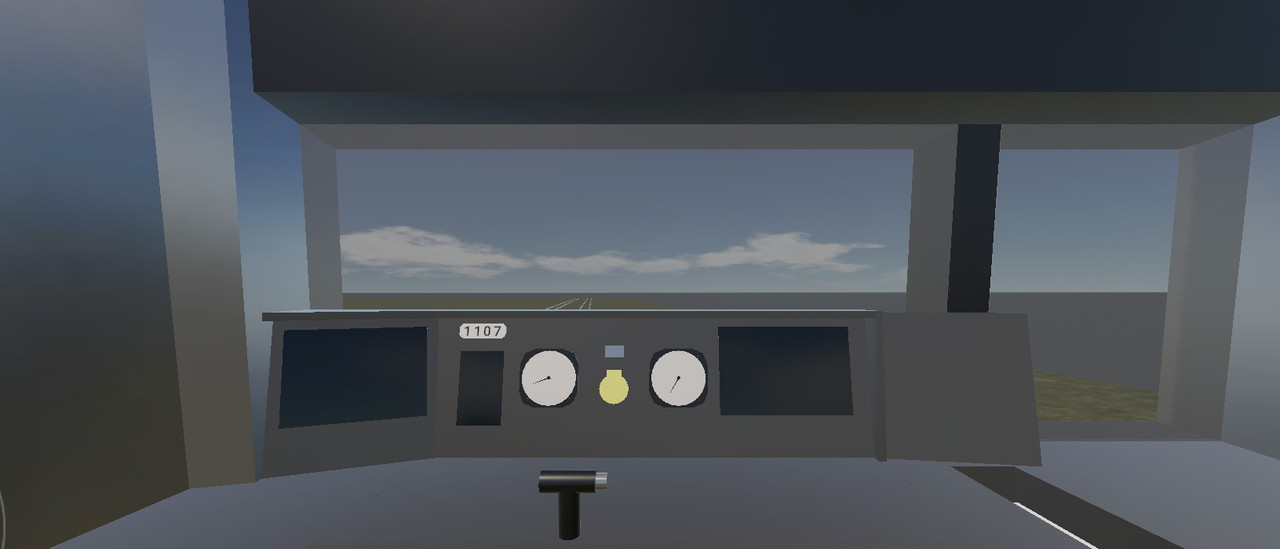
The driver's cab (don't say it's shabby and looks almost the same as it did a month ago...)
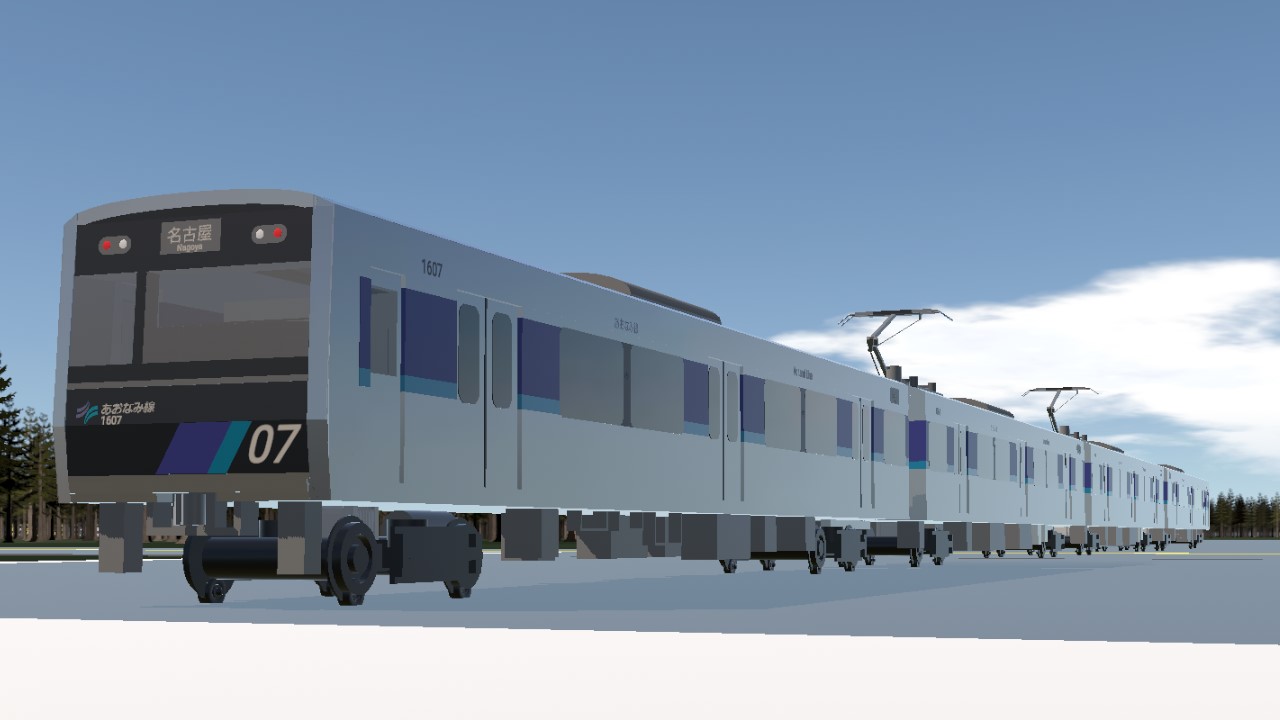
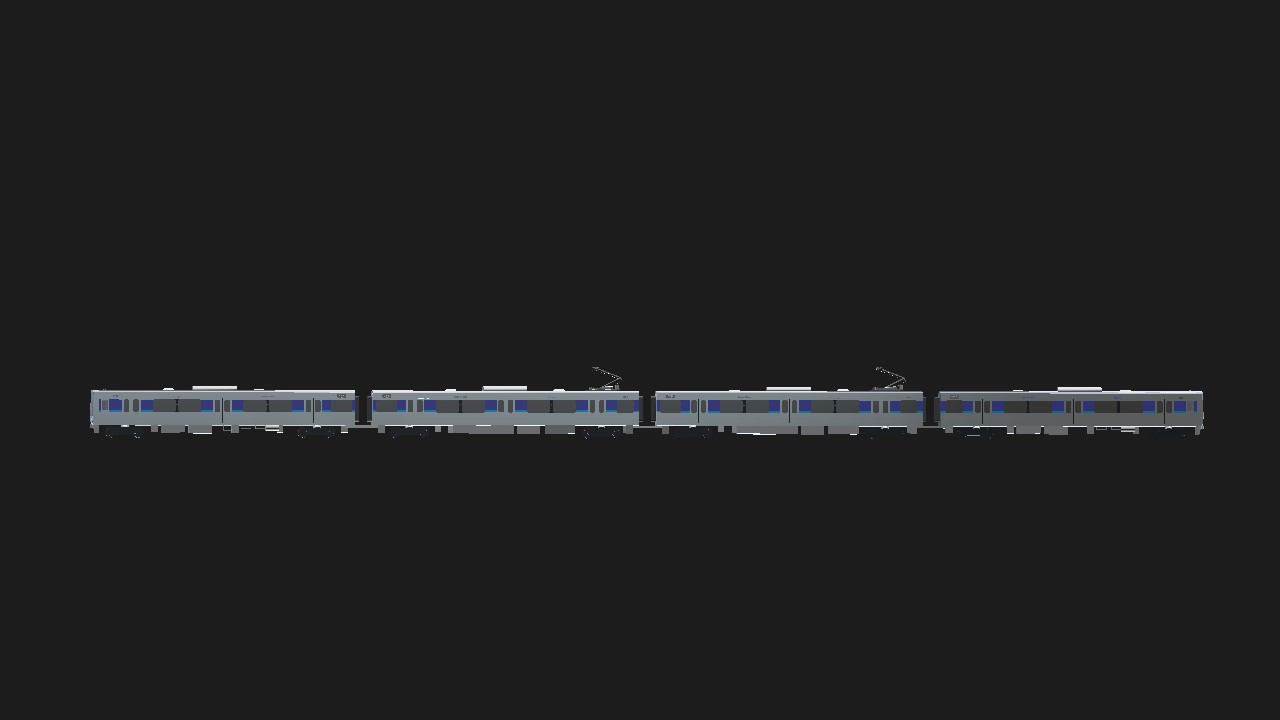
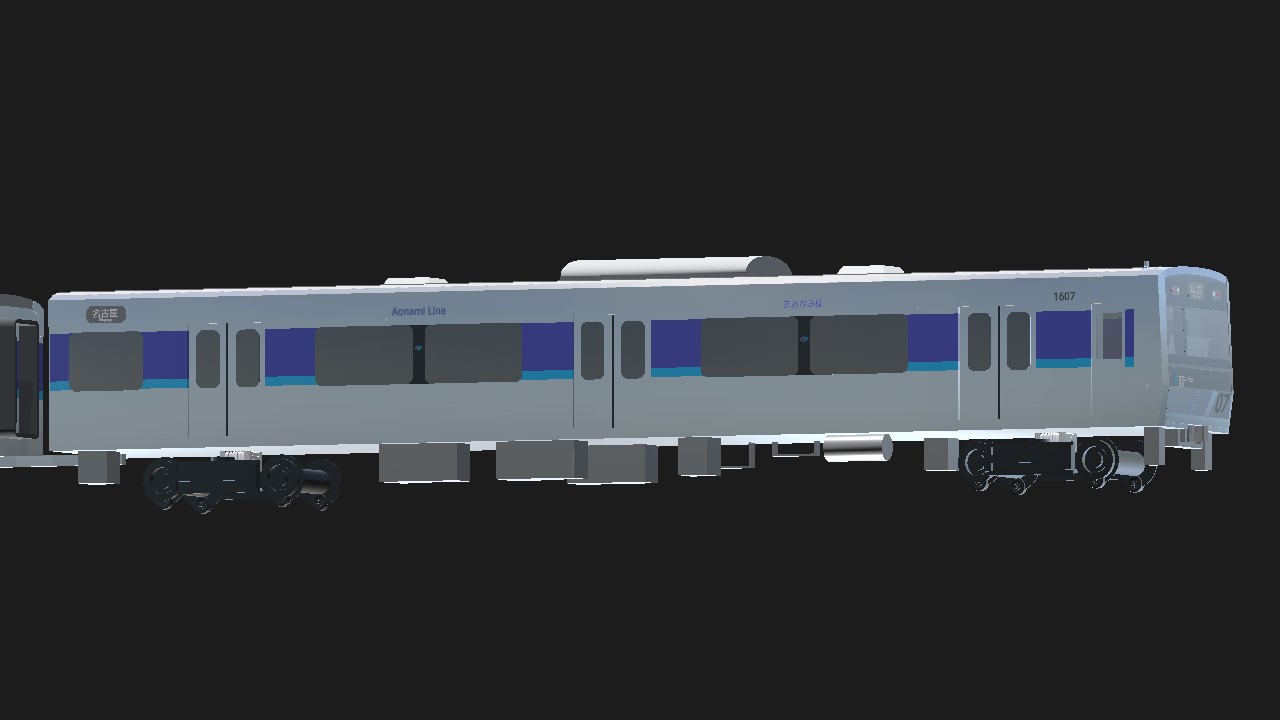
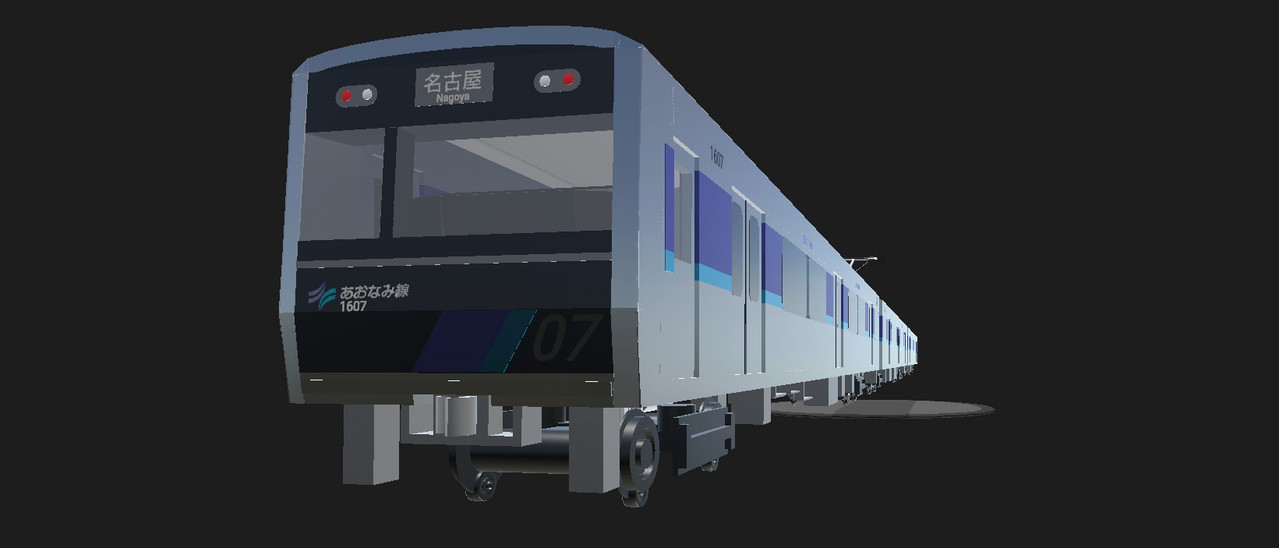
A (nearly) perfect replica of the Aonami Line 1000 series train.
*Don't worry about one faulty connection in the underfloor equipment.
If you say, "That was a huge mistake and the creators are idiots," you know what's going to happen, right?*
※Of course it's a lie. It's a big mistake. It's my fault.
Production Period
Car No. 1: Approximately 5 months
Cars No. 2-4: 1 day
I don't think you can run on any of the tracks... (I'm an Android player, so I can't test drive it)
Rescue your mobile players.
Link to mobile version, 3-car train
About Aonami Line
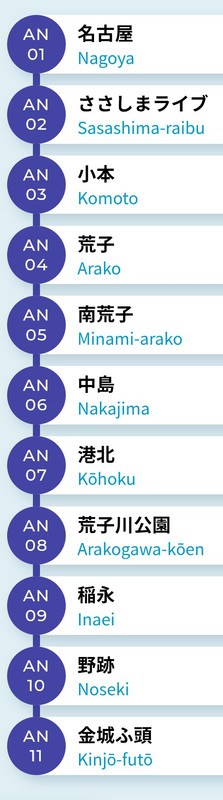
Aonami Line route map. In addition to "Nagoya" (AN-01) on the destination sign, other destinations are also shown, such as "Sasashima-raibu" (AN-02), "Arako" (AN-04), "Inaei" (AN-09), "Noseki" (AN-10), and "Kinjō-futō" (AN-11).
In order to fill the gap in the southern part of Nagoya's Minato Ward where passenger rail services were unavailable, JR Central converted the Nishi-Rinko Freight Line (Nishi-Nagoya Port Line, a freight branch of the Tokaido Main Line) owned by the Central Japan Railway Company (JR Central) into a passenger line, nicknamed the "Aonami Line," and is operating it as a Class 1 railway operator. As a business strategy, the company name is not used and the name is unified as "Aonami Line." At the same time, the facility is leased as a freight line to Japan Freight Railway Company (JR Freight), which operates a Class 2 railway business. The line effectively went bankrupt in 2011, but the prefecture and city are currently planning a business reconstruction with an investment of 44 billion yen in public funds.
It is a third-sector company with Nagoya City as the largest shareholder, and investments from three local governments (Aichi Prefecture, Nagoya Port Authority (Partial Administrative Association)) and 16 private companies. Nagoya City holds over half of the shares, at 76.9%. Aichi Prefecture holds another 12.6%, meaning the city and prefecture together hold approximately 90% of the shares, making it an extremely high proportion of public capital. Nagoya City is not under the jurisdiction of the Transportation Bureau, which is a local public enterprise, but rather the Housing and Urban Affairs Bureau (Transportation Facilities Management Division) of the Mayor's Office. However, they share many common policies with the Nagoya City Subway, which is under the Transportation Bureau's jurisdiction, and they have a very close relationship in terms of capital and management.
The largest private shareholder is JR Central, whose investment ratio changed at the end of fiscal 2010 due to capital reductions resulting from the Business Revitalization ADR described below. As a result, the city's investment ratio increased and JR Central's investment ratio decreased from 10% to 3.25%. Meanwhile, in 2010, in order to restructure the company, a former JR Central employee was appointed as the representative director. Although JR Central only has a small investment ratio, it has provided assistance by transferring railway assets between Nagoya and Nagoya Freight Terminal, and after the Aonami Line opened, by contracting for train inspections at the Kaminari Vehicle Depot and Nagoya Factory and seconding employees. It also opened its own railway museum, the SCMAGLEV and Railway Park, in front of Kinjo-Futo Station on the Aonami Line, effectively supporting the company in attracting customers.
(From Wikipedia)
About trains
The Nagoya Waterfront Area Rapid Transit 1000 series electric train is a DC commuter electric train currently operating on the Nagoya Waterfront Area Rapid Transit System.
Eight four-car trains (32 cars) were newly manufactured by Nippon Sharyo between April 19 and June 10, 2004, before the opening of the Nishi-Nagoya Port Line (Aonami Line).
While the body, interior, air conditioning, and other passenger amenities are completely different, the bogies, control devices, main motors, and other running gear are nearly identical to those of Central Japan Railway Company (JR Central)'s 313 series. This is due to technical cooperation and the shared specifications, as JR Central has invested in Nagoya Waterfront Area Rapid Transit and outsources regular inspections to the company (see below).
The lightweight stainless steel body is a fixed 4-car formation using the Nissha block construction method with three doors on each side, and the overall manufacturing cost has been reduced. The body coloring is Nagoya Rinkai Rapid Railway's symbolic color of "Violet Blue" next to the side windows (door pockets), with additional light blue. The space between the two side windows between the doors is black, with the Nagoya Rinkai Rapid Railway symbol mark placed on it, and the vehicle number and the "Aonami Line" route markings are written above the side windows.
In anticipation of future passenger demand increases, the train is designed to accommodate the addition of two intermediate cars to form a six-car formation. The couplers are automatic close-fitting couplers.
The side windows are made of green-tinted glass that absorbs heat and blocks ultraviolet rays, and blackout curtains have been omitted. The space between the doors is fixed, while the end cars are tilt-down for ventilation. There are no door pocket windows, but the window layout (slightly narrower at the end cars) and door position are the same as those of the 313 series.
The front has a non-through structure, with the sides tapered and swept back to accentuate the simple floor plan, and a matte black film is applied to create a bold image. The line is primarily elevated, with no level crossings, and platform doors are installed at every station, so the obstacle clearings are small. Lighting is provided above the front windows, with LED headlights and rear marker lights on either side of the destination indicator. The destination indicators on the front and sides are caption type.
(From Wikipedia)
Thanks
Thanks to TK109074J for the Pantograph and RepublicOfCursedPlanes for the Train Bogie.
Pantograph
Train Bogie
Mods used:
Olyoma - Thunder Bay
From Annedzsrue
Link here
Railway mod
From destroyerP
Link here
I don't like long greetings so...
Thank you for watching.
I'm using a translation. Apologies if there are any mistakes.
and...
have a nice driving~
Specifications
General Characteristics
- Created On Android
- Wingspan 13.2ft (4.0m)
- Length 397.1ft (121.0m)
- Height 25.4ft (7.7m)
- Empty Weight 407,690lbs (184,925kg)
- Loaded Weight 439,263lbs (199,246kg)
Performance
- Wing Loading N/A
- Wing Area 0.0ft2 (0.0m2)
- Drag Points 56287
Parts
- Number of Parts 976
- Control Surfaces 0
- Performance Cost 3,228

@toname @Mukhash2012 Thank you so much. I'm glad to hear that.
Amazing!
This is really amazing looking This looks beautiful