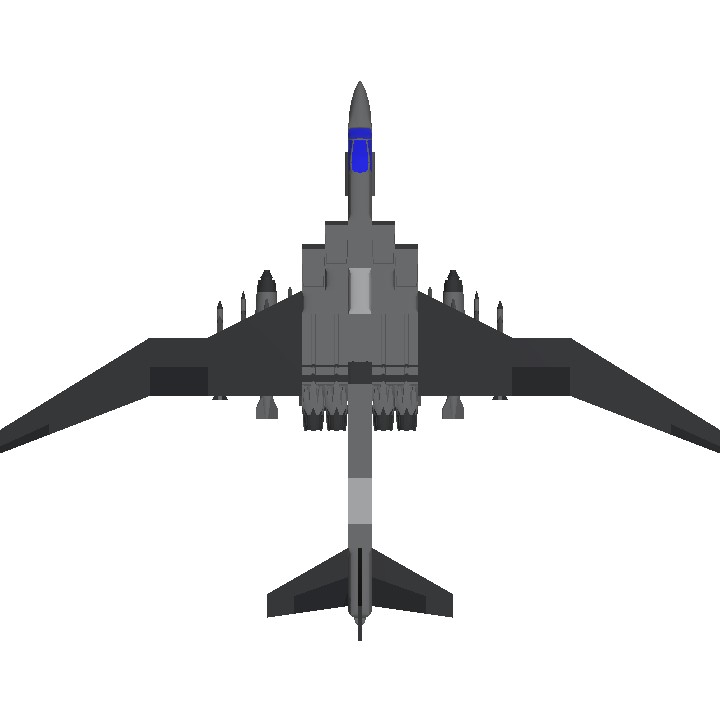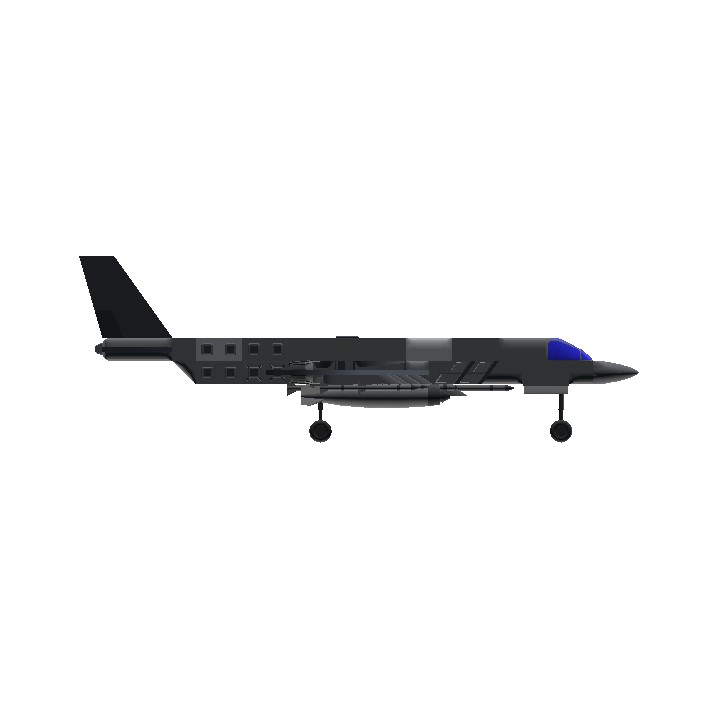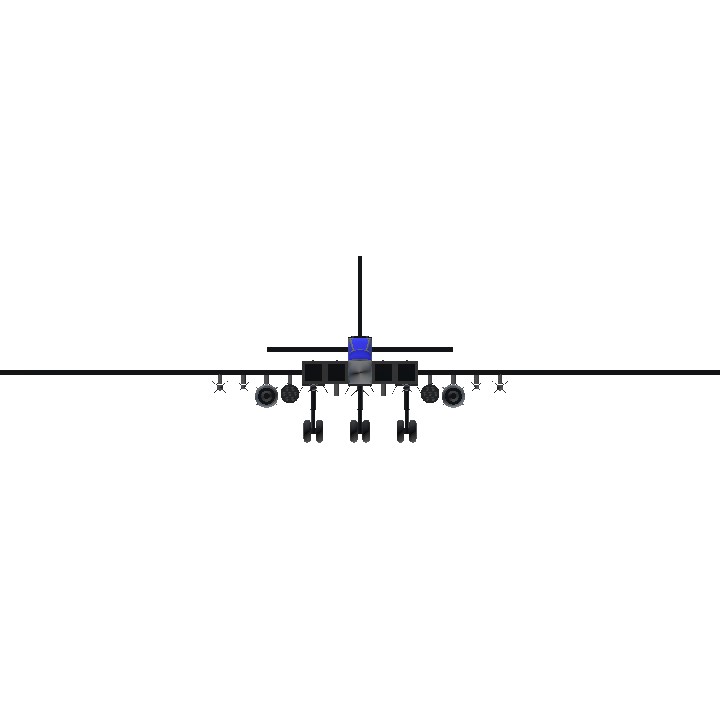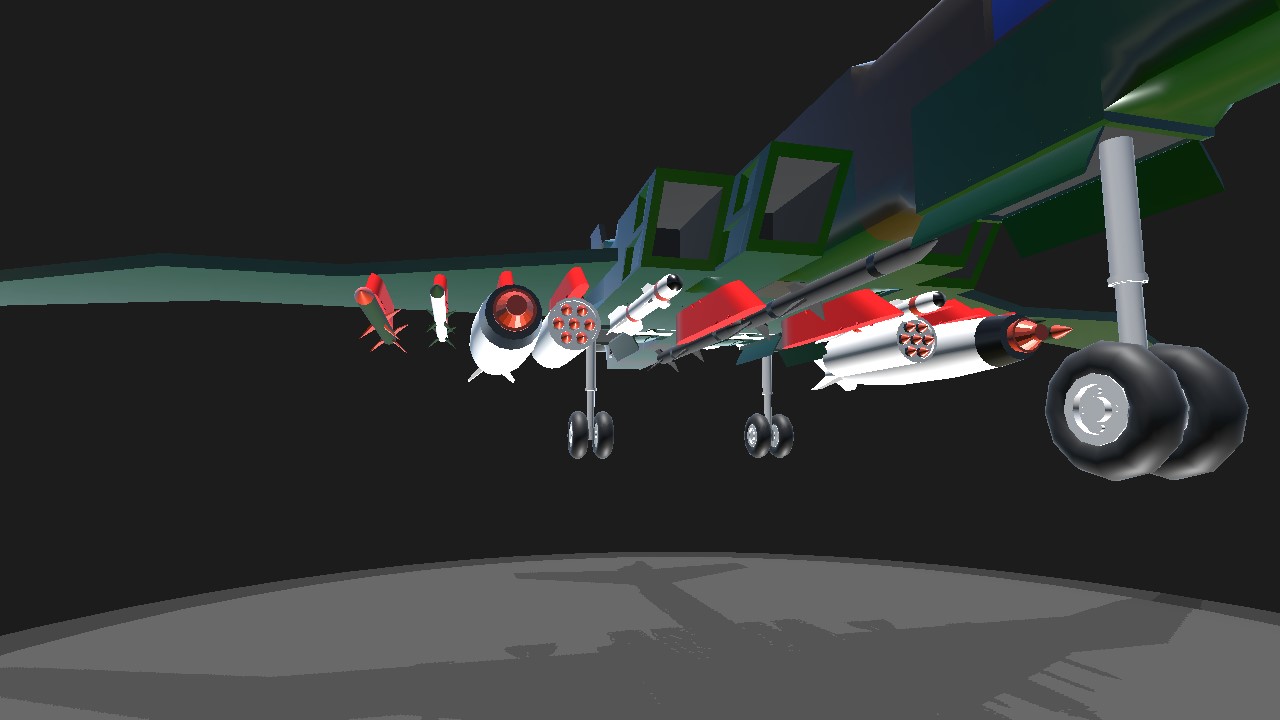
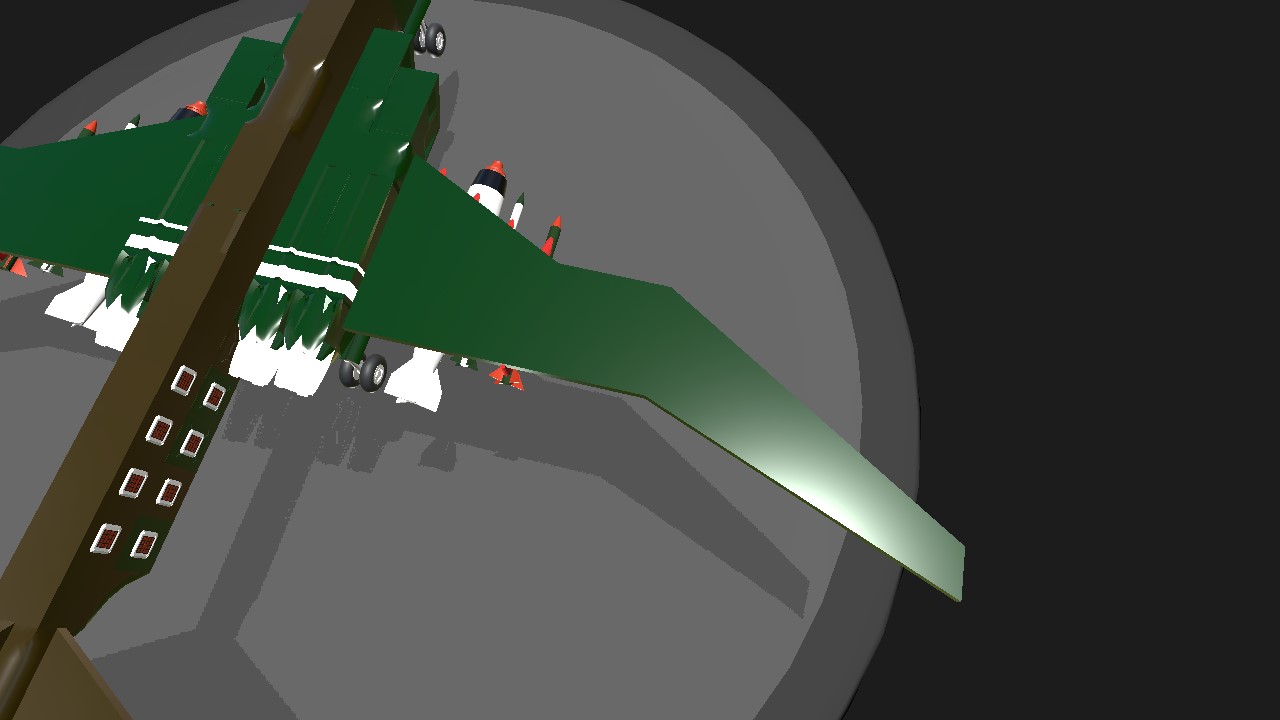
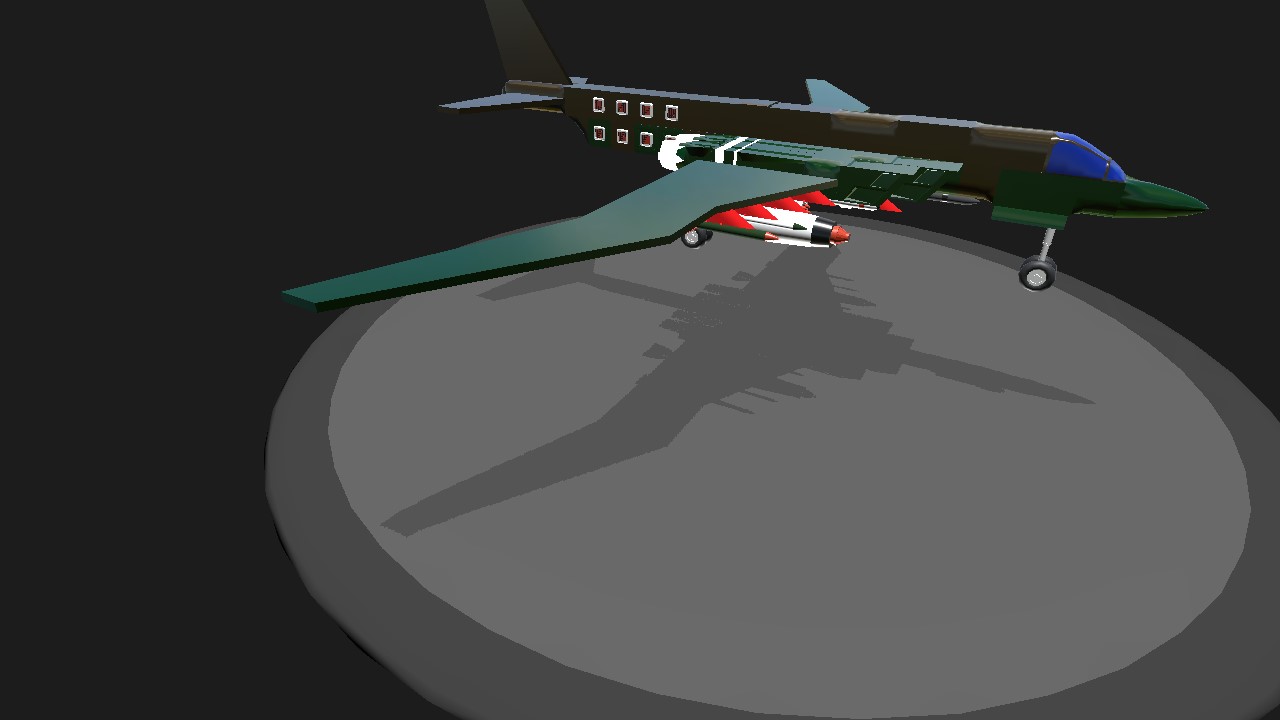
ChatGPTYou said:In 1970, the world would be changed. We would see the FB-114 Rose, brainchild of Malachi Christoph Young, chief engineer of the Young Aircraft Corporation, or YAC. This came of a multi-role fighter project established by the Macedonian Ministry of Defense in 1965. In 1965, the Macedonian Ministry of Defense requested an aircraft that could fulfill the following rules. Be an air superiority fighter. Carry out air-to-air and air-to-ground missions at the same time. Be able to launch from carriers. Be able to be used in the electronic warfare role. And be able to be used for reconnaissance. The YAC won the competition and started producing the FB-114. Originally, it was called the YFB-114. Instead of being called the Rose, it was called the Rove, since it was experimental. In 1968, it took its first flight, and test pilot Alexander Wright said that the aircraft had a few problems. It juttered violently when above Mach 1.3, it had somewhat unreliable engines, and did not do well on conserving fuel. So in 1969, a total redesign was ordered, and in late 1969, the aircraft was flown again. And this time, it could get to Mach 2.2 without problems. Mach 2.5 would be its top speed, and the record to beat would be Mach 2.7. So in March of 1970, the aircraft would enter service with the Macedonian Air Force. Three months later, in June, it would enter service with the Macedonian Navy. In 1971, the FB-114B variant was introduced, and entered service with the Macedonian Air Force and Navy. This was the air superiority variant, and it would be widely mass-produced and mass-exported to the following nations. The United States, the United Kingdom, France, Germany, Canada, Barkingburg, South Korea, Japan, Taiwan, Thailand, Australia, New Zealand, Saudi Arabia, Pakistan, India, and other nations. Then in 1974 the F-114 C and D navalized version of the Rose entered service on all of the Macedonian aircraft carriers and in 1975 was exported to the United States the Unite
Specifications
General Characteristics
- Predecessor Tutorial Plane
- Created On Android
- Wingspan 50.6ft (15.4m)
- Length 39.2ft (12.0m)
- Height 14.4ft (4.4m)
- Empty Weight 12,866lbs (5,836kg)
- Loaded Weight 29,511lbs (13,386kg)
Performance
- Power/Weight Ratio 6.092
- Wing Loading 131.5lbs/ft2 (642.2kg/m2)
- Wing Area 224.4ft2 (20.8m2)
- Drag Points 2695
Parts
- Number of Parts 105
- Control Surfaces 7
- Performance Cost 562