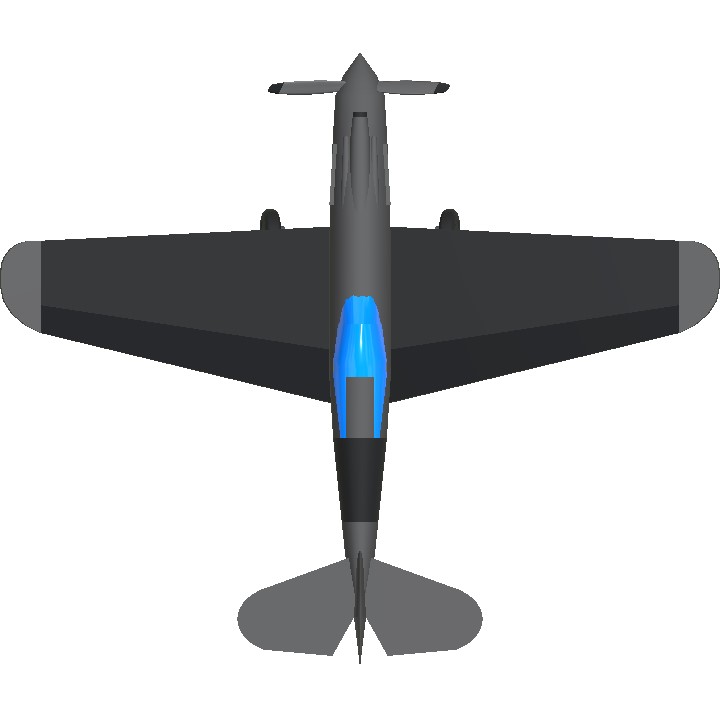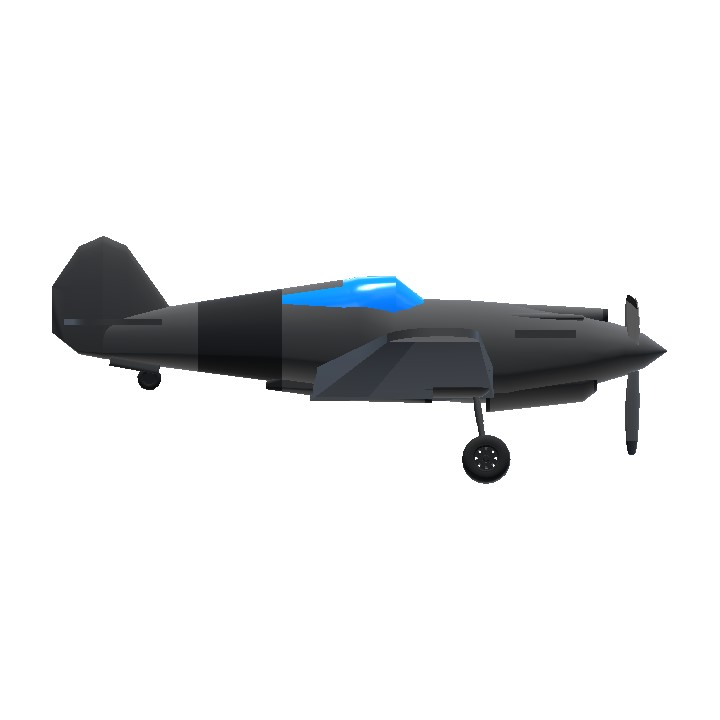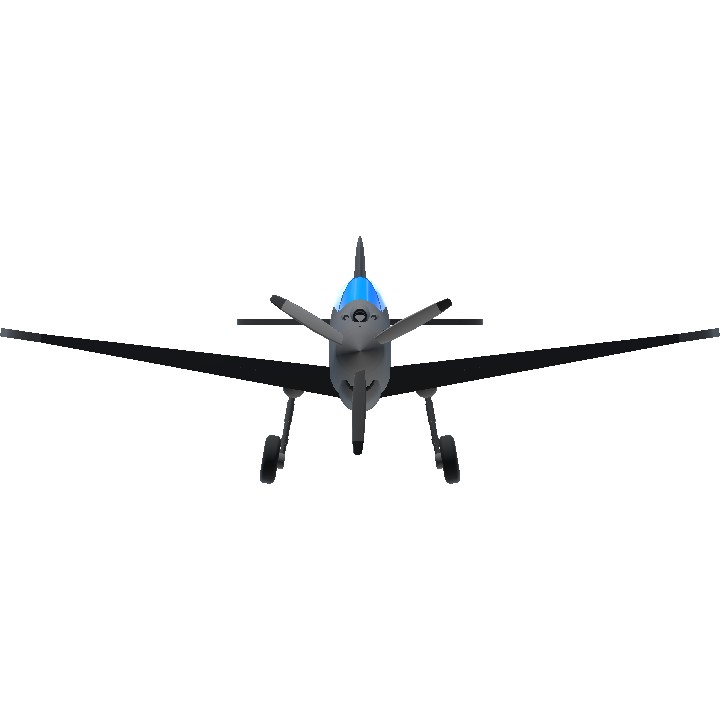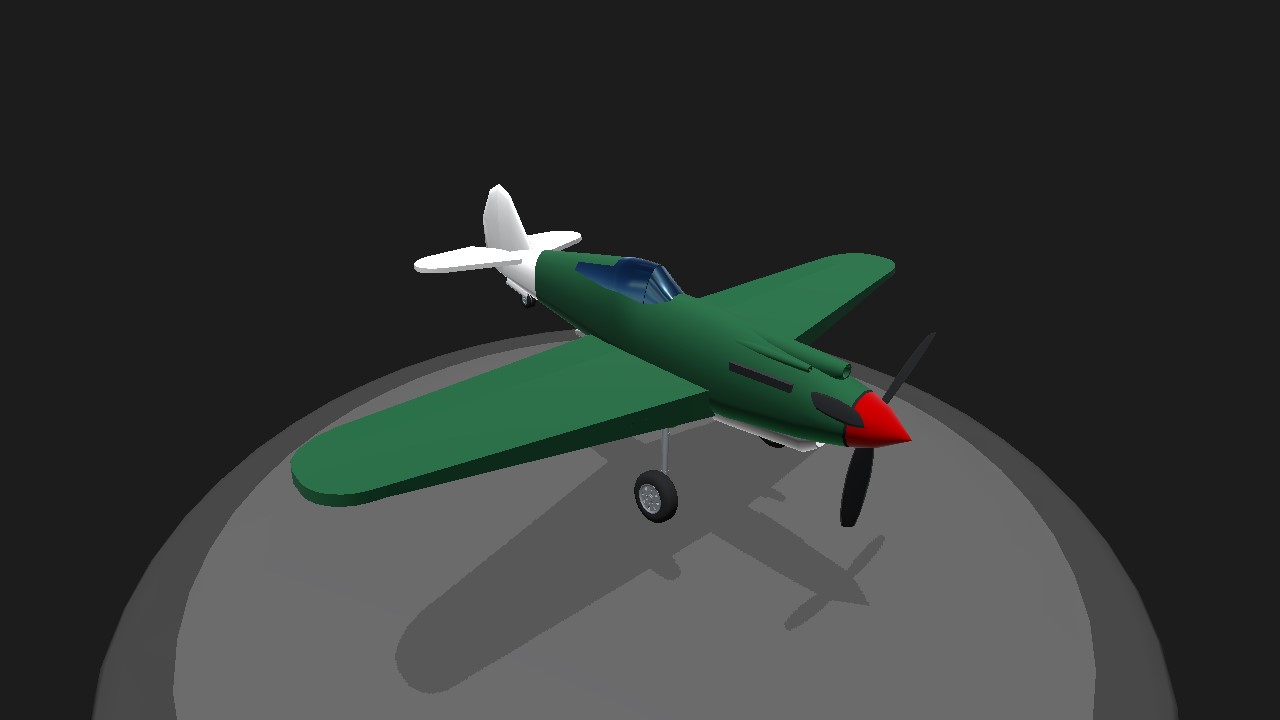
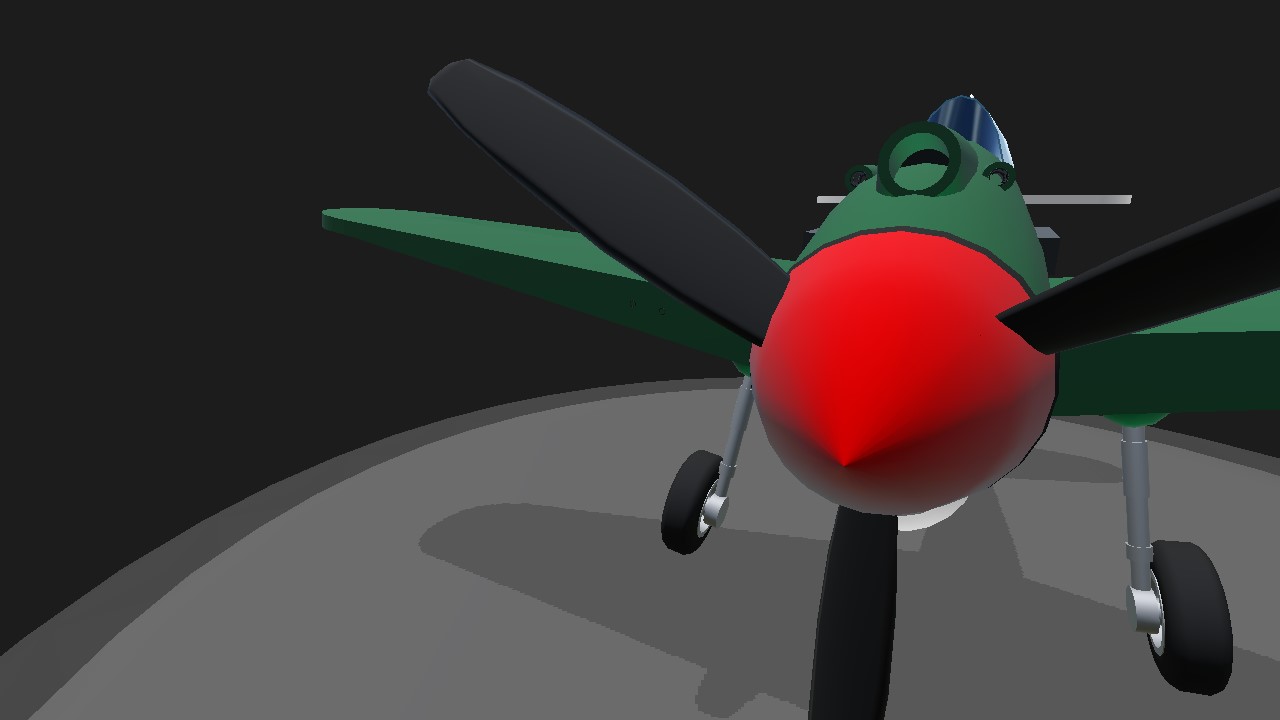
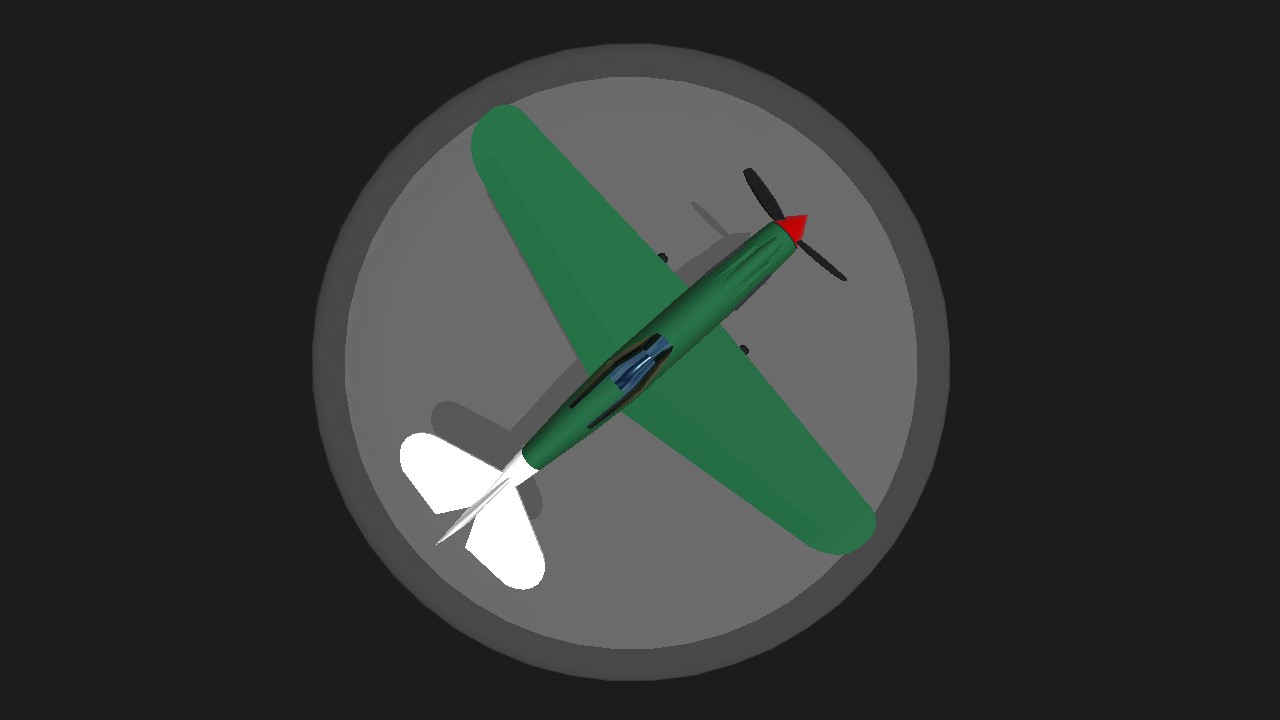
How does even the fellowly underrated Hurricane and Yak-1 is having slightly more fame than this? ~
Curtiss P-40 Warhawk family
The Curtiss P-40 Warhawk was one of the most important American fighter aircraft of the early Second World War and among the most widely used U.S. fighters of the entire conflict. First flown in 1938 and entering service in 1940, the P-40 represented a pragmatic evolution of the earlier P-36 Hawk, retaining its rugged airframe while introducing the powerful Allison V-1710 liquid-cooled V-12 engine.
Although often overshadowed by later fighters such as the P-51 Mustang and P-47 Thunderbolt (even the twinhearted P-38 Lightning at the same early time), the P-40 was valued for its durability, firepower, and ability to absorb battle damage. It was not a high-altitude specialist—its single-stage supercharger limited performance above ~15,000 ft—but at low and medium altitudes it proved fast, stable, and lethal, especially in dive-and-zoom tactics.
The aircraft became internationally famous through its service with the American Volunteer Group (AVG), the “Flying Tigers,” in China, where P-40s achieved notable success against Japanese aircraft using aggressive diving attacks and disciplined teamwork. The iconic shark mouth nose art cemented the Warhawk’s place in aviation legend.
Beyond the USAAF, the P-40 served with over 25 air forces worldwide, including the RAF, RAAF, French AdA, Soviet VVS, Chinese Air Force, and several Middle Eastern and Commonwealth operators. It fought on nearly every major front—China-Burma-India, North Africa, the Pacific, Eastern Europe, and the Mediterranean—making it one of the most geographically widespread fighters of WWII.
While it could not match later enemy fighters in climb or turn performance, pilots respected the P-40 for being forgiving, tough, and predictable, making it a dependable workhorse during the crucial early and middle years of the war.
Possible Aircraft Nicknames:
"Flying Tiger" : Strongly associated with the AVG’s P-40s in China.
"Sharkmouth" : Refers to the iconic nose art rather than the airframe itself.
"Iron Hawk" : Fan nickname emphasizing toughness and survivability
"Desert Hawk" : Commonly used in North Africa campaign discussions
"Allison Bird" : Informal enthusiast term referencing its engine
"Old Forty" : Casual pilot-style shorthand seen in memoir discussions
"The Anvil" : Community nickname highlighting its ability to take damage
I'm so sorry there above currently is the only nickname i found and no more information about any aircraft's nicknames. But just add yours in the comments, let's discuss :)
- About the variant
P-40C and/or Tomahawk IIB (Tomahawk F.2B)
A variant of early P-40A added underbelly drop tank and bomb shackles, self-sealing fuel tanks and other minor revisions, but the extra weight did have a negative impact on aircraft performance. (All versions of the P-40 had a relatively low power-to-weight ratio compared to contemporary fighters.)
C O N T R O L S
Trim : Flaps, cruising 'rotate' adjuster
VTOL : Further flaps
Specifications
General Characteristics
- Created On Android
- Wingspan 38.4ft (11.7m)
- Length 32.9ft (10.0m)
- Height 13.3ft (4.0m)
- Empty Weight 5,086lbs (2,306kg)
- Loaded Weight 8,032lbs (3,643kg)
Performance
- Horse Power/Weight Ratio 0.13
- Wing Loading 15.9lbs/ft2 (77.7kg/m2)
- Wing Area 504.6ft2 (46.9m2)
- Drag Points 1192
Parts
- Number of Parts 87
- Control Surfaces 9
- Performance Cost 550