

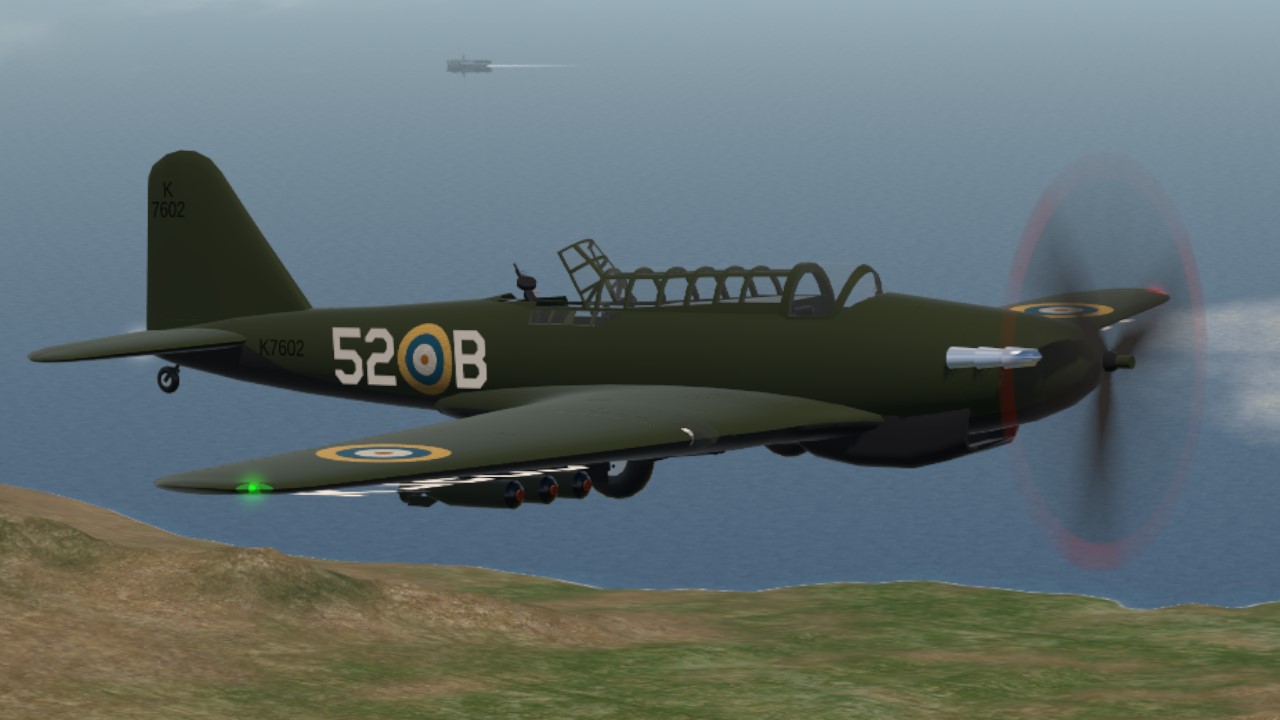
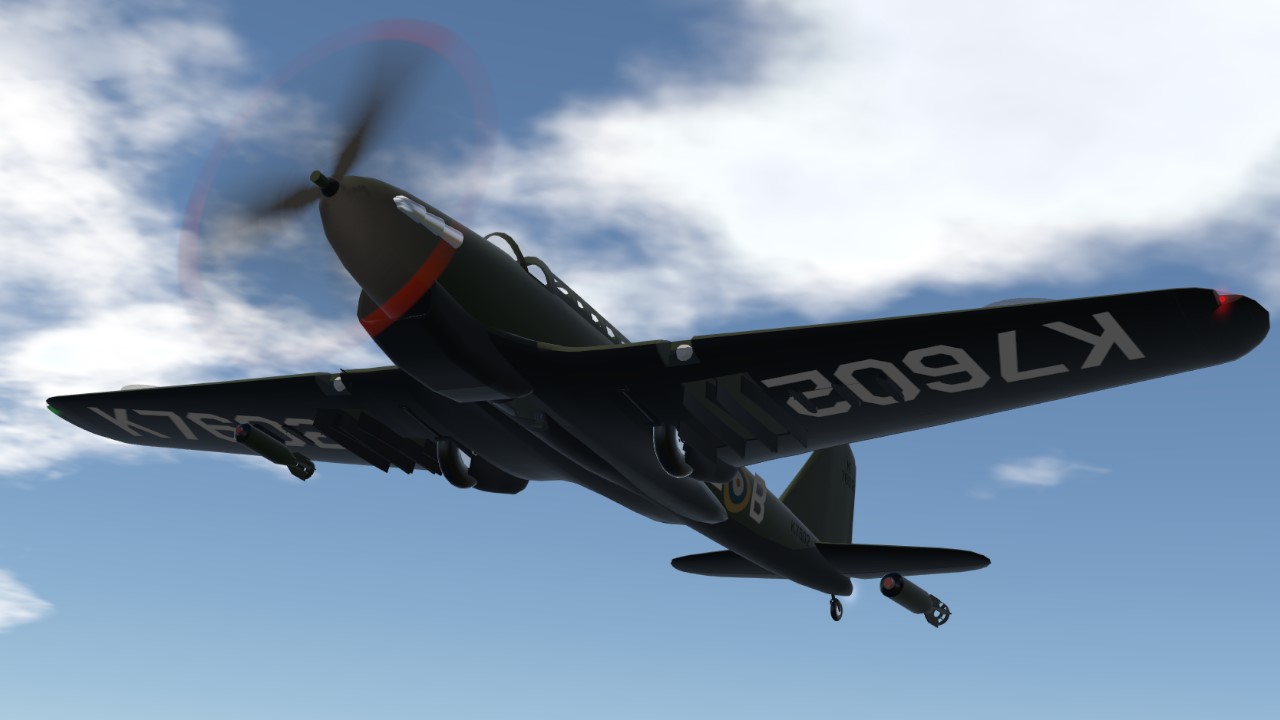
History
The Fairey Battle is a British single-engine light bomber that was designed and manufactured by the Fairey Aviation Company. It was developed during the mid-1930s for the Royal Air Force (RAF) as a monoplane successor to the Hawker Hart and Hind biplanes. The Battle was powered by the same high-performance Rolls-Royce Merlin piston engine that powered various contemporary British fighters such as the Hawker Hurricane and Supermarine Spitfire. As the Battle, with its three-man crew and bomb load, was much heavier than the fighters, it was therefore much slower. Though a great improvement over the aircraft that preceded it, its relatively slow speed, limited range and inadequate defensive armament of only two .303 (7.7 mm) machine guns left it highly vulnerable to enemy fighters and anti-aircraft fire.
The Fairey Battle was used on operations early in the Second World War. During the "Phoney War" the type achieved the distinction of scoring the first aerial victory of an RAF aircraft in the conflict. From 10 to 14 May 1940, the Battles of the Advanced Air Striking Force suffered many losses, frequently in excess of 50 per cent of aircraft sorties per mission. By the end of 1940 the type had been withdrawn from front-line service and relegated to training units overseas. As an aircraft that had been considered to hold great promise in the pre-war era, the Battle proved to be one of the most disappointing aircraft in RAF service.
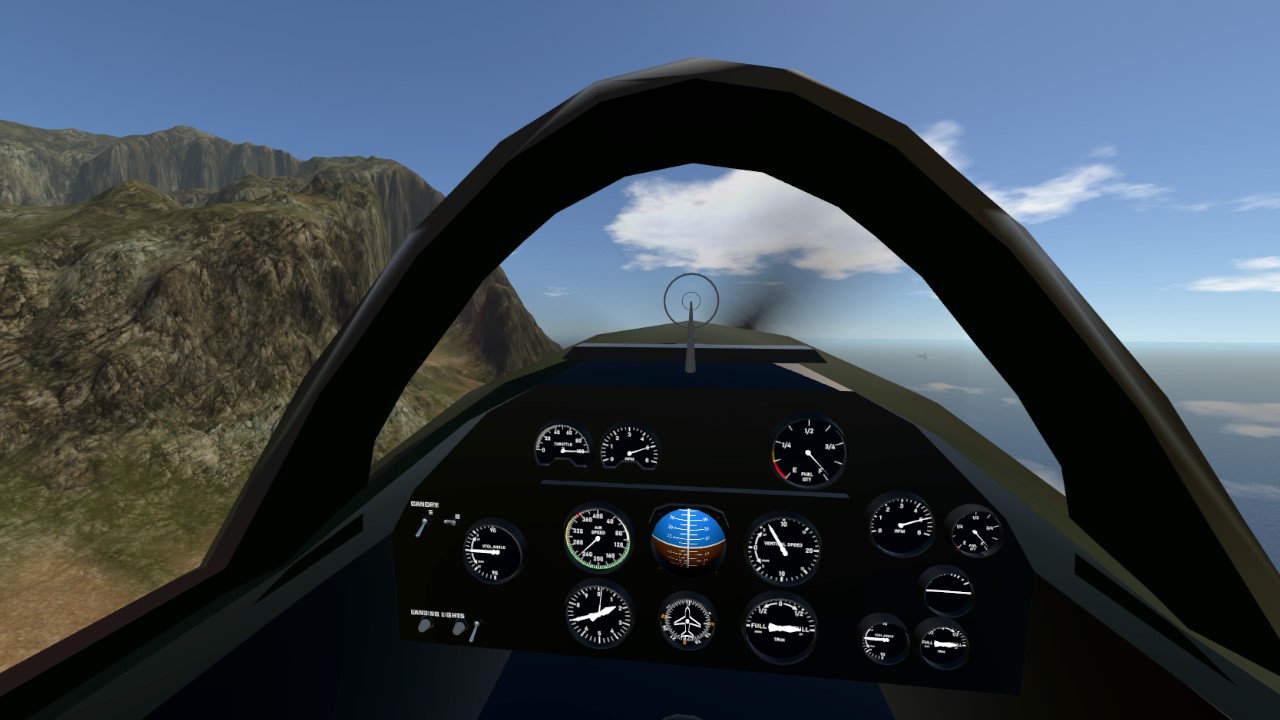
Control
AG4: Canopy
AG5: Enable Dorsal Gunner
AG7: Landing Lights
AG8: NAV Lights
The bomb bay door will automatically open when you select Boom 25/Flare as weapon
Specifications
Spotlights
- ChihiroFujisaki yesterday
General Characteristics
- Predecessor WW2 Attack Plane Challenge
- Created On Windows
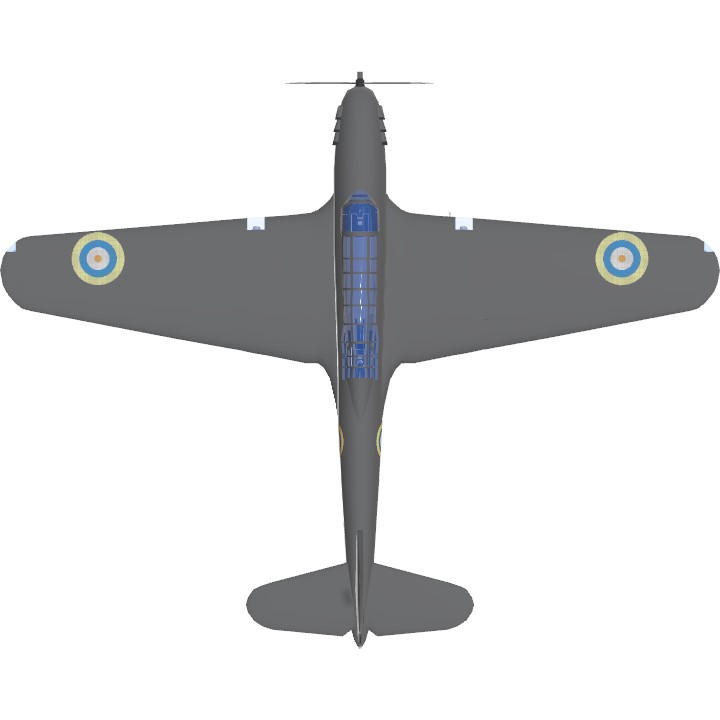
- Wingspan 52.9ft (16.1m)
- Length 42.4ft (12.9m)
- Height 15.2ft (4.6m)
- Empty Weight 12,514lbs (5,676kg)
- Loaded Weight 12,514lbs (5,676kg)
Performance
- Horse Power/Weight Ratio 0.08
- Wing Loading 27.1lbs/ft2 (132.2kg/m2)
- Wing Area 462.2ft2 (42.9m2)
- Drag Points 1908
Parts
- Number of Parts 615
- Control Surfaces 0
- Performance Cost 2,666
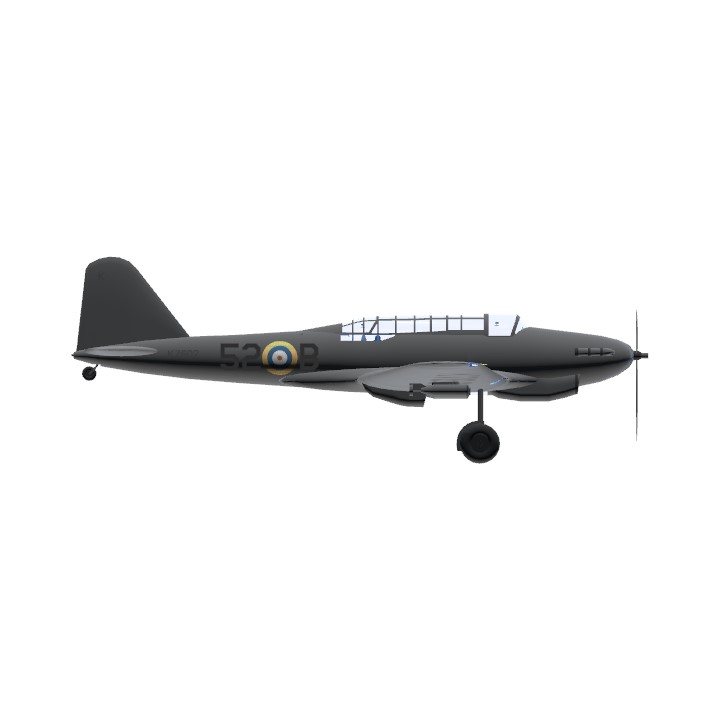
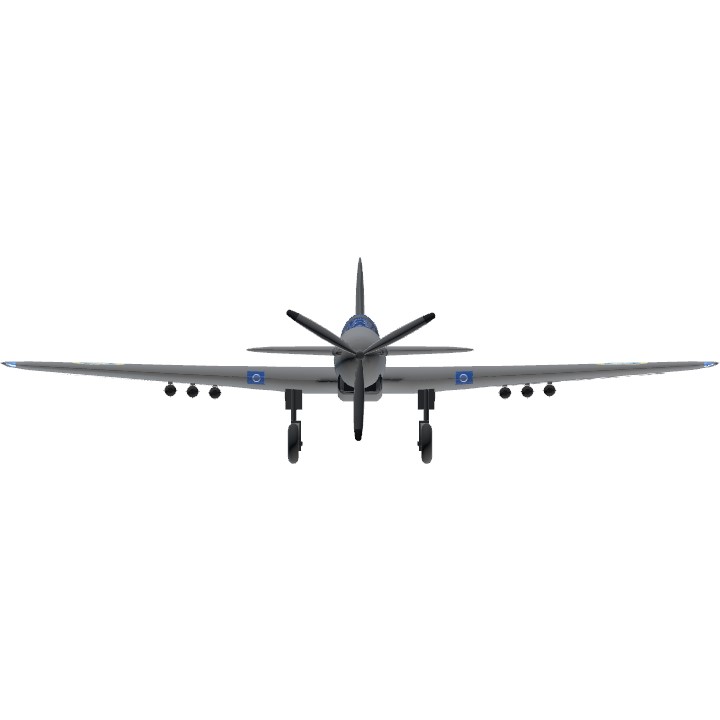
Honestly,this reminded me of the IL-2 Sturmovik.
@AndiTontrando Absolutely stunning job recreating the Battle!
In my view, the Battle was just as capable of an attack aircraft as the vaunted Stuka.
Unfortunately, the aircraft was merely a victim of poor planning and usage, it often flew missions in broad daylight with minimal or no fighter escort.
Should the Allies have had some control over the air in 1939-40 or had the Battle been given more adequate fighter protection, perhaps history may remember the Battle in a more favourable spotlight.
@DustyCrophopper7