

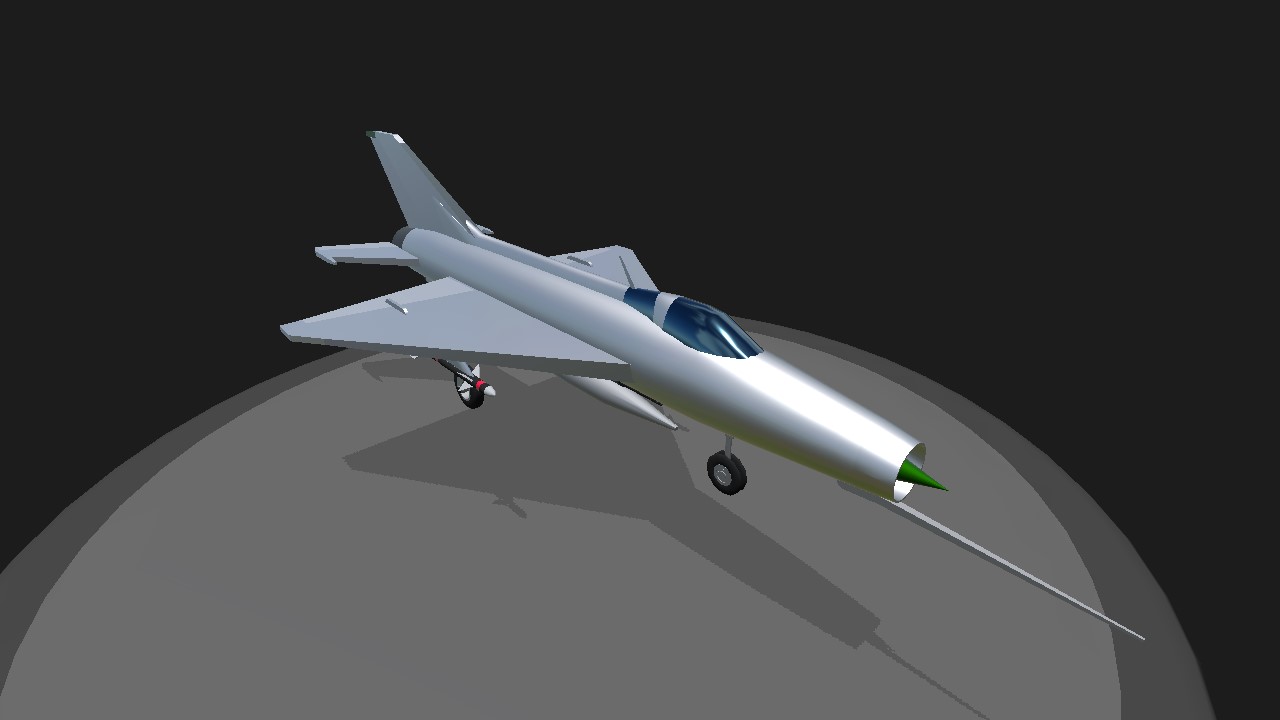
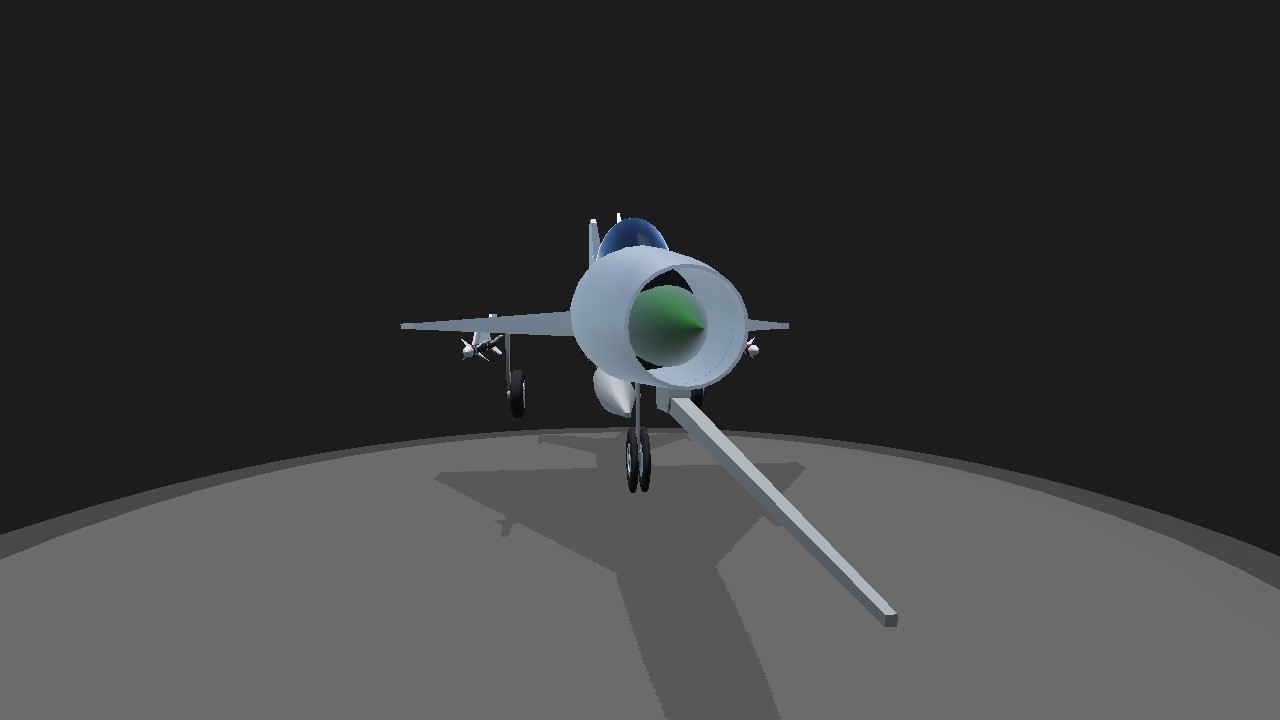
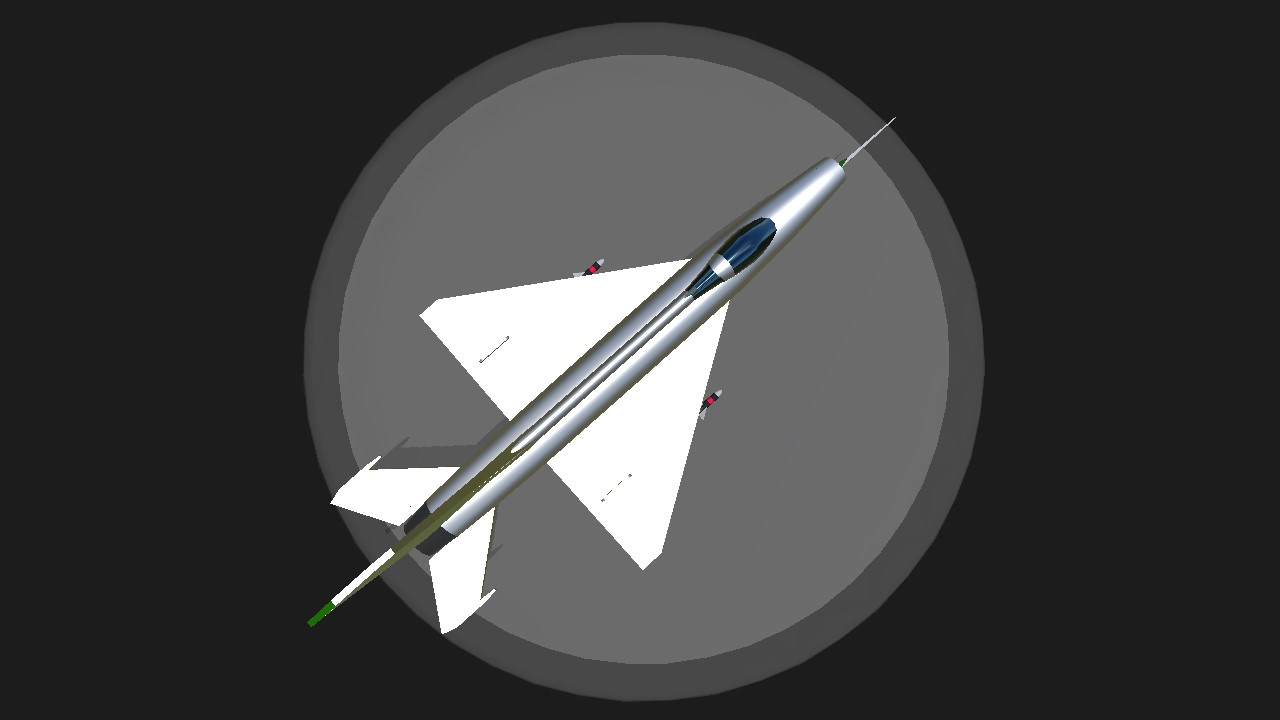
"Red Forces' Magic Dorito"~
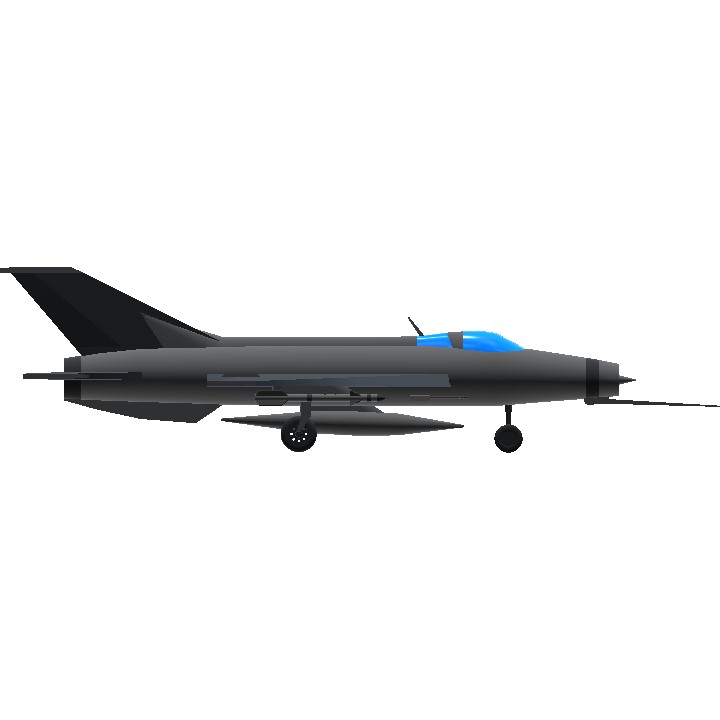
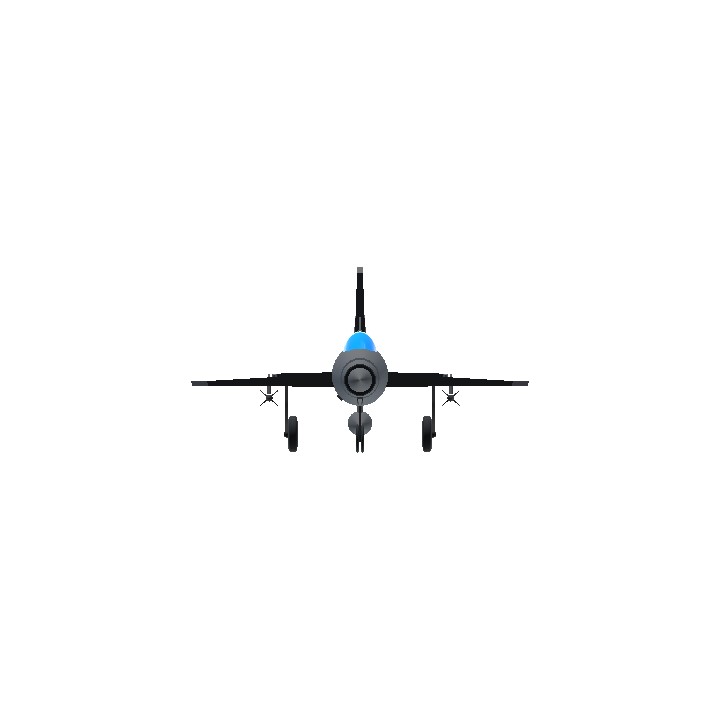
Mikoyan-Gurevich MiG-21 Fishbed
The Mikoyan-Gurevich MiG-21 (NATO reporting name : Fishbed) is one of the most iconic and widely produced supersonic fighter aircraft in aviation history. Designed by the Mikoyan-Gurevich Design Bureau in the early 1950s, it first flew in 1955 and entered Soviet service in 1959. Built around a simple, lightweight philosophy, the MiG-21 emphasized speed, climb rate, and ease of mass production over avionics sophistication and range.
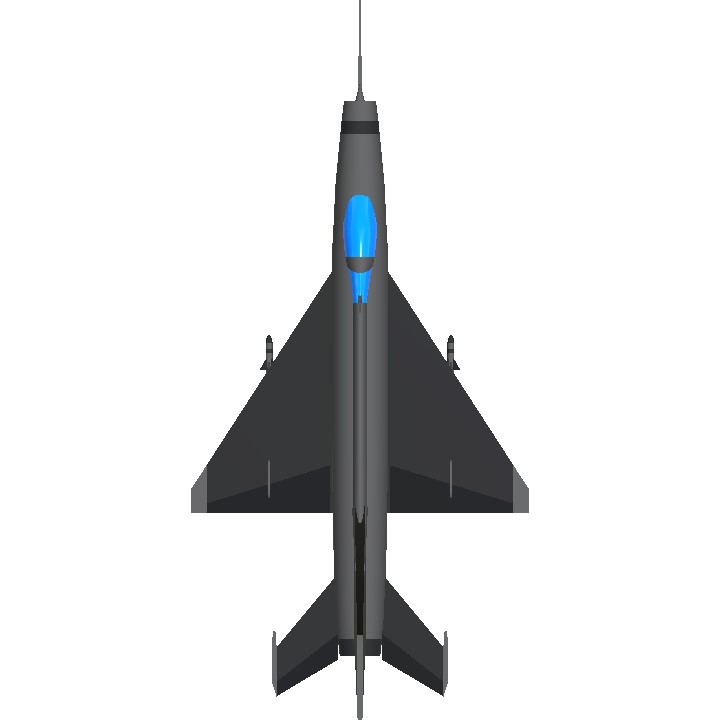
Characterized by its sharp nose intake, delta wing, and compact fuselage (also as typical to the Soviets' fighter jet designs of the era that also started by captured specification sheets from Focke-Wulf Ta 183 they influenced), the MiG-21 was optimized for high-speed interception. It became the first widely deployed Mach 2–capable fighter in the world. While its radar and avionics were relatively basic—especially in early variants—the aircraft was agile, fast, and deadly in close combat when flown by skilled pilots.
The MiG-21 saw extensive combat use across the Cold War and beyond, including in Vietnam, the Middle East, Indo-Pakistani wars, and various African conflicts. It was exported to over 60 countries, license-produced in several of them, and served as the backbone of many air forces for decades. Despite its limitations—short range, cramped cockpit, and demanding landing characteristics—the MiG-21 earned a reputation as a tough, effective, and survivable fighter.
Even into the 21st century, upgraded variants continued flying in limited service (mainly because of the aircraft's spare part difficultiness), making the MiG-21 one of the longest-serving jet fighters ever built.
Possible Aircraft Nicknames:
“Balalaika” : Popular among Soviet and Eastern European pilots, referencing the aircraft’s triangular delta wing resembling the Russian musical instrument.
"Ołówek" : Polish for "pencil", due to the shape of its fuselage,
“Flying Triangle" : Informal descriptive nickname used by aviation enthusiasts.
“Silver Bullet” : Used by some pilots and enthusiasts to describe its sleek shape and high-speed interceptor role. Same but not exactly similar, in Vietnam, the aircraft nicknamed as "Én Bạc", meaning "silver swallow",
“Missile with a Man in It” : A semi-humorous, semi-serious phrase highlighting its raw performance and minimal comfort or avionics.
"Flying AK-47" : Simple, rugged design; minimal systems, easy to maintain; Mass-produced in huge numbers; Widely exported and license-built in many countries; Effective but unforgiving if mishandled; Optimized for wartime conditions, not comfort. Just as the Kalashnikov AK-47 rifle became a symbol of Soviet practicality and global proliferation, the MiG-21 came to represent the same idea in the air.
Just add yours in the comments, let's discuss :)
- About the variant
MiG-21F-13 (Izdeliye 74, "Fishbed-C")
F = Forsirovannyy (Uprated), 13 = refers to K-13 missile system
Short-range day fighter; the MiG-21F-13 was the first MiG-21 model to be produced in large numbers. Unlike the MiG-21F, the MiG-21F-13 had only one NR-30 cannon on the starboard side, with only 60 rounds; however, it added the capability to use the K-13 missile system, of which two could be carried on underwing hardpoints. On early-production MiG-21F-13s the launch rails were of the APU-28 type; later models had these replaced by APU-13 rails. The launch rails were removable, allowing the MiG-21F-13 to carry two UB-16-57 unguided rocket launchers, two S-24 rockets on PU-12-40 launch rails or two FAB-100/250/500 bombs or ZB-360 napalm tanks. The F-13 had further upgrades: an improved ASP-5ND optical gunsight and an upgraded SRD-5ND ranging radar.
The MiG-21F-13 was also built under licence in China as the Chengdu J-7 or F-7 for export, as well as in Czechoslovakia as the Aero S-106, though the S-106 designation was not used for long; subsequently, the Czech-built units were referred to as "MiG-21F-13" just like the Soviet-built aircraft.
C O N T R O L S
Trim : Flaps, cruising 'rotate' adjuster
VTOL : Further flaps
AG.6 : Yeettison external fuel tank
AG.7 : Jettison missiles
Specifications
General Characteristics
- Created On Android
- Wingspan 22.5ft (6.9m)
- Length 48.0ft (14.6m)
- Height 12.4ft (3.8m)
- Empty Weight 6,769lbs (3,070kg)
- Loaded Weight 11,226lbs (5,092kg)
Performance
- Power/Weight Ratio 2.642
- Wing Loading 41.7lbs/ft2 (203.7kg/m2)
- Wing Area 269.1ft2 (25.0m2)
- Drag Points 2095
Parts
- Number of Parts 79
- Control Surfaces 7
- Performance Cost 439
1) First, 2) I love the MiG-21