

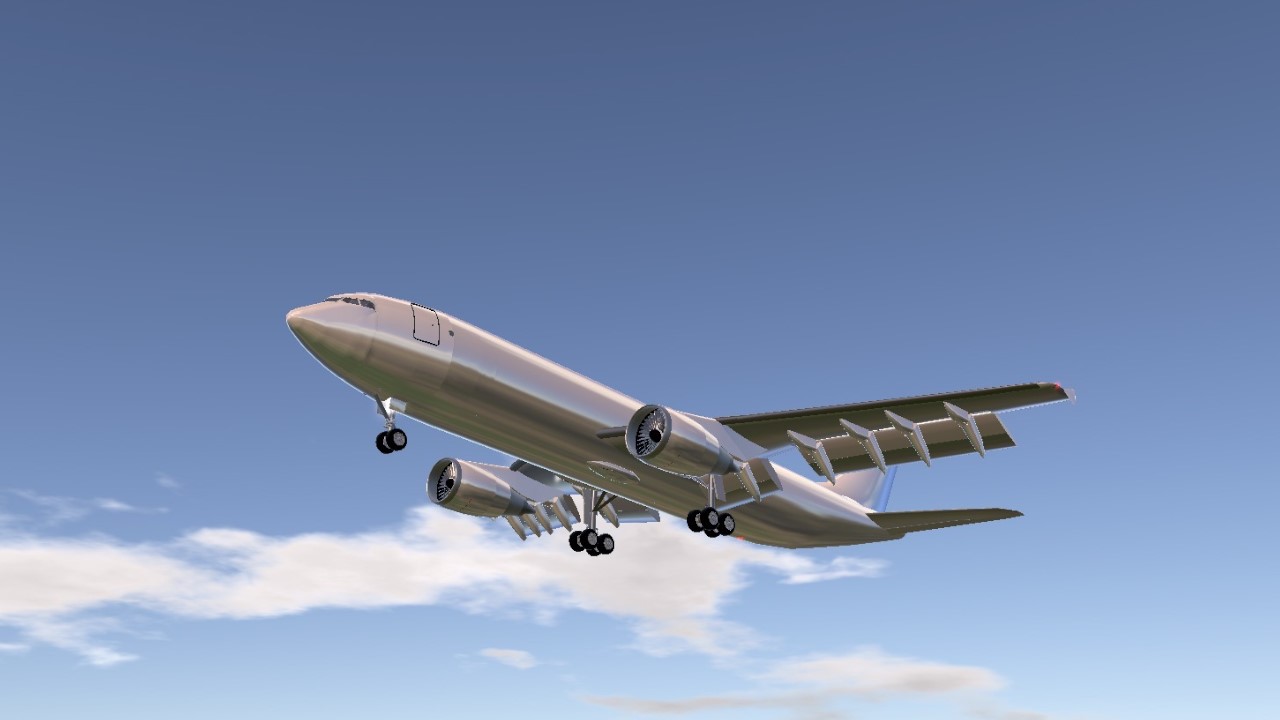
Introduced in the late 1980s, the A300-600R was a refined evolution of the world’s first twin-engine widebody airliner, the original A300. The “R” stood for Range, which was a key improvement.
With this upgrade, the A300-600R could fly farther and more efficiently, making it attractive for medium- to long-haul routes where widebody capacity was needed without the cost of four engines.
The aircraft typically carried around 250 passengers and featured a modernized cockpit with digital displays, allowing two-pilot operation instead of the traditional three-crew setup.
This reduced operating costs and helped set industry standards for future Airbus designs, influencing aircraft like the A310 and A320 families.
While many A300-600Rs served passenger airlines around the world, the aircraft found a lasting second life as a freighter.
Its wide fuselage, strong structure, and efficient performance made it ideal for cargo operations. Companies such as FedEx, UPS, and DHL embraced the type, and decades later, many A300-600Rs are still flying nightly cargo routes.
Airbus offered both the GE CF6 and PW4000 engines for the A300-600R.
I’ve also made the following versions of the A300-600R:
Airbus A300-600R
A300-600R CF6-80C2
A300-600R PW4000
A300-600F PW4000
Controls:
AG2 + Brake for reverse
AG7 for cargo door
Please upvote if you like the build

Specifications
General Characteristics
- Created On iOS
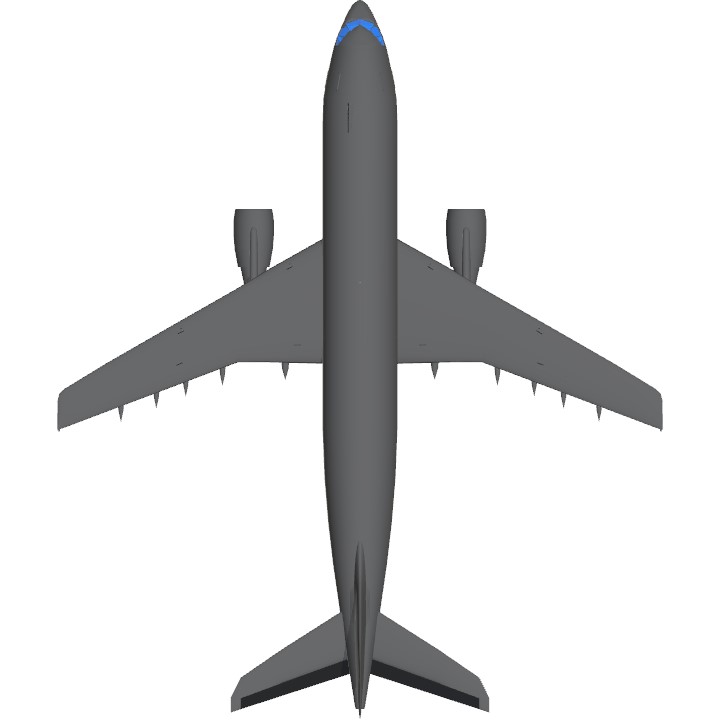
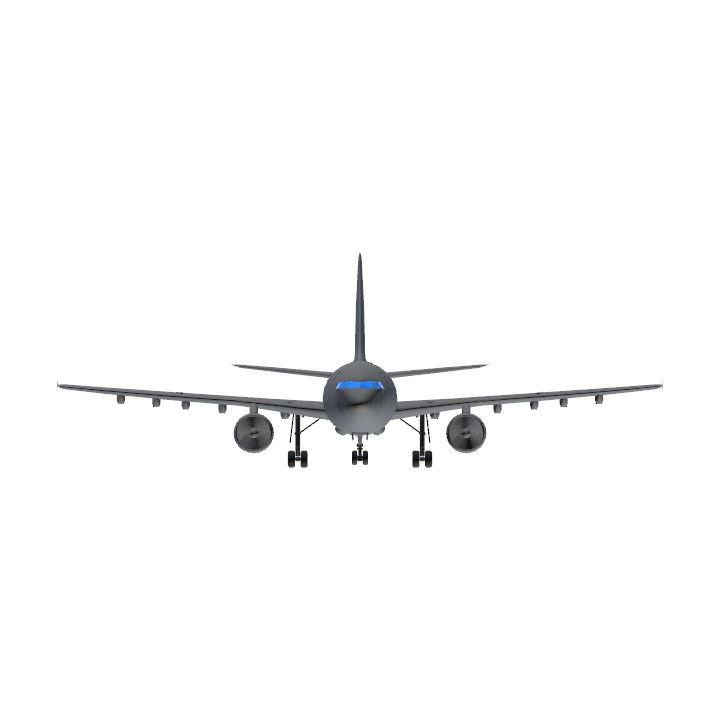
- Wingspan 150.2ft (45.8m)
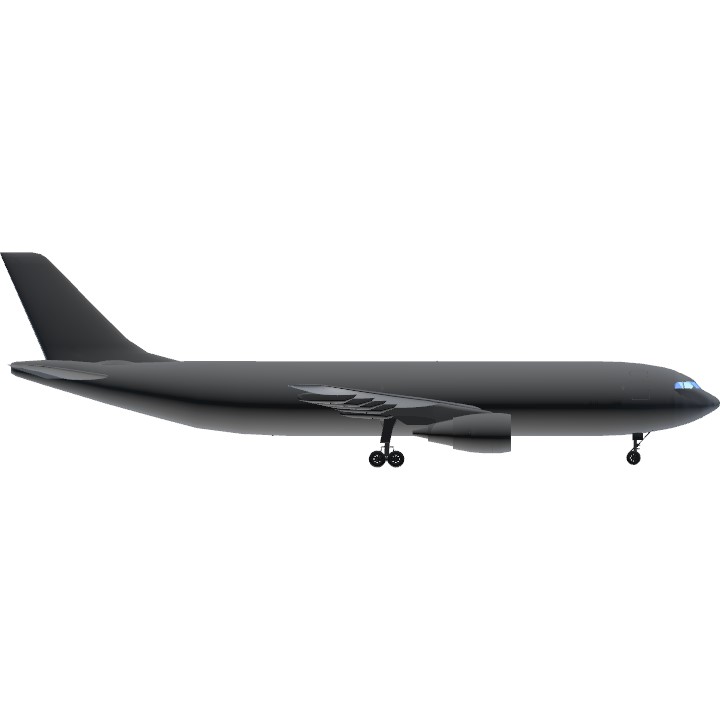
- Length 176.8ft (53.9m)
- Height 52.9ft (16.1m)
- Empty Weight 185,057lbs (83,940kg)
- Loaded Weight 349,847lbs (158,688kg)
Performance
- Power/Weight Ratio 251.215
- Wing Loading 66.8lbs/ft2 (326.3kg/m2)
- Wing Area 5,234.3ft2 (486.3m2)
- Drag Points 63353
Parts
- Number of Parts 654
- Control Surfaces 4
- Performance Cost 3,175
UPLOAD SCHEDULE
January 19th:
Airbus A300-600F PW4000
A310-300’s and A310-300F’s will be published next week