

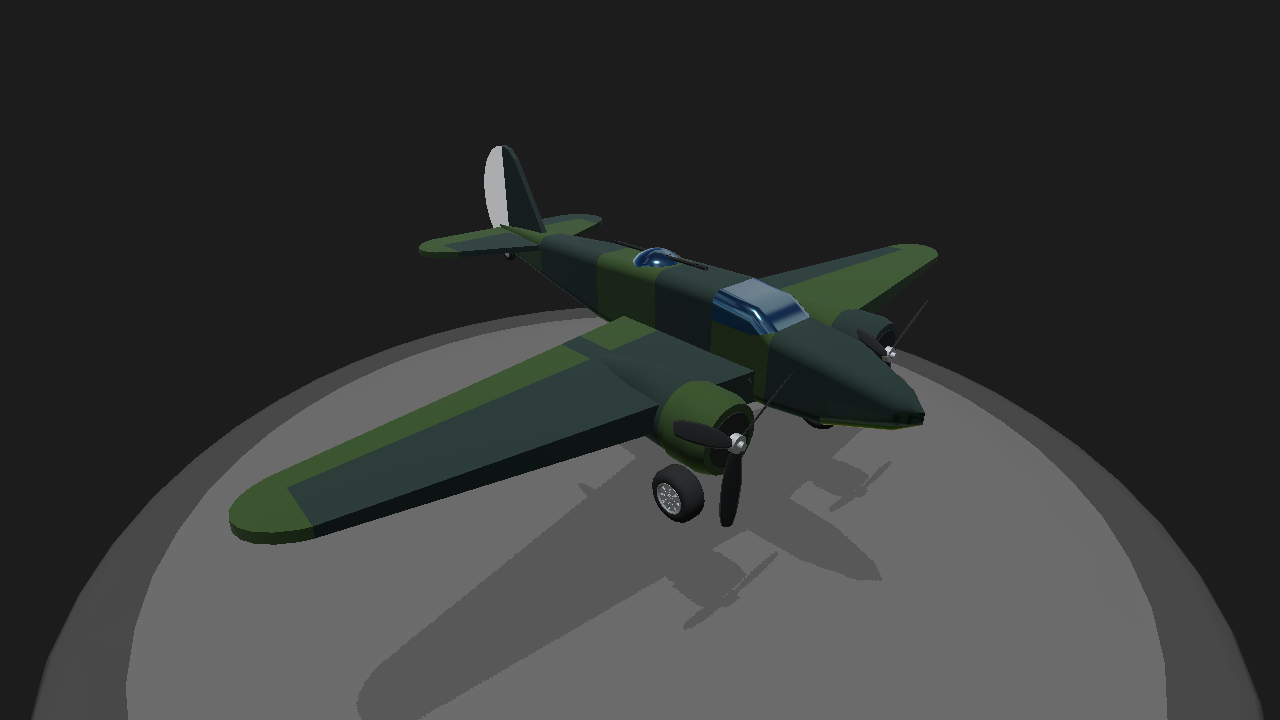
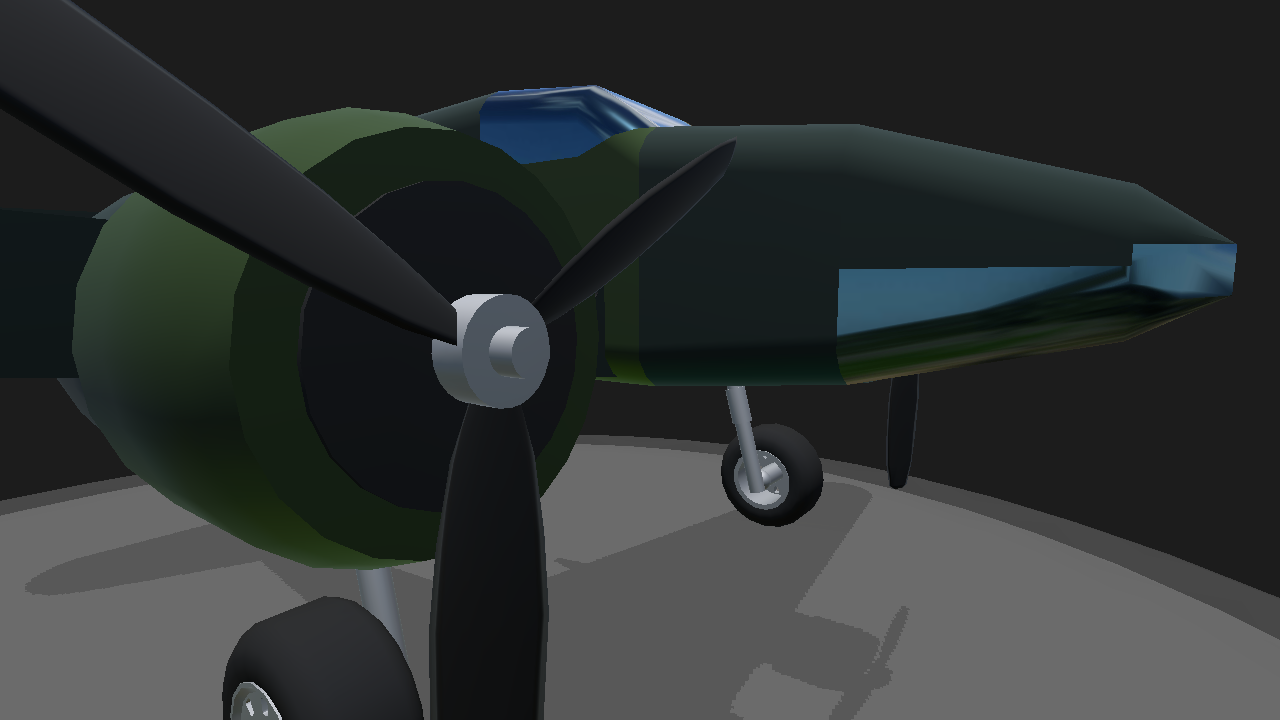
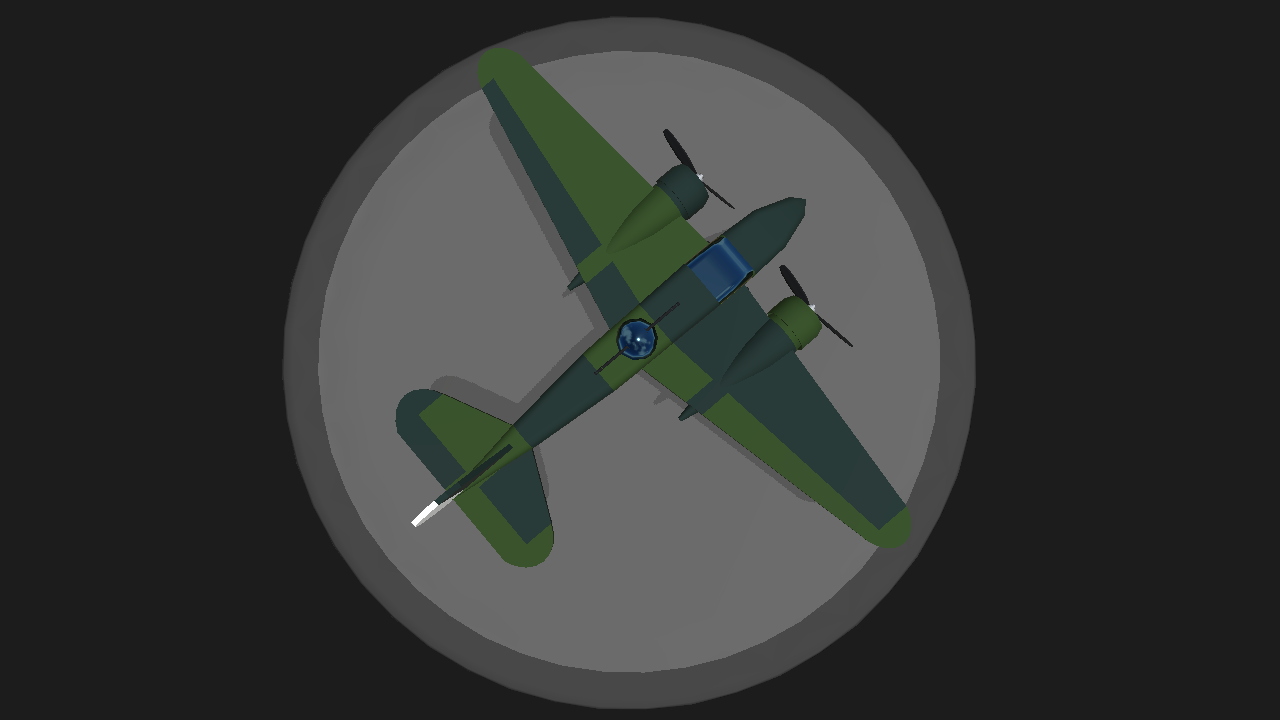
Caproni Ca.310
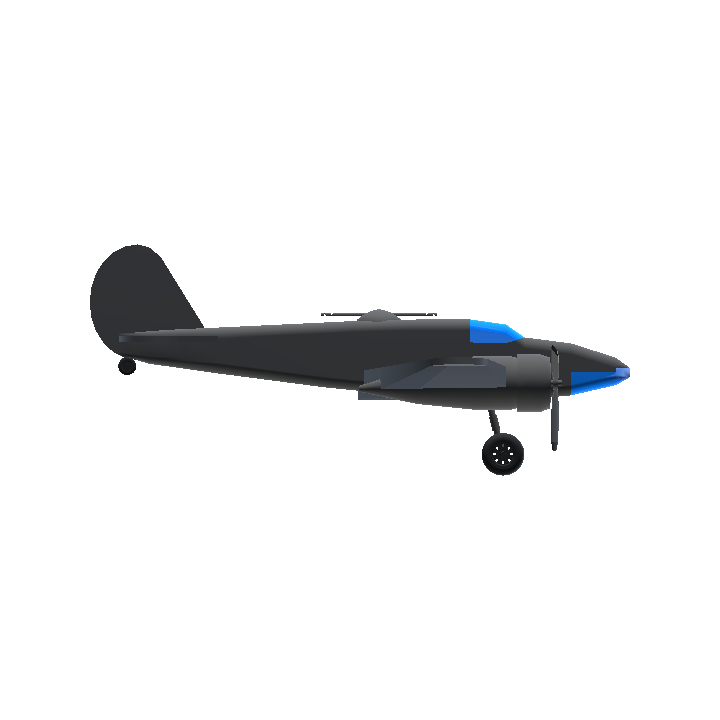
The Caproni Ca.310 Libeccio was an Italian twin-engine light reconnaissance and bomber aircraft developed in the late 1930s and used in the earlier stages of World War II. Designed by Caproni as a militarized evolution of the Ca.309, it first flew in February 1937 and was introduced into service around 1938, with roughly 312 examples built.
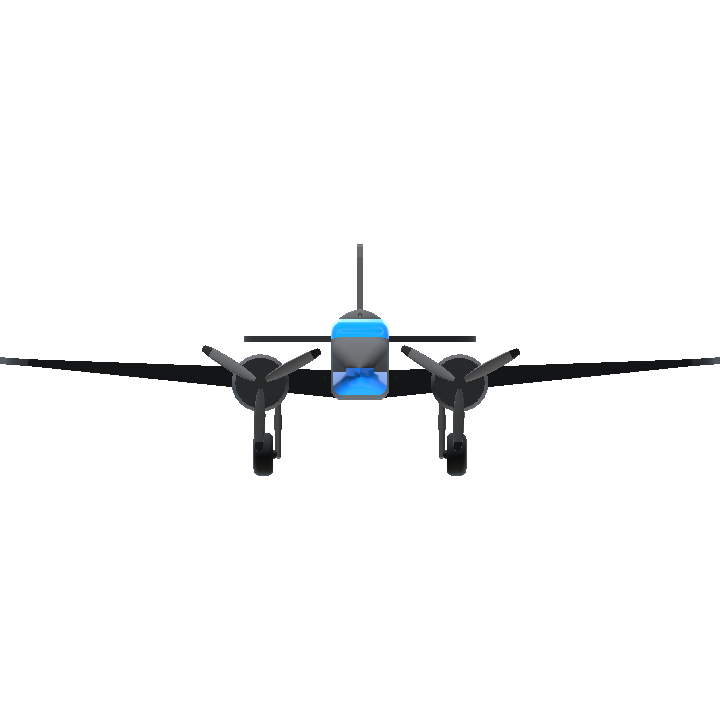
It was a low-wing monoplane of mixed construction — a welded steel tube fuselage with metal and fabric covering, wooden tail surfaces, and retractable landing gear. Powered by two Piaggio radial engines (around 470 hp each), the Ca.310 carried a crew of three (pilot, observer/bombardier, and gunner) and could carry a modest bomb load (up to ~400–450 kg depending on configuration) alongside a defensive armament of usually three 7.7 mm Breda-SAFAT machine guns (two forward-firing and one in a dorsal turret).
Operationally, it first saw combat in the Spanish Civil War and later served with the Regia Aeronautica, as well as export users such as Hungary, Norway, and Peru. While it filled reconnaissance and light bomber roles, its performance was generally considered mediocre compared to contemporary aircraft — which led to limited use in active combat zones and a transition to roles where air opposition was light.
The type continued to see service through the early years of World War II, eventually being replaced by improved designs (like the Ca.311 series), and staying in reserve or secondary roles until being retired after the war.
Possible Aircraft Nicknames:
"Libeccio" : This was the official name for the Ca.310 (Italian for a southwest wind), following a tradition of naming aircraft after winds (like the Ca.309 Ghibli).
"Klippfiskbomberen"/"Clipfish Bomber" : This is a severe fun fact in Norwegian aviation circles and forums, the aircraft acquired this playful nickname because Norway acquired four Ca.310s in 1938 via a barter deal involving dried and salted cod (klippfisk). This quirky trade led to the affectionate moniker “salted cod bomber” among historians and modelers.
I'm so sorry there above currently is the only nickname i found and no more information about any aircraft's nicknames. But just add yours in the comments, let's discuss :)
C O N T R O L S
Trim : Flaps, cruising 'rotate' adjuster
VTOL : Further flaps
Specifications
General Characteristics
- Created On Android
- Wingspan 40.9ft (12.5m)
- Length 30.7ft (9.4m)
- Height 13.1ft (4.0m)
- Empty Weight 4,774lbs (2,165kg)
- Loaded Weight 7,334lbs (3,326kg)
Performance
- Horse Power/Weight Ratio 0.128
- Wing Loading 15.9lbs/ft2 (77.7kg/m2)
- Wing Area 460.8ft2 (42.8m2)
- Drag Points 1370
Parts
- Number of Parts 79
- Control Surfaces 9
- Performance Cost 531
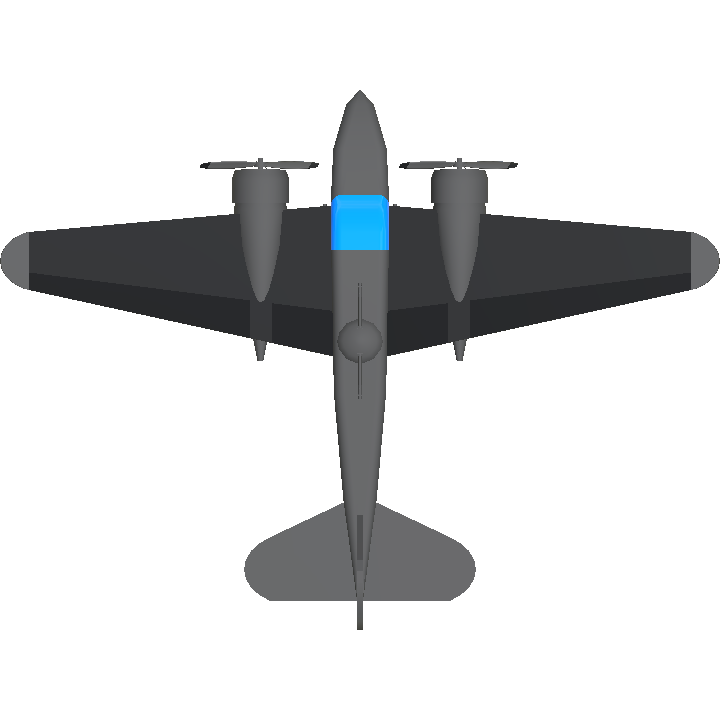
... would it be correct to assume the forward-pointing "barrel" on the turret is meant to balance both the mass and aerodynamic drag of the gun as the turret turns?