

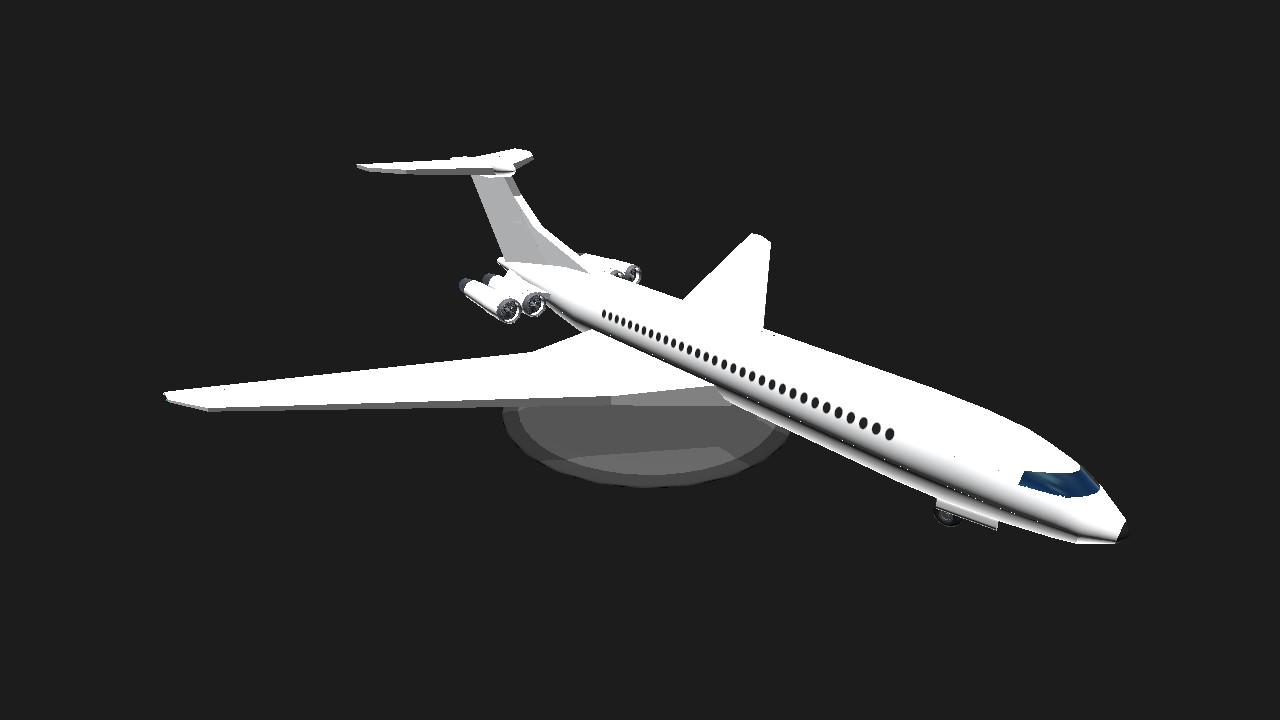
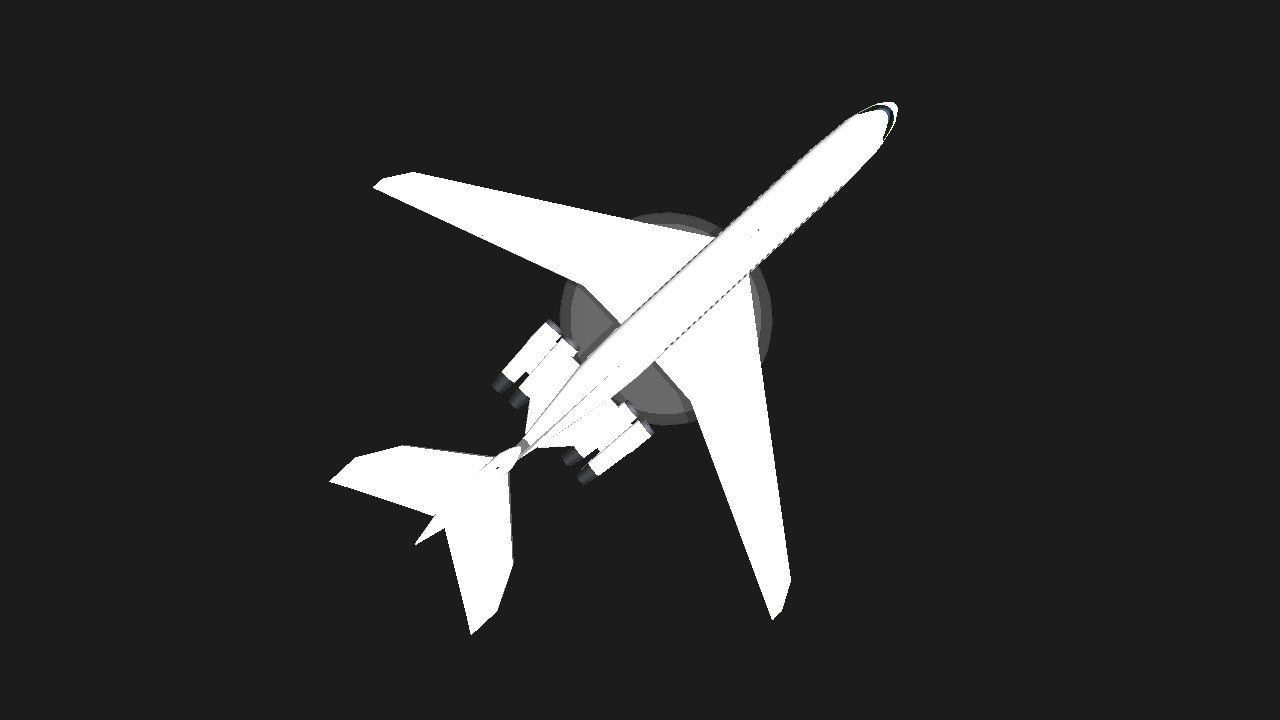
Now I also occasionally builds civil aviation scene, teehee?
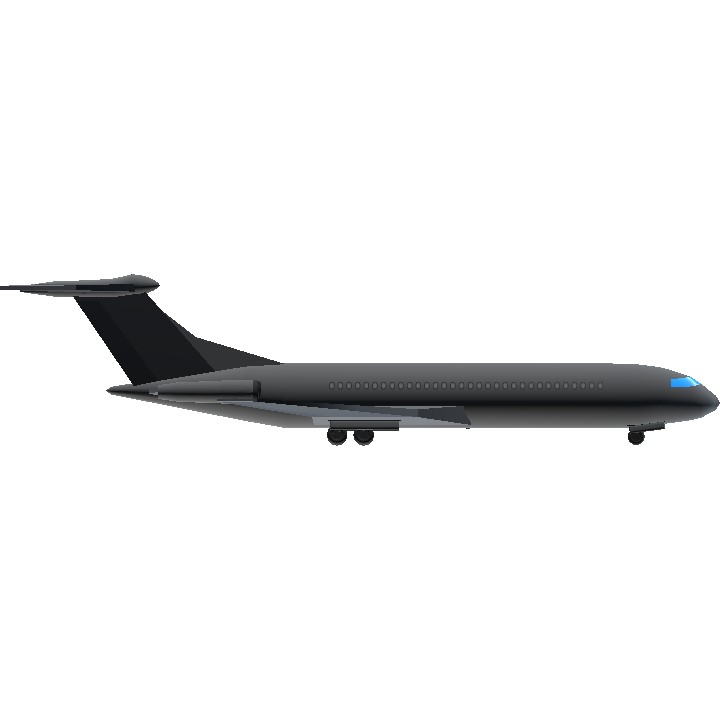
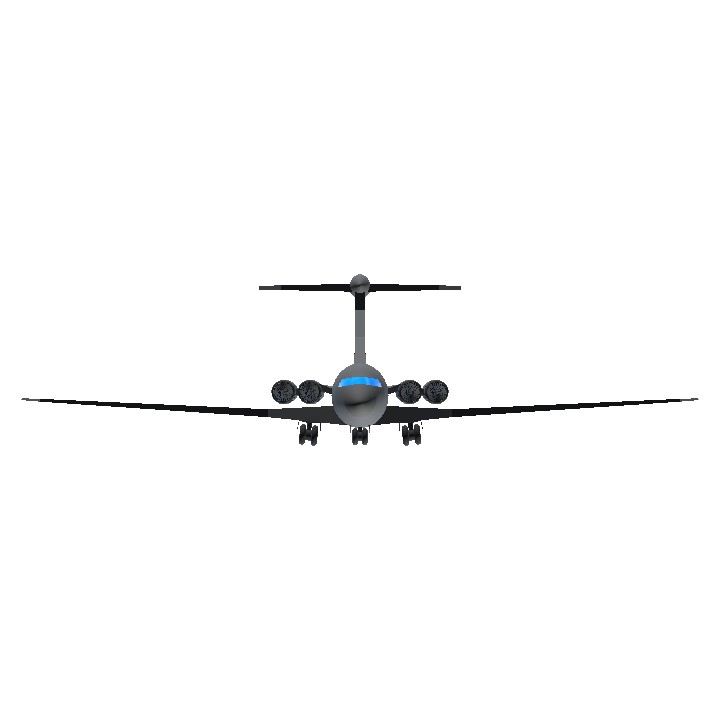
Vickers-Armstrongs/BAC VC-10
The Vickers VC-10 was Britain’s bold answer to the early jet age, first flying in 1962. Designed by Vickers-Armstrongs, it was optimized not for glamorous transatlantic hubs, but for hot, high, and rough-runway operations across Africa, the Middle East, and Asia; exactly where many British Overseas Airways Corporation (BOAC) routes operated.
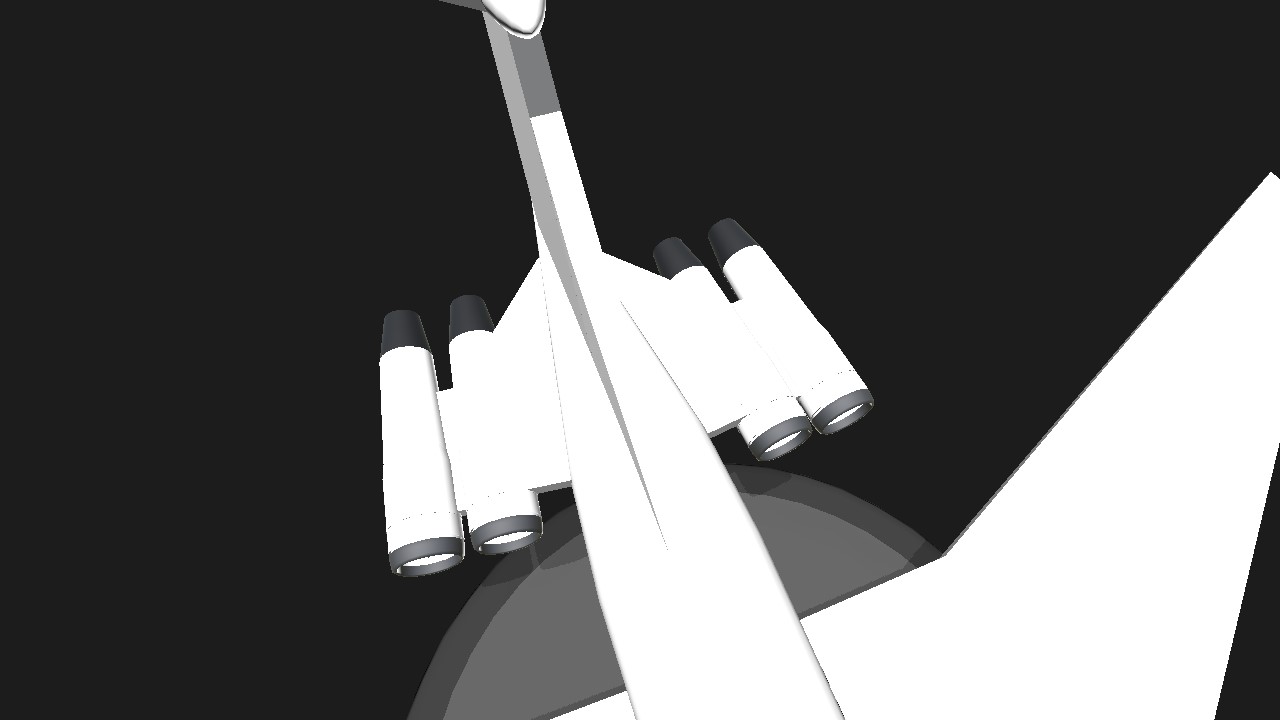
What immediately set the VC-10 apart was its four rear-mounted Rolls-Royce Conway turbofan engines and distinctive T-tail. This layout wasn’t just aesthetic:
- Excellent short-field performance, even in hot-and-high conditions
- Reduced cabin noise, since engines were far behind passengers
- Lower risk of foreign object damage on poorly prepared runways
The aircraft also featured a highly swept wing with advanced high-lift devices, giving it surprisingly strong climb and cruise performance. In fact, the VC-10 briefly held the record for the fastest subsonic transatlantic crossing by a commercial airliner (until it was narrowly beaten by a British Airways 747 in 2020; thanks to a massive "bomb cyclone" T-tail mounting)
Among crews and frequent flyers, the VC-10 gained a reputation for being exceptionally smooth in turbulence; then quiet compared to early Boeing and Douglas jets; comfortable, with a wide and airy cabin feel. Pilots often praised its handling qualities, sometimes calling it one of the best-flying jet transports ever built—high praise in aviation circles.
Despite its technical excellence, the VC-10 struggled commercially:
- It was expensive to build
- Highly customized for BOAC needs
- Less fuel-efficient than emerging American competitors like the Boeing 707 and later the DC-8 (maybe Pan Am also disapproved VC-10 at the time (?))
Only 54 VC-10s were produced, including the Super VC-10, a stretched and more capable variant.
Possible Aircraft Nicknames:
"The Vickers Fun-Ten" : A playful take on its name, highlighting its popularity among pilots for having a significant amount of surplus power.
"The Queen of the Skies" : While the Boeing 747 eventually claimed this title (read: throne) globally, many British enthusiasts still insist the VC10 was the true "Queen" due to its graceful lines.
"The Iron Duck" : Primarily used by Royal Air Force (RAF) personnel. This wasn't necessarily an insult, but a nod to its ruggedness during its long second career as an aerial refueler.
"Vicky Ten" : A simple, affectionate shorthand used by ground crews and spotters.
"The Flying Gin Palace" : A nickname earned during its early BOAC days, referring to the luxury and smoothness of the ride for first-class passengers (who enjoyed a very quiet cabin thanks to the rear-mounted engines).
"The Blue Canoe" : Occasionally used by RAF crews to refer to the transport versions, though this is sometimes shared with other transport aircraft.
Just add yours in the comments, let's discuss :)
C O N T R O L S
Trim : Flaps, cruising 'rotate' adjuster
VTOL : Further flaps
AG.3 : "Night Mode"
AG.4 : 'Navigation mode'
Specifications
General Characteristics
- Created On Android
- Wingspan 141.3ft (43.1m)
- Length 150.1ft (45.7m)
- Height 36.0ft (11.0m)
- Empty Weight 24,984lbs (11,332kg)
- Loaded Weight 140,093lbs (63,545kg)
Performance
- Power/Weight Ratio 1.058
- Wing Loading 62.2lbs/ft2 (303.5kg/m2)
- Wing Area 2,253.3ft2 (209.3m2)
- Drag Points 18847
Parts
- Number of Parts 85
- Control Surfaces 7
- Performance Cost 690
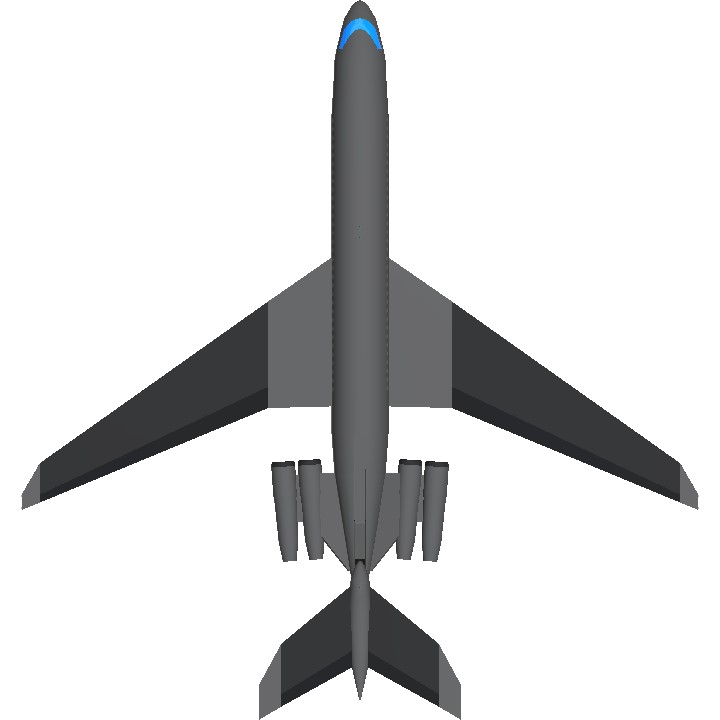
Kewl