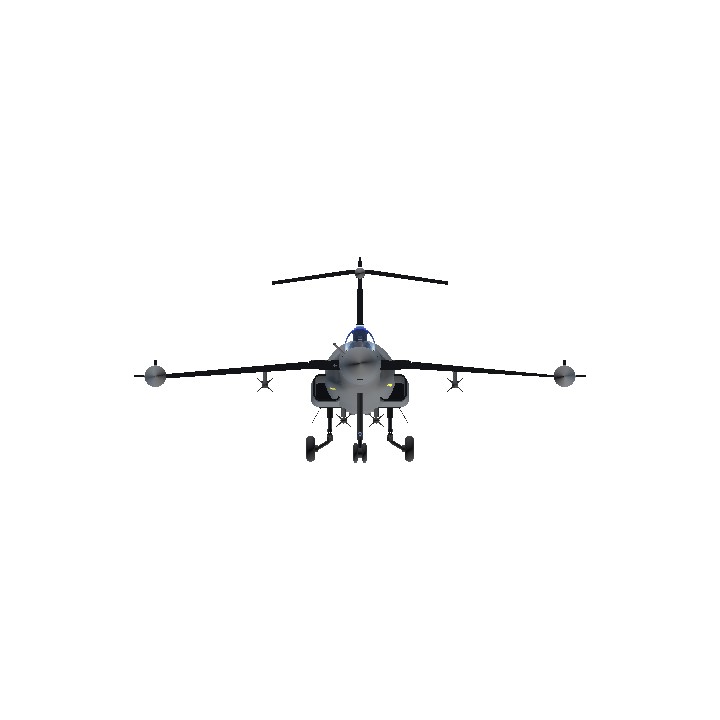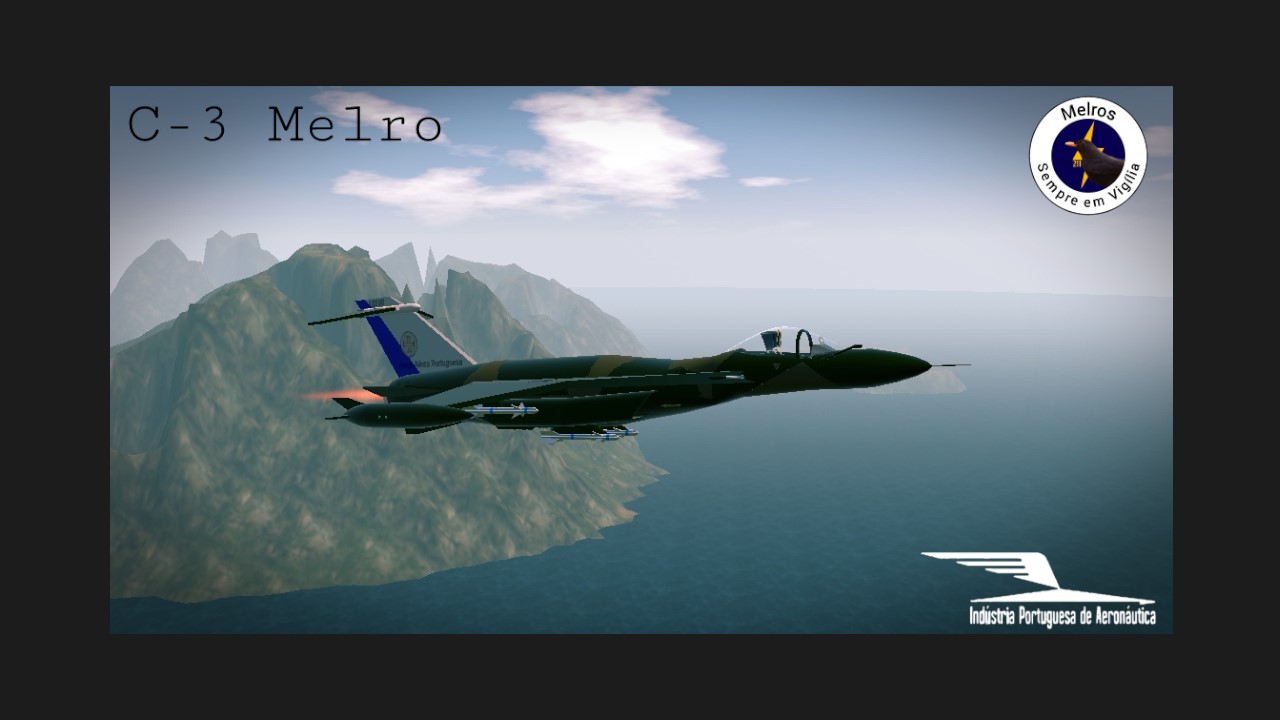
The IPA C-3M “Melro” was a modernized variant of the Portuguese-built C-3 Melro, a second-generation supersonic interceptor originally introduced into service with the Portuguese Air Force in 1952. Conceived during the early Cold War, the C-3 program represented Portugal’s first domestically developed high-performance jet fighter, designed primarily for airspace defense, high-altitude interception, and quick reaction alert duties.
By the late 1960s, advances in missile technology, avionics, and aerodynamic design had begun to render the original C-3A increasingly obsolete. In response, Indústrias Portuguesas de Aeronáutica initiated a comprehensive modernization effort aimed at extending the aircraft’s service life while maintaining its interceptor-focused doctrine. This program culminated in the C-3M, which entered operational service in the early 1970s.
The modernization introduced significant aerodynamic and structural refinements. The vertical stabilizer was redesigned to improve directional stability at high and supersonic speeds, while the horizontal stabilizers were reworked to enhance pitch control and overall handling. The engine air intakes were reshaped to improve airflow efficiency, contributing to better performance and reliability. Internally, the avionics suite was updated with improved navigation and communication systems, giving the C-3M improved situational awareness in increasingly complex air combat environments.
The C-3M also gained compatibility with infrared-guided air-to-air missiles such as early Sidewinder-type weapons, marking a major leap from the gun-focused combat philosophy of the original aircraft. Streamlined wingtip fuel tanks were reintroduced, offering increased range and endurance while minimizing aerodynamic penalties. Although limited air-to-ground capability was added, the aircraft remained fundamentally an interceptor rather than a true multirole fighter.
Throughout the 1970s, the C-3M served as a key component of Portugal’s air defense network, operating alongside newer fighter designs such as the C-4 and the C-5. As these more advanced aircraft entered service, the Melro gradually transitioned to secondary roles, including national airspace policing, interceptor training, and high-speed escort missions.
The modernization program also enabled limited export success. Spain acquired a small number of C-3M aircraft in the mid-1970s to supplement its interceptor force during a transitional phase, operating them until the early 1990s. Brazil became the largest foreign user of the type, receiving Portuguese-built C-3M airframes from the late 1970s onward. In Brazilian service, the aircraft was redesignated C-3M “Aracu”, adopting a locally meaningful nickname while retaining its interceptor role. Although manufactured in Portugal, Brazilian aircraft were progressively modified and upgraded domestically, eventually forming the basis for later national modernization programs.
In Portuguese service, the C-3M was withdrawn from frontline duties by the early 1980s, with the final airframes retiring in 1985. Despite this, the Melro lineage left a lasting legacy. The C-3M represented the most mature and capable evolution of the design, successfully bridging the gap between early Cold War interceptors and more modern fighter concepts. Its adaptability, long service life, and successful foreign operation ensured the C-3M a respected place in the history of Portuguese military aviation.
Hope you enjoy! ;)
Specifications
General Characteristics
- Predecessor IPA C-3A Melro
- Created On Android
- Wingspan 33.7ft (10.3m)
- Length 54.0ft (16.4m)
- Height 15.8ft (4.8m)
- Empty Weight 12,705lbs (5,762kg)
- Loaded Weight 19,104lbs (8,665kg)
Performance
- Power/Weight Ratio 4.411
- Wing Loading 51.4lbs/ft2 (251.1kg/m2)
- Wing Area 371.5ft2 (34.5m2)
- Drag Points 4462
Parts
- Number of Parts 250
- Control Surfaces 6
- Performance Cost 1,080