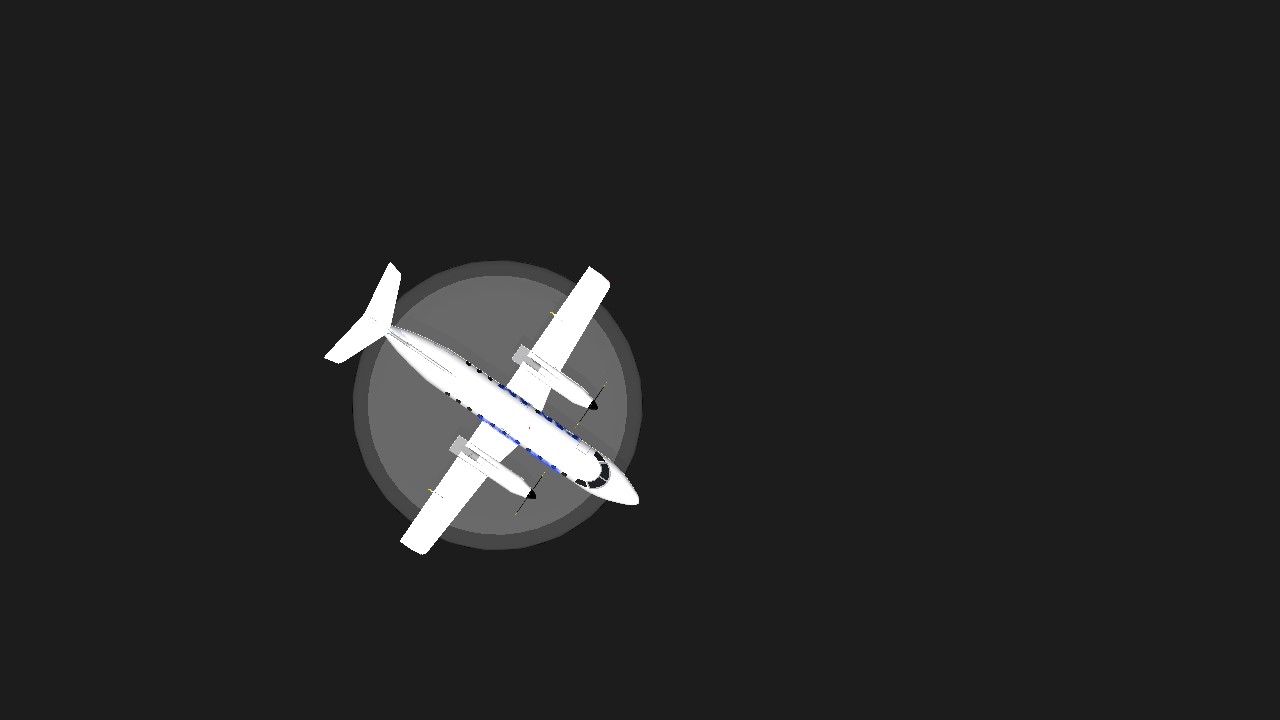
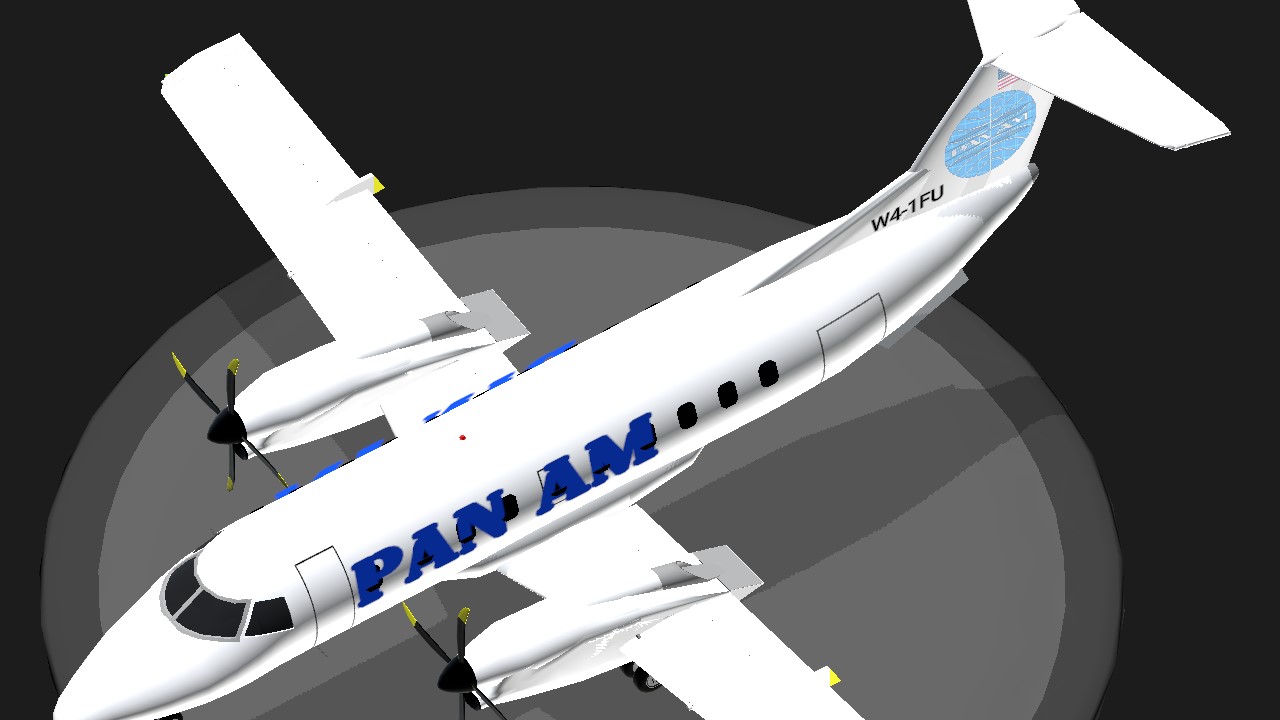
WASSUP EVERYONE!
About Embraer EMB-120
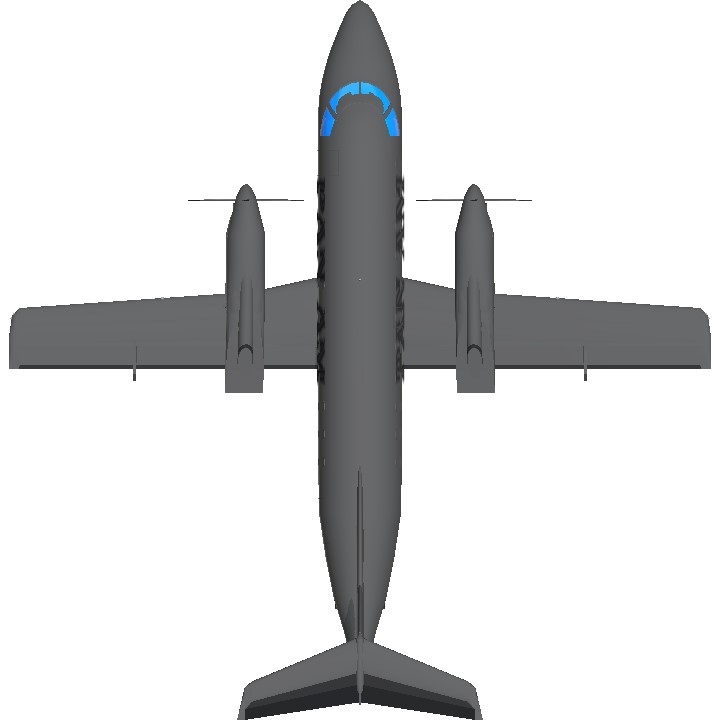
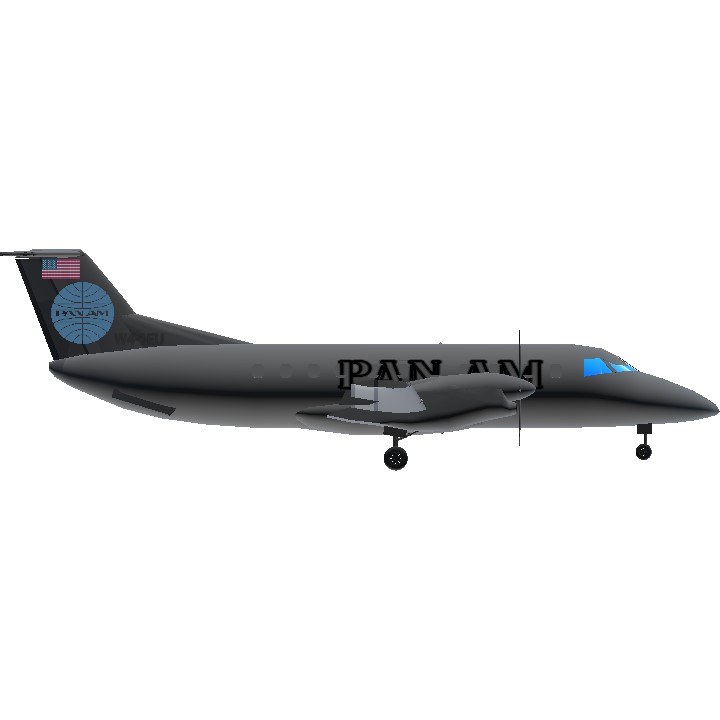
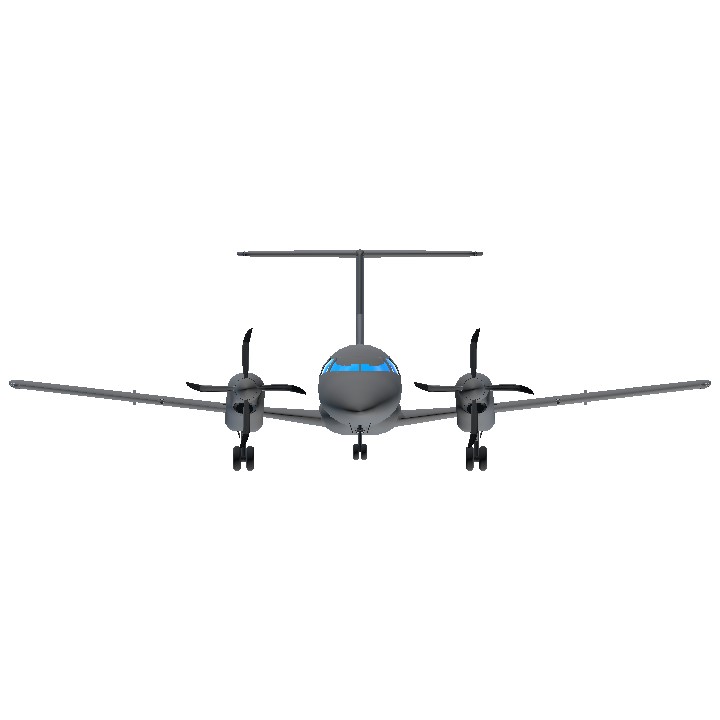
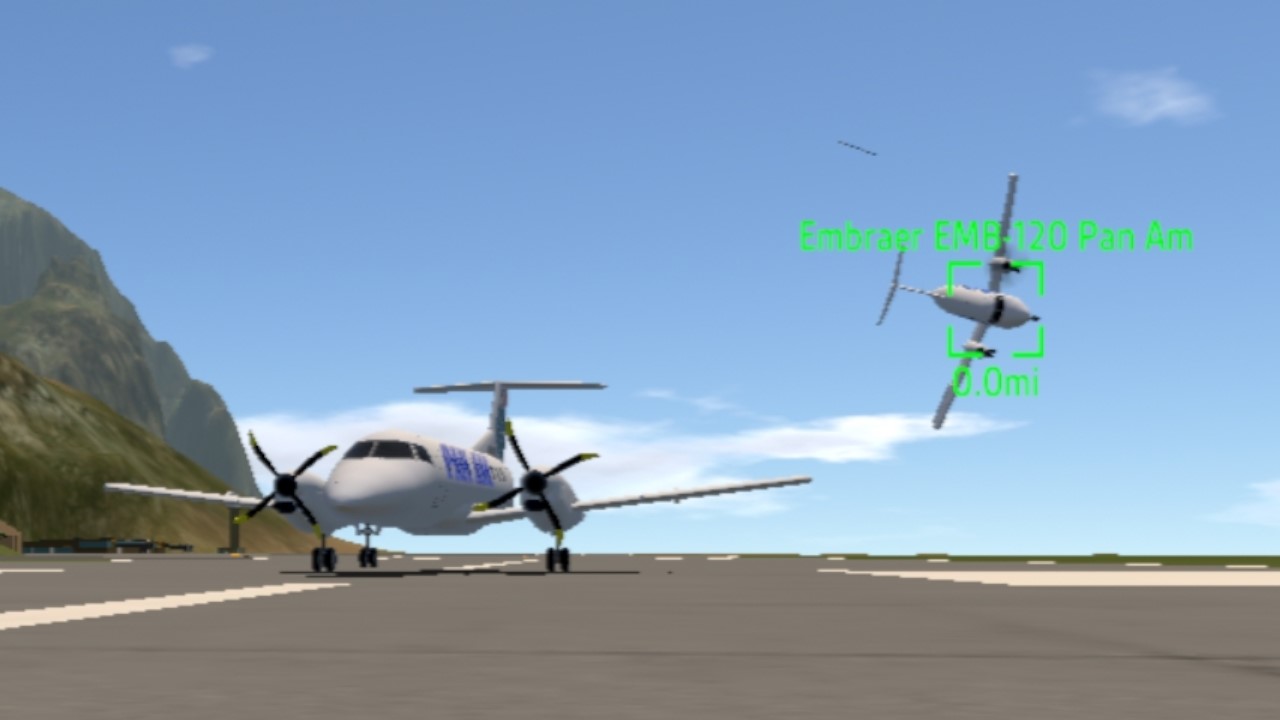
EMB 120 Brasilia is a large twin-engine turboprop airliner manufactured by Embraer
First flight and operations
The first flight took place on July 27, 1983, and the plane has been introduced and commercial operations started and began in October 1985. Since 1994, production has been limited to the EMB 120ER, with a range increased to 1,575 km and an increased capacity.
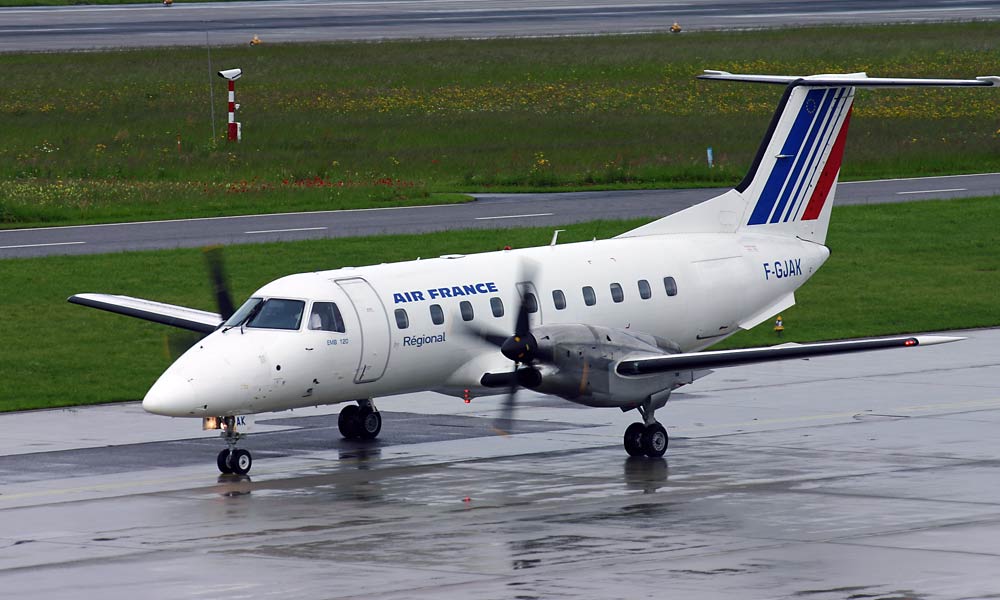
Embraer EMB-120 Air France
History of activities
Most EMB 120s were sold in the United States and elsewhere in the Western Hemisphere. Several European airlines, such as Régional in France , DAT in Belgium, and DLT in Germany, also purchased EMB-120s. Series production ended in 2001. As of 2007, the line was still capable of producing additional aircraft, as the EMB 120 production line shares much of its production equipment with the ERJ-145 production line, currently in production. The Angolan Air Force purchased one new EMB 120 in 2007.
SkyWest currently operates a fleet of EMB 120s under the United Express and Delta Connection banners.
About Pan Am (my fav)
Pan American World Airways , commonly known as Pan Am , was the primary international airline of the United States from the 1930s until its demise in 1991. Originally founded as a seaplane service from Key West, Florida , the airline became a major player credited with many innovations that became standards in the international airline industry, including the mass use of jet aircraft , jumbo jets, and computerized reservations systems. Known for its blue globe logo and the use of the word "Clipper" in each of its aircraft and call signs, Pan Am is an icon of 20th-century culture and the unofficial national airline of the United States.
Pan Am split into two companies after 1991. A second Pan Am operated from 1996 to 1998, focusing on low-cost long-haul flights from the United States to the Caribbean. A third Pan Am, based in Portsmouth, New Hampshire , ceased operations in 2004 ( Boston-Maine Airways , a sister airline to Pan Am III, continues to operate as Pan Am Clipper Connection). Except for Pan Am III, which has the IATA call sign "PN," Pan Am III still uses the IATA call sign PA and the ICAO call sign PAA, even though these companies have no connection to the original Pan Am. Even Pan Am III had no connection to Pan Am III in the mid-1990s.
History
Pan American Airways was founded on March 14, 1927 , by Major Henry H. "Hap" Arnold and his partner. Their military company could have secured a contract to deliver the U.S. mail to Cuba, but they lacked the financial means to do so. On June 2, 1927 , Juan Trippe founded the Aviation Corporation of America with the strong and political backing of financiers William A. Rockefeller , Cornelius Vanderbilt Whitney , and others; Whitney served as president. Their company had all the rights to land in Havana, having acquired a small airline founded in 1926 by John K. Montgomery and Richard B. Bevier, which operated a seaplane service from Key West to Havana. Atlantic, Gulf, Caribbean Airways was founded on October 11, 1927, by New York City investment banker Richard Hoyt, who served as president. The three companies merged into a holding company called Aviation Corporation of the Americas on June 23, 1928. Richard Hoyt was named Chairman of the Board, but Trippe and his partner owned 40% of the company, and Whitney was named President. Trippe became the head of operations for the new Pan American Airways organization, which was established as the first operating subsidiary of Aviation Corporation of the Americas.
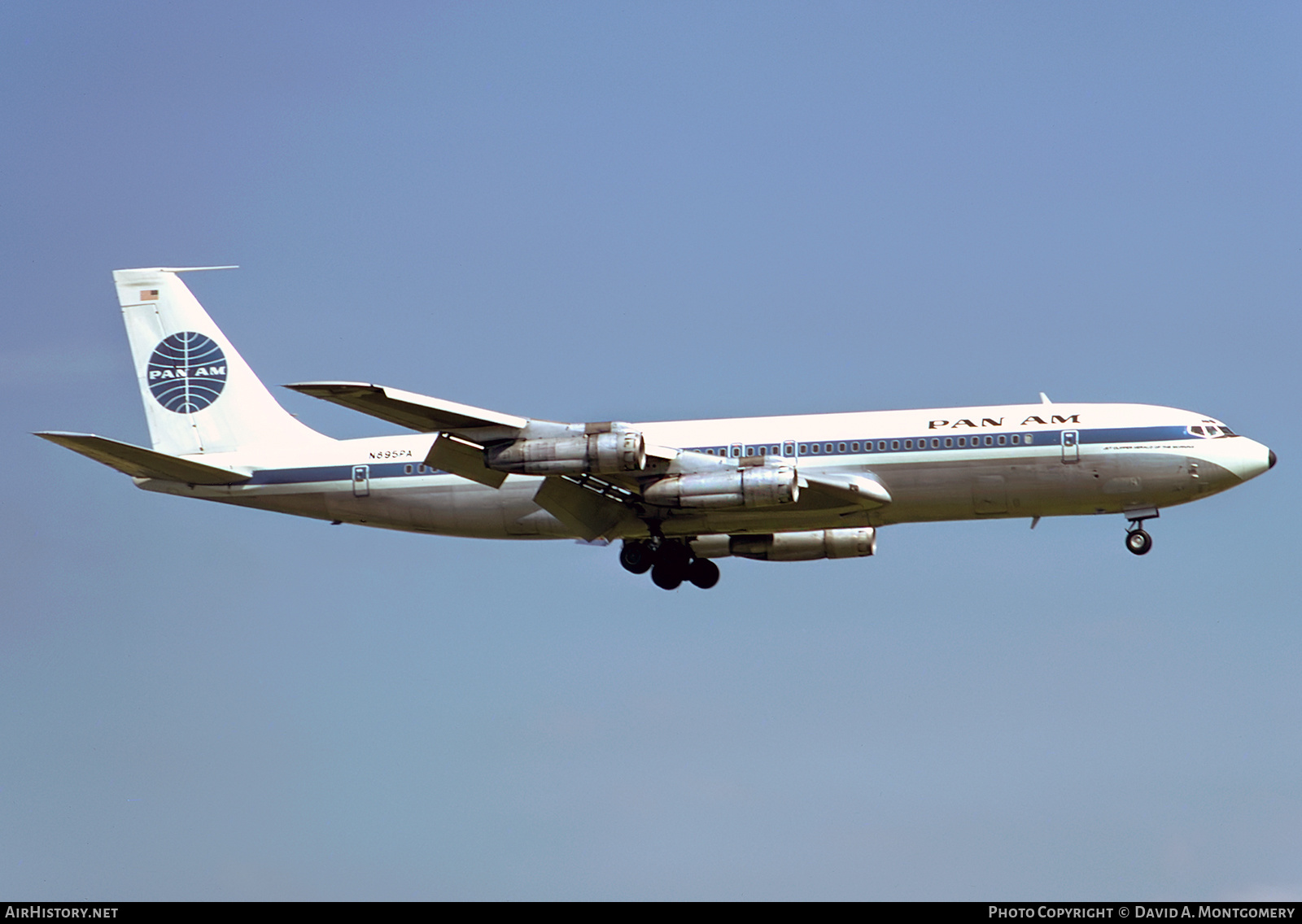
Boeing 707 Pan Am N895PA
Trippe and his allies planned to expand Pan Am's routes throughout Central and South America. During the late 1920s and early 1930s, Pan Am purchased several bankrupt and failing Central and South American airlines and negotiated landing rights with postal workers to gain a majority of government mail contracts to those regions. In September 1929 , Trippe traveled to Latin America with Charles Lindbergh to negotiate landing rights in several countries, including SCADTA's home base of Colombia. By the end of the year, Pan Am was offering flights down the west coast of South America to Peru. The following year, Pan Am acquired the New York, Rio and Buenos Aires Line (NYRBA), giving it seaplane service along the east coast of South America to Buenos Aires, Argentina, and west to Santiago, Chile, and renamed the airline Panair do Brasil . Pan Am also partnered with the Grace Shipping Company in 1929 to form Pan American-Grace Airways , also known as Panagra, to gain a foothold in the Andean countries of South America.
Pan Am's parent company, Aviation Corporation of the Americas, was the most actively traded stock on the New York Curb Exchange in 1929, and speculation about its stock's value increased every time it added new routes. One day in March, its stock rose 50%. Trippe and his allies fought off a takeover attempt by United Aircraft and Transport Corporation (UATC) to retain control of Pan Am (UATC was the parent company of what are now Boeing , Pratt & Whitney , and United Airlines ).
While Pan Am was developing its South American network, it also negotiated a partnership with Bernt Balchen of Norwegian Airline DNL in 1937 for transatlantic flights to Europe. The deal called for Pan Am to use its Clippers for flights from New York to Reykjavík , Iceland , while DNL would use Sikorsky S-43s to fly to Bergen , Norway . This idea was abandoned when Pan Am withdrew and instead turned to Britain and France to start seaplane service between the United States and Europe. The British state airline Imperial Airways was eager to partner with Pan Am, but France was less willing to cooperate, as the French national airline Aéropostale was the dominant carrier in Latin America and also a rival to Pan Am on some routes. Eventually, Pan Am secured agreements with both countries to provide service from Norfolk, Virginia to Europe via Bermuda and the Azores using Sikorsky S-40 seaplanes . The service was not yet fully operational, but from June 16, 1937, a joint service from New York to Bermuda began, with Pan Am using the Sikorsky S-42 Bermuda Clipper and Imperial Airways using the "C-class" seaplane RMA Cavalier. Pan Am also secured a contract to deliver mail from Boston to Halifax.
FIRST FLIGHT
On July 5, 1937, the first commercial test flight across the North Atlantic was piloted. A Sikorsky S-42 Pan Am Clipper III, landed at Botwood in Exploits Bay, Newfoundland, Canada from Port Washington, New York, flying over Shediac, New Brunswick, Canada. The next day, the Pan Am Clipper III, piloted by Captain Harold Gray, left Botwood for Foynes, Ireland. On the same day, the Short Empire C-class The Caledonia, commanded by Captain Arthur Sydney Wilcockson, left Foynes for Botwood and landed on July 6, reaching Montreal on July 8 and New York on July 9. These test flights marked the first steps toward the launch of commercial flights across the Atlantic.
Introduction of Boeing 314
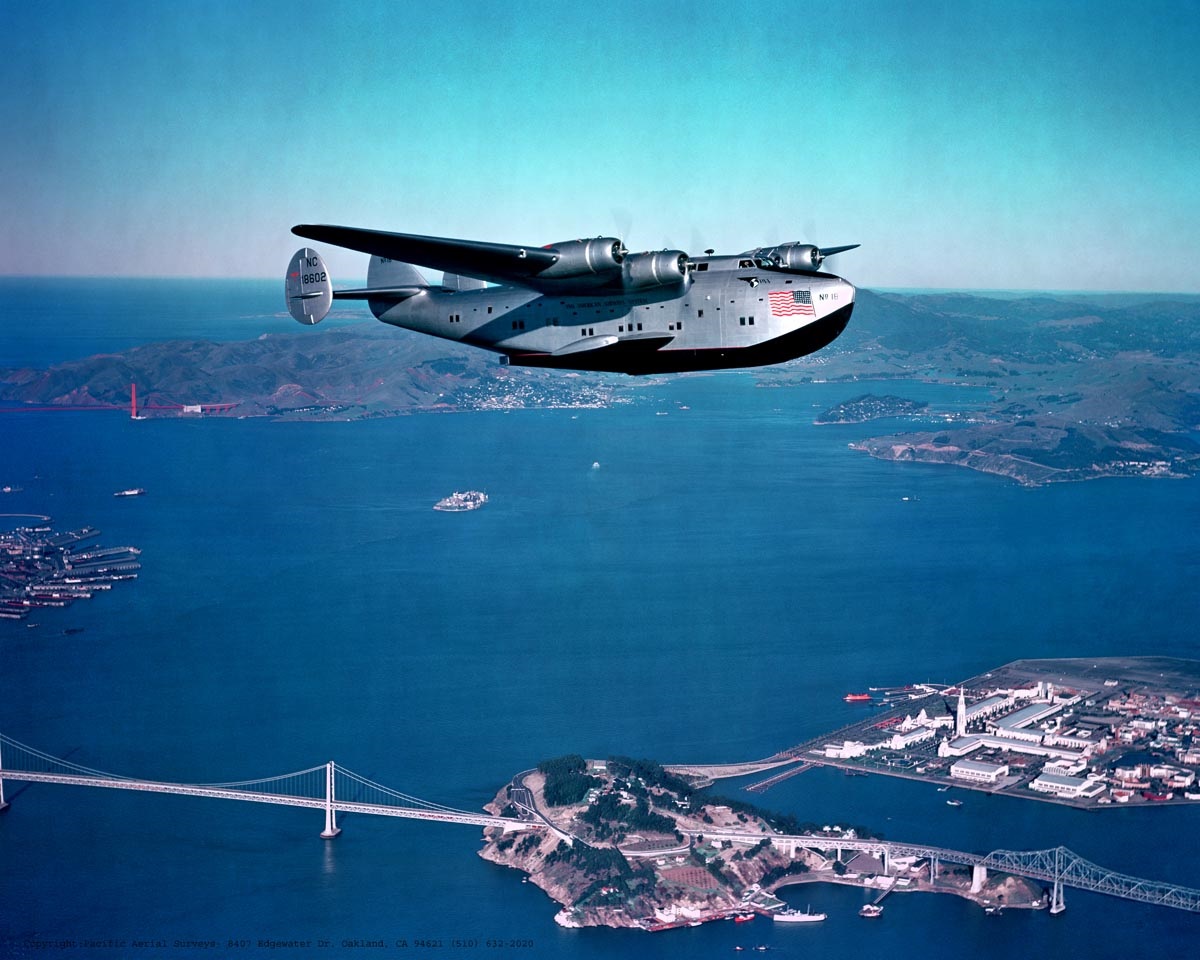
A fleet of six Boeing 314 long-range seaplanes was delivered to Pan Am in early 1939. The new aircraft allowed weekly passenger and mail flights from the United States to Great Britain, beginning on July 28, 1939. The route ran from New York via Shediac, Botwood, and Foynes to Southampton. One-way fares were $375—the equivalent of $5,000 today. From the outbreak of war, Foynes served as a station until winter service ended on October 5. Throughout the war, Pan Am Boeing 314s flew regularly over the central Atlantic and around the world in support of military operations.
Overland air service of Pan Am
Pan Am had planned to begin overland air service via Alaska to Japan and China and take Lindbergh on a survey flight in 1930; however, the rise of the Soviet Union and Japan made this route unviable. Trippe then decided to open service from San Francisco to Honolulu and from there to Hong Kong and Auckland by ship. After negotiating landing rights in 1934 at Pearl Harbor , Midway Island , Wake Island , Guam , and Subic Bay ( Manila ), Pan Am flew a $500,000 aircraft westward in March 1935 and made its first survey flight to Honolulu in April with a Sikorsky S-42. The airline won a San Francisco-Canton mail contract later that year, flying the first Martin M-130 on November 22 to much fanfare. Pan Am then used Boeing 314s for Pacific routes: in China , passengers could connect to domestic flights on the China National Aviation Corporation (CNAC) network established by Pan Am. The Boeing 314 was also used for transatlantic flights beginning in 1939.
Specifications
Spotlights
- Mitterbin 2 months ago
General Characteristics
- Predecessor Embraer EMB-120 Brasilia
- Created On Android
- Wingspan 64.8ft (19.8m)
- Length 66.4ft (20.3m)
- Height 20.4ft (6.2m)
- Empty Weight 9,254lbs (4,197kg)
- Loaded Weight 18,573lbs (8,425kg)
Performance
- Horse Power/Weight Ratio 0.323
- Wing Loading 24.7lbs/ft2 (120.4kg/m2)
- Wing Area 753.0ft2 (70.0m2)
- Drag Points 6215
Parts
- Number of Parts 267
- Control Surfaces 11
- Performance Cost 1,297