PROJECT TRIDENT
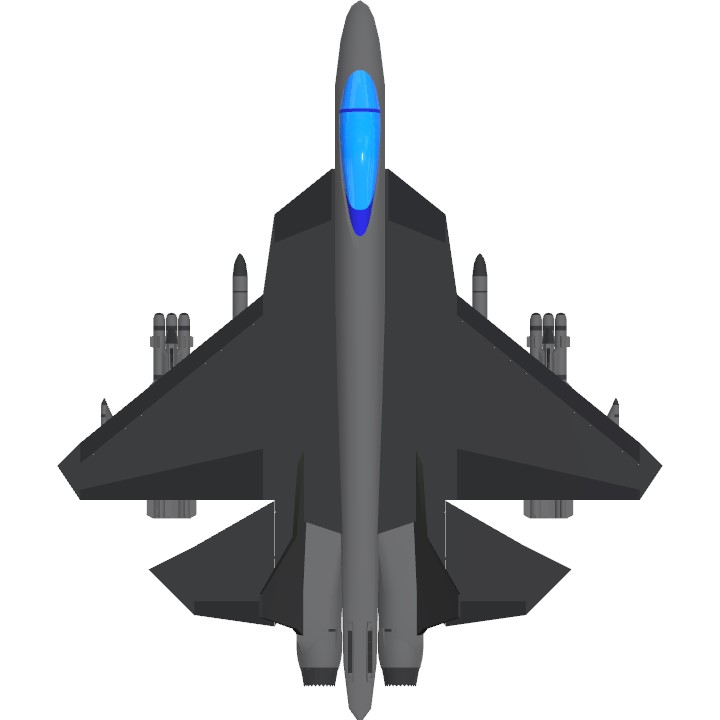
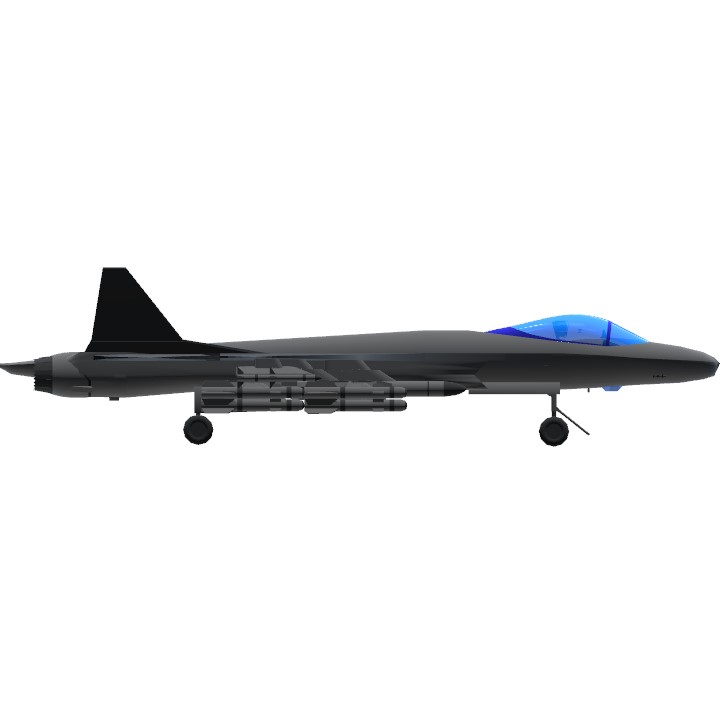
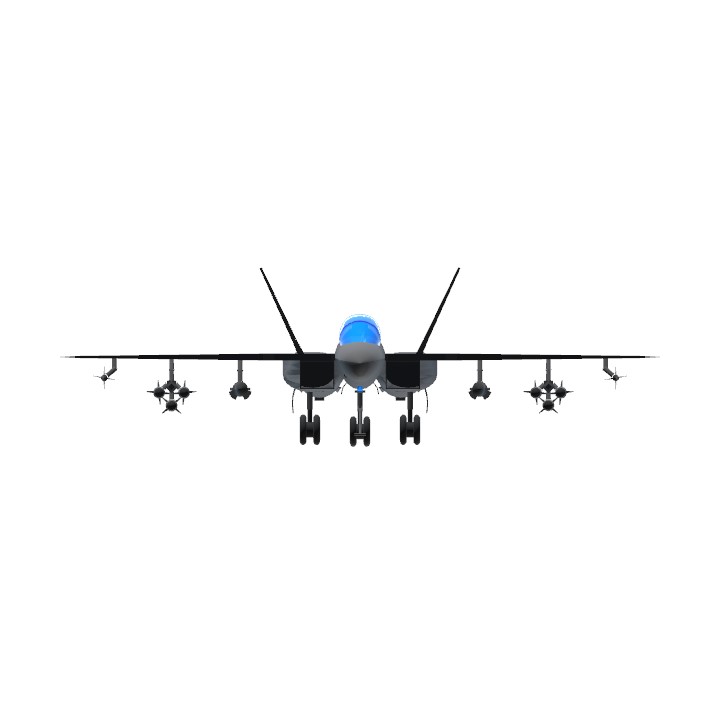
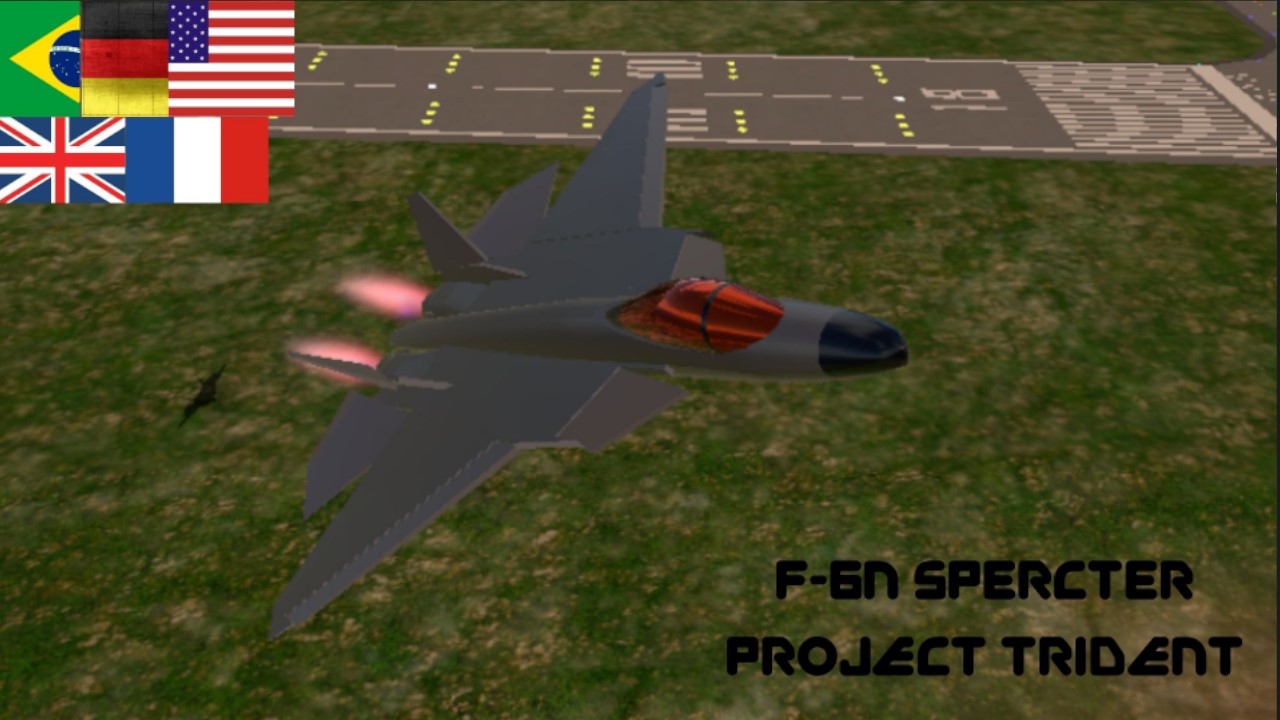
F-6N SPECTER — Multinational Naval Air Dominance Fighter
Consortium: Embraer · Lockheed Martin · Dassault Aviation · BAE Systems · Airbus Defence & Space
Partner Nations: Brazil · United States · United Kingdom · France · Germany
Overview
Project TRIDENT is a multinational program created to develop a next-generation 5th‑generation naval fighter, designed to replace multiple legacy platforms across allied navies and air forces. The program unifies air superiority, precision strike, SEAD/DEAD, and maritime denial capabilities into a single, fully NATO‑interoperable aircraft.
The result of the program is the F‑6N Specter, a compact, carrier‑capable stealth fighter featuring supercruise, selective low‑observable configuration, and the ability to operate with heavy external payloads once air superiority has been established.
Program Timeline
2028 — Project TRIDENT Launched
Formal launch following joint studies identifying the need for a common successor to:
- A‑4 Skyhawk (Brazilian Navy)
- Eurofighter Typhoon (UK & Germany)
- Rafale (France)
Core requirements defined:
- Full carrier operations
- Selective stealth capability
- Supercruise
- Full NATO systems and weapons integration
- Open‑architecture avionics
2030 — Concept Consolidation
- First aerodynamic demonstrators fly.
Final configuration selected, combining:
- Low observable frontal and lateral shaping
- Excellent low‑speed handling for carrier landings
- High agility in within‑visual‑range combat
2032 — TRIDENT‑X Prototype
- First fully functional prototype performs maiden flight.
- Supercruise capability confirmed without afterburner.
- Simulated carrier trials validate structural strength and approach control.
2034 — F‑6N Pre‑Series Production
- Low‑rate initial production begins.
- Full integration with NATO weapons and multinational combat systems.
- Joint carrier trials conducted with allied navies.
2037 — Program Completion
- Full operational certification achieved.
Initial operational service with:
- Brazilian Navy
- Royal Navy
- French Navy (Marine Nationale)
- European NATO forces
- U.S. Navy, operating alongside the F‑35C
Combat Debut
The F‑6N Specter achieved its combat debut during a multinational precision strike operation against Iranian nuclear technology facilities.
Mission objectives included:
- Suppression of enemy air defenses
- Air superiority and fleet protection
- Precision strikes against strategic targets
- Specters conducted BVR intercepts against IRIAF F‑4 Phantom II fighters, achieving multiple kills before visual detection.
The operation validated:
- Sensor fusion superiority
- Long‑range BVR dominance
- Survivability in contested airspace
Operational Doctrine
The F‑6N Specter was designed around the philosophy:
“First to see, first to shoot, first to leave.”
Primary roles:
- Carrier air superiority
- Fleet defense
- Deep precision strike
- SEAD/DEAD
- Maritime strike
Integrated Armament
Air‑to‑Air
- RML‑20 — Long‑range radar‑guided BVR missile (~200 km range)
- IRM‑7 — Short‑range infrared missile (~8 km range)
Air‑to‑Ground
- AGM‑47 HellDiver — Tactical air‑to‑surface missile
- Paveway laser‑guided bombs
- JDAM GPS‑guided bombs
- Anti‑radiation missiles for SEAD/DEAD missions
Anti‑Ship
- AGM‑84 Harpoon integration
Internal Gun
- 1× M61 Vulcan 20 mm rotary cannon
Current Status
The F‑6N Specter, developed under Project TRIDENT, is regarded as a cornerstone of 21st‑century multinational naval air power. Operating alongside the F‑35C, it provides enhanced air dominance, supercruise capability, and superior payload flexibility, establishing itself as one of the most versatile combat aircraft ever developed.
Project TRIDENT — Dominance of air, sea, and modern warfare.
Specifications
General Characteristics
- Created On Windows
- Wingspan 43.2ft (13.2m)
- Length 51.7ft (15.8m)
- Height 13.0ft (4.0m)
- Empty Weight 49,087lbs (22,265kg)
- Loaded Weight 53,474lbs (24,255kg)
Performance
- Power/Weight Ratio 5.673
- Wing Loading 73.8lbs/ft2 (360.1kg/m2)
- Wing Area 725.0ft2 (67.4m2)
- Drag Points 5785
Parts
- Number of Parts 371
- Control Surfaces 10
- Performance Cost 3,054