

The winter months,
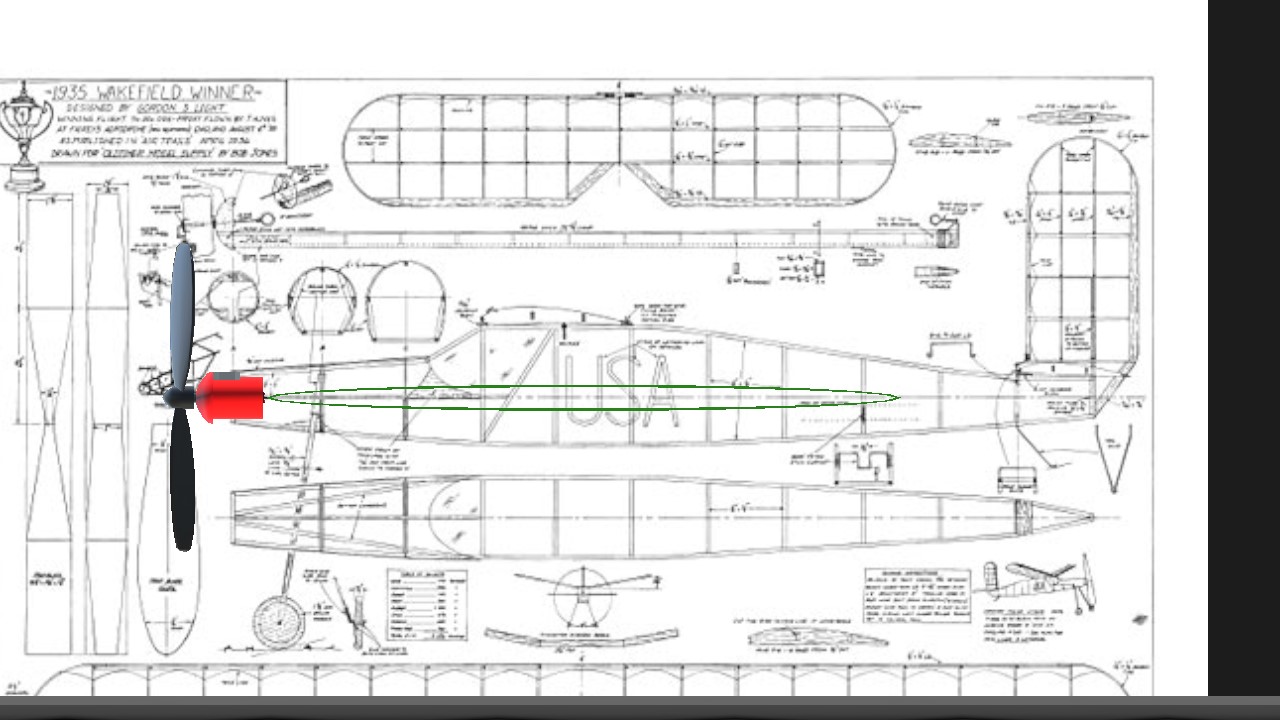
...when the air is calm and thermal updrafts are few, are traditionally the time for rubber powered model air plane free flight competitions. Of particular interest are the Coupe d'Hiver or winter cup competitions typically designed for small, cheap rubber planes, often built just a weeks before the event on long, dark winter evenings.
Here I give you
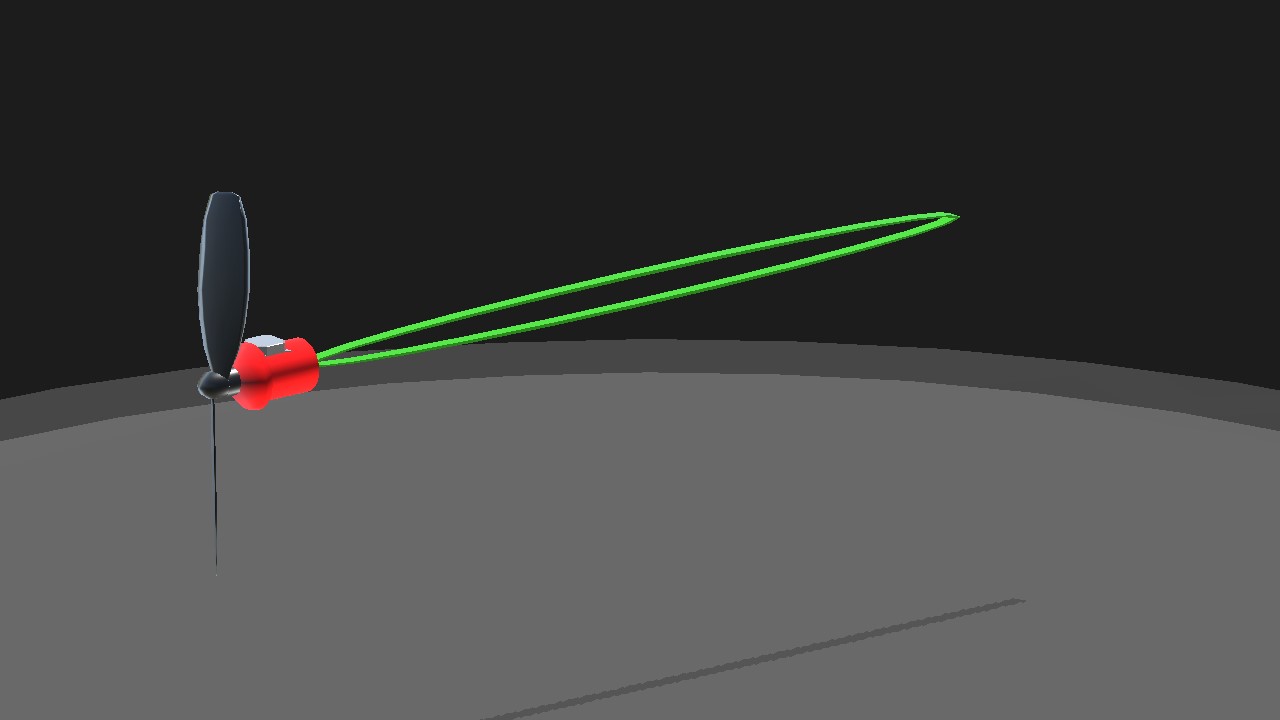
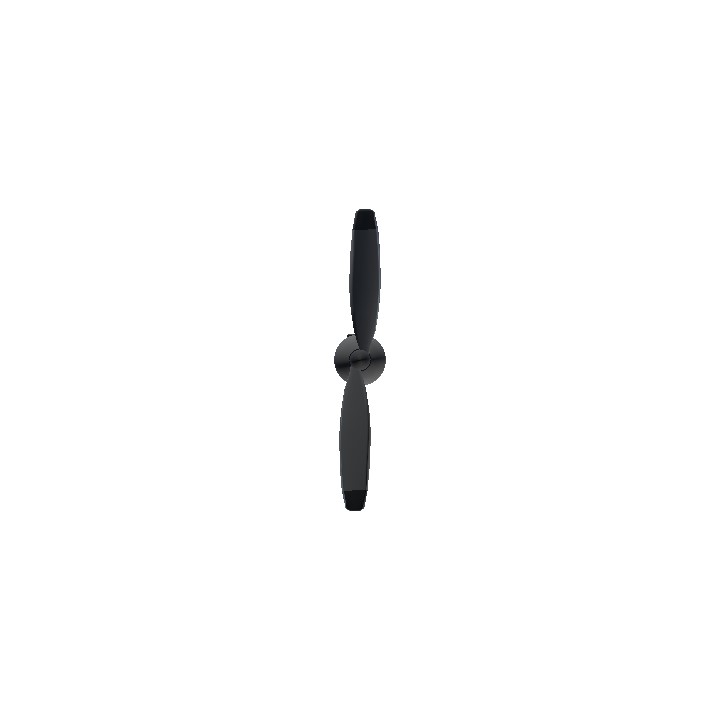
... A simulation of a rubber engine in SimplePlanes. It will turn a fixed pitch propeller about 1000 turns and then stop. There is no throttle. If you pust the left joystick up, the engine will run at full power for 1000 rotations or about 1 minute until its 'rubber' is wound down, after which it stops and the plane sails to the ground as a glider. ( I have made a demo rubber engine airplane you can play around with to understand the principle a little better. Just click the link above, or simple go HERE to see it.)
The Challenge
.... If you choose to accept it, is to download this rubber engine and build yourself a model aircraft around it that looks, feels and flies as if it were a bonafide competitor in a Coupe d'Hiver fun fly. As SimplePlanes is a simulation already, the planes do not need to be 'model-sized'. Just taking the rubber engine as a measurement for the plane size will do.
The Rules:
The challenge is to build a RUBBER POWERED MODEL AIRPLANE. So the entries must be immediately recognizable as such.
The plane MUST use the 'rubber engine' provided. (This also houses the flight controller used to mark your plane as a successor). If you use a solid fuselage, you can opt to leave out the 'rubber band' in the back and the rotator that turns it, as long as it is believable that it will fit inside the fuselage.
The plane MUST be able to glide back to earth and land without crashing after the rubber engine stops. With the engine running for about one minute, a Coupe d'Hiver competition plane worth its name SHOULD be able to reach total flight times of two minutes or more and WILL be judged on that criteria.
The plane CAN either take off on a fixed landing gear or be thrown into the air by a launching mechanism. It can land on its wheels, on a skid or on its belly. If you choose to 'throw' your aircraft into the air, you should provide the launching mechanism as part of your build. (Planes will NOT be judged on the looks of tht launcher, just on how good they fly after being launched)
The plane OUGHT to have at least one control surface to enable steering it. However as a true free-flight rubber model, it SHOULD be able to fly on its own with minimal steering input and ideally be able to fly just on yaw and trim. Planes WILL be judged on how easy they are to fly with minimal input.
There are NO LIMITS on the number of planes a person can enter. In fact, as this challenge is relative unknown territory, I DO ENCOURAGE builders to post their first tries and proof of concepts so other builders can download and study them and use the knowledge gained for their next build. Although refrain from just copying chunks of another builder's design without giving him proper credit.
The planes will be judged on my cell phone, so keep the part count below 400 parts please.
The challenge will run for 4 weeks. In order to be judged, THE PLANE SHOULD BE POSTED by Friday February 13th, midnight.
Judging:
Planes that are posted before Friday 2/13 (Midnight) will be judged on the following criteria:
1. Look and feel (and believability) as a rubber airplane
2. Flying characteristics, in particular stability
3. Gliding characteristics and total flying time
Some ideas:


More pictures, articles and plans...
...for real-life rubber power free-flight aircraft can be found on the Internet at:
- Aerofred
- The Outerzone
- Hip pocket aeronautics the site seems to have some problems lately after the original owner passed away, but you can still look up the site as it was 2 years ago on the Internet Archive
Happy Landings
Specifications
Spotlights
- ThomasRoderick 6 days ago
- Mrcooldude 6 days ago
General Characteristics
- Predecessor Rubber engine demo plane
- Created On Android
- Wingspan 1.6ft (0.5m)
- Length 22.7ft (6.9m)
- Height 9.5ft (2.9m)
- Empty Weight 1,396lbs (633kg)
- Loaded Weight 1,455lbs (660kg)
Performance
- Horse Power/Weight Ratio 0.171
- Wing Loading N/A
- Wing Area 0.0ft2 (0.0m2)
- Drag Points 209
Parts
- Number of Parts 6
- Control Surfaces 0
- Performance Cost 59
@MiguelYT Todos los aviones estándar monomotor de hélice que vienen con SimplePlanes pueden volar durante un minuto a máxima potencia y luego mantenerse en el aire durante un minuto más planeando sin motor. Incluso el P-51D.
Esto no es posible