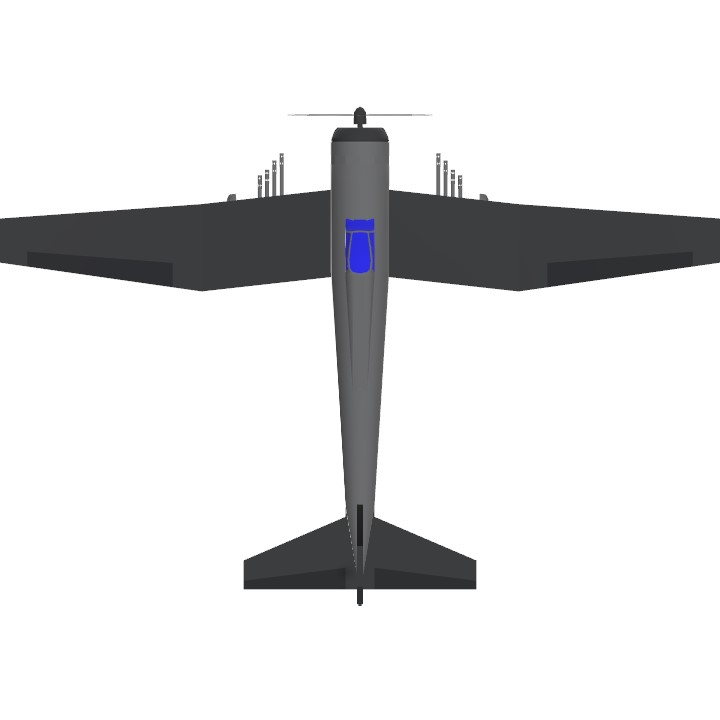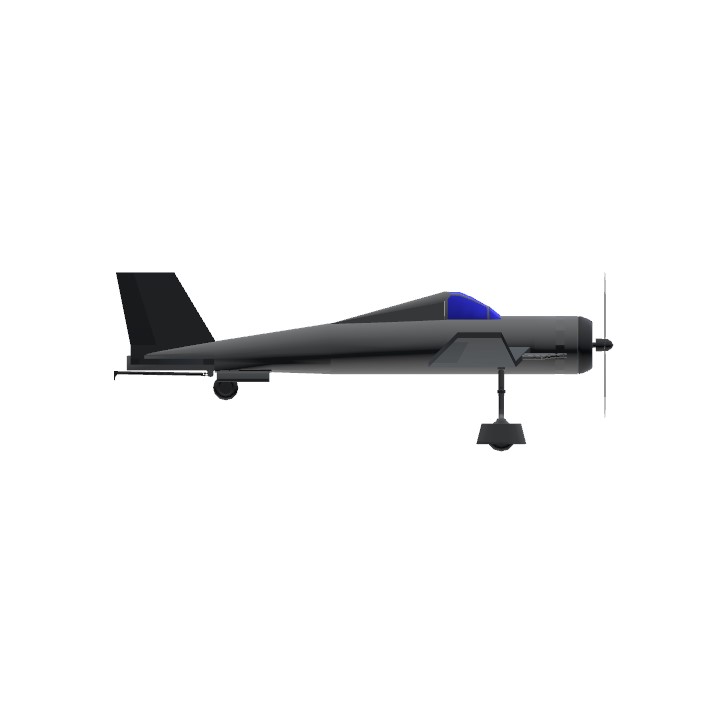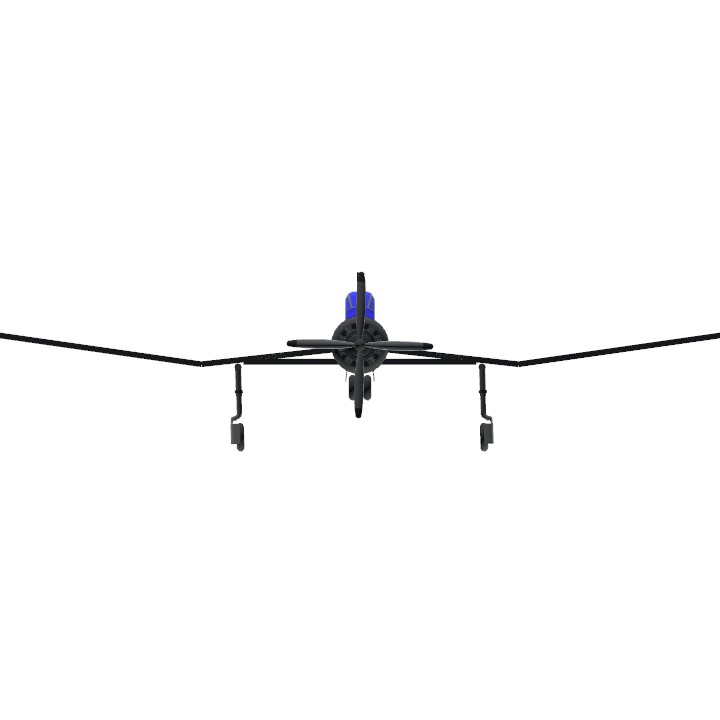
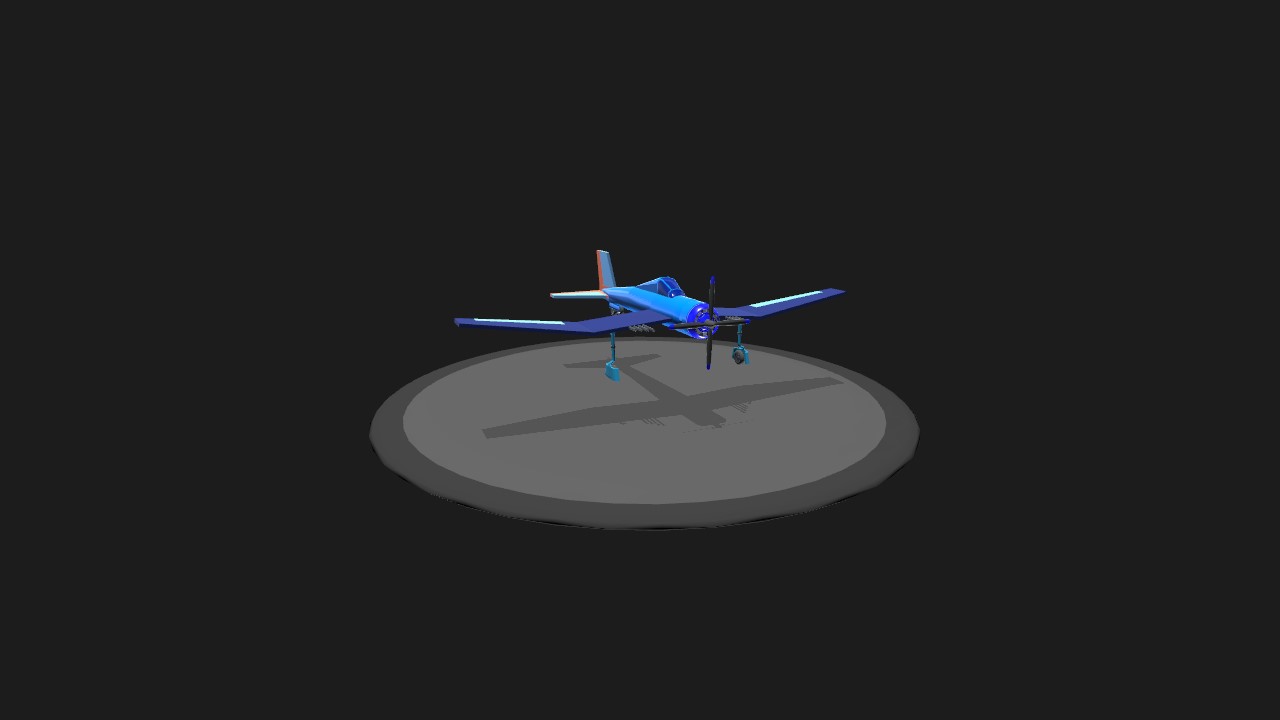

The Slaying Seagull is a rare example of a USS landplane. It was developed as the performance gap between seaplanes and landplanes grew again, making the Fighting Fulmar ever less effective at protecting fleets. This led not just to the creation of this fighter, but also to the revival of aircraft carriers.
In the post-Crumbling world, aircraft carriers have been rare vessels, even within naval powers capable of fielding considerable fleets, due to the difficulties adapting the concept to renewable energy sources While newer batteries, biofuel algae breeds, and advances in hydrogen storage have improved an aircraft carrier's ability to operate without fossil fuels or the rare nuclear reactors; this is still the main reason the USS hasn't truly moved away from seaplanes for the bulk of their functions: seaplane tenders don't need a flat top, and can carry wind turbines, wingsails or other wind-powered means of propulsion instead of relying on stored power.
As the new generation of carriers consists of small ships comparable to old light carriers, this fighter can take off from surprisingly short runways. It's armed with 8 .50 HMGs, and possesses a considerable endurance. Unlike it's ancient lookalike, Slaying Seagulls possess impressive ground handling.
Specifications
General Characteristics
- Created On Windows
- Wingspan 40.6ft (12.4m)
- Length 27.7ft (8.4m)
- Height 9.9ft (3.0m)
- Empty Weight 4,450lbs (2,018kg)
- Loaded Weight 6,924lbs (3,140kg)
Performance
- Horse Power/Weight Ratio 0.288
- Wing Loading 31.2lbs/ft2 (152.5kg/m2)
- Wing Area 221.6ft2 (20.6m2)
- Drag Points 1821
Parts
- Number of Parts 32
- Control Surfaces 5
- Performance Cost 234