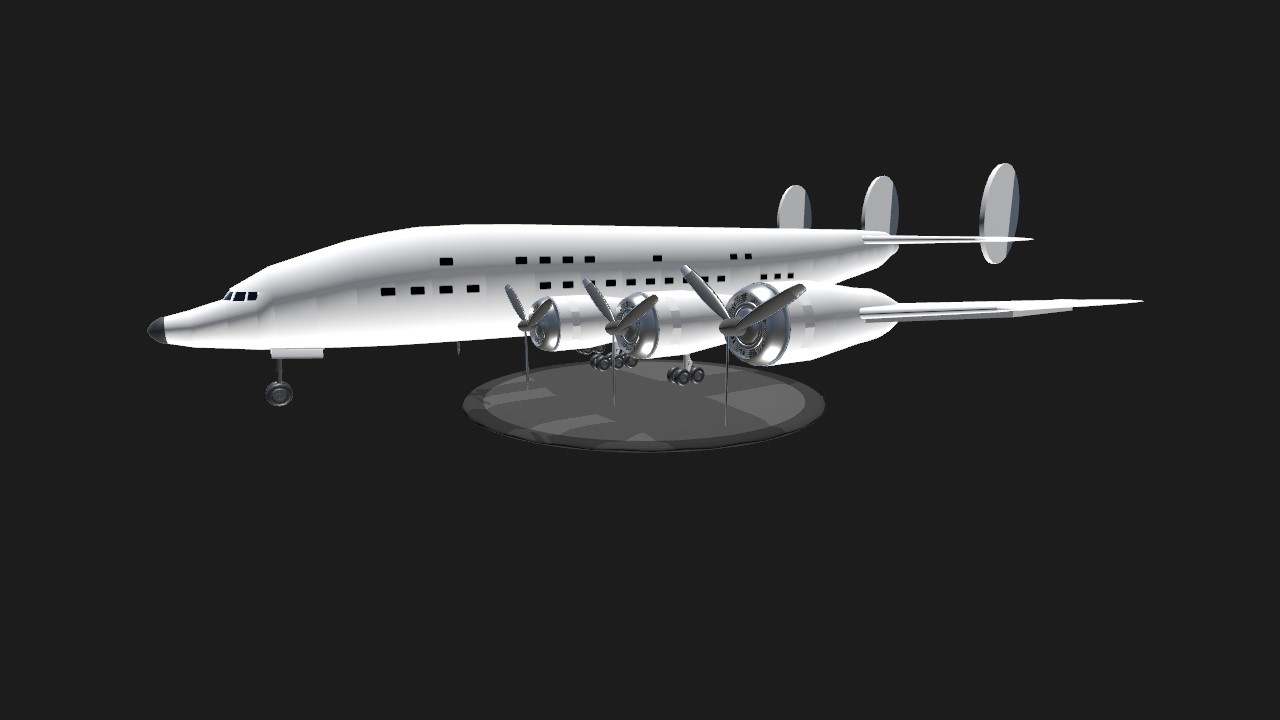
(Translated by DeepSeek AI)
Lockheed L-2049 Ultra Constellation
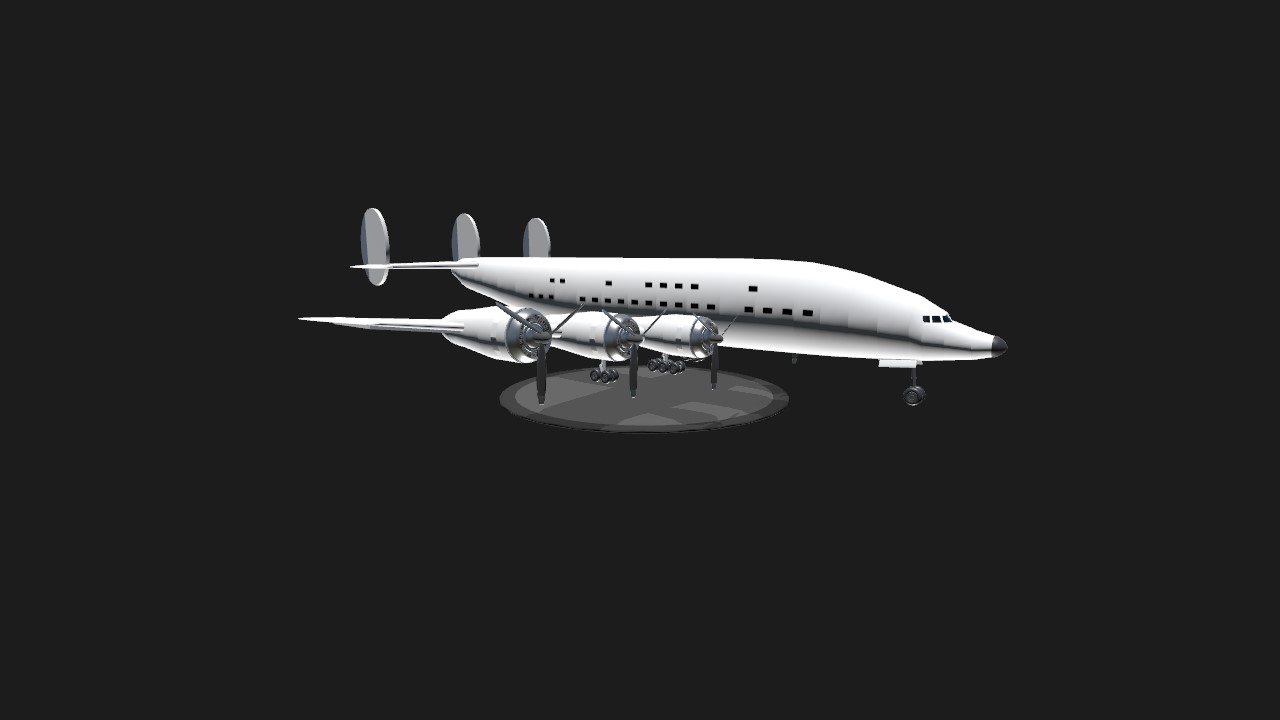
Before the dawn of the jet age, piston-engine aircraft blossomed in a vibrant variety of designs, dominating the skies. Among them were visionary pioneers that introduced revolutionary concepts ahead of their time. The Lockheed L-2049 was one such aircraft. Following the success of the L-749 Constellation and the L-1049 Super Constellation, Lockheed sought to expand into higher-capacity models. Several busy routes urgently required an aircraft with greater passenger capacity, but it was already too late to develop an entirely new plane from scratch. Thus, Lockheed proposed a bold idea: they lengthened and heightened the fuselage of an L-1049, creating the world's first double-deck passenger cabin—a record that would stand until the arrival of the Boeing 747.
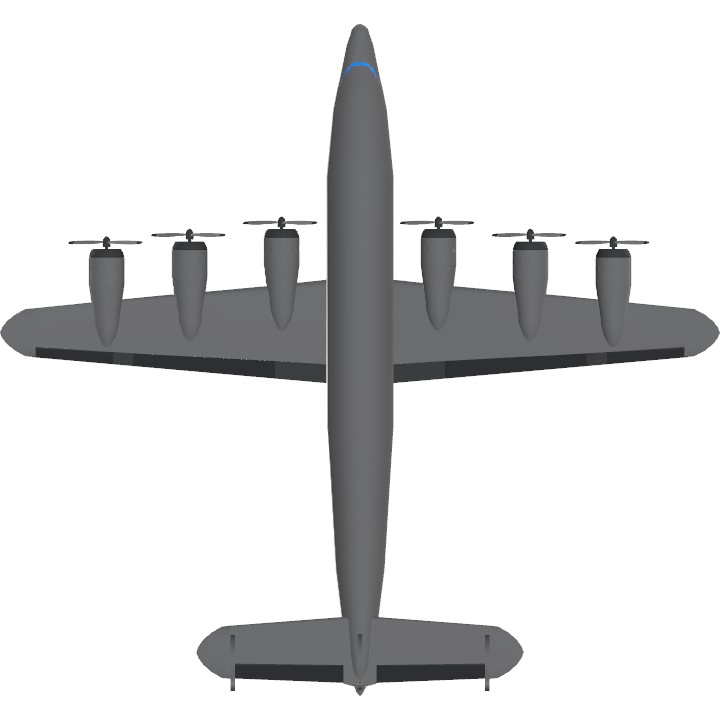
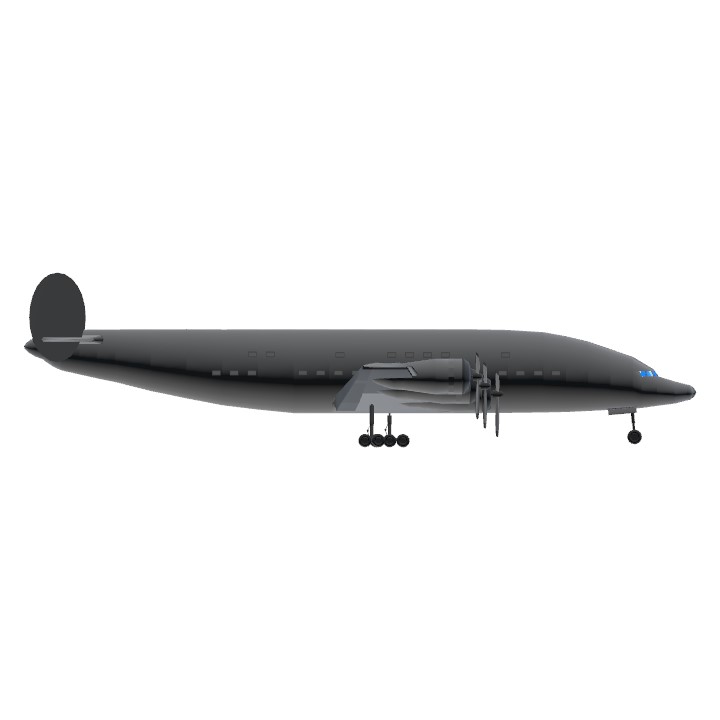
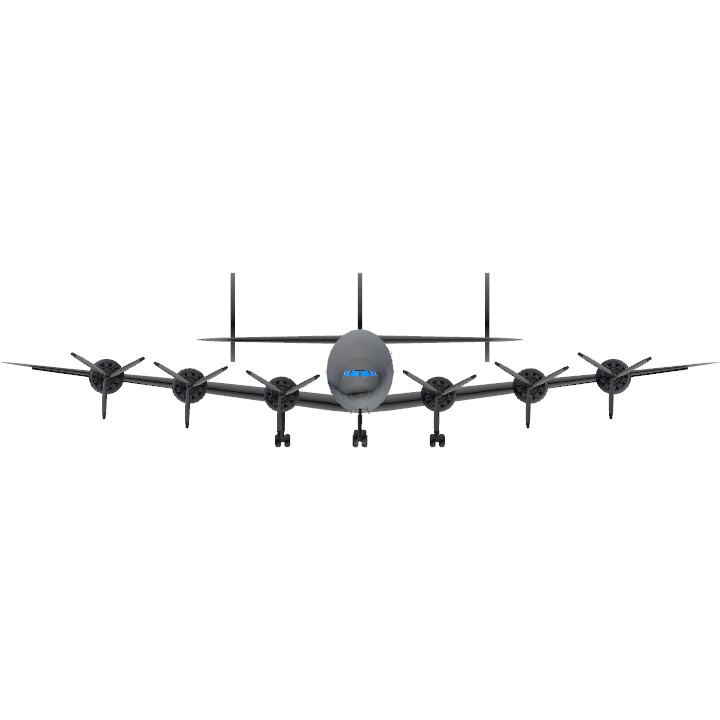
The Lockheed L-2049 Ultra Constellation was the product of this daring vision. It retained the signature triple-tail design of the Constellation family, but the vertical stabilizers were heightened for stability and significantly raised to accommodate the double-deck fuselage. The original four R-3350 piston engines were no longer sufficient to propel this double-decked giant, so designers increased the number to six engines, necessitating a completely redesigned wing to carry them. The main landing gear was changed to a four-wheel bogie style, and an additional six-wheel bogie undercarriage was added amidships to ensure the airframe's weight would not cause potentially dangerous structural bending. First and business class were located on the upper deck, while the rear section of the upper deck and the entire lower deck were configured for economy class, increasing passenger capacity from 102 to 151. Although only slightly more than ten L-2049s were ever built, they represent a significant exploration of double-decker aircraft in aviation history and the bold imagination that flourished during the golden age of piston-airliners.
A Note from the Author:
As a first grade high school student with high-functioning ASD traits, I've channeled my passion for aviation into creating this model. This project is my first attempt at many advanced techniques, such as the "wing wrapping" method used by many creators, which I have not yet fully mastered. Consequently, there are several imperfections. For instance, the trailing edges of the wings and the movable control surfaces still use thickened parts of the default game wings exposed beyond the wrap, which may affect the model's accuracy and aesthetics. I also plan to create a version with interior for this aircraft, but the currently released version does not include it.
洛克希德L-2049“终极星座”(Lockheed L-2049 Ultra Constellation)
在喷气式客机时代到来前,以活塞引擎驱动的飞机曾百花齐放,统治整片天空,而在这些飞机中,不乏有一些理念超前的探索者,带来了前所未有的革命性设计。洛克希德L-2049就是其中之一。在L-749“星座”和L-1049“超级星座”相继成功之后,洛克希德公司准备向更大运力扩张,当时的几条繁忙航线急需一款拥有较大载客量的飞机,但从那个时候开始从头设计一款全新的飞机已经为时过晚,于是,洛克希德公司提出了一个大胆的想法,他们将一架L-1049机身加高加长,打造出了当时世界上独一无二的双层客舱,这一纪录直到波音747的出现才被打破。洛克希德L-2049“终极星座”就是这个大胆想象的产物,它保留了“星座”系列客机标志性的三垂尾设计,但垂尾被加高以增强稳定性,为适应双层机身,垂尾的位置也大大上移。原来的四台R-3350活塞式发动机已经不足以推动这架双层机舱的庞然大物,于是设计师将发动机的数量增加到六台,并为此重新设计了能承载六发的机翼。L-2049的主起落架被改成四轮小车式,同时在机腹中部还增加了一个六轮小车式起落架,以确保机身的重量不会使得整架飞机产生足以危及结构安全的弯曲。L-2049的头等舱和商务舱被布置在了二层,二层的后半部分和一层则全部为经济舱,这样的设计使得载客量从原来的102人提升至151人。L-2049虽然只生产了十余架,但它代表了人类航空史上对双层客机的探索,以及那个活塞式客机的黄金时代中产生过的许多大胆遐想。
作为一位有高功能ASD特质的高一学生,我将对航空的热爱投入到这架飞机的创作中。由于这个作品是我第一次尝试许多作者使用,但我尚未掌握的“包翼”技术,还存在很多不完善的地方,例如,机翼后缘和可动部件仍然使用了露出包翼外的加厚过的原版机翼的一部分,可能会影响整个作品的还原度和美观。计划中我准备制作该飞机的内饰,但目前发布的这个版本是没有内饰的。
Specifications
Spotlights
- dabestsock one month ago
General Characteristics
- Created On Windows
- Wingspan 132.3ft (40.3m)
- Length 123.6ft (37.7m)
- Height 32.1ft (9.8m)
- Empty Weight 28,882lbs (13,100kg)
- Loaded Weight 49,391lbs (22,403kg)
Performance
- Horse Power/Weight Ratio 0.17
- Wing Loading 24.0lbs/ft2 (117.3kg/m2)
- Wing Area 2,055.1ft2 (190.9m2)
- Drag Points 52485
Parts
- Number of Parts 150
- Control Surfaces 9
- Performance Cost 1,452