

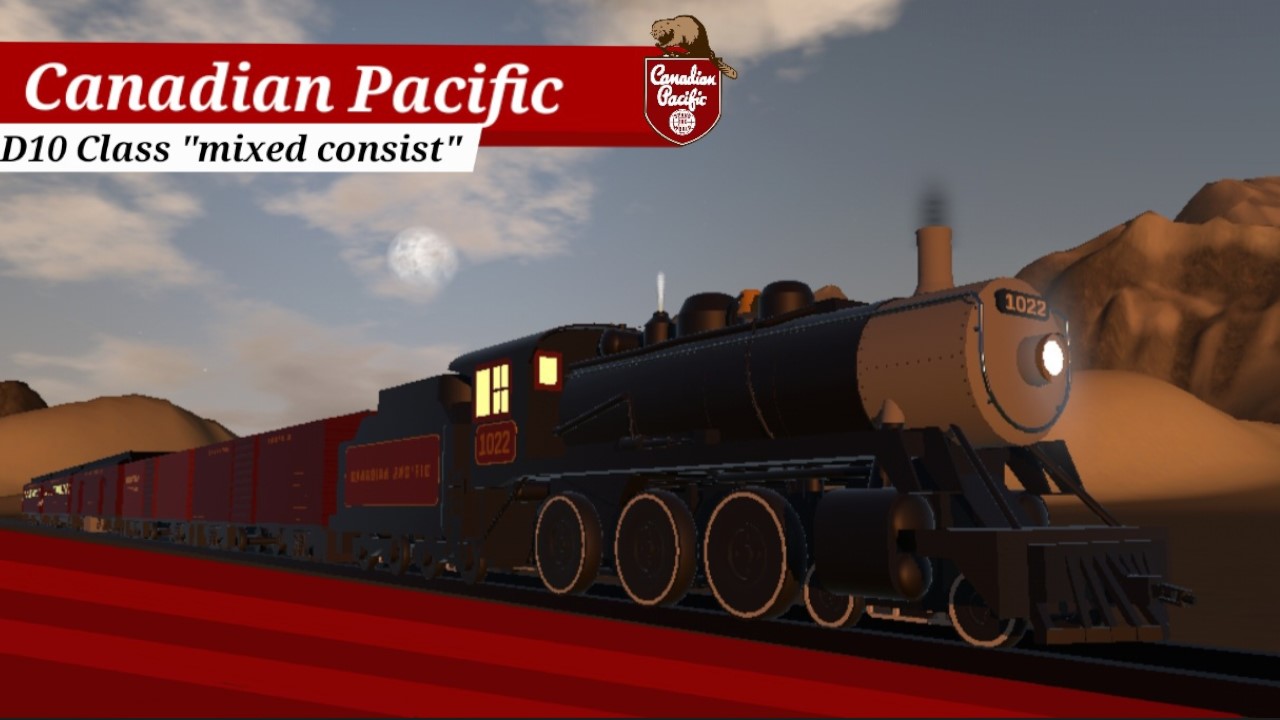
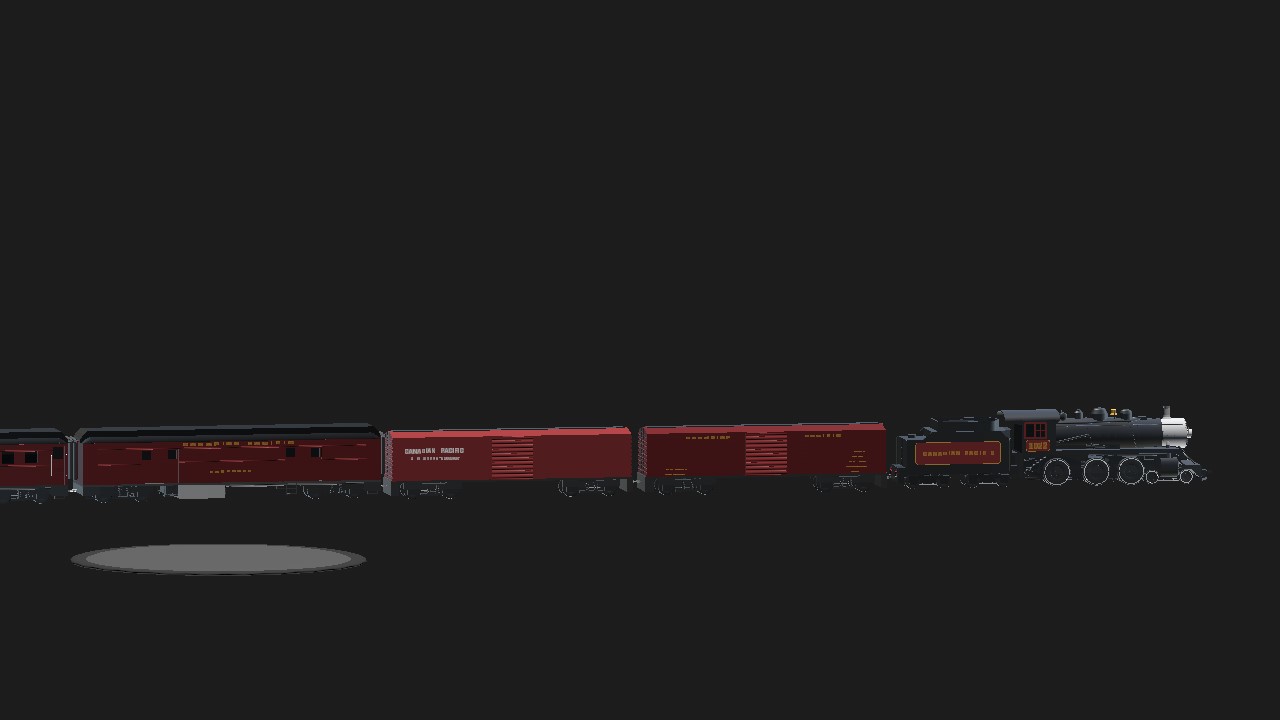
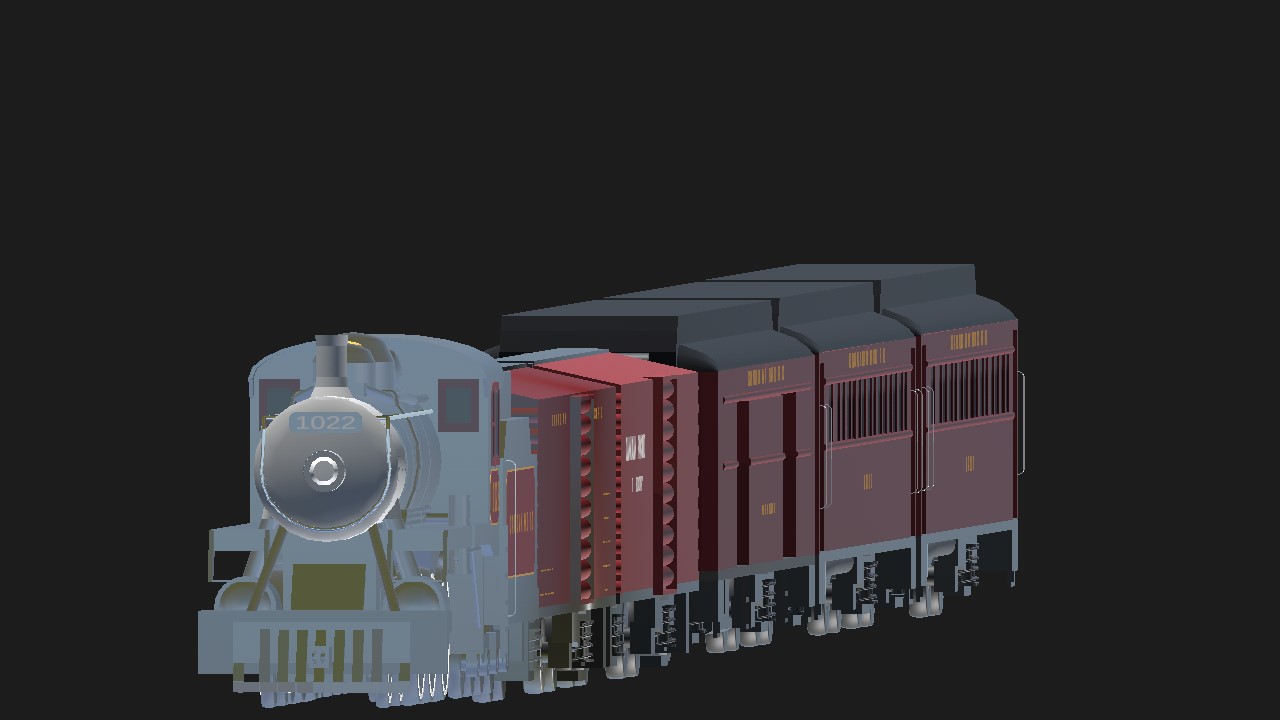
Canadian Pacific’s mixed passenger–freight operations, especially common on rural branch lines from the early 1900s through the 1950s, combined essential freight service with limited passenger accommodation on a single train. On lightly populated routes where demand couldn’t justify a full passenger consist, the CPR would attach one or two passenger cars—often a baggage-coach combine or a small coach—behind or ahead of a short freight consist, depending on operational needs and station layouts. These trains handled everything: mail, express shipments, small-town freight, and local travelers. They generally ran slowly due to frequent switching moves at wayside sidings, giving them a reputation for being reliable but leisurely “lifeline” trains that kept remote communities connected until buses, roads, and declining freight volumes made most mixed operations obsolete by the 1960s.
Specifications
Spotlights
- YarisSedan one month ago
- Boeing727200F one month ago
General Characteristics
- Created On Android
- Wingspan 20.1ft (6.1m)
- Length 356.3ft (108.6m)
- Height 37.0ft (11.3m)
- Empty Weight 563,811lbs (255,740kg)
- Loaded Weight 593,893lbs (269,385kg)
Performance
- Power/Weight Ratio 0.028
- Wing Loading 1,751.6lbs/ft2 (8,551.9kg/m2)
- Wing Area 339.1ft2 (31.5m2)
- Drag Points 48258
Parts
- Number of Parts 1341
- Control Surfaces 0
- Performance Cost 6,273
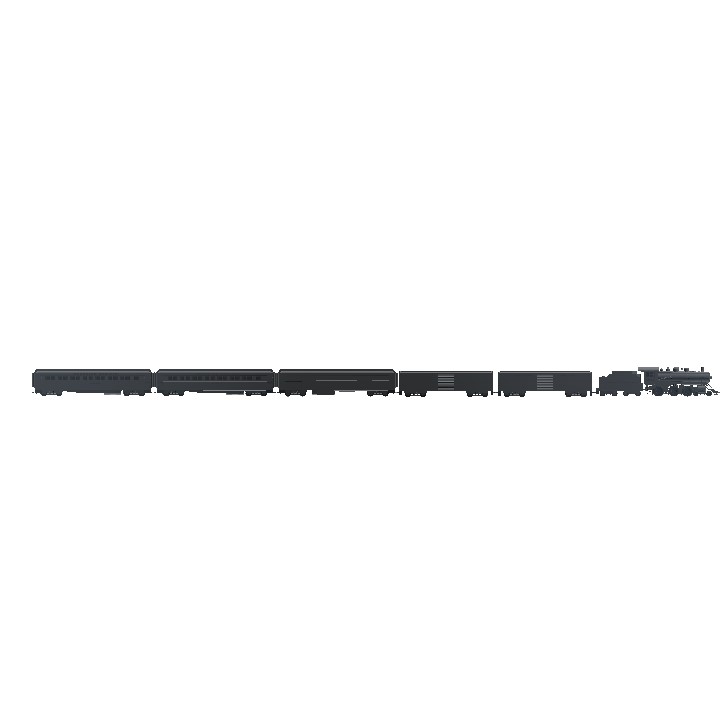

I I am attempting to build a new locomotive, this one for freight (N2 2-8-0 consolidation). I cannot find any blueprints since Canadian Pacific literally destroyed and burned them all. I only found one publicly available.
CPR D10 Operational Specs (General for D10, D10h, D10j subclasses)
The D10 was famous for being tough, reliable, and capable everywhere on the CPR system. They were light enough for short bridges and lightly built prairie or maritime branch lines, but strong enough to haul moderate freight and small passenger consists. Crews liked their sure-footedness, minimal maintenance headaches, and good steaming. They became the CPR’s “everywhere locomotive,” commonly handling mixed trains, rural passenger service, commuter trips, and local freights right up to dieselization.
Come on this is a well built locomotive
It takes a while before any of my creations really become known. Granted, this is simple PLANES, but still...
If this gains enough traction I'll build ANOTHER locomotive from scratch (CPR N2 Class or something small)
You all have no idea the pain of rescaling hundreds of parts.