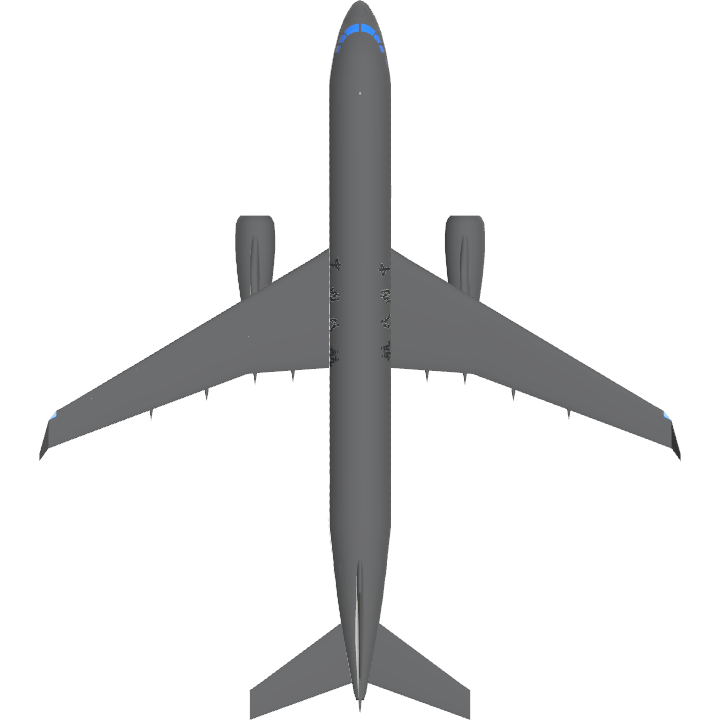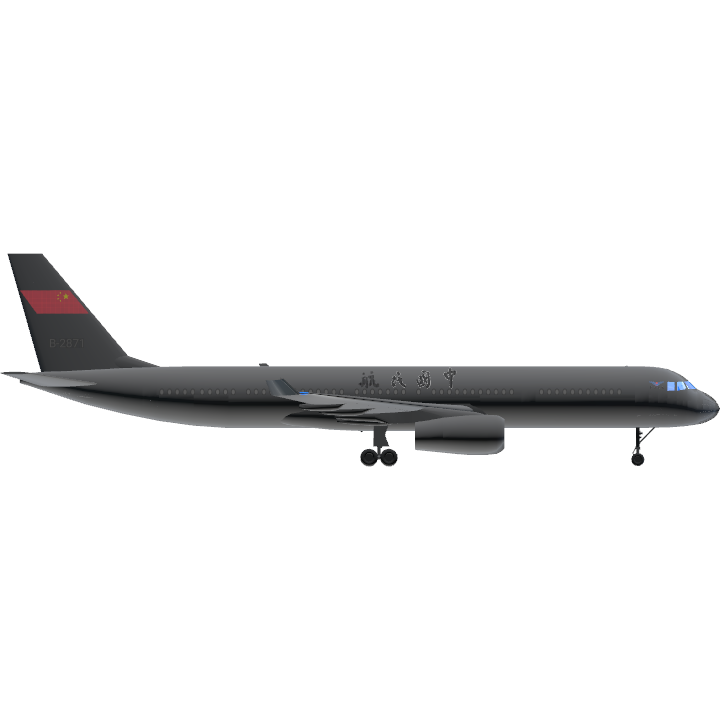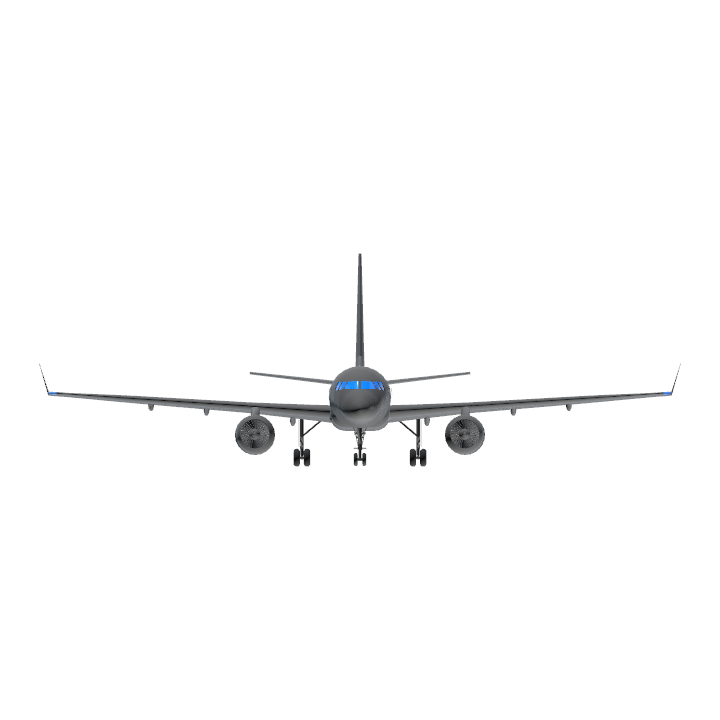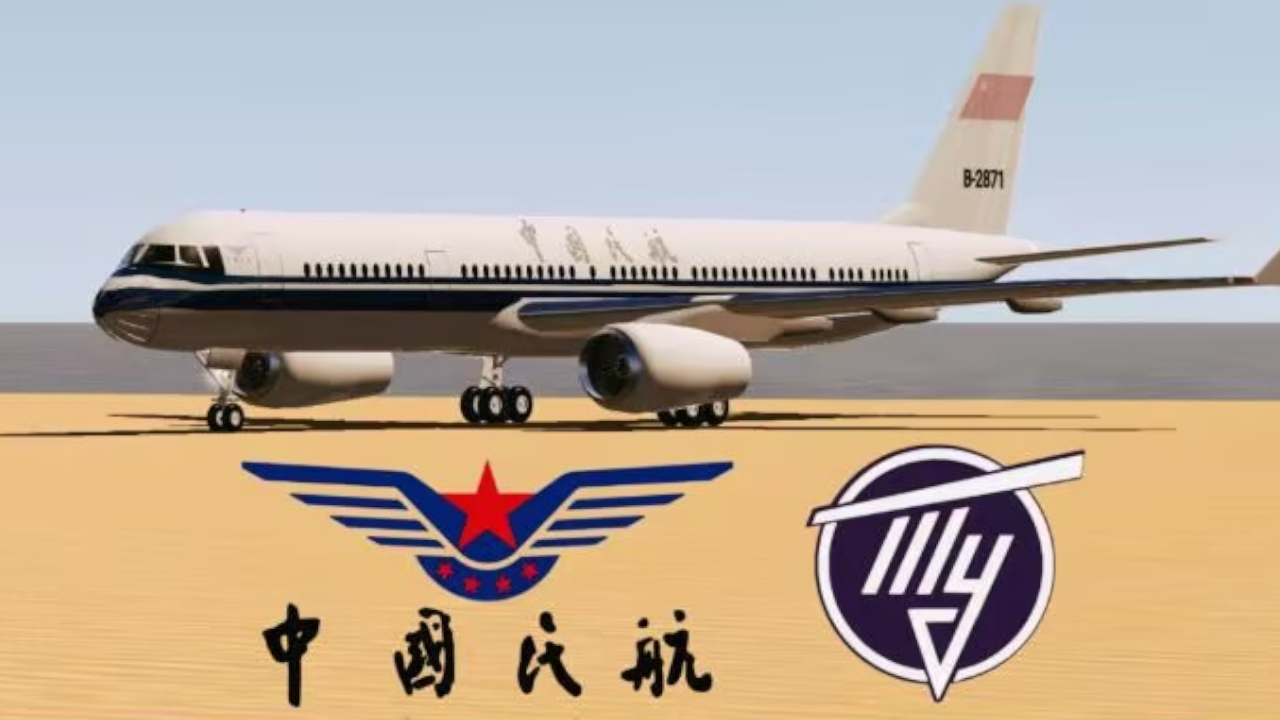
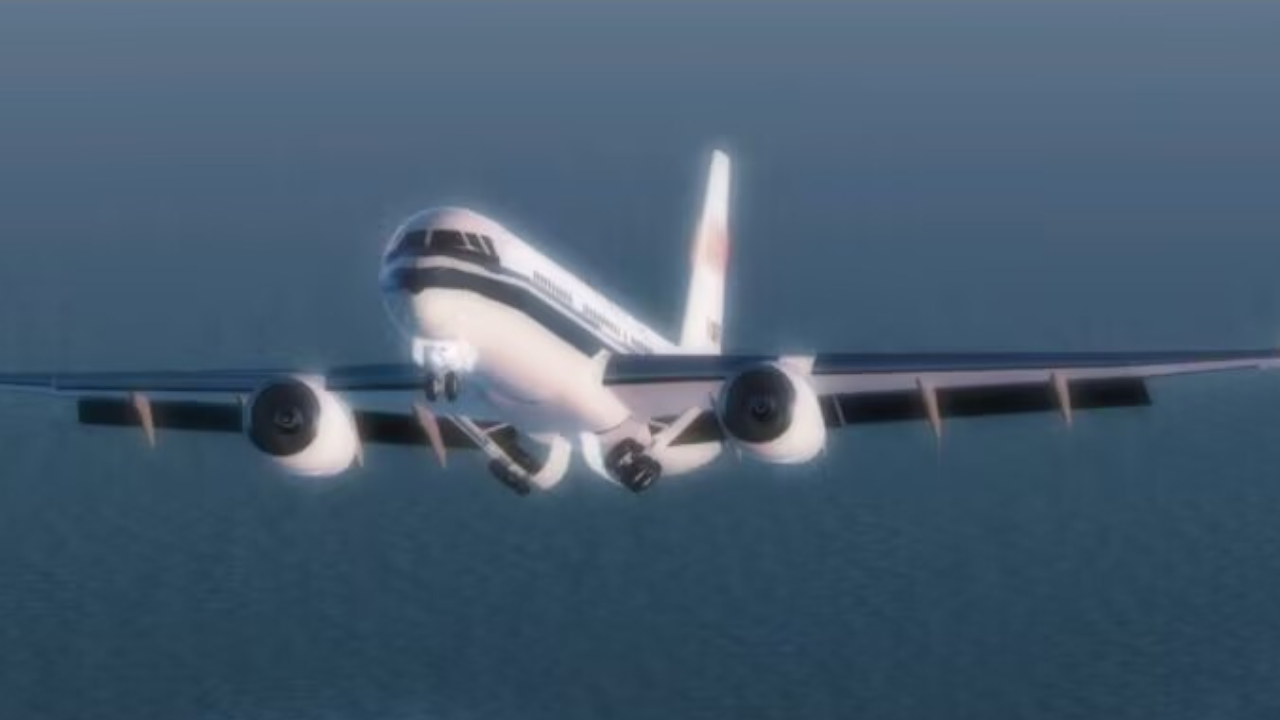
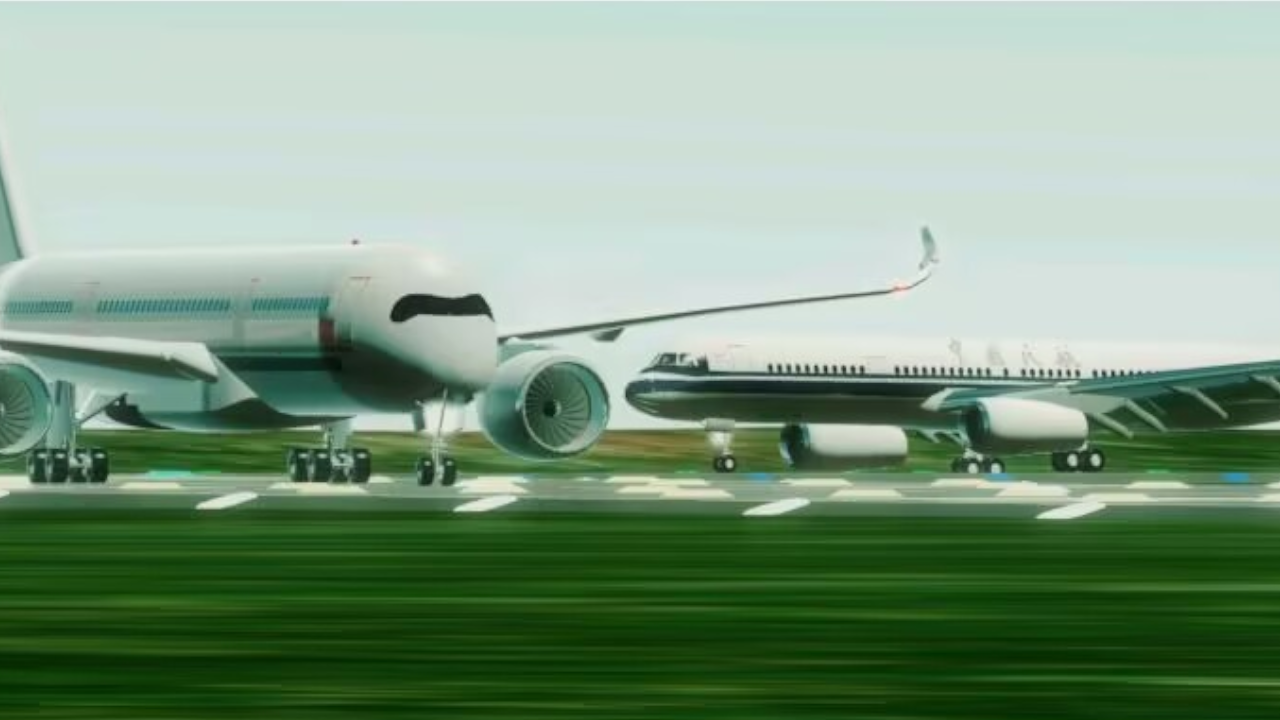
I think this turned out a bit rough, but I hope you like it.

China's civil aviation sector has not procured the civil passenger version of the Tu-204 in bulk, primarily due to its shortcomings across multiple dimensions including airworthiness certification, performance, operation and maintenance, as well as market and supply chain compatibility, which make it unable to meet the operational and development needs of China's civil aviation. A detailed analysis from various perspectives is provided below:
Core Reasons
Airworthiness certification barriers and technical standard differences
The Tu-204, though holding a domestic airworthiness certificate in Russia, has not obtained full certification from major airworthiness authorities such as the Civil Aviation Administration of China (CAAC). Additionally, it is subject to restrictions under the Western-led Chapter 3 noise control standards, with the PS-90 and RB211 engines suffering from prominent noise issues that hinder its route access and operational compliance.
Following the collapse of the Soviet Union, its technical system became disconnected from the West, resulting in poor compatibility in avionics and system integration, which made it difficult to integrate into the global civil aviation network and China's civil aviation operational system.
Inadequate performance and economic efficiency, weak competitiveness
Positioned as a counterpart to the Boeing 757, the Tu-204 falls short of the latter in key indicators such as maximum range and payload. It also lags in fuel efficiency and reliability, failing to meet the demands of China's civil aviation for medium-to-long haul routes and high-efficiency operations.
It has no obvious operational cost advantages: despite a low purchase price, Russian-made aircraft entail high subsequent costs for maintenance, spare parts supply and maintenance system adaptation, leading to poor long-term economic efficiency. This is inconsistent with the cost control objectives in the fleet planning of Chinese airlines.
Defects in supply chain and after-sales service
After the Soviet Union's dissolution, Russia's economic decline and capital shortage led to delays in the R&D and production progress of the Tu-204, with unstable delivery cycles that could not guarantee the capacity planning of China's civil aviation.
The after-sales service system is inadequate, characterized by delayed spare parts supply and slow maintenance response. It lags far behind the mature global service networks of Boeing and Airbus, increasing the operational risks and management difficulties for Chinese airlines.
Conflict between market positioning and fleet planning
After the 1990s, China's civil aviation developed rapidly, and priority was given to mature models such as Boeing and Airbus to ensure operational stability and global route expansion. The Tu-204's insufficient market recognition and residual value made it hard to integrate into fleets dominated by Western models, adding extra costs for training and maintenance.
The poor performance of the procured cargo version (Air China Cargo ordered 5 Tu-204-120C aircraft, with only a small number actually delivered and never put into commercial operation) also undermined civil aviation's confidence in its passenger version.
Impacts of geopolitics and trade environment
Geopolitical changes after the Soviet Union's collapse brought uncertainties to the foreign cooperation and export of Russia's aviation industry. China's civil aviation sector thus preferred Western models with stable supply chains and a favorable international environment to avoid potential risks.
Specifications
General Characteristics
- Predecessor Tupolev TU-204-100
- Created On Windows
- Wingspan 136.0ft (41.4m)
- Length 152.6ft (46.5m)
- Height 45.1ft (13.8m)
- Empty Weight N/A
- Loaded Weight 86,467lbs (39,220kg)
Performance
- Power/Weight Ratio 0.935
- Horse Power/Weight Ratio 0.034
- Wing Loading 25.2lbs/ft2 (122.9kg/m2)
- Wing Area 3,434.7ft2 (319.1m2)
- Drag Points 9026
Parts
- Number of Parts 542
- Control Surfaces 9
- Performance Cost 3,160