

+
About Swissair
Swiss International Air Lines AG (commonly known as Swiss ) is Switzerland 's largest airline , operating flights from Europe to North America , South America , Europe, and Asia . Its main hub is Zurich Airport ( ZRH). Swiss is a subsidiary of the German airline Lufthansa . Its headquarters are located at Basel-Mulhouse-Freiburg Airport near Basel , Switzerland. Its IATA code is LX, borrowed from Crossair . Its ICAO code is SWR, borrowed from Swissair.
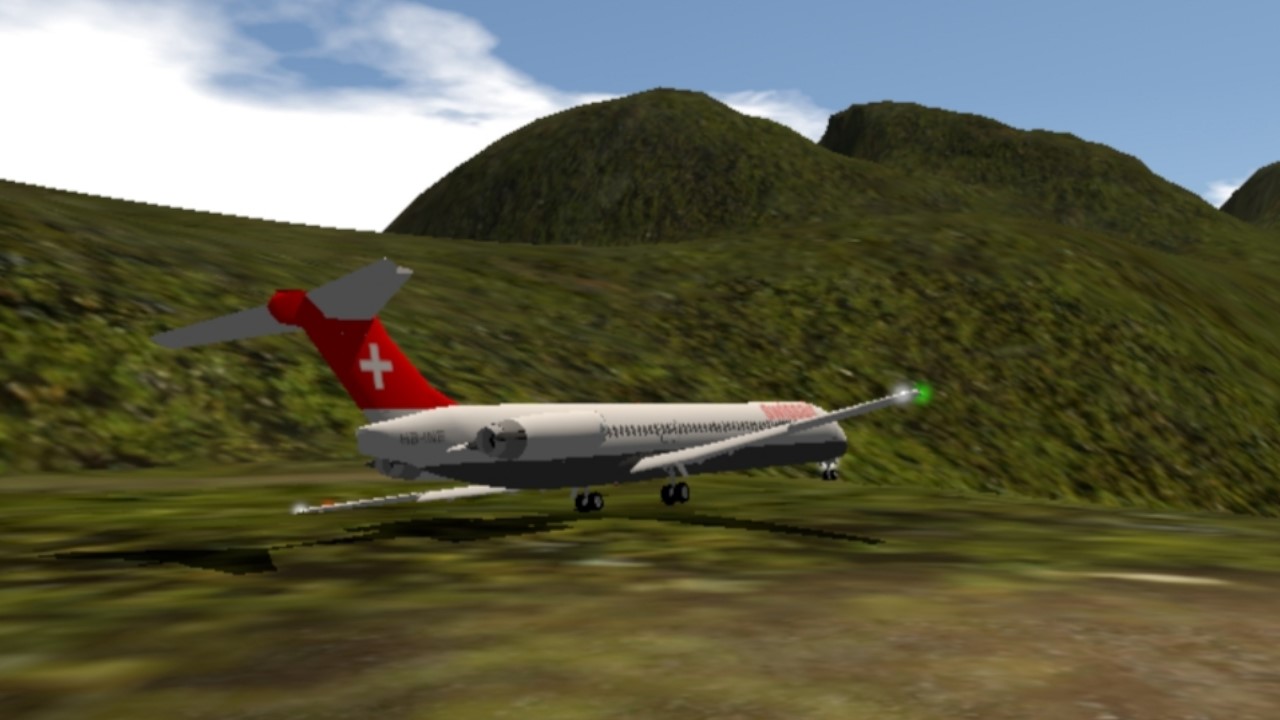
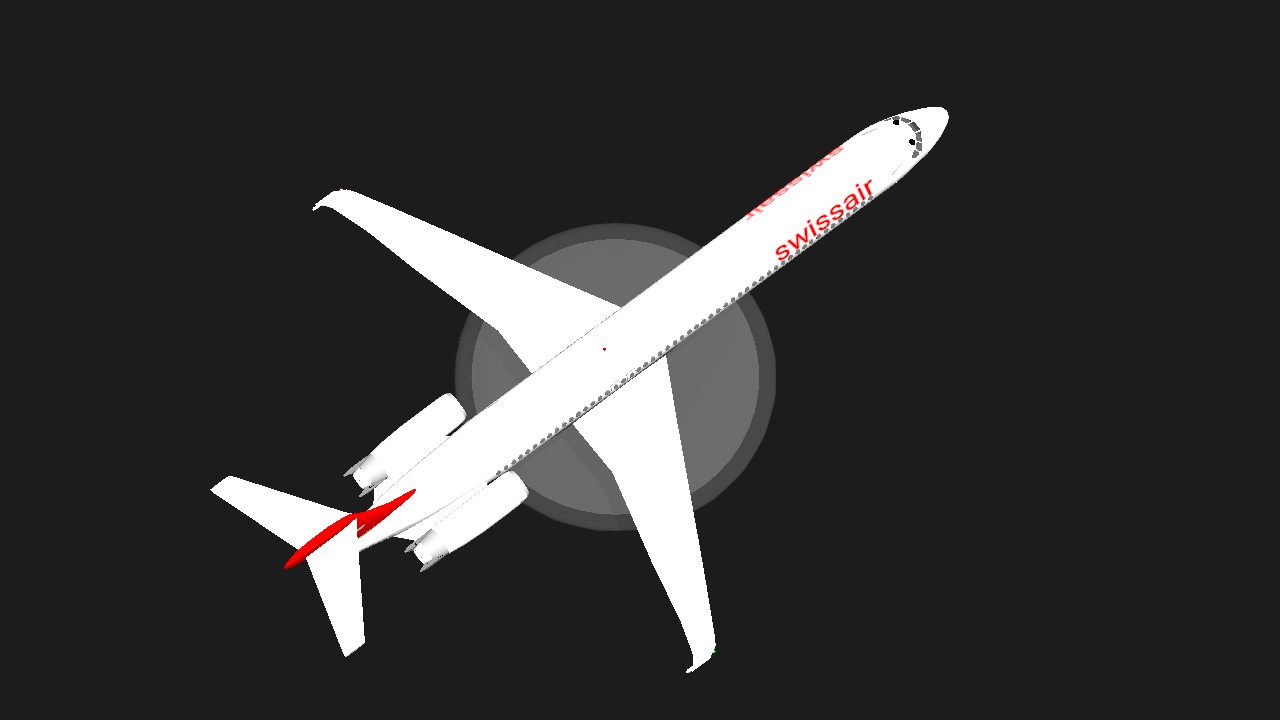
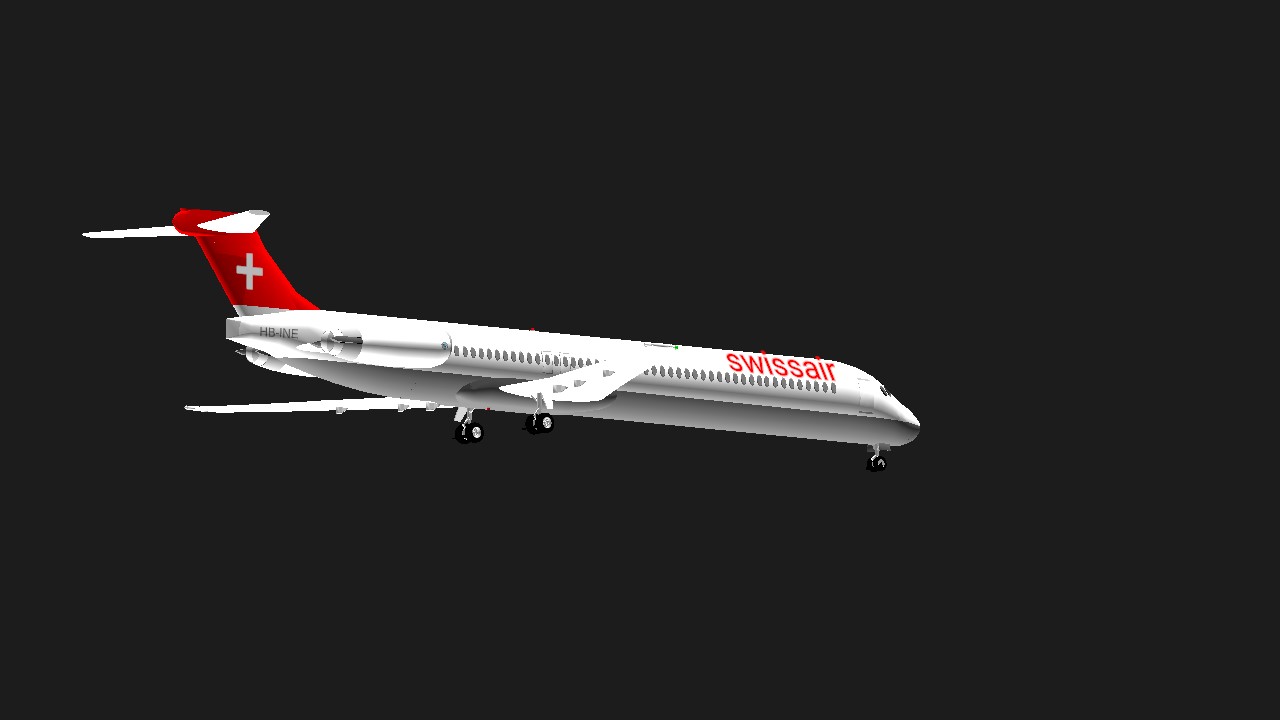
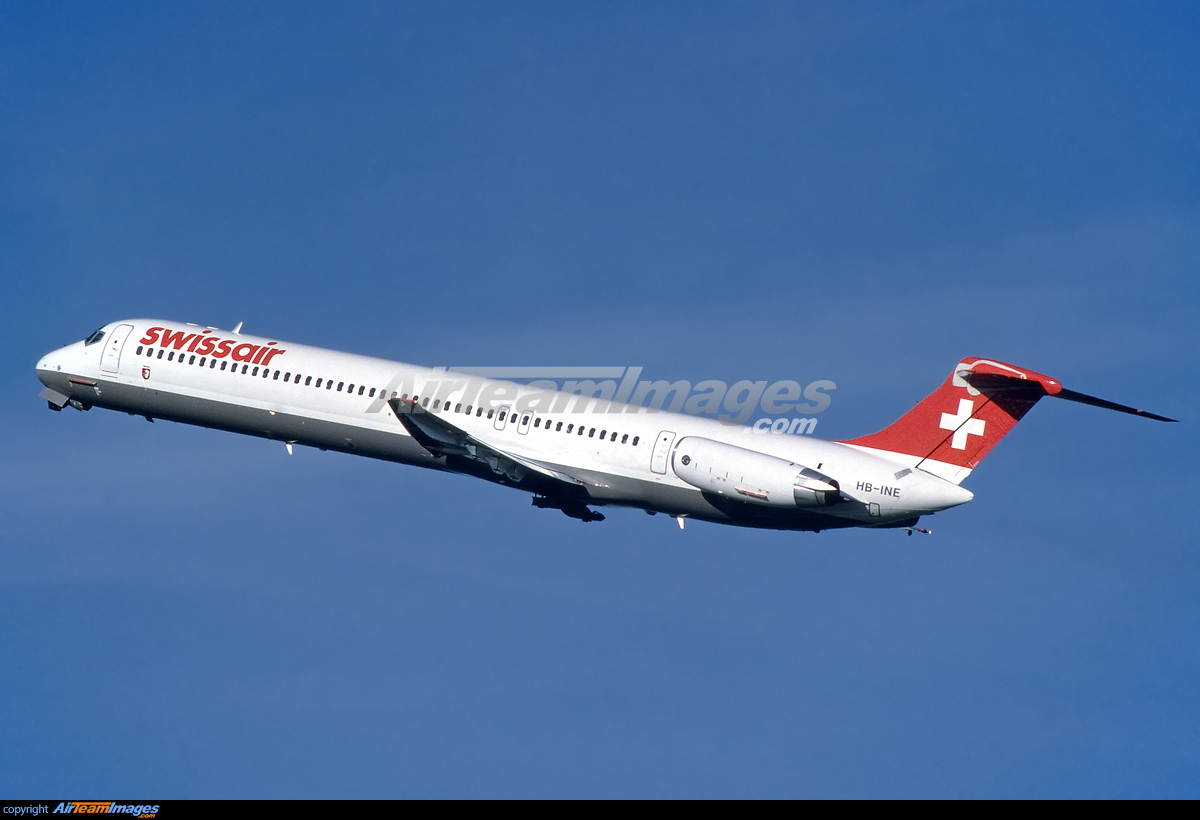
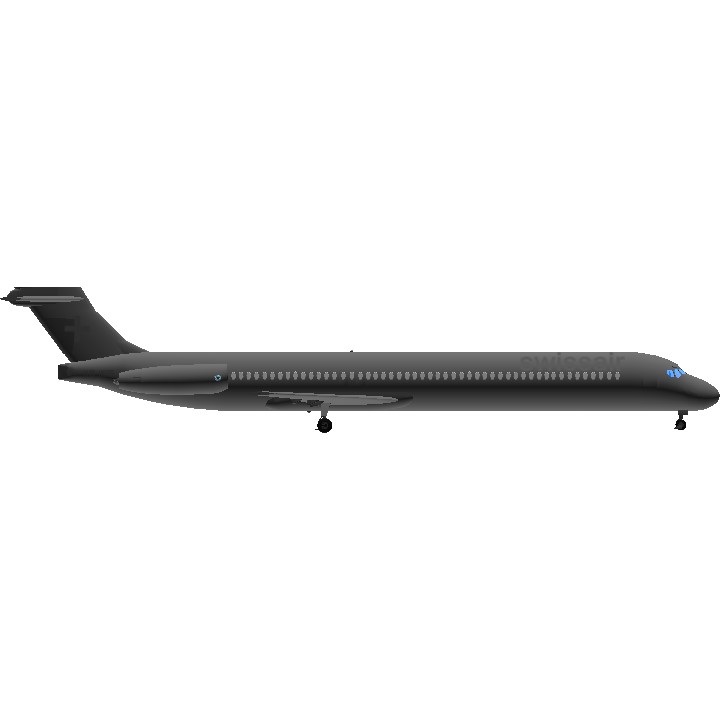
Swissair MD-81 HB-INE
On November 18, 2020, it was announced that Dieter Vranckx would assume the position of Chief Executive Officer effective January 1, 2021. Vranckx has 20 years of experience within the Lufthansa Group and is currently the Chief Executive Officer of Lufthansa 's subsidiary Brussels Airlines , a position he has held since early 2020.
The beginning of Swissair
Swissair was re-established in 2002 following the bankruptcy of Switzerland 's former national airline, Swissair . The new airline had incurred losses of approximately $ 1.6 billion from its inception until 2005. Its main creditors, Credit Suisse and UBS , sold Swissair's assets to Crossair , a Swissair partner. Both Swissair and Crossair belong to the same parent company, SAirGroup . Crossair subsequently changed its name to Swissair, and the new national airline officially came into existence on March 31, 2002. Initially, it was owned by an investment group (61.3%), the Swiss Confederation (20.3%), cantons and municipalities (12.2%), and other stakeholders (6.2%). Swissair also owns subsidiaries such as Swiss Sun (100%) and Crossair Europe (99.9%), employing approximately 7,383 people.
Swiss International Air Lines, or "Swiss," was formed from the remnants of Crossair . Crossair derives 40% of its revenue from Swissair. In its first year, which was entirely loss-making, the Swiss government spent the equivalent of $1.5 billion over two years.
According to Marcel Biedermann, General Manager of International Markets at Swiss, there were three possibilities for Swiss: operating independently as a small airline, falling to obscurity, or joining an airline alliance . The third option was chosen. Swiss negotiated with Air France-KLM , British Airways , and Lufthansa . However, at this time, Swiss was in debt with an uncertain future, and it didn't seem like an attractive investment. After merging with KLM , Air France responded that they were too busy to consider a merger with Swiss. Lufthansa wanted to acquire the airline, but the Swiss public was against it. British Airways had opened its doors, and other members of the Oneworld alliance thought Zurich Airport would become a transit point beyond London Heathrow.
After nearly a year of debate, Swiss was finally accepted into Oneworld , after being blocked by British Airways , Swiss's competitor on many long-haul routes. On June 3, 2004, Swiss decided not to join Oneworld because they did not want to merge their frequent flyer program with British Airways ' Executive Club program.
About MD-80
The McDonnell Douglas MD-80 is a series of five-abreast single-aisle airliners developed by McDonnell Douglas. It was produced by the developer company until August 1997 and then by Boeing Commercial Airplanes. The MD-80 was the second generation of the DC-9 family, originally designated as the DC-9-80 (DC-9 Series 80) and later stylized as the DC-9 Super 80 (Super 80 for short). With a stretched, enlarged wing and powered by higher bypass Pratt & Whitney JT8D-200 engines, the aircraft program was launched in October 1977. The MD-80 made its first flight on October 18, 1979, and was certified on August 25, 1980. The first airliner was delivered to launch customer Swissair on September 13, 1980, which introduced it into service on October 10, 1980.
Keeping the same fuselage cross-section, longer variants are stretched by up to 14 ft (4.3 m) from the DC-9-50 and have a 28% larger wing.
The larger variants (MD-81/82/83/88) are 148 ft (45.1 m) long to seat 155 passengers in coach and, with varying weights, can cover up to 2,550 nautical miles [nmi] (4,720 km; 2,930 mi). The later MD-88 has a modern cockpit with Electronic flight instrument system (EFIS) displays. The MD-87 is 17 ft (5.3 m) shorter for 130 passengers in economy and has a range up to 2,900 nmi (5,400 km; 3,300 mi).
The MD-80 series initially competed with the Boeing 737 Classic and then also with the Airbus A320ceo family. Its successor, introduced in 1995, the MD-90, was a further stretch powered by IAE V2500 high-bypass turbofans, while the shorter MD-95, later known as the Boeing 717, was powered by Rolls-Royce BR715 engines. Production ended in 1999 after 1,191 MD-80s were delivered, of which 116 aircraft remain in service as of August 2022.
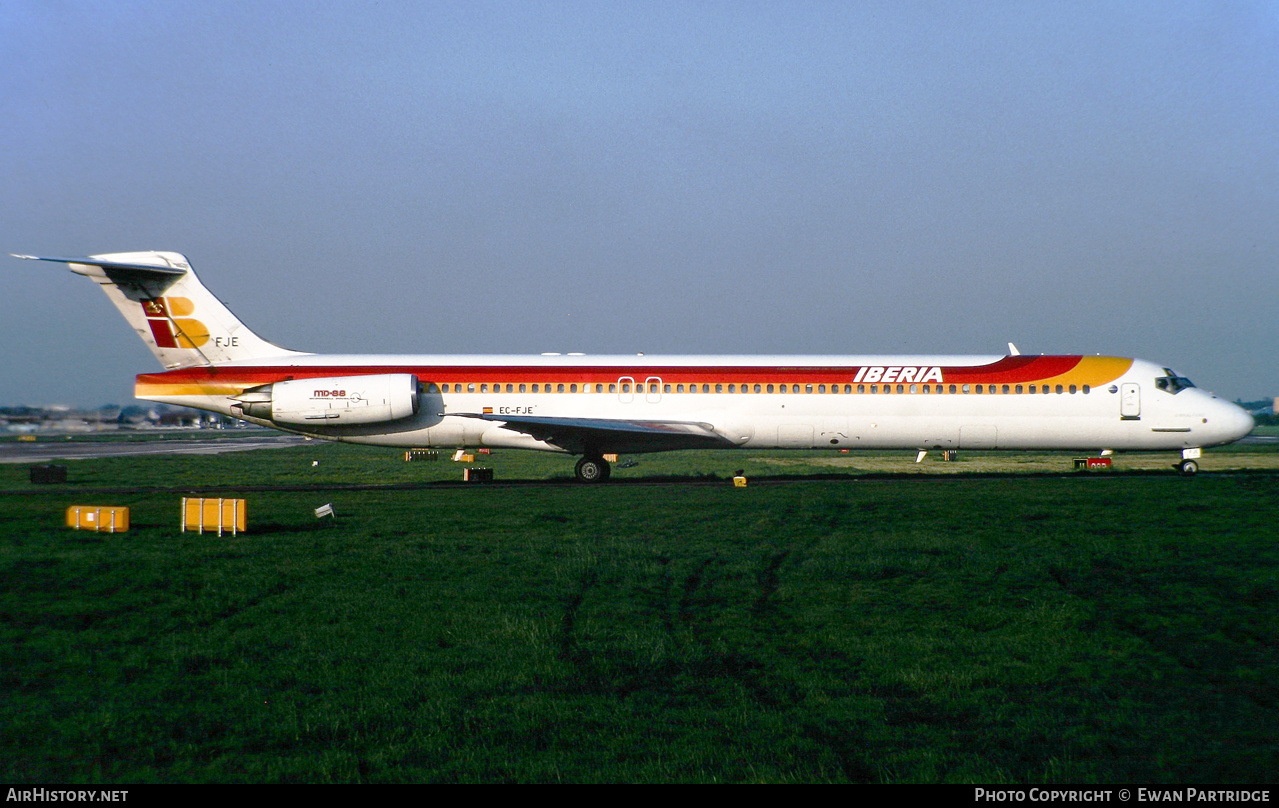
MD-80 Iberia EC-FJE
Specifications
Spotlights
- Celando 17 days ago
General Characteristics
- Predecessor MD-80 swissair
- Created On Android
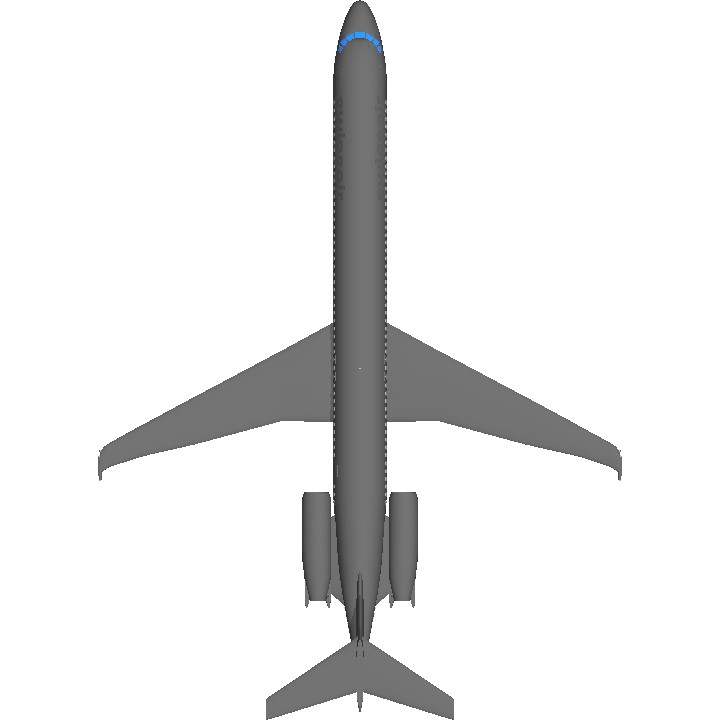
- Wingspan 107.7ft (32.8m)
- Length 147.7ft (45.0m)
- Height 29.9ft (9.1m)
- Empty Weight N/A
- Loaded Weight 46,567lbs (21,122kg)
Performance
- Power/Weight Ratio 0.478
- Horse Power/Weight Ratio 0.064
- Wing Loading 28.5lbs/ft2 (138.9kg/m2)
- Wing Area 1,636.8ft2 (152.1m2)
- Drag Points 12246
Parts
- Number of Parts 624
- Control Surfaces 9
- Performance Cost 3,396
Credits:
@Dreamlinerboi for fixing
@GalacticaAsia for the original MD-80
Cool livery