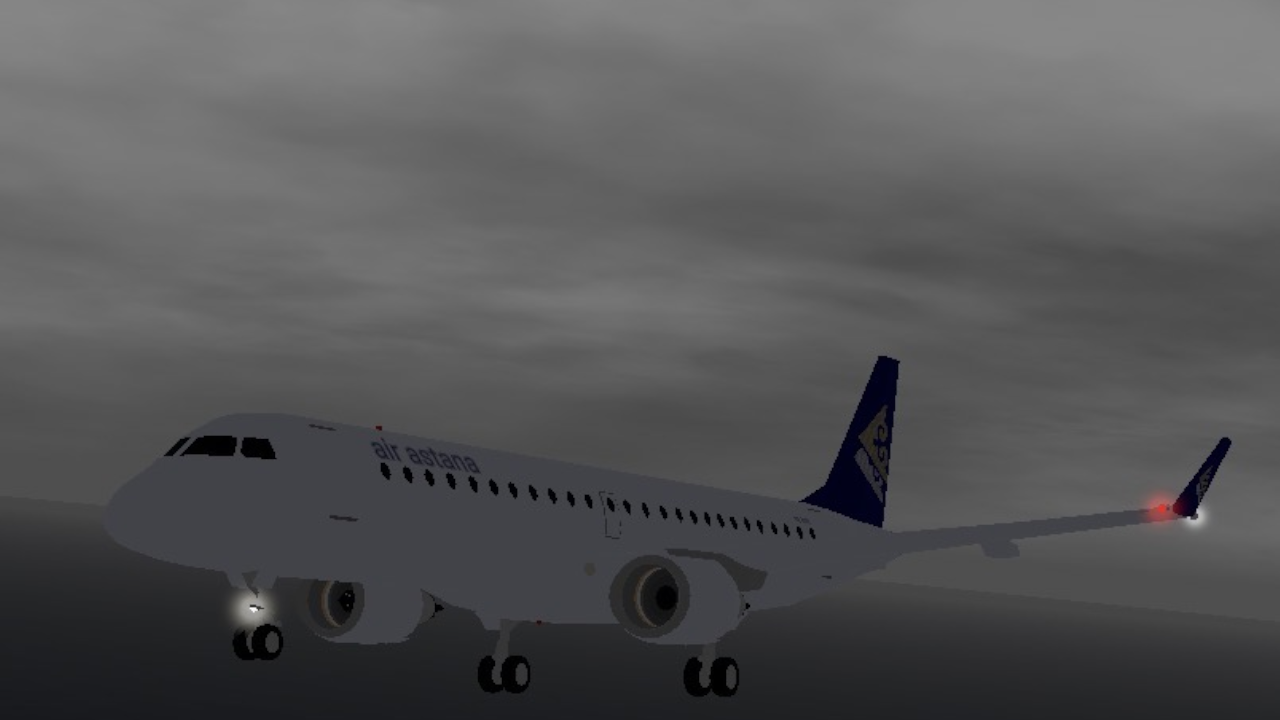
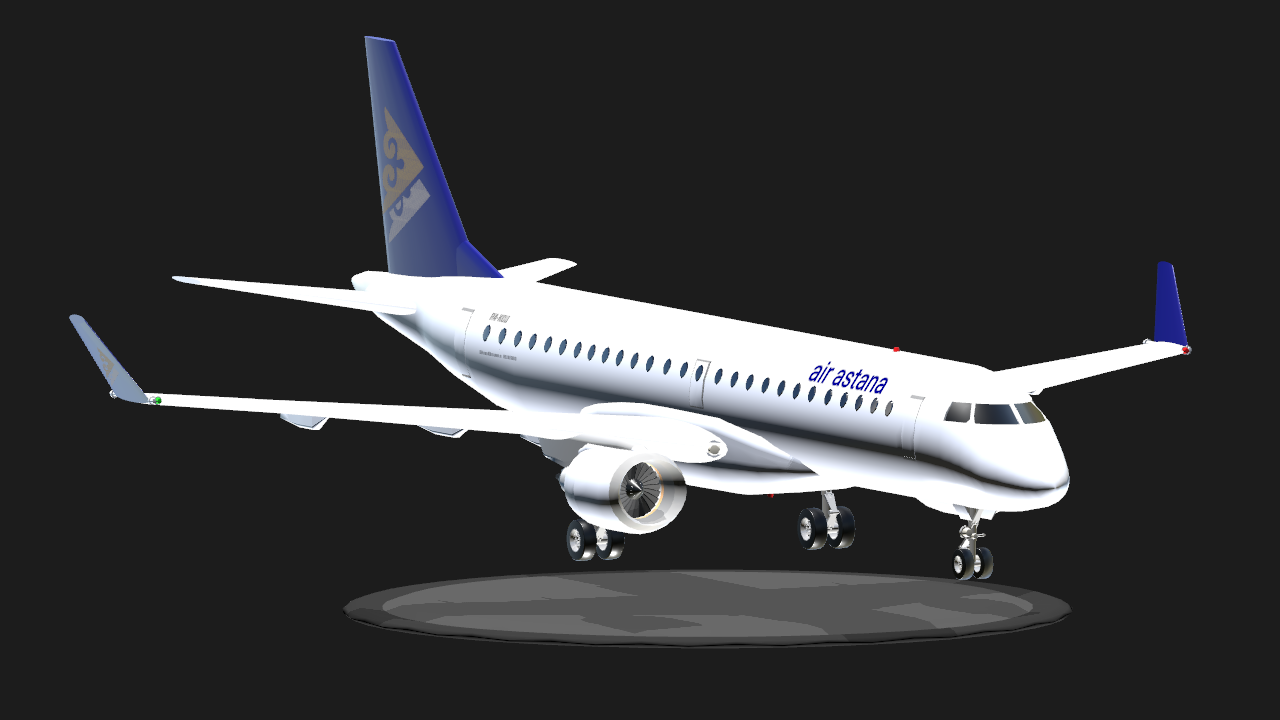
Flight 1388 took off at 13:31, with the crew failing to detect the ailerons' anomaly during the operational checks. Visibility was limited—between 2,000–3,000 metres (2.0–3.0 km; 1.2–1.9 mi). Shortly after takeoff, the pilots noticed severe control issues--they struggled to control the plane, causing them to make several unwanted, extreme maneuvers that would certainly never be performed in normal flight. The pilots attempted to engage the autopilot, but it would not engage. At 13:37, the crew requested a climb to FL100 (approximately 10,000 feet or 3,000 metres) and an immediate return to Alverca, reporting flight control problems. At several points, the aircraft experienced a complete loss of control, rolling over and diving sharply, putting stress on the airframe. The crew requested a heading to the sea so they could ditch if it became inevitable, but they struggled to follow any heading given by ATC due to their difficulty controlling the aircraft.
The crew discussed the options available to them, with the first officer in the jump seat coordinating with the technicians on board as passengers to determine the cause of the upsets and establish an action plan. Although there were no warnings indicating issues with the normal mode, the crew activated the direct mode for the flight controls, which disconnects the FCM (Flight Control Module) from the controls. This greatly increased the controllability of the pitch and yaw-axes, but control of the roll axis was still limited, and the plane kept rolling abnormally because the spoilers would actuate and destabilize the aircraft with too much input. The crew flew the plane east, hoping for better weather conditions. Two F-16s, led by Lt. Col. Nuno "Buzzer" Monteiro da Silva of the Portuguese Air Force took off from Monte Real Air Base to escort the aircraft to Beja Airbase. After two go-arounds due to unstable approaches, the active first officer switched places with the other in the jump seat. On the final approach, the aircraft was destined for runway 19R but eventually landed on 19L due to the aircraft drifting during the approach. Video footage shows the aircraft nearly skidding off the runway after touching down.
video icon Footage of KC1388 emergency landing at Beja Airbase
Everyone on board was shaken, but the only injury was a passenger who suffered a sprained ankle. The hull was deformed and the leading edges of the wings were wrinkled. Some parts of the aircraft were subjected to loads greater than they were designed for.
Specifications
General Characteristics
- Predecessor E190
- Created On iOS
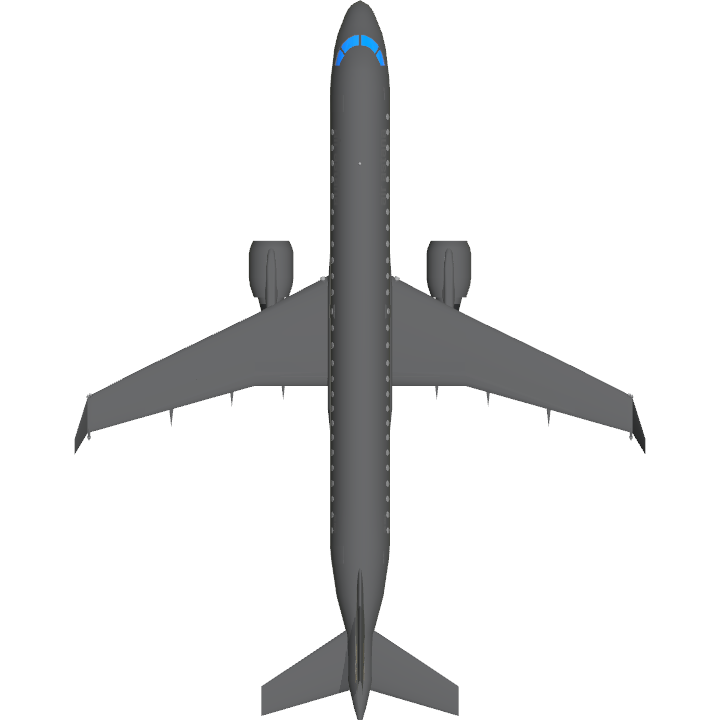
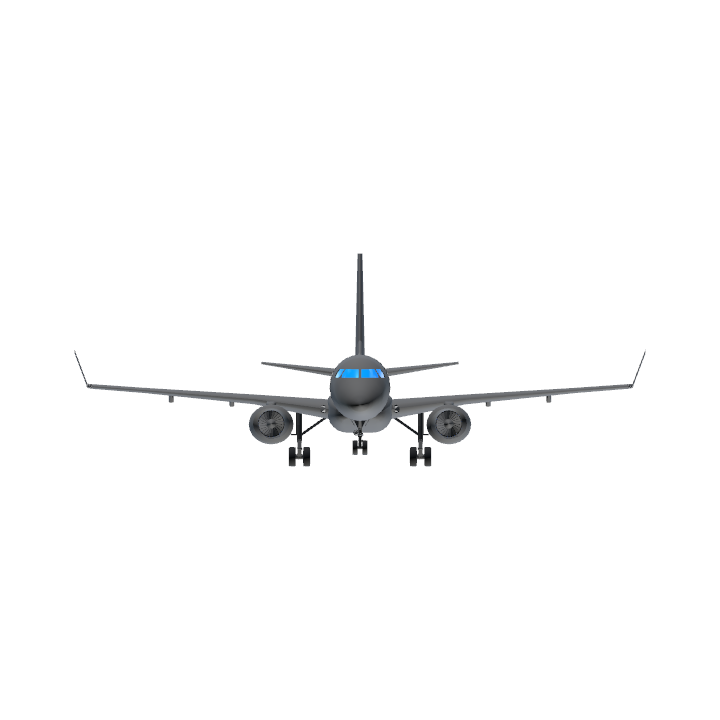
- Wingspan 94.3ft (28.7m)
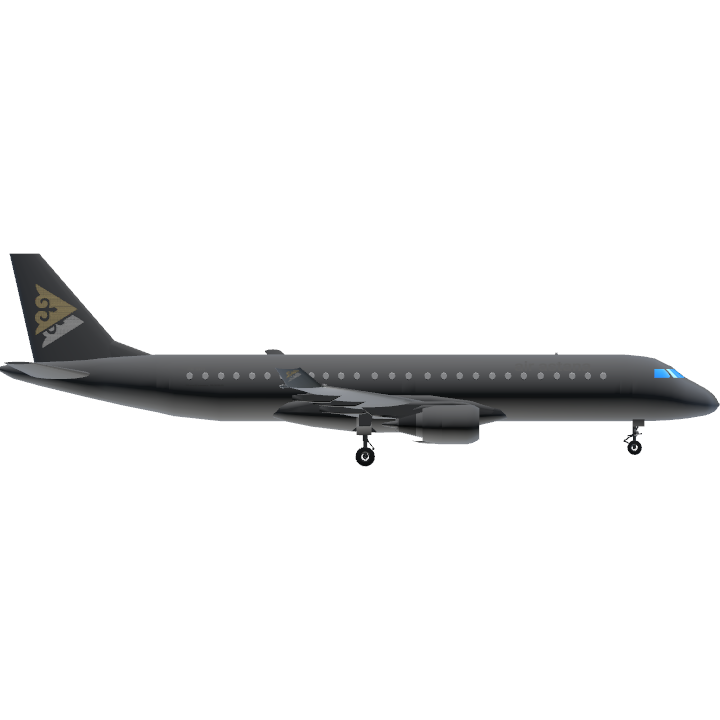
- Length 118.8ft (36.2m)
- Height 35.2ft (10.7m)
- Empty Weight N/A
- Loaded Weight 39,049lbs (17,712kg)
Performance
- Power/Weight Ratio 1.223
- Horse Power/Weight Ratio 0.076
- Wing Loading 30.1lbs/ft2 (146.8kg/m2)
- Wing Area 1,299.1ft2 (120.7m2)
- Drag Points 9400
Parts
- Number of Parts 431
- Control Surfaces 9
- Performance Cost 2,604