

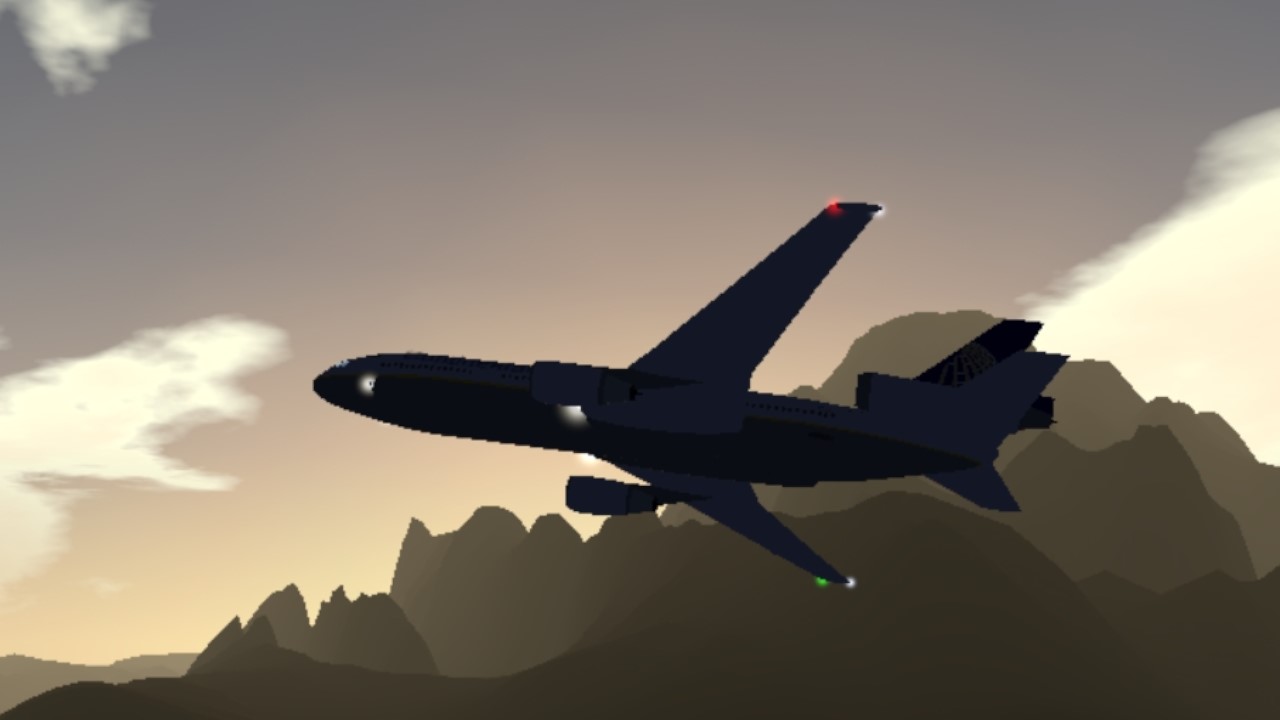


Trippin at the logo bruv
About Continental Airlines
Continental Airlines (simply known as Continental) was a trunk carrier, a major, international airline in the United States that operated from 1934 until it merged with United Airlines in 2012. It had ownership interests and brand partnerships with several carriers.
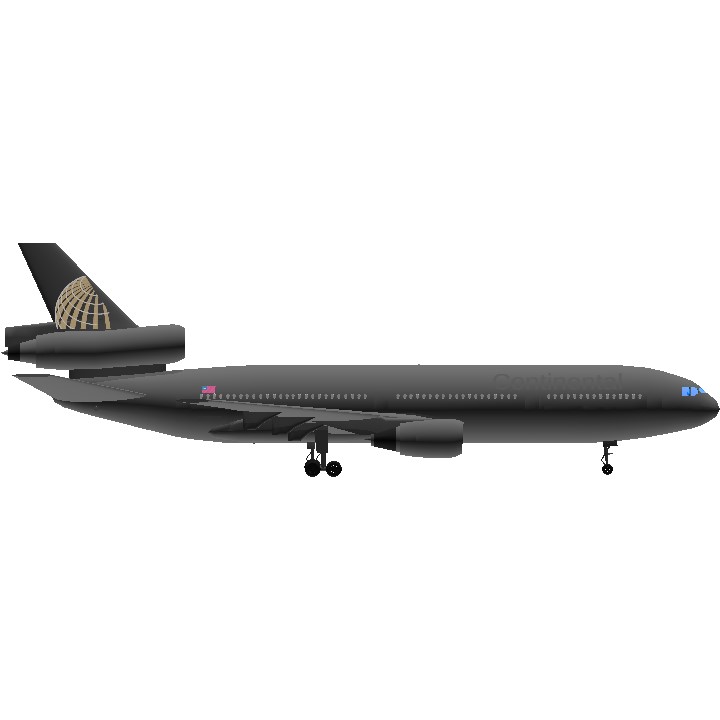
DC-10-30 Continental Airlines
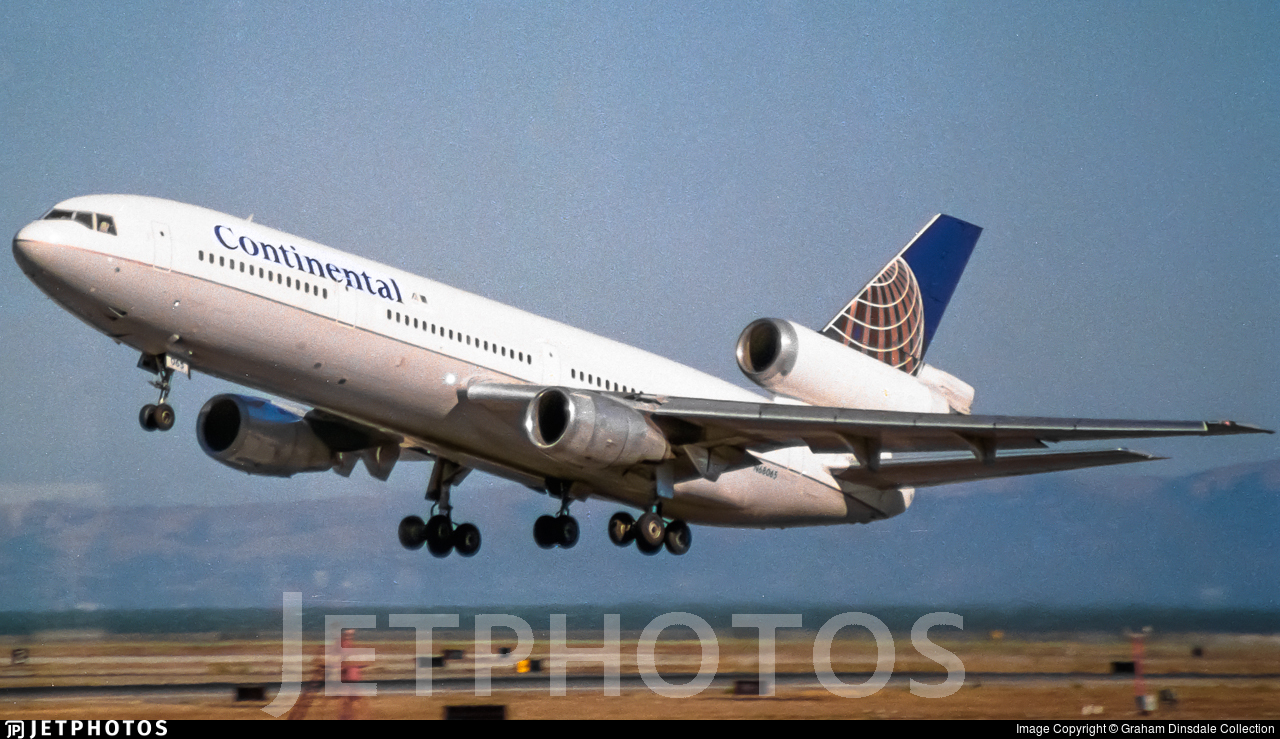
Continental started out as one of the smaller carriers in the United States, known for its limited operations under the regulated era that provided very fine, almost fancy, service against the larger majors in important point-to-point markets, the largest of which was Chicago/Los Angeles. However, deregulation in 1978 changed the competitive landscape and realities, as noted by Smithsonian Airline Historian R. E. G. Davies, "Unfortunately, the policies that had been successful for more than forty years under [Robert] Six's cavalier style of management were suddenly laid bare as the cold winds of airline deregulation changed all the rules—specifically, the balance between revenues and expenditures."
In 1981, Texas International Airlines acquired a controlling interest in Continental. The companies were merged in 1982, moved to Houston, and grew into one of the country's largest carriers despite facing financial and labor issues, eventually becoming one of the more successful airlines in the United States.
On May 2, 2010, Continental and United Airlines announced an $8.5 billion merger of equals with the United name and Continental operating certificate and “globe” livery retained, which would be complete on October 1, 2010. Continental's shareholders received 1.05 per share in United stock for each Continental share they owned. Upon completion of the acquisition, UAL Corporation changed its name to United Continental Holdings.
On June 27, 2019, United changed its parent company name from United Continental Holdings to United Airlines Holdings.
About DC-10
The McDonnell Douglas DC-10 is an American trijet wide-body aircraft manufactured by McDonnell Douglas. The DC-10 was intended to succeed the DC-8 for long-range flights. It first flew on August 29, 1970; it was introduced on August 5, 1971, by American Airlines.
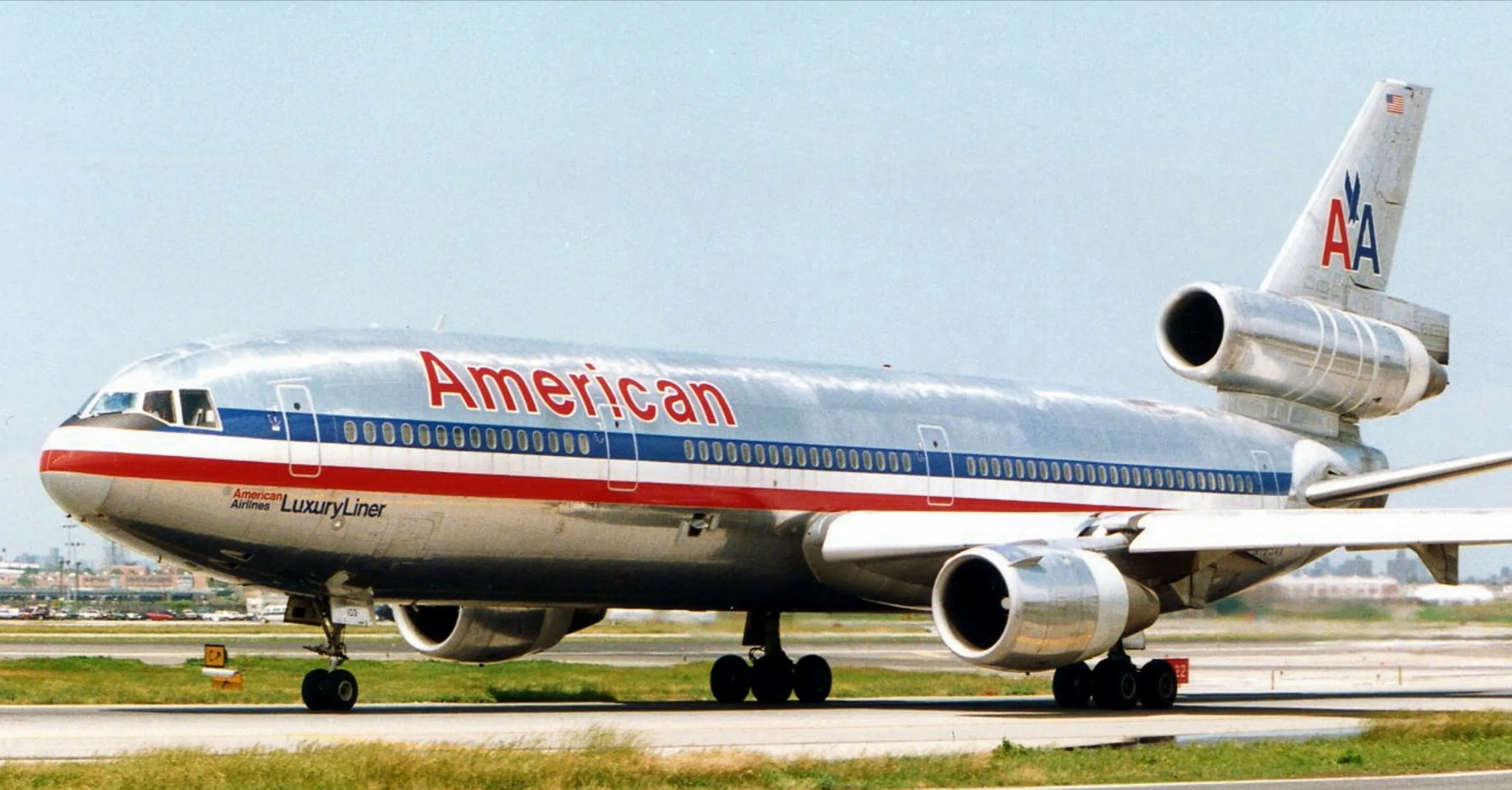
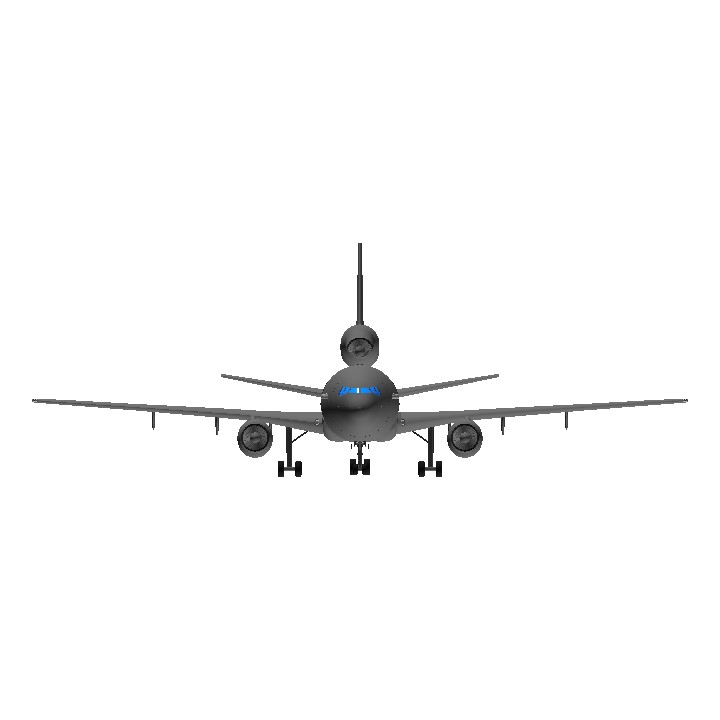
The trijet has two turbofans on underwing pylons and a third one at the base of the vertical stabilizer. The twin-aisle layout has a typical seating for 270 in two classes. The initial DC-10-10 had a 3,500-nautical-mile [nmi] (6,500 km; 4,000 mi) range for transcontinental flights. The DC-10-15 had more powerful engines for hot and high airports. The DC-10-30 and –40 models (with a third main landing gear leg to support higher weights) each had intercontinental ranges of up to 5,200 nmi (9,600 km; 6,000 mi). The KC-10 Extender (based on the DC-10-30) is a tanker aircraft that was primarily operated by the United States Air Force.
The DC-10 outsold the similar Lockheed L-1011 TriStar due to the latter's delayed introduction and high cost. Production of the DC-10 ended in 1989, with 386 delivered to airlines along with 60 KC-10 tankers.[4] After merging with McDonnell Douglas in 1997, Boeing upgraded many in-service DC-10s as the MD-10 with a glass cockpit that eliminated the need for a flight engineer. In February 2014, the DC-10 made its last commercial passenger flight. Its cargo service remained prevalent for a few more years until it was retired. Today only a small handful of airlines fly the DC-10, mainly for cargo and aerial firefighting.
DC-10 Air Tanker

Specifications
Spotlights
- Dreamlinerboi 22 hours ago
- Mitterbin 23 hours ago
General Characteristics
- Predecessor DC 10 -30
- Created On Android
- Wingspan 165.4ft (50.4m)
- Length 181.7ft (55.4m)
- Height 59.0ft (18.0m)
- Empty Weight N/A
- Loaded Weight 150,524lbs (68,277kg)
Performance
- Power/Weight Ratio 1.011
- Horse Power/Weight Ratio 0.029
- Wing Loading 32.0lbs/ft2 (156.4kg/m2)
- Wing Area 4,700.5ft2 (436.7m2)
- Drag Points 22118
Parts
- Number of Parts 573
- Control Surfaces 9
- Performance Cost 3,599
@Kav
@Dreamlinerboi
cool livery
@Kav yes its beautiful
Beautiful!