

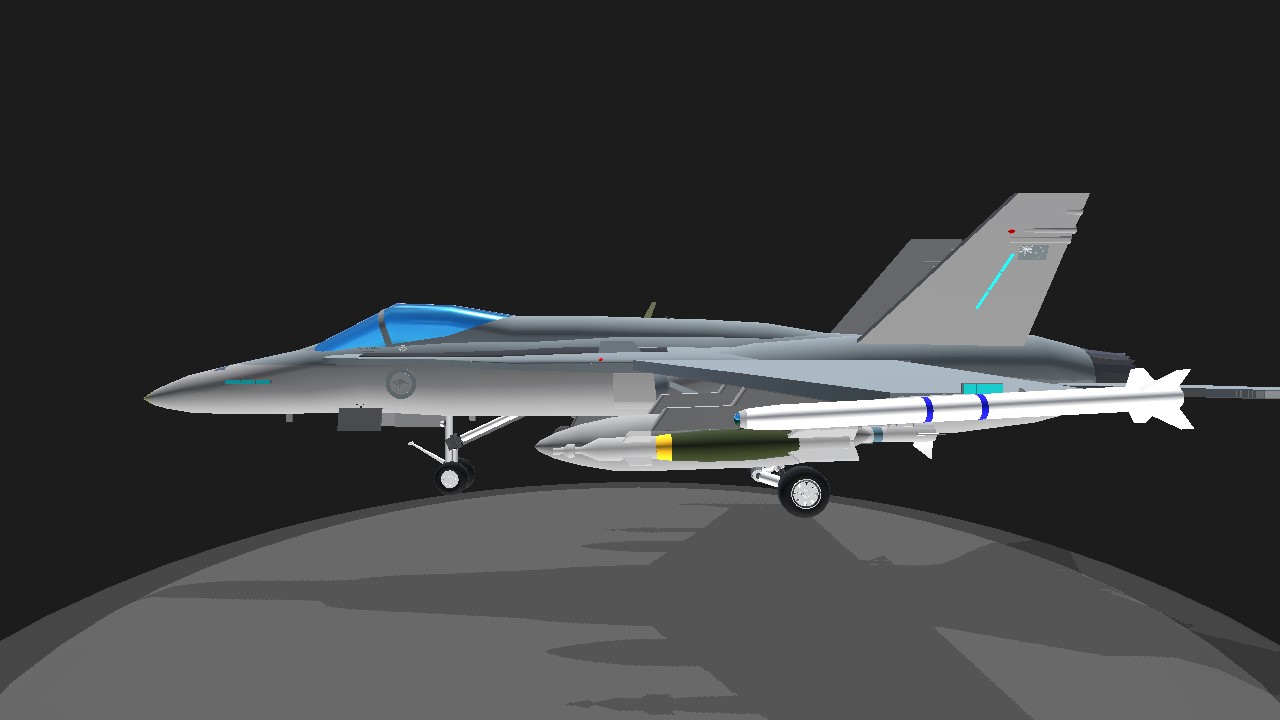
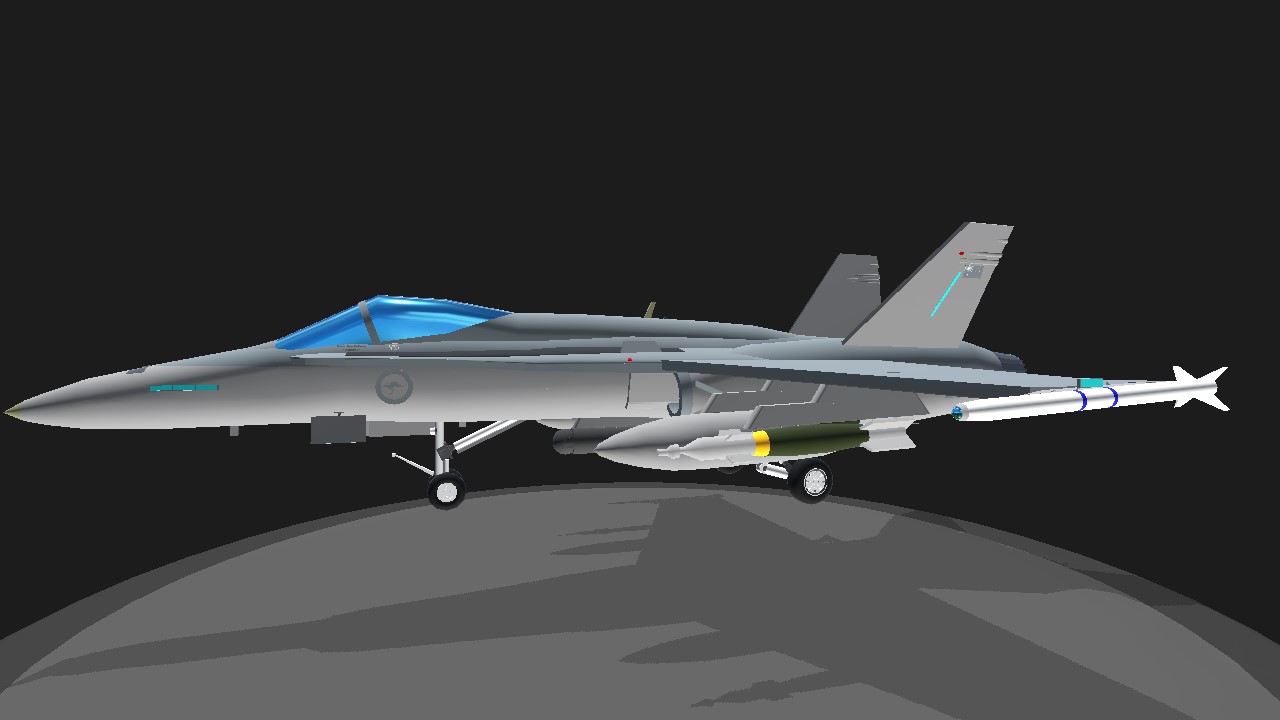
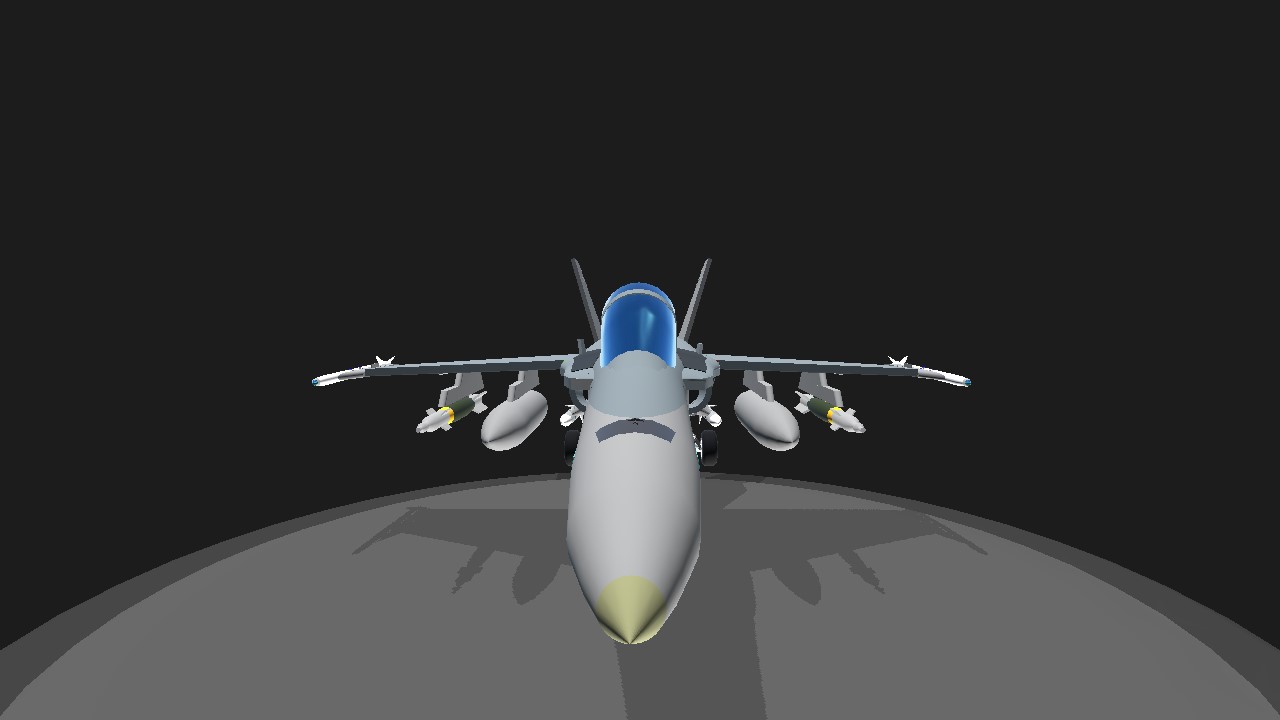
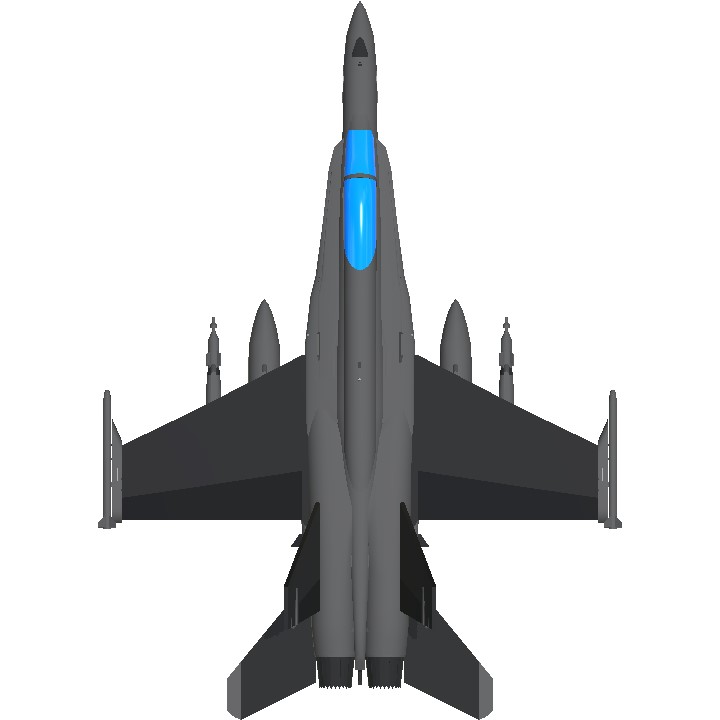
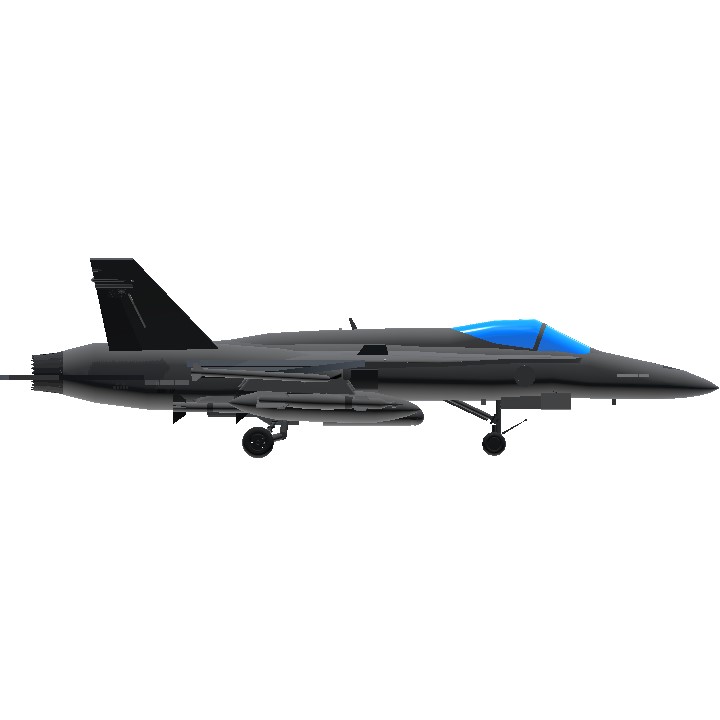
The AF-18 Hornet, the Australian variant of the McDonnell Douglas F/A-18A, served for decades as the primary multirole fighter of the Royal Australian Air Force (RAAF). Introduced in the mid-1980s, it played a crucial role in national air defense and in international operations alongside allies under both NATO and UN mandates.
The AF-18 preserves the original Hornet’s true multirole design, seamlessly transitioning between air-to-air and air-to-ground missions. With advanced digital avionics, multimode radar, and upgraded targeting systems, it proved to be a dependable and flexible combat platform in diverse operational environments.
Key features of the AF-18 Hornet (RAAF):
Digital avionics with HUD and computerized navigation systems.
AN/APG-65 radar, capable of engaging multiple air and ground targets.
Full multirole capability for both air-to-air and air-to-ground missions.
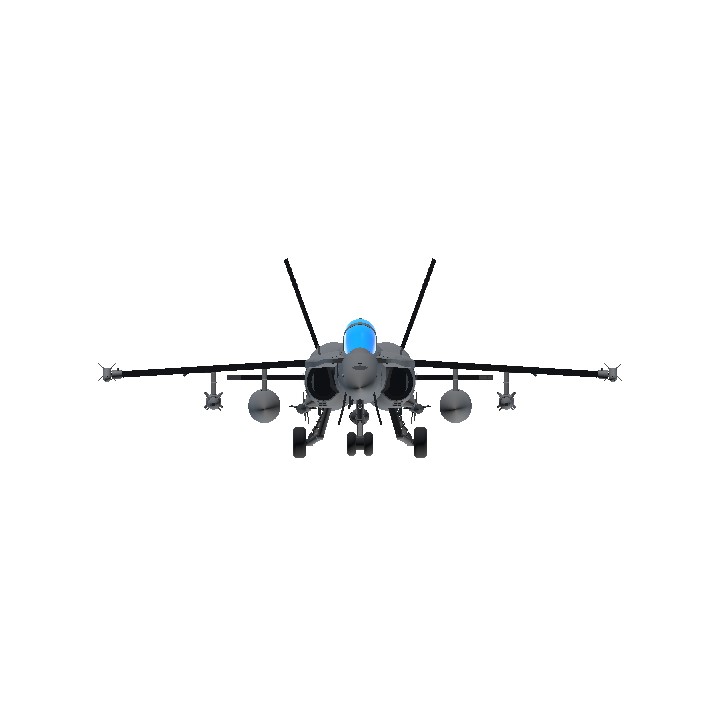
Standard armament: AIM-132 ASRAAM, AIM-120 AMRAAM, GBU-12 Paveway II laser-guided bombs.
High maneuverability and proven reliability in both domestic and international missions.
For decades, the AF-18 Hornet stood as the backbone of Australia’s air defense, safeguarding national sovereignty while contributing to coalition missions in support of global security and stability.
Controls:
AG1: Jettison Fuel Tanks
AG2: Jettison GBU-12
AG5: Extend refueling probe
AG6: Fold wings
AG7: Arm tail hook
AG8: Lights
VTOL: Flaps
Trim: Adjust Trim
Specifications
General Characteristics
- Predecessor CF-188A Hornet RCAF
- Created On Android
- Wingspan 38.1ft (11.6m)
- Length 52.4ft (16.0m)
- Height 14.4ft (4.4m)
- Empty Weight N/A
- Loaded Weight 20,312lbs (9,213kg)
Performance
- Power/Weight Ratio 2.655
- Wing Loading 12.9lbs/ft2 (63.0kg/m2)
- Wing Area 1,574.0ft2 (146.2m2)
- Drag Points 4401
Parts
- Number of Parts 666
- Control Surfaces 10
- Performance Cost 2,644
Honorable Mentions:
@Maverick09
@WarLightning
@kav
Honorable Mentions:
@ReinMcDeer
@nwa
@Kris102874837