

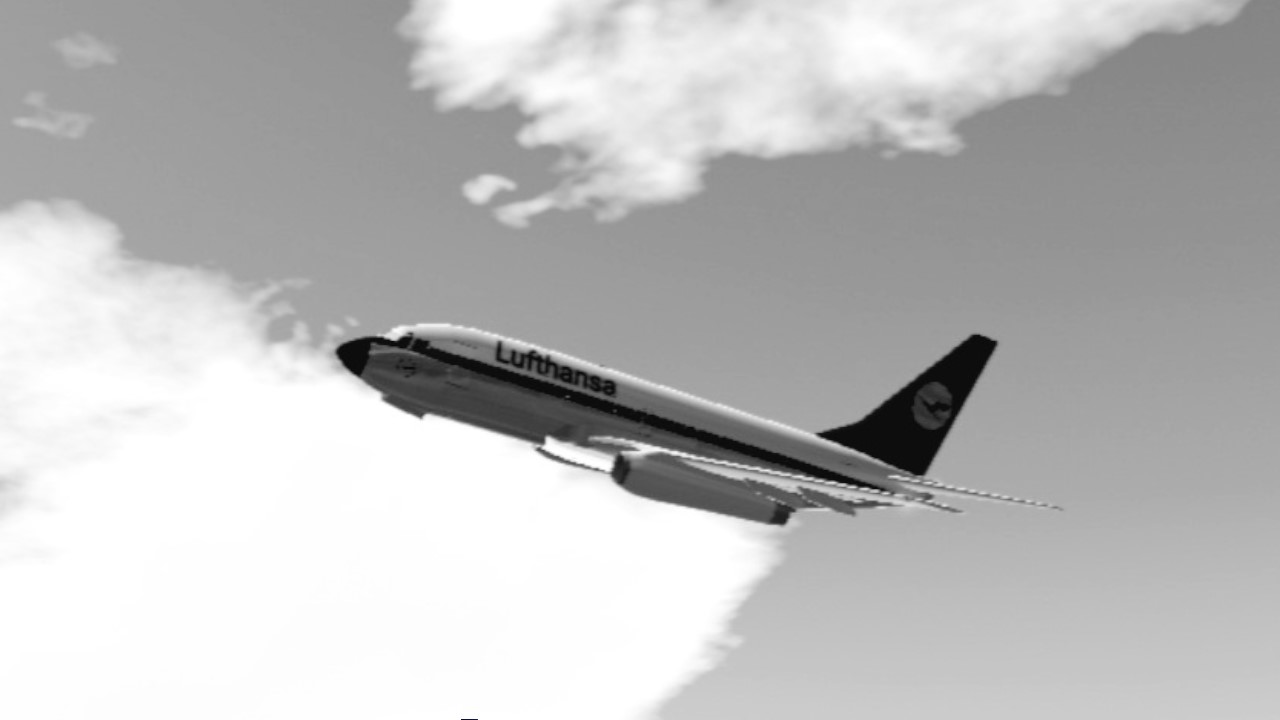
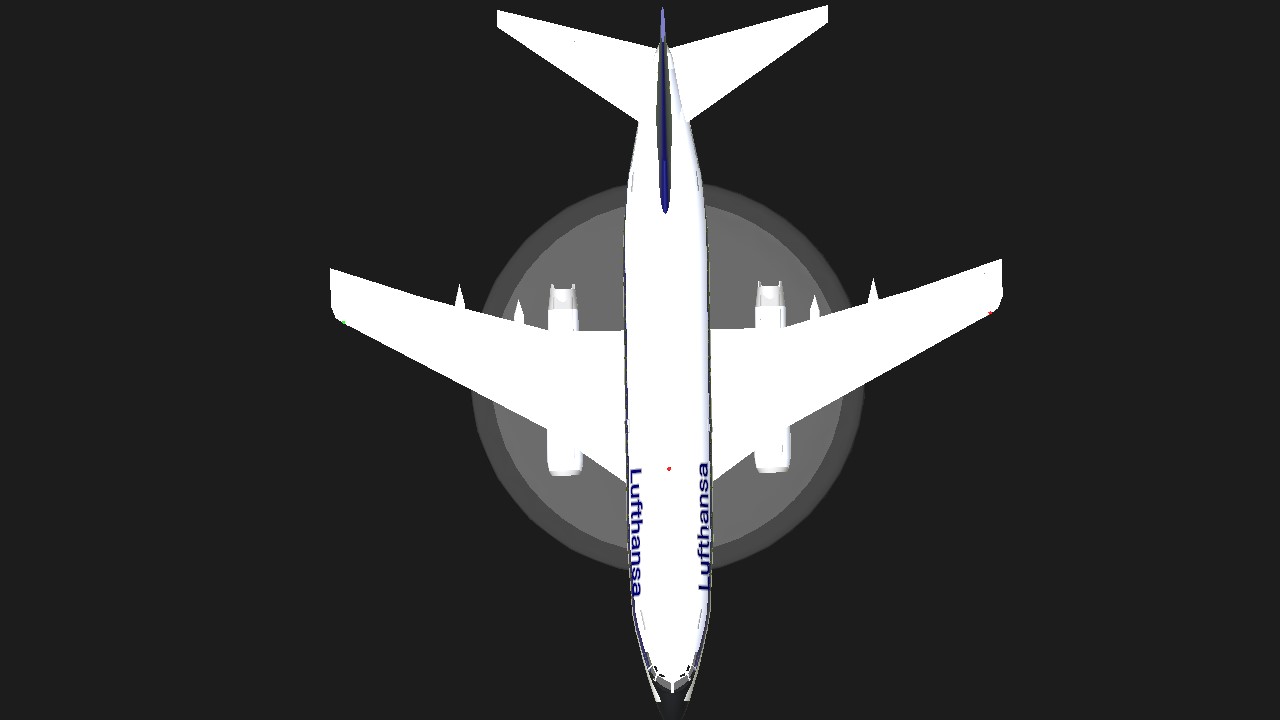
About Lufthansa
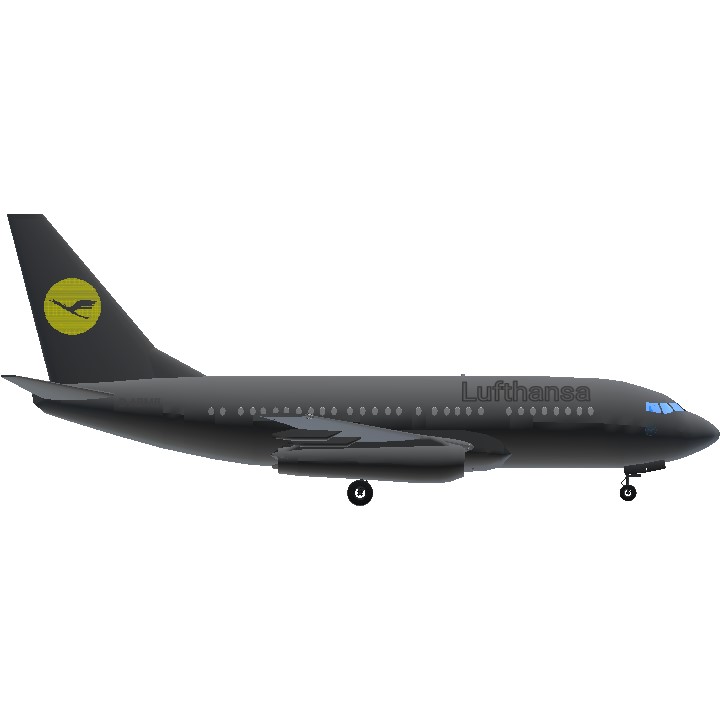
Deutsche Lufthansa AG, trading as the Lufthansa Group, is a German aviation group. Its major and founding subsidiary airline Lufthansa German Airlines, branded as Lufthansa, is the flag carrier of Germany. It ranks second in Europe by passengers carried, as well as largest in Europe and fourth largest in the world by revenue. Lufthansa Airlines is also one of the five founding members of Star Alliance, which is the world's largest airline alliance, formed in 1997. Lufthansa was founded in 1953 and commenced operations in April 1955.
Lufthansa A320
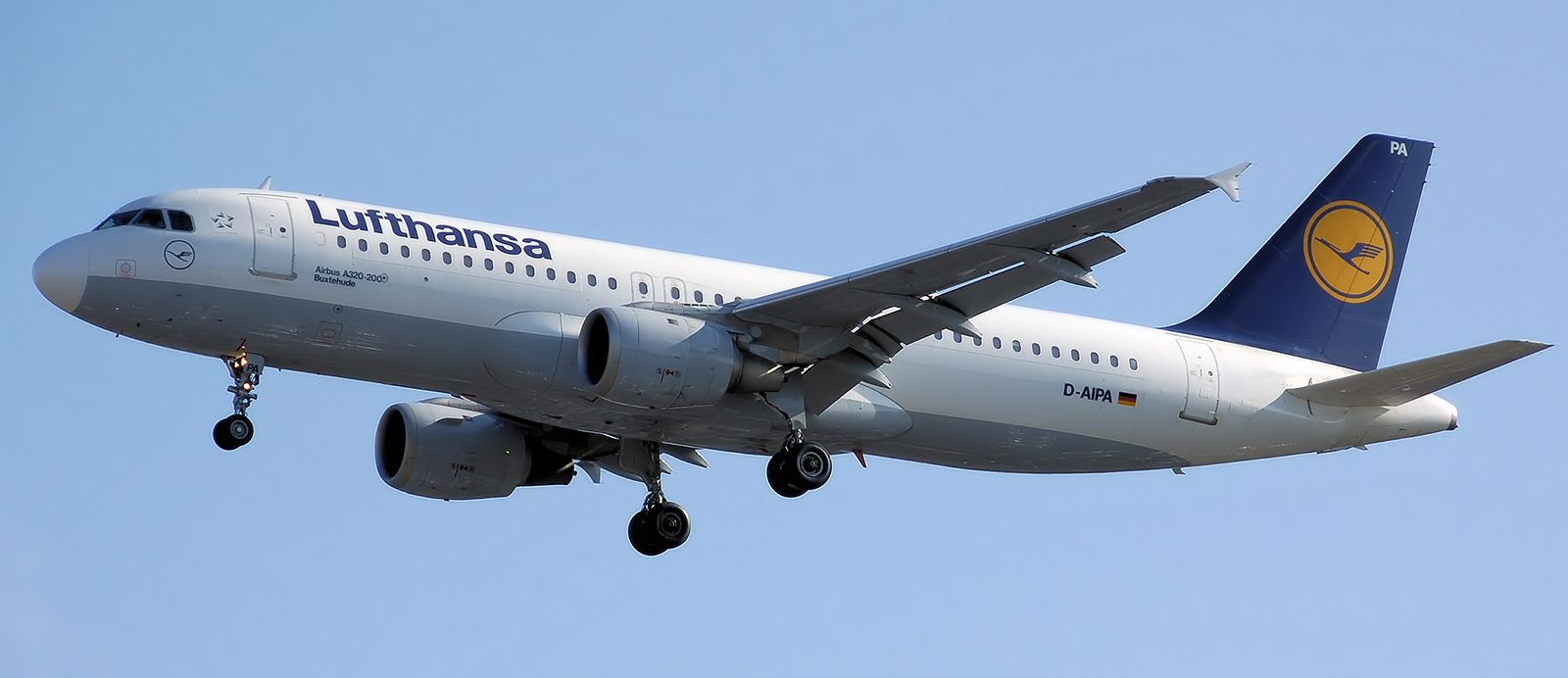
Besides operating flights under its own brand Lufthansa Airlines, the Lufthansa Group also owns several other airlines, including Austrian Airlines, Brussels Airlines, Discover Airlines, Eurowings, ITA Airways and Swiss International Air Lines. The group also owns several aviation-related companies, including Global Load Control, Lufthansa Consulting, Lufthansa Flight Training, Lufthansa Systems and Lufthansa Technik.
The company was founded as Aktiengesellschaft für Luftverkehrsbedarf (often shortened to Luftag) on 6 January 1953 by staff of the former Deutsche Luft Hansa, Germany's national airline founded in 1926. While Deutsche Luft Hansa played a significant role in the development of commercial aviation in Germany, it was liquidated in 1951 due to its association with the Nazi regime during World War II. Luftag adopted the branding of the former flag carrier by acquiring the Luft Hansa name and logo in 1954.
Lufthansa's corporate headquarters are in Cologne. The main operations base, called Lufthansa Aviation Center, is located at Frankfurt Airport, the airline's primary hub. It also maintains a secondary hub at Munich Airport, along with its Flight Operations Centre.
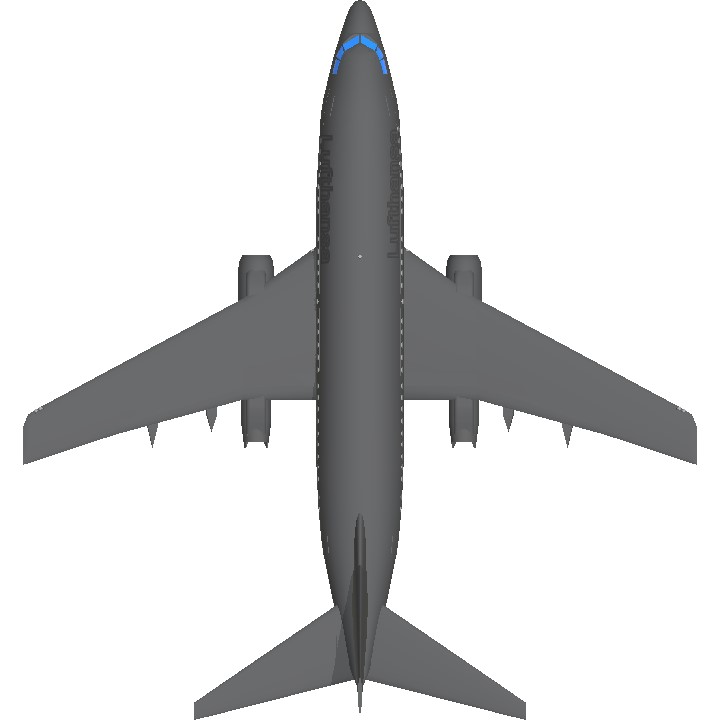
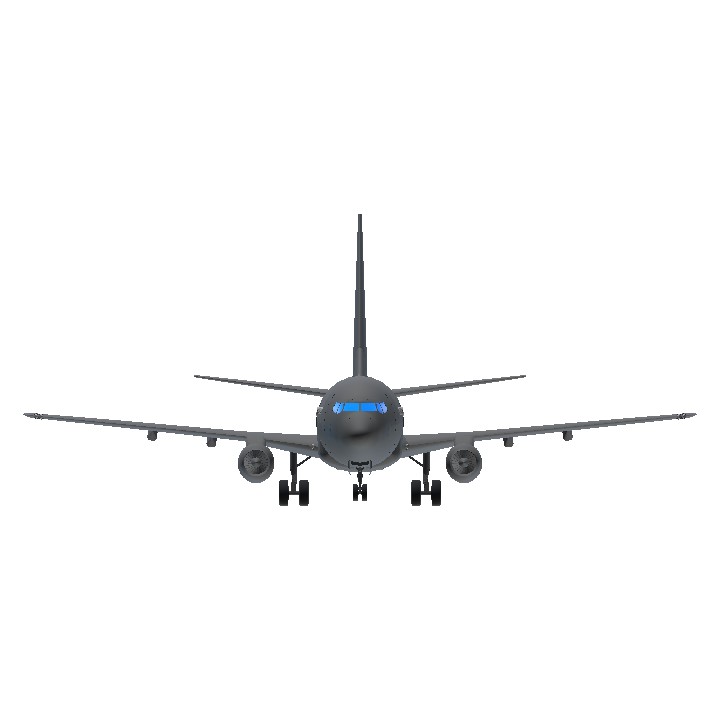
About Boeing 737-200
The 737-200 was a 737-100 with an extended fuselage, launched by an order from United Airlines in 1965 and entered service with the launch customer in April 1968. Its unit cost was US$4.0M (1968) ($36.2M today). The -200's unit cost was US$5.2M (1972) ($39.1M today). The 737-200 Advanced is an improved version of the -200, introduced into service by All Nippon Airways on May 20, 1971. After aircraft #135, the 737-200 Advanced has improved aerodynamics, automatic wheel brakes, more powerful engines, more fuel capacity, and hence a 15% increase in payload and range over the original -200s and respectively -100s. The 737-200 Advanced became the production standard in June 1971. Boeing also provided the 737-200C (Combi), which allowed for conversion between passenger and cargo use and the 737-200QC (Quick Change), which facilitated a rapid conversion between roles. The 1,114th and last delivery of a -200 series aircraft was in August 1988 to Xiamen Airlines.
Boeing 727-200 Air France
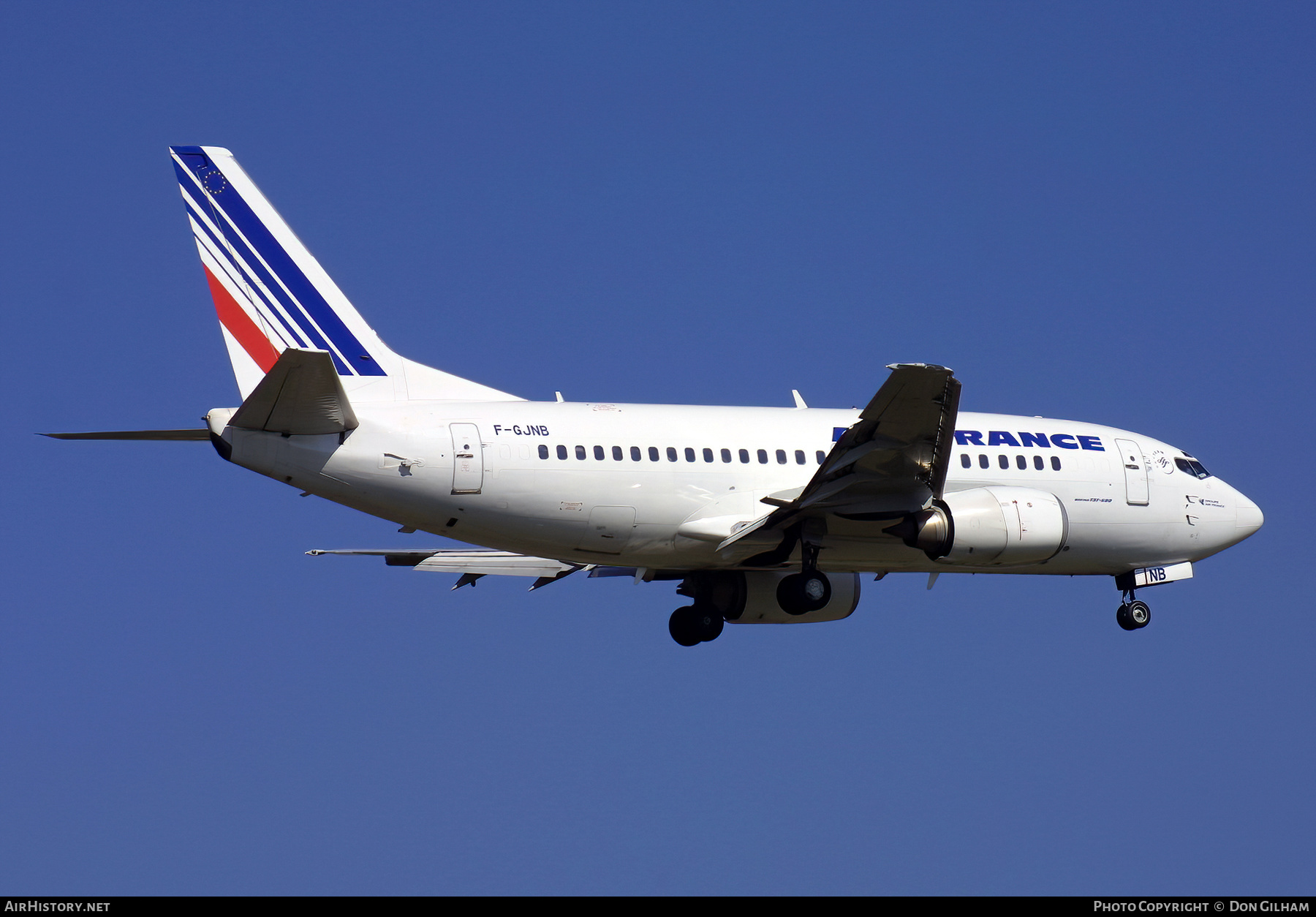
After 40 years, in March 2008, the final 737-200 aircraft in the U.S. flying scheduled passenger service were phased out, with the last flights of Aloha Airlines. As of 2018, the variant still saw regular service through North American charter operators such as Sierra Pacific Airlines.
The short-field capabilities of the 737-200 led Boeing to offer the "Unpaved Strip Kit" (see the Air North example, right). This option reduced foreign object damage when operated on remote, unimproved or unpaved runways, that competing jetliners could not use safely. The kit included a gravel deflector on the nose gear and a vortex dissipator extending from the front of the engine. Alaska Airlines used the gravel kit for some of its combi aircraft rural operations in Alaska until retiring its -200 fleet in 2007. Air Inuit, Nolinor Aviation and Buffalo Airways still use the gravel kit in Northern Canada. Canadian North also operated a gravel-kitted 737-200 Combi, but this was due to be retired in early 2023.
As of September 2023, a relatively high number of 737-200s remain in service compared to other early jet airliners, with fifty examples actively flying for thirty carriers. During the 737 MAX groundings, older 737s, including the 200 and Classic series, were in demand for leasing. C-GNLK, one of Nolinor's 737-200s, is the oldest jet airliner in commercial service as of 2024, having entered service 50 years prior in 1974.
Specifications
Spotlights
- Celando 15 hours ago
General Characteristics
- Predecessor B737-200 PW JT8D
- Created On Android
- Wingspan 95.7ft (29.2m)
- Length 102.3ft (31.2m)
- Height 41.5ft (12.6m)
- Empty Weight N/A
- Loaded Weight 50,596lbs (22,950kg)
Performance
- Power/Weight Ratio 0.984
- Horse Power/Weight Ratio 0.059
- Wing Loading 28.5lbs/ft2 (138.9kg/m2)
- Wing Area 1,778.2ft2 (165.2m2)
- Drag Points 13632
Parts
- Number of Parts 429
- Control Surfaces 9
- Performance Cost 2,630
@ChaseRacliot
@Kav
Cool
short