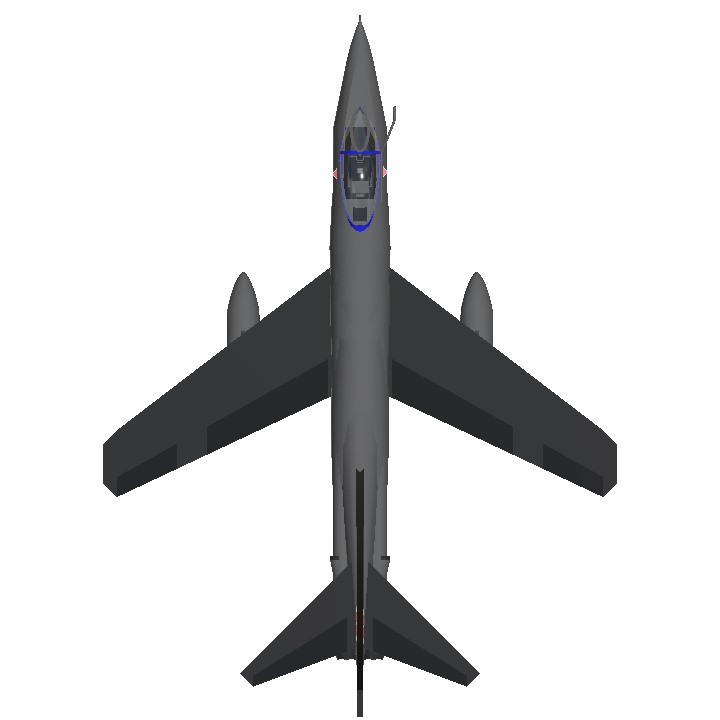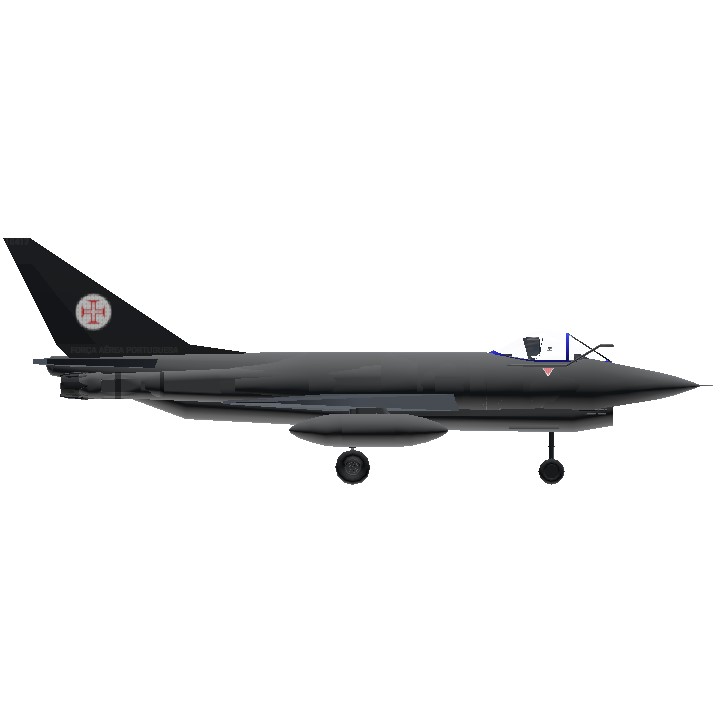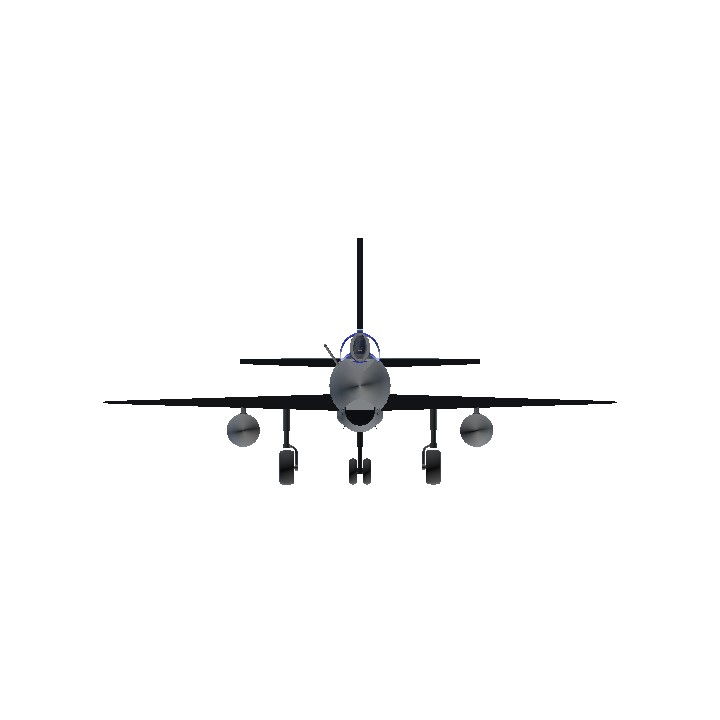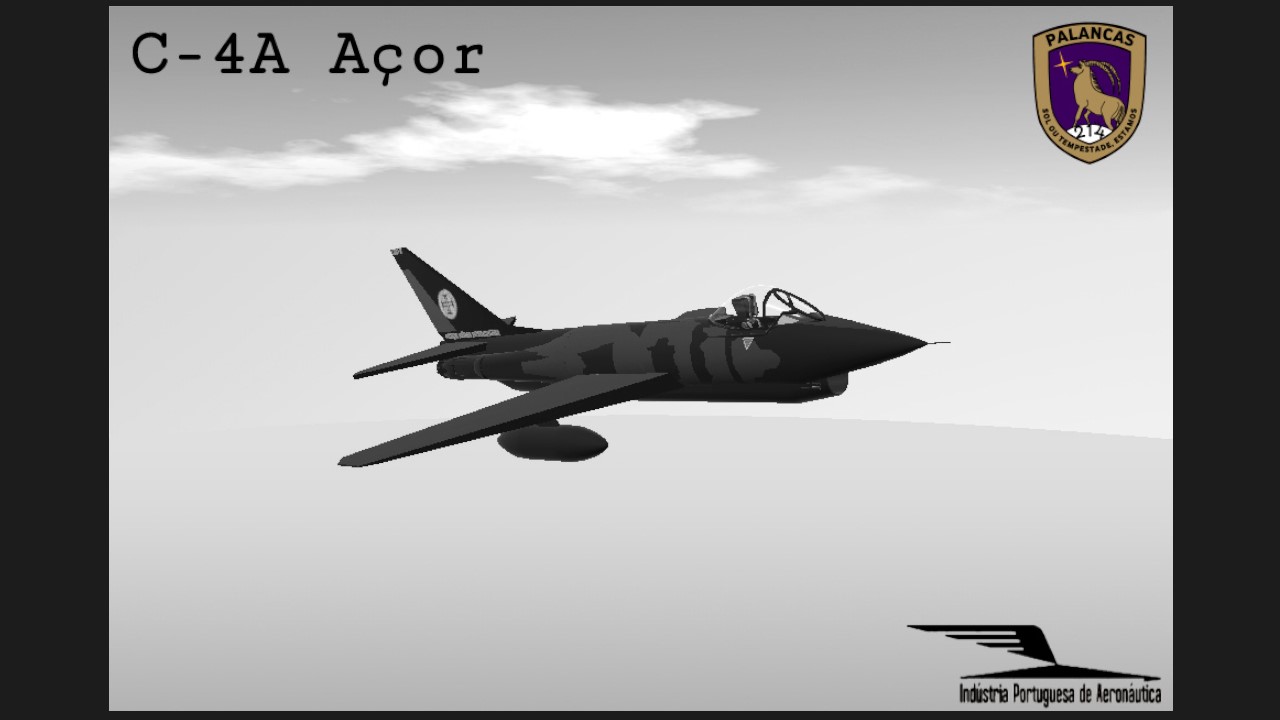
The IPA C‑4A Açor was developed in the early 1950s to ensure air superiority for the Portuguese Air Force, replacing the aging C‑1 and problematic C‑2. Designed by IPA, it featured a slim fuselage, swept wings, ventral air intakes, and compact turbojet engines with short-burst afterburners.
First flown in 1953 and entering service in 1955, the C‑4A excelled in speed, maneuverability, and operational range. Although originally an air superiority fighter, its low-speed stability and robust structure allowed adaptation to patrol, escort, and light ground-attack roles.
Equipped with wing hardpoints, external fuel tanks, and an aerial refueling probe, it could conduct long-range missions across Portugal’s mainland and overseas territories. The aircraft became a versatile tactical platform, capable of evolving with operational demands.
Throughout the late 1950s and early 1960s, the Açor proved itself as one of IPA’s most successful designs, laying the foundation for later variants in attack, support, and overseas operations.
Specifications
General Characteristics
- Created On Android
- Wingspan 31.3ft (9.5m)
- Length 44.3ft (13.5m)
- Height 15.3ft (4.7m)
- Empty Weight 8,769lbs (3,977kg)
- Loaded Weight 14,922lbs (6,768kg)
Performance
- Power/Weight Ratio 2.484
- Wing Loading 55.4lbs/ft2 (270.4kg/m2)
- Wing Area 269.4ft2 (25.0m2)
- Drag Points 2981
Parts
- Number of Parts 111
- Control Surfaces 7
- Performance Cost 551