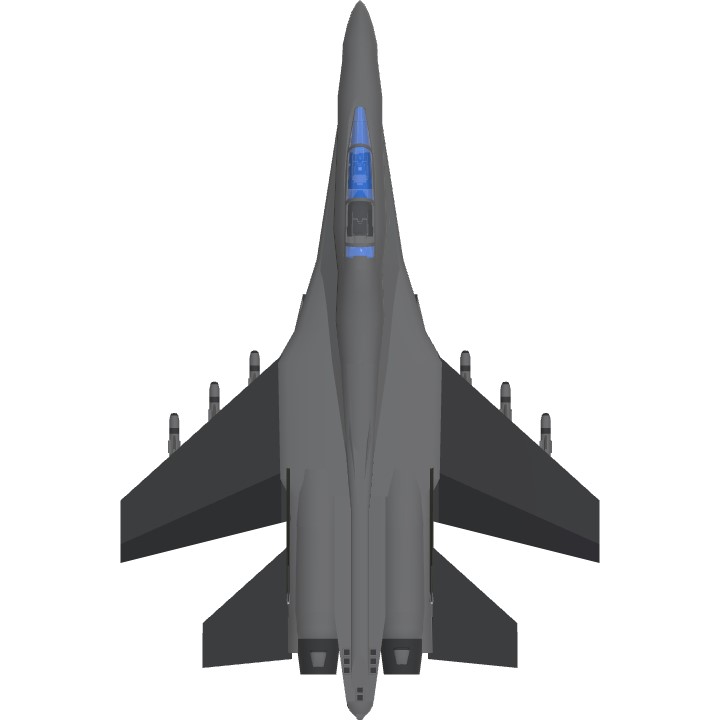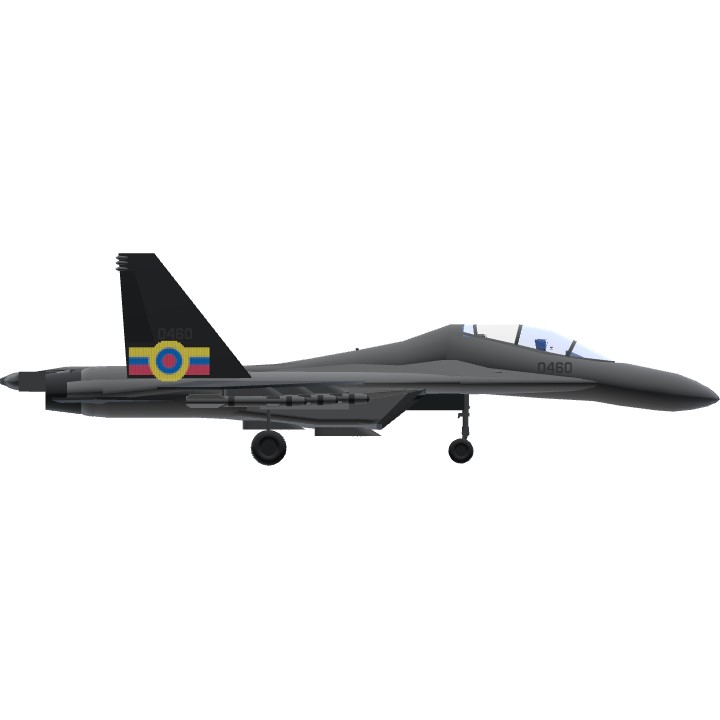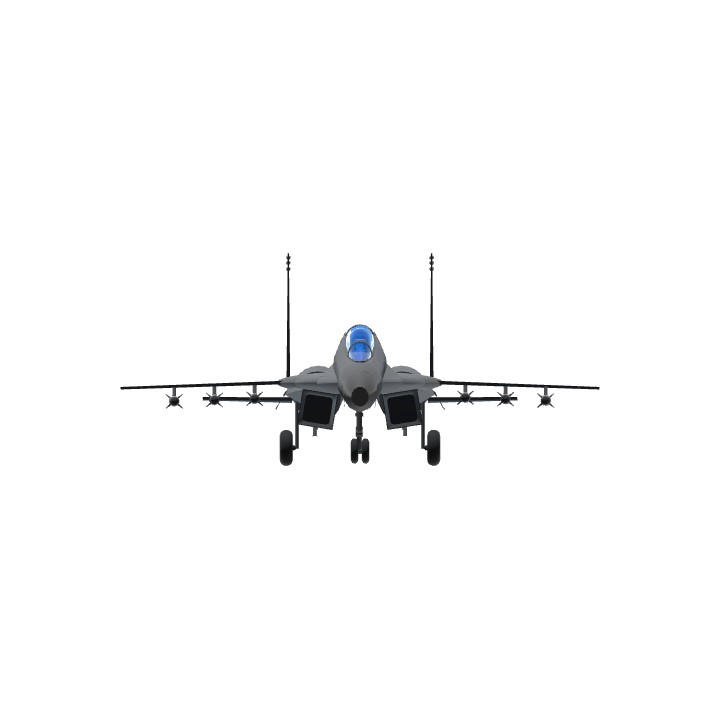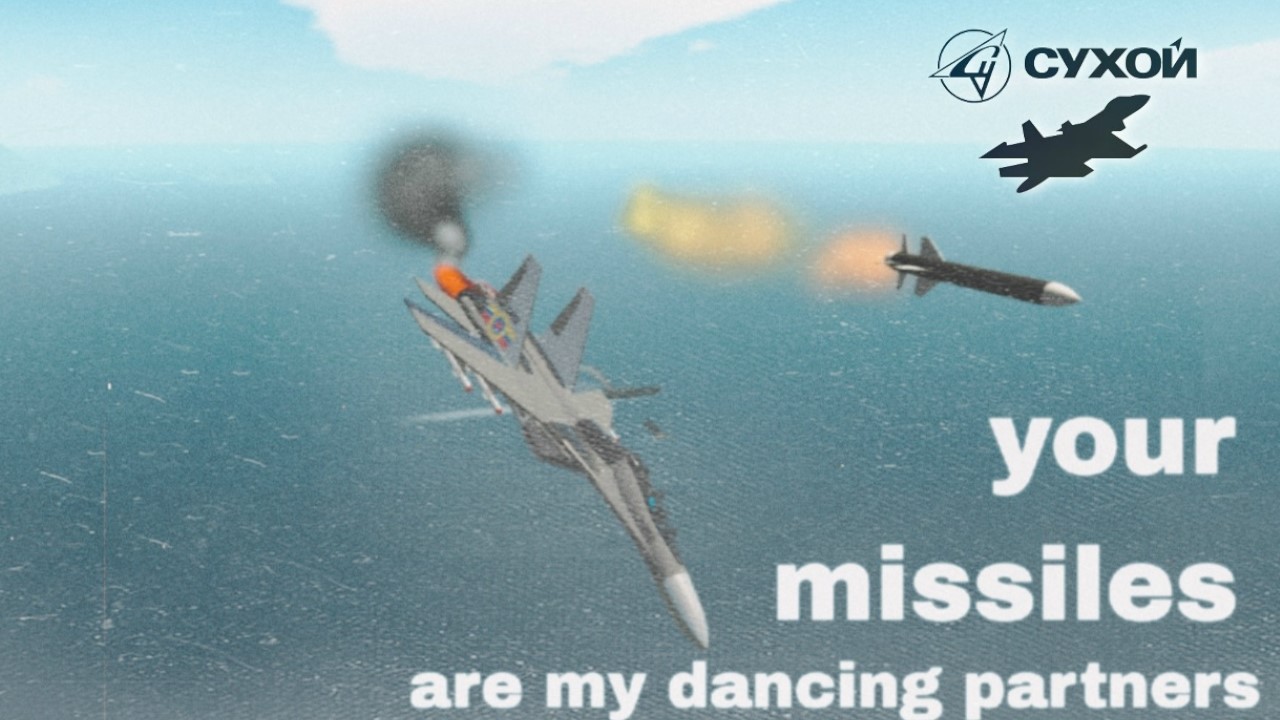
The Sukhoi Su-30MK2 is the apex of the Venezuelan Air Force's (Fuerza Aérea Venezolana, FAV) combat aviation, forming the core of its long-range air defense and strategic strike capability.
Actually, MY FIRST SU made properly on this account
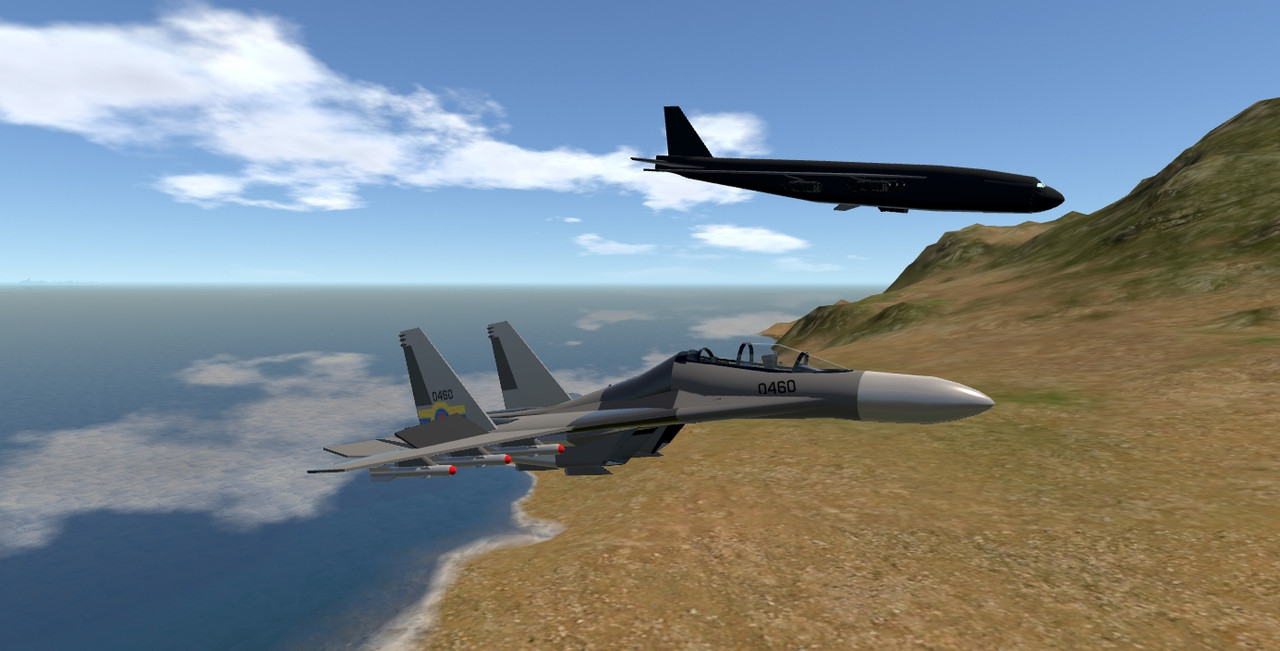
1. Acquisition and Delivery: How It Arrived in Venezuela
Venezuela's acquisition of the Su-30 was a direct result of its strategic re-alignment in the 2000s, seeking to modernize its fleet amidst strained relations with the United States and looking toward Russia as a primary defense partner.
Contract: The initial contract for 24 Su-30 fighter jets was signed with Russia's Rosoboronexport in 2006.
Phased Delivery: The aircraft were delivered in two batches:
2006-2008: The first 12 aircraft (basic Su-30MK2 variant) arrived.
2012-2015: The second batch of 12, featuring some minor avionics updates, was delivered. This brought the total fleet to 24 aircraft, organized under the 13th Fighter Aviation Group (Grupo Aéreo de Caza 13) "Libertadores" based at Lieutenant Luis del Valle García Air Base (BA-1), El Libertador, in the state of Aragua.
Purpose: The procurement aimed to replace aging F-16A/B Netz and provide a credible deterrent and power projection platform capable of securing Venezuela's vast airspace, territorial waters (including critical energy infrastructure), and borders.
2. Key Characteristics and Capabilities
The Su-30MK2 is a heavy, long-range, twin-seat, twin-engine multirole fighter, an advanced development of the Su-27 Flanker.
Airframe & Performance:
Engines: Two Saturn AL-31FP turbofans with Thrust Vectoring Control (TVC), providing exceptional agility and supermaneuverability.
Range: Over 3,000 km on internal fuel, extendable with aerial refueling (using its retractable probe) and external tanks. This gives it unparalleled endurance for the region.
Radar: A powerful NIIP N001VE pulse-Doppler radar with a detection range of up to 120-140 km against fighter-sized targets. It can track multiple targets and engage several simultaneously.
Avionics: Integrated with Russian, and reportedly some French and Israeli, subsystems. It features a glass cockpit with multifunction displays for both pilot and weapon systems officer (WSO).
Armament and the 9 Hardpoints:
Configuration: The Su-30MK2 is equipped with a total of 9 hardpoints (pylons) for weapons and external fuel tanks: 2 wingtip rails, 6 under-wing, and 1 centerline under-fuselage.
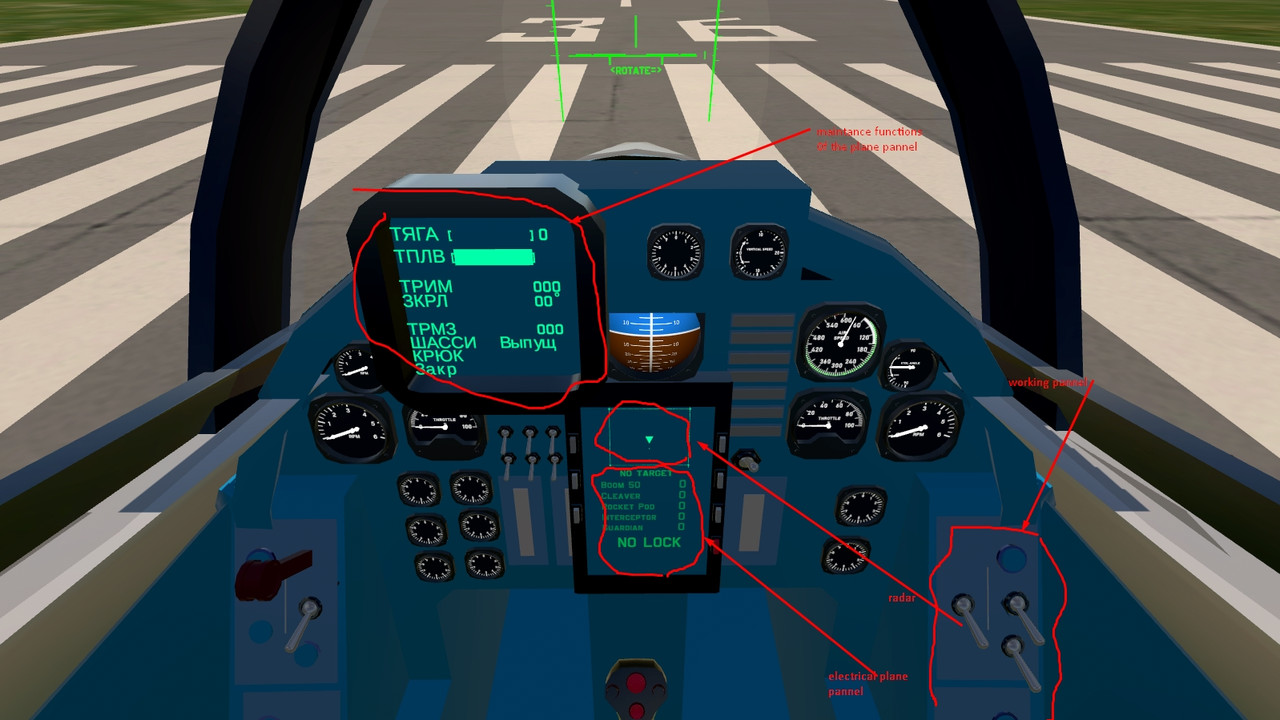
Armament Suite:
Air-to-Air: R-27 (AA-10 Alamo) medium-range and highly agile R-73 (AA-11 Archer) short-range missiles. Venezuela was also reported to have ordered the more advanced R-77 (AA-12 Adder) active radar-guided medium-range missiles.
Air-to-Surface: This is a key strength. The arsenal includes the Kh-29L (AS-14 Kedge) laser-guided tactical air-to-surface missile, used for precision strikes against hardened point targets like bunkers, bridges, and ships. It also employs Kh-31 (AS-17 Krypton) anti-radiation missiles, KAB-500/1500 laser-guided bombs, and general-purpose bombs and rockets.
Gun: A single 30mm GSh-30-1 internal cannon.
Role in the Venezuelan Air Force
Primary Role: Air Superiority and Long-Range Interception. Its primary mission is to establish control over Venezuelan airspace. Its powerful radar, long range, and credible BVR (Beyond Visual Range) missiles make it the principal asset for countering potential air threats.
Secondary Role: Strategic Strike and Maritime Patrol. Equipped with munitions like the Kh-29L, it serves as a potent deep-strike platform against land and sea targets. It is critical for anti-access/area denial (A2/AD) over the Caribbean Sea and the nation's coastline.
Tertiary Role: Advanced Training and Tactical Reconnaissance. The twin-seat configuration allows it to function as an advanced combat trainer for developing high-end pilot skills. It can also carry reconnaissance pods.
3. Specifics on Kh-29L and Weapon Load Configuration
Kh-29L (NATO: AS-14 Kedge): This is a large, heavy (680 kg), laser-guided missile with a powerful 320 kg penetrating high-explosive warhead. It is designed to destroy fortified concrete structures, industrial installations, and large ships. In Venezuelan service, it provides a significant precision stand-off strike capability. The guidance requires the launching aircraft or a ground/airborne designator to illuminate the target with a laser until impact.
Utilization of the 9 Hardpoints: A typical configuration for a precision strike mission could include:
Wingtip (x2): R-73 missiles for self-defense.
Under-Wing/Under-Fuselage (remaining 7): A mix of Kh-29L missiles, Kh-31 anti-radar missiles, KAB-series guided bombs, and external fuel tanks (typically one centerline and two under-wing tanks for long-range missions). The exact loadout depends on mission range, target type, and threat environment.
Unfortunately Postimage site is banned for Russia (why?) so I cant post here another more pictures
Сontrols
AG1 - parachute
AG2 - Overdrive mode
AG3 - Stab
AG4 - Brakes
AG5 - Jettishion of the weapons
AG6 - Lights
Specifications
General Characteristics
- Created On Windows
- Wingspan 43.7ft (13.3m)
- Length 66.1ft (20.1m)
- Height 19.3ft (5.9m)
- Empty Weight 49,275lbs (22,351kg)
- Loaded Weight 60,863lbs (27,607kg)
Performance
- Power/Weight Ratio 6.092
- Wing Loading 91.9lbs/ft2 (448.9kg/m2)
- Wing Area 662.0ft2 (61.5m2)
- Drag Points 7453
Parts
- Number of Parts 289
- Control Surfaces 6
- Performance Cost 1,730