One King to Rule the Seas.
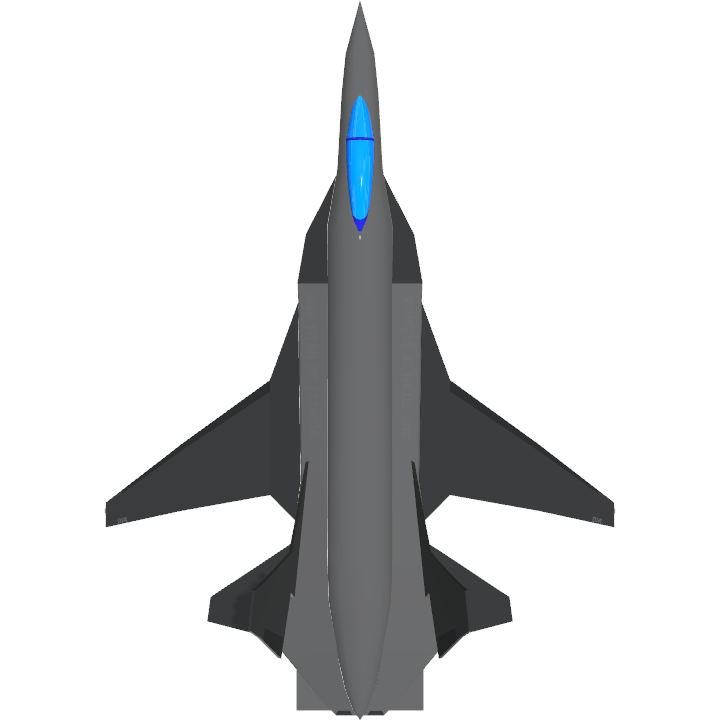
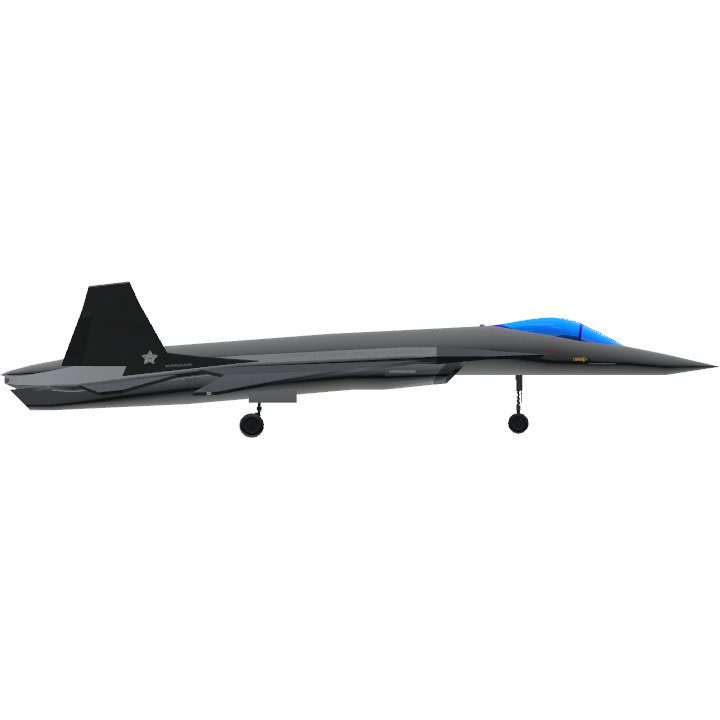
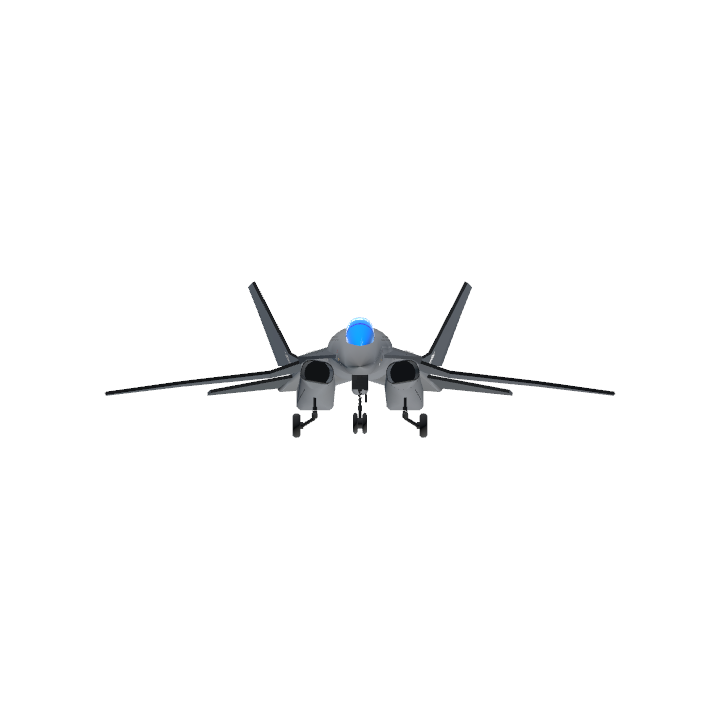
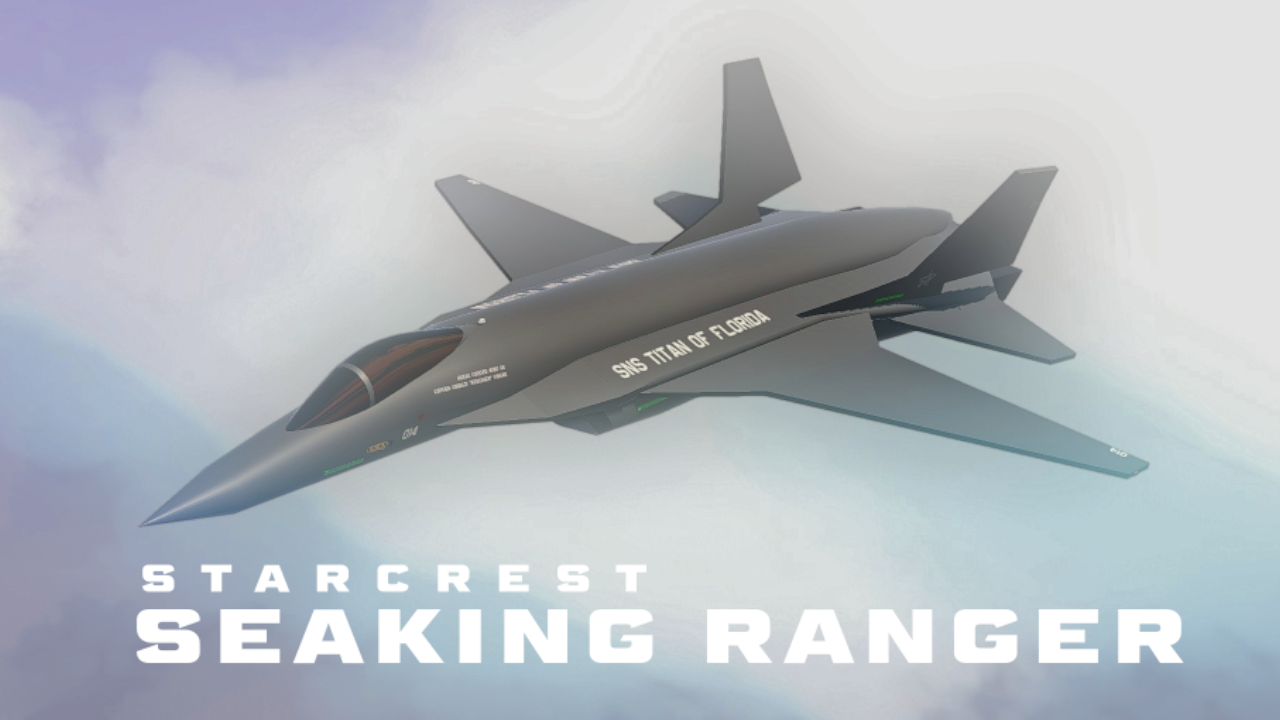
The SCF-98N Seaking Ranger represents the navalized evolution of Starcrest United’s 6th generation air superiority design, developed as the carrier-capable counterpart to the SCF-98 King Ranger and the direct successor to the SCF-78 Silent Ranger in fleet air defense service. Where the Silent Ranger relied on unconventional vectored thrust and a rear-buried engine layout to reduce radar signature—at the cost of maneuverability—the Seaking Ranger inherits the King Ranger’s refined conventional tailplane design and centrally mounted engines, yielding a more balanced center of thrust, superior agility, and greater control authority during both high-energy air combat and carrier recovery operations.
The SCF-98N Seaking Ranger is purpose-built for fleet defense, designed to operate as the outer shield of a carrier strike group in the most contested air and missile environments. Its ultra-low RCS, suppressed infrared and acoustic signatures, and long-endurance patrol profile allow it to remain on station far beyond the carrier’s immediate airspace, silently detecting and intercepting hostile aircraft, bombers, and anti-ship missile platforms before they can threaten the fleet. Integrated sensor fusion and cooperative engagement capabilities enable the Seaking Ranger to act as both interceptor and battle manager, cueing ship-based Aegis systems and allied aircraft while conducting its own high-speed interceptions. Combined with its large internal missile capacity and QMEM+ weapons bay, the aircraft can sustain repeated defensive engagements without returning to the carrier, ensuring continuous, layered protection of naval assets in blue-water and littoral operations alike.
Navalizing the SCF-98N Seaking Ranger required a careful balance between brute structural pragmatism and obsessive stealth discipline. The aircraft features fully folding wings to reduce its deck footprint and maximize carrier storage density, engineered so the hinge lines and actuators align with existing planform edges to avoid creating new radar reflectors. Its landing gear is heavily reinforced to absorb the violence of carrier recoveries, with strengthened attachment points and shock systems designed for repeated arrested landings without compromising the airframe’s low observable qualities. Most distinctive is the arresting hook itself, which retracts into a dedicated, stealth-contoured bay rather than remaining externally exposed; when stowed, it is completely shielded from radar and infrared sensors, preserving the Seaking Ranger’s ultra-low RCS profile even during cruise and combat operations. The result is a carrier-capable air superiority fighter that behaves like a naval aircraft on deck, but remains every bit a sixth-generation ghost once airborne.
Seakng Ranger (NFW-11 livery) here.

Specifications
General Characteristics
- Created On Windows
- Wingspan 50.9ft (15.5m)
- Length 71.8ft (21.9m)
- Height 15.3ft (4.7m)
- Empty Weight N/A
- Loaded Weight 55,697lbs (25,264kg)
Performance
- Power/Weight Ratio 14.525
- Wing Loading 82.3lbs/ft2 (401.8kg/m2)
- Wing Area 676.8ft2 (62.9m2)
- Drag Points 8158
Parts
- Number of Parts 187
- Control Surfaces 6
- Performance Cost 1,246