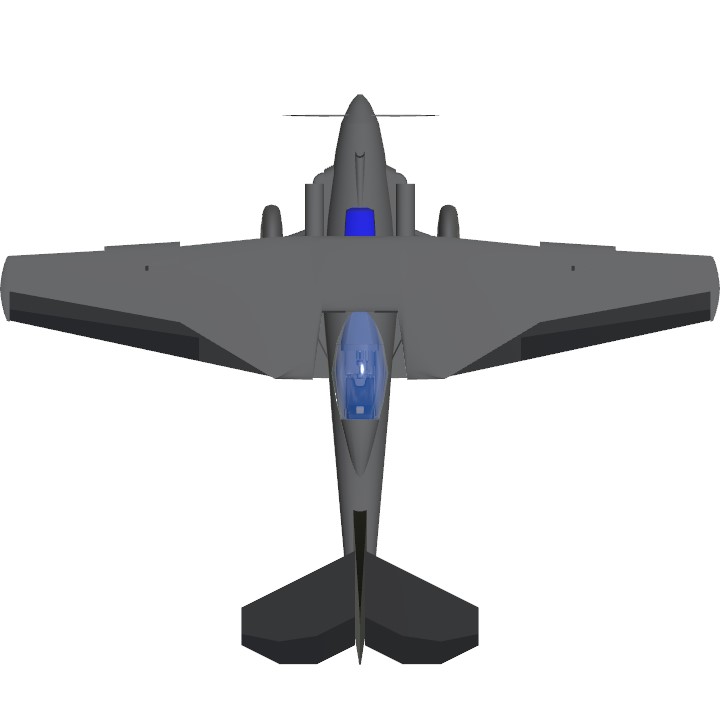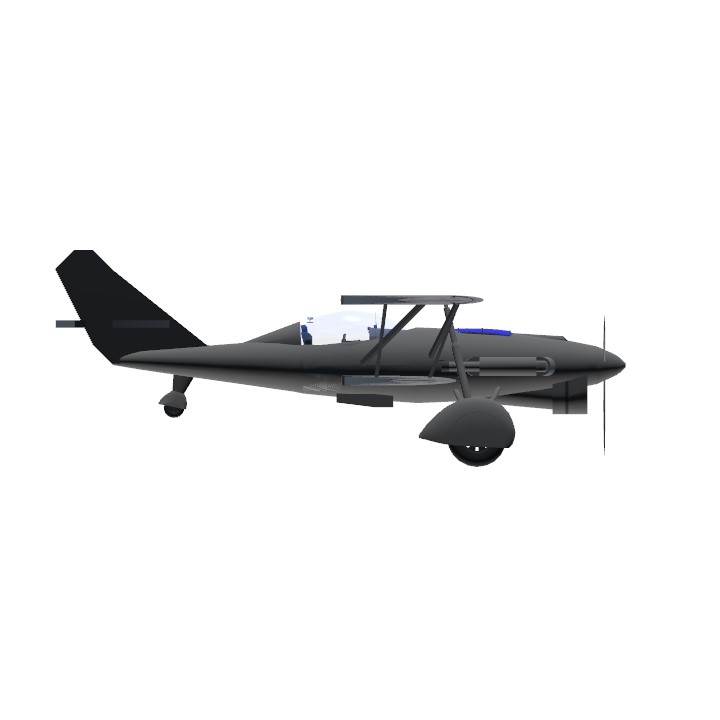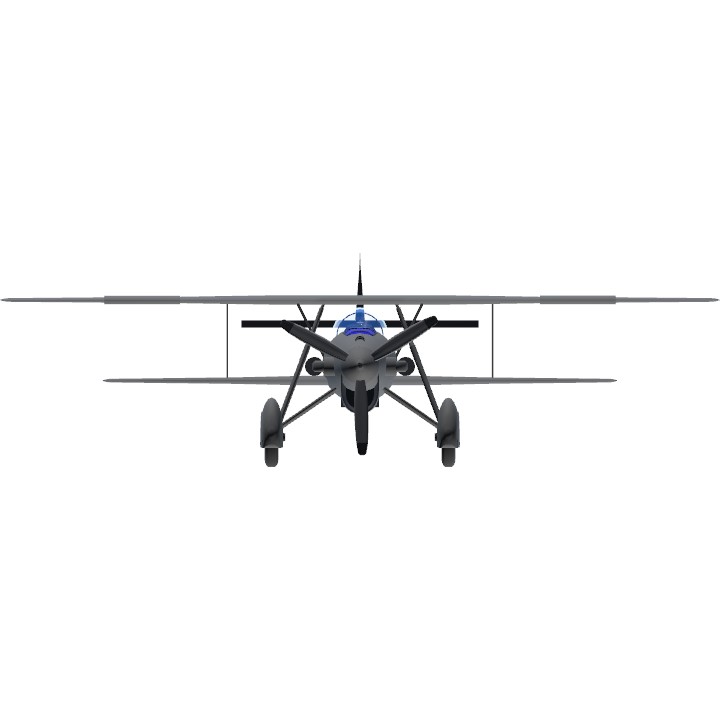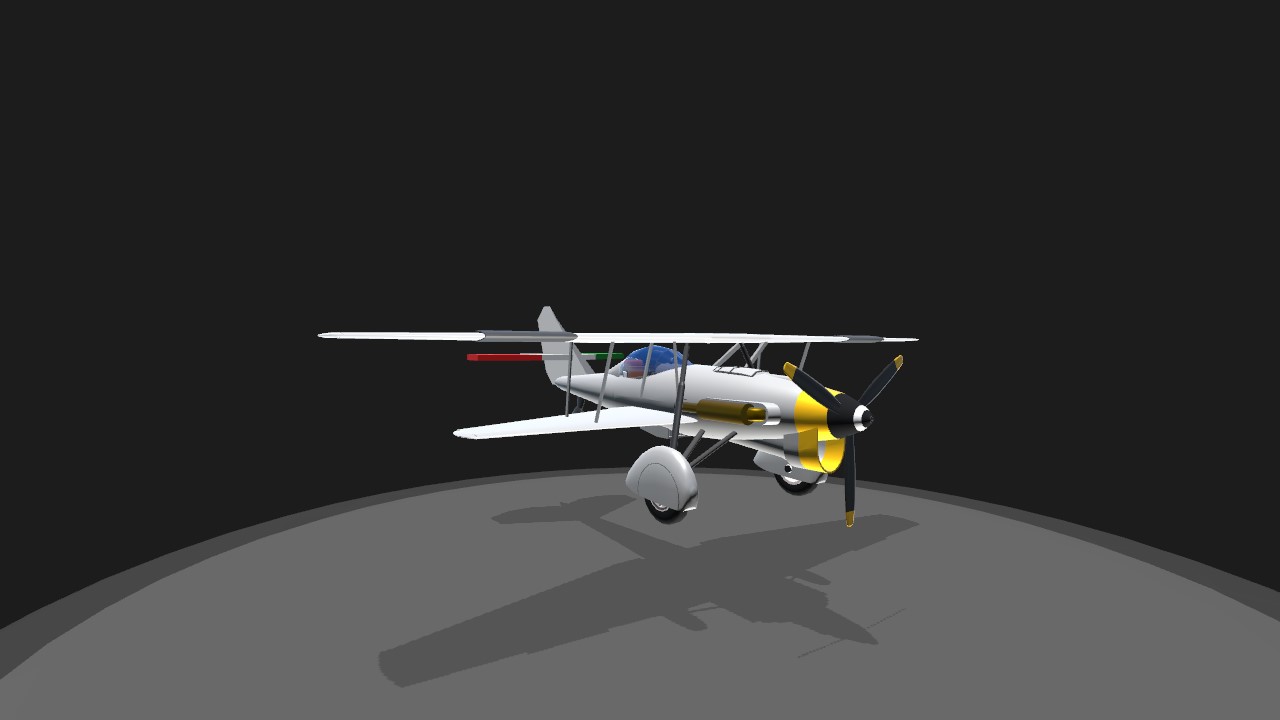
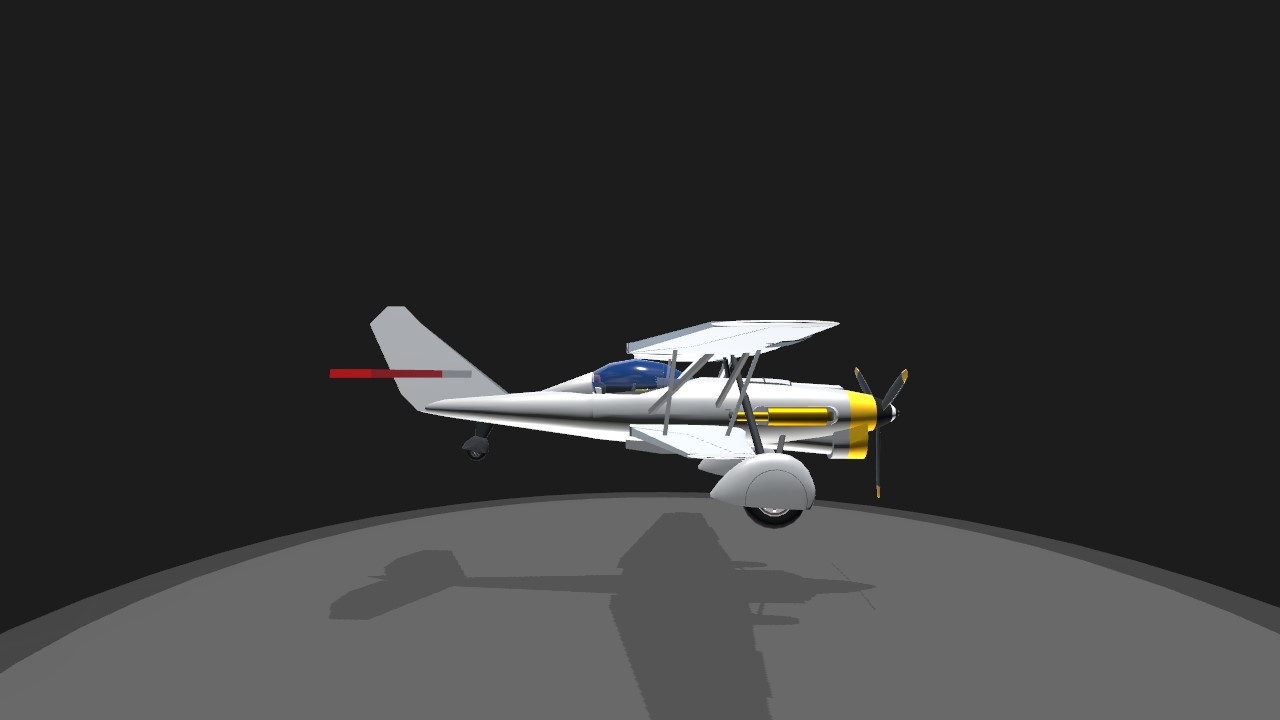
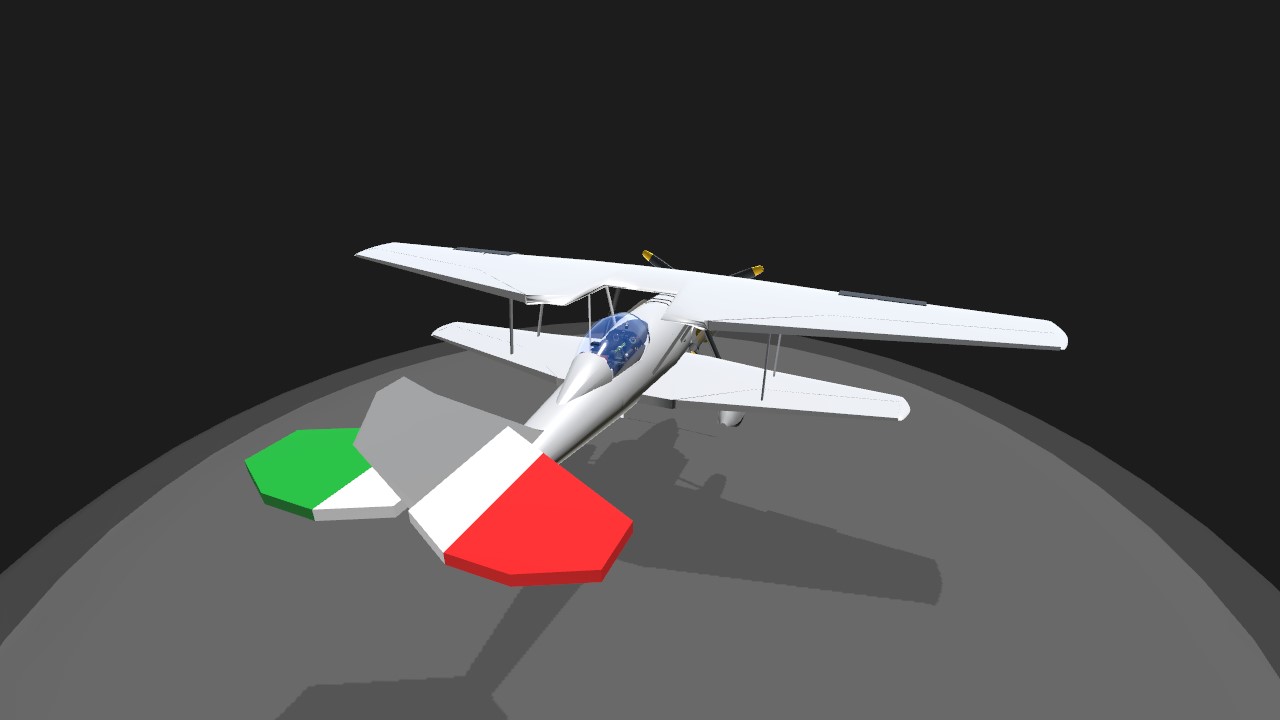
Despite the success of the original radial engined Strega, FIAT developed an upgraded, inlined engined variant. A 13L supercharged V-12 was developed specifically for the aircraft, and a new aerodynamic nose was fitted to the biplane, though its enhanced aerodynamics did little to offset the weight of the new water cooled engine. Very few aircraft saw service in their original configuration, though up to 30 of the tropicalized variant saw service with both the Regia Aeronautica as well as the Luftwaffe. In Luftwaffe service, its twin .50 Breda guns and dual .30 Bredas being replaced with a single MG 151 or MG 151/20. With a reduced service ceiling it saw little use in its original interceptor role, primarily being used for light ground attack and harassment. In this role it was equipped with a pair of large exhaust mufflers, reducing the noise from the exhaust by upwards on 30% from the Strega. Still retaining its heated, enclosed cockpit, it saw use primarily in the eastern front, harassing Russian encampments and convoys through 1944, when stores of spare airframes and parts ran dry, and it was replaced by new production Ju 87s and even older Hs 123s.
Specifications
General Characteristics
- Predecessor FIAT C.R.35 Strega
- Created On iOS
- Wingspan 31.2ft (9.5m)
- Length 26.1ft (8.0m)
- Height 9.2ft (2.8m)
- Empty Weight 4,740lbs (2,150kg)
- Loaded Weight 5,006lbs (2,270kg)
Performance
- Horse Power/Weight Ratio 0.449
- Wing Loading 21.5lbs/ft2 (105.0kg/m2)
- Wing Area 232.8ft2 (21.6m2)
- Drag Points 2225
Parts
- Number of Parts 178
- Control Surfaces 11
- Performance Cost 663