

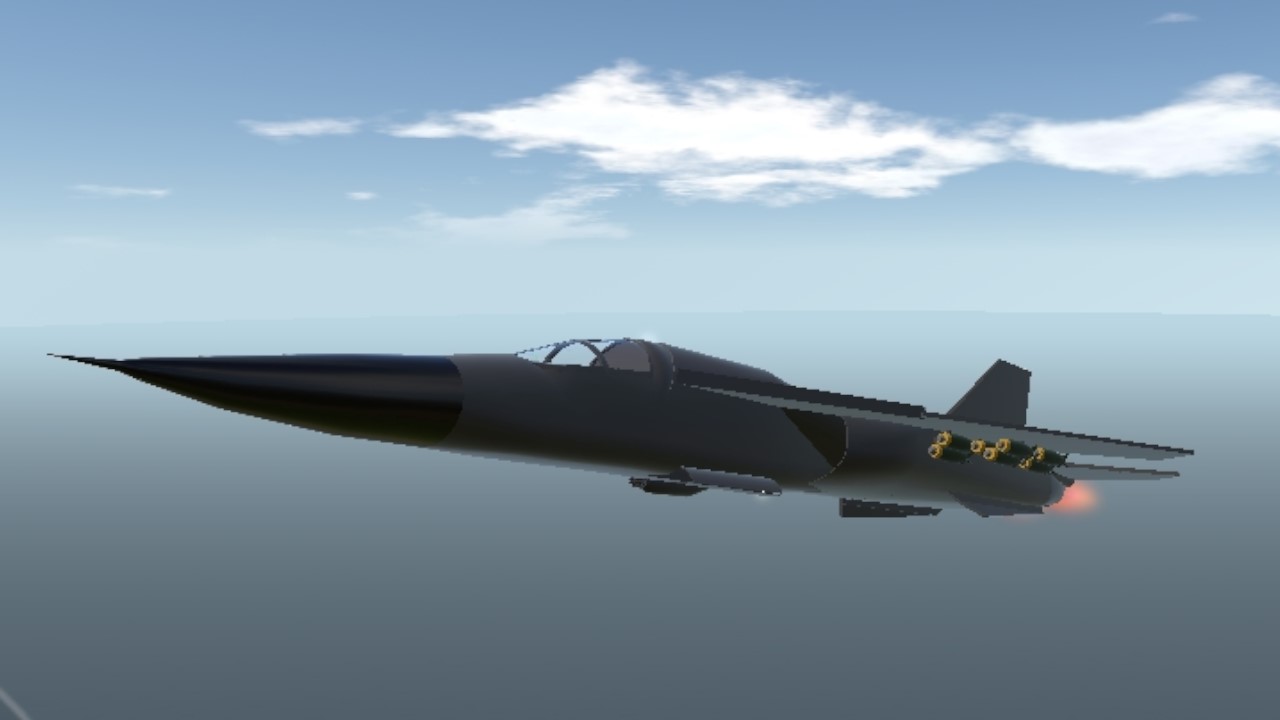
vark vark vark
The F-111
The General Dynamics F-111 Aardvark is a retired supersonic, medium-range, fighter-bomber. Production models of the F-111 had roles that included attack, strategic bombing, reconnaissance, and electronic warfare. Its name "Aardvark" comes from a long-nosed, insect-eating African animal.
The F-111C: RAAF
The General Dynamics F-111C (nicknamed the "Pig") is a variant of the F-111 Aardvark medium-range interdictor and tactical strike aircraft, developed by General Dynamics to meet Australian requirements. The design was based on the F-111A model but included longer wings and strengthened undercarriage. The Australian government ordered 24 F-111Cs to equip the Royal Australian Air Force (RAAF) in 1963, but the aircraft were not delivered until 1973 because of long-running technical problems. During 1979 and 1980 four of these aircraft were converted to the RF-111C reconnaissance variant. Four ex–United States Air Force (USAF) F-111As were purchased by Australia and converted to F-111C standard in 1982 to replace F-111Cs destroyed during accidents. Australia also operated 15 F-111Gs between 1993 and 2007, mainly for conversion training. The RAAF retired its remaining F-111Cs in December 2010. In Australian military and aviation circles, the F-111 Aardvark was affectionately known as the "Pig", due to its long snout and terrain-following ability.
General information
Type: Fighter-bomber and reconnaissance aircraft
National origin: United States
Manufacturer: General Dynamics
Status: Retired
Primary user: Royal Australian Air Force
Number built: 28
History
Introduction date: 1973
First flight: July 1968
Retired: 3 December 2010
Developed from: General Dynamics F-111 Aardvark
Variant: General Dynamics F-111K
Features
Fully custom VR cockpit, working ejector seat, extremely realistic flight performance, working fuel dump, really cool weapons bay.
General characteristics
Crew: 2 (pilot and weapons system operator)
Length: 73 ft 6 in (22.4 m)
Wingspan: 70 ft 0 in (21.33 m)
Swept wingspan: 33 ft 11 in (10.35 m) swept
Height: 17 ft 2 in (5.22 m)
Wing area: 657.4 sq ft (61.07 m2) spread, 525 sq ft (48.8 m2) swept
Aspect ratio: 7.56 spread; 1.95 swept
Airfoil: root: NACA 64-210.68; tip: NACA 64-209.80
Empty weight: 47,179 lb (21,400 kg)
Gross weight: 89,397 lb (40,550 kg)
Max takeoff weight: 110,002 lb (49,896 kg)
Powerplant: 2 × Pratt & Whitney TF30-P-100 afterburning
turbofan engines, 17,900 lbf (80 kN) thrust each dry, 25,100 lbf (112 kN) with afterburner
Performance
Maximum speed: 1,434 kn (1,650 mph, 2,656 km/h)
Maximum speed: Mach 2.5
Combat range: 1,160 nmi (1,330 mi, 2,150 km)
Ferry range: 3,700 nmi (4,300 mi, 6,900 km)
Service ceiling: 66,000 ft (20,000 m)
Rate of climb: 25,890 ft/min (131.5 m/s)
Lift-to-drag: 15.8
Wing loading: 126 lb/sq ft (620 kg/m2) wings spread
158 lb/sq ft (771.4 kg/m2) wings swept
Thrust/weight: 0.61
Zero-lift drag coefficient: 0.0186
Drag area: 9.36 sq ft (0.9 m2)
Armament
Guns: 1× M61 Vulcan 20 mm (0.787 in) Gatling cannon with 2,050 rounds
Missiles: 2 Aim-9B in weapon bay
Bombs: 16 750lb M117 dumb bombs
Controls
AG1 for canopy
AG2 for weapon bay
AG3 for nav lights
AG4 for nose wheel steering
AG5 for emergency arresting hook ( not used on aircraft carriers irl but go ahead anyways)
AG6+ Afterburner for fuel dump flame thing
AG7 for eject
VTOL down for flaps
VTOL up for wing sweep
Trim for trim
Probably my most realistic flight model, took me a while to make this, upvote will be appreciated. Happy flying!
Specifications
General Characteristics
- Predecessor (OPEN) The 1960s Challenge by B1
- Created On Android
- Wingspan 63.8ft (19.4m)
- Length 78.6ft (24.0m)
- Height 18.8ft (5.7m)
- Empty Weight N/A
- Loaded Weight 195,509lbs (88,681kg)
Performance
- Power/Weight Ratio 0.793
- Wing Loading 36.4lbs/ft2 (177.6kg/m2)
- Wing Area 5,373.7ft2 (499.2m2)
- Drag Points 7184
Parts
- Number of Parts 267
- Control Surfaces 5
- Performance Cost 1,897
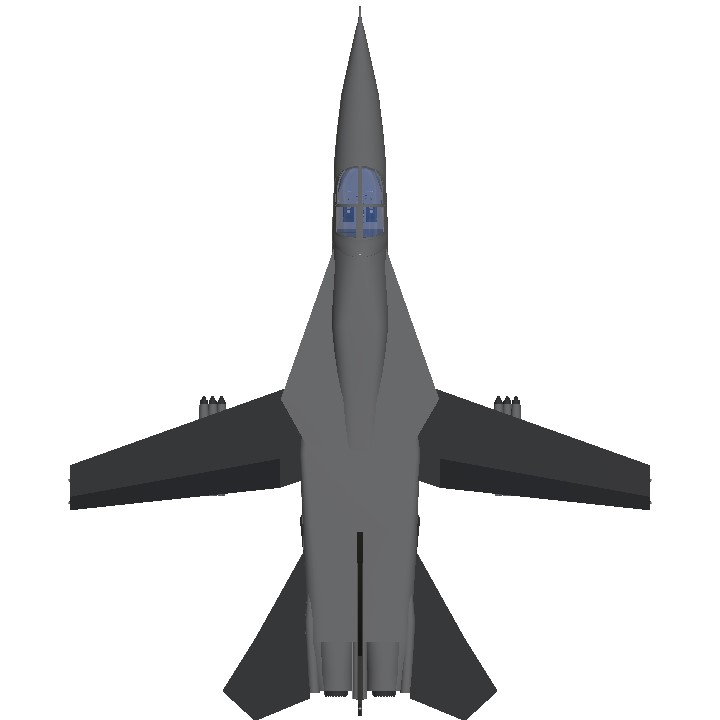
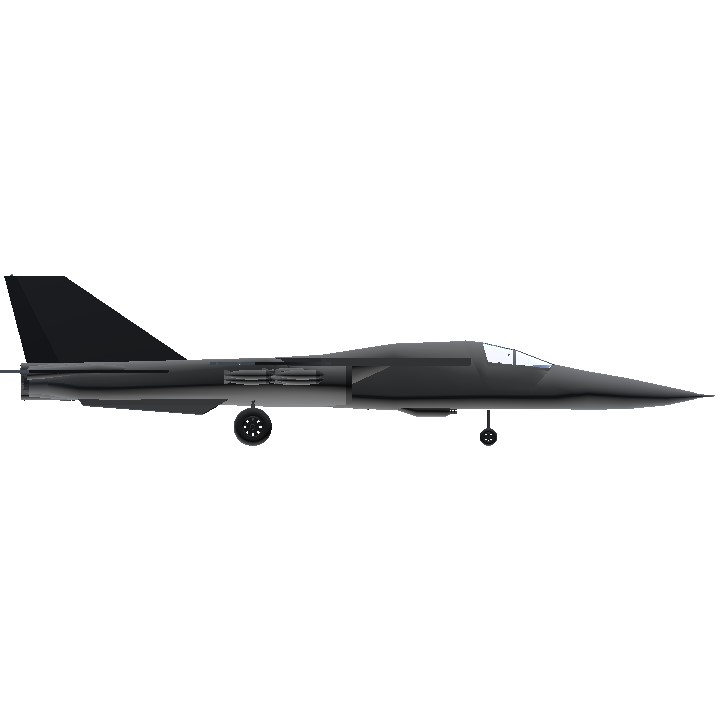
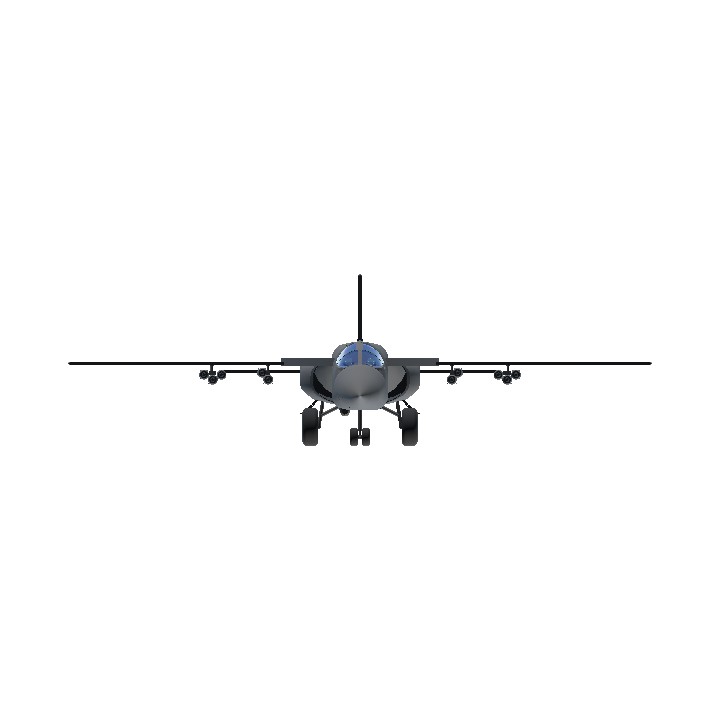
Go Here and comment T if you want to be tagged on future builds
@Seeras thank you!
@Hooha12
👍
@B1 here is my second entry
@Seeras could to make this a successor to 1960s challenge ? and thank you!
@avDude4
@TheRLAF
@Sed