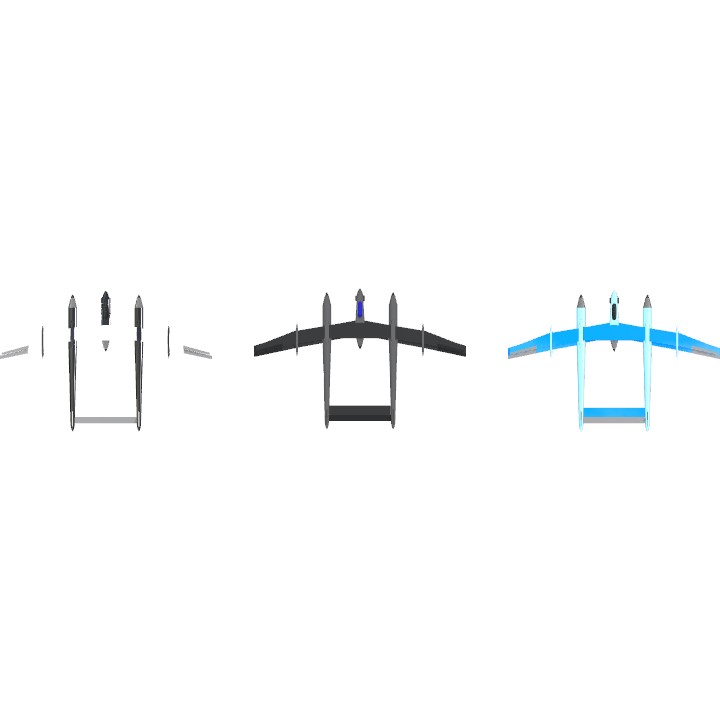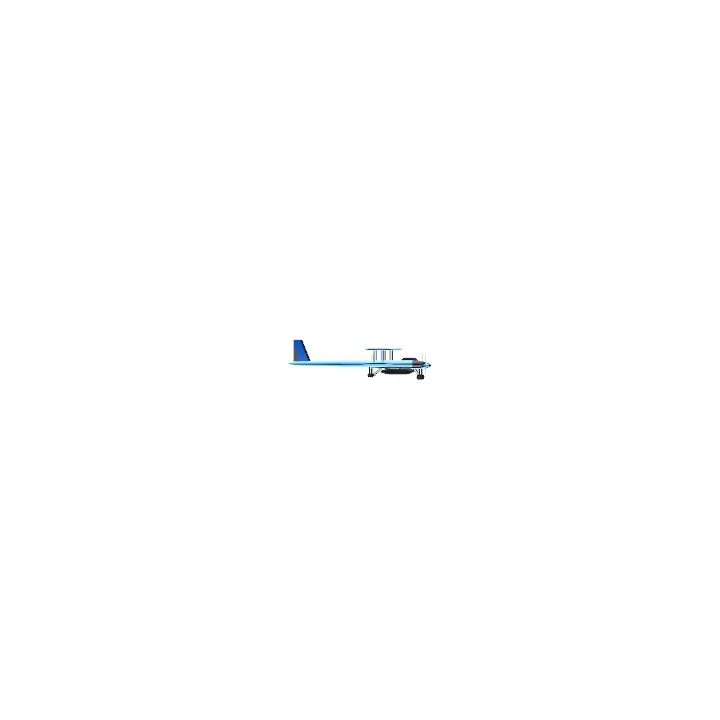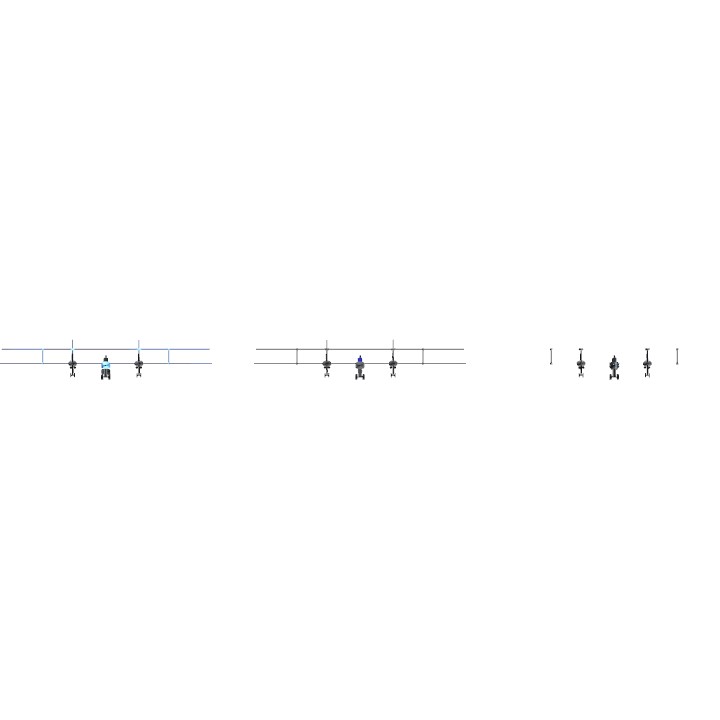
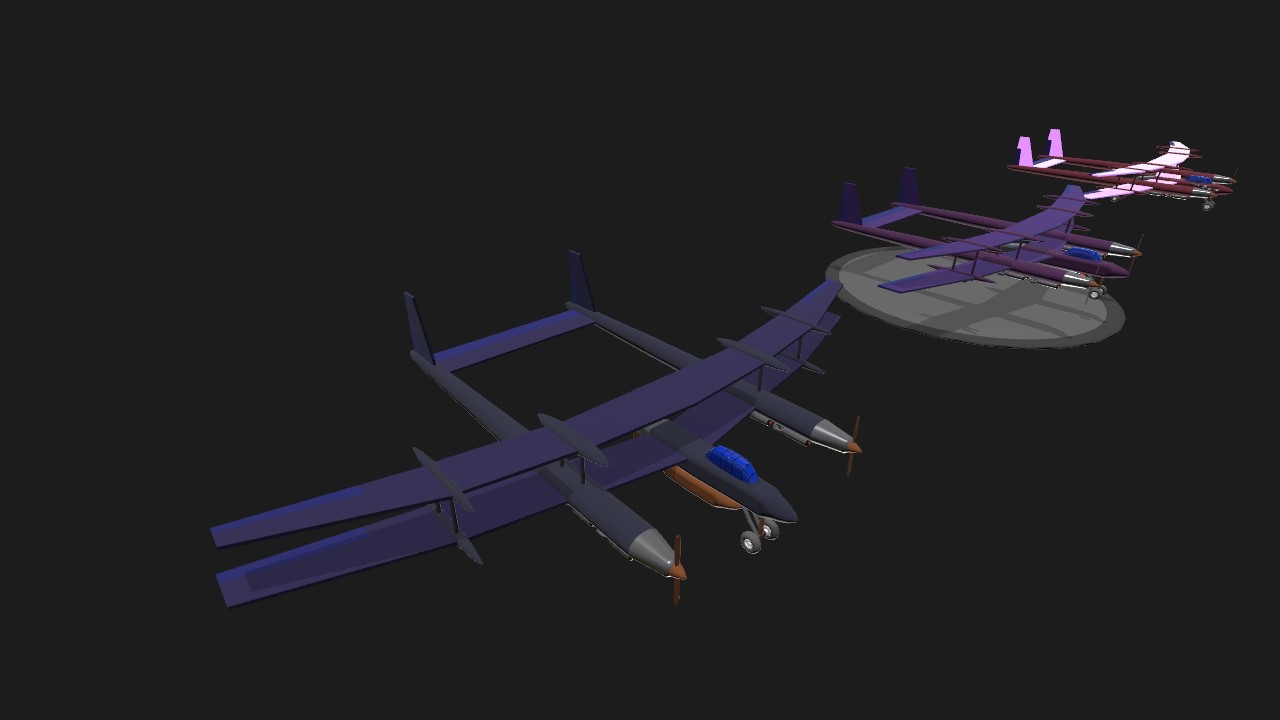
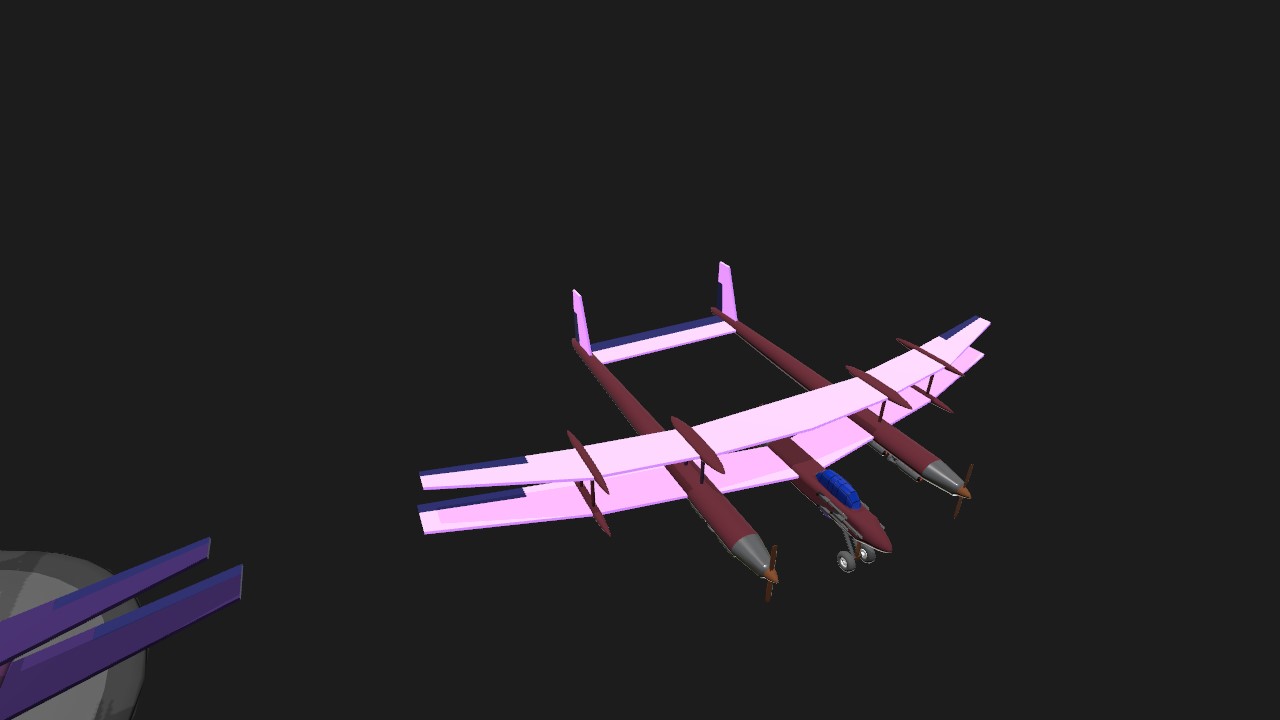
The Window Shades was the main derivative of the Venetian Blinds. A smaller aircraft with the same general profile, this fast, surprisingly nimble aircraft was adopted in much larger numbers than it's bigger brother by virtue of being a considerable upgrade over the Twin Clothes Horse at the cost of requiring more specialized parts and overall being more resource-intensive. This has made it one of the most iconic CIR aircraft of the Nova Evropan Wars.
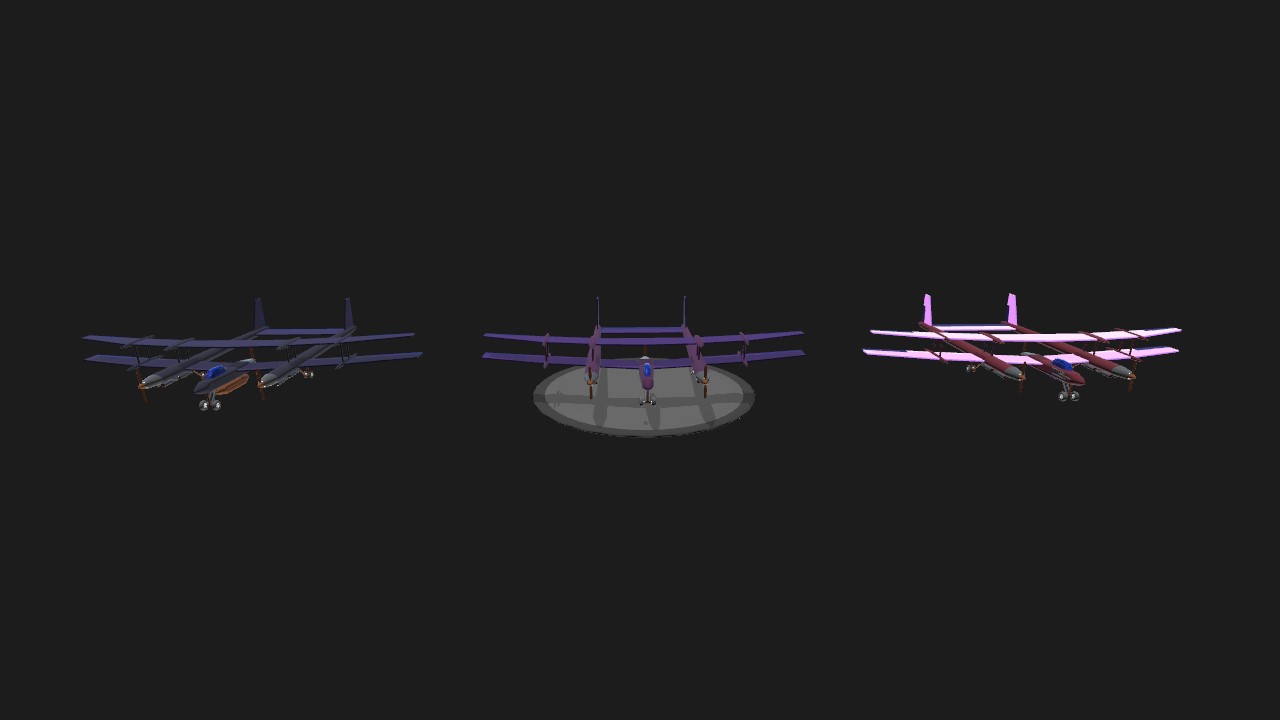
As the examples here show, it wasn't just used to drop bombs: Shades were also used to drop supplies to insurgents behind Nova Evropan lines and would sometimes be configured as "Strafers" capable of lifting autocannons. All these variants are shown with bomb loads as well since supply runners usually dropped bombs on diversionary or opportunity targets while strafers were usually used on supply columns.
While thebomber and supply drop aircraft are both given a fairly generic painting, the strafer one is modeled after one of the most famous Iberian strafer pilots, who coincidentially was also the co-pilot of the Clothes Horse that was the frist aerial casualty of the war. The paintjob has a meaning: The pink wings are intended to, in her words, "rub it in their faces that a girl killed them" while the red represents both the blood of her former pilot, killed when they were initially first shot down, and in tribute to the red colors typical of Clothes Horses.
Specifications
General Characteristics
- Created On Windows
- Wingspan 267.1ft (81.4m)
- Length 53.1ft (16.2m)
- Height 14.7ft (4.5m)
- Empty Weight 5,142lbs (2,332kg)
- Loaded Weight 8,050lbs (3,651kg)
Performance
- Horse Power/Weight Ratio 0.093
- Wing Loading 9.1lbs/ft2 (44.3kg/m2)
- Wing Area 888.0ft2 (82.5m2)
- Drag Points 7114
Parts
- Number of Parts 119
- Control Surfaces 8
- Performance Cost 2,031