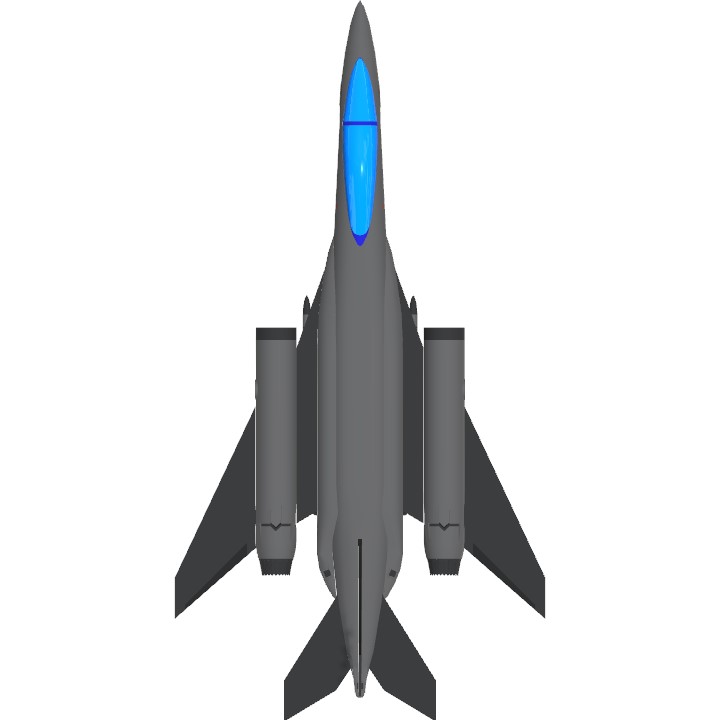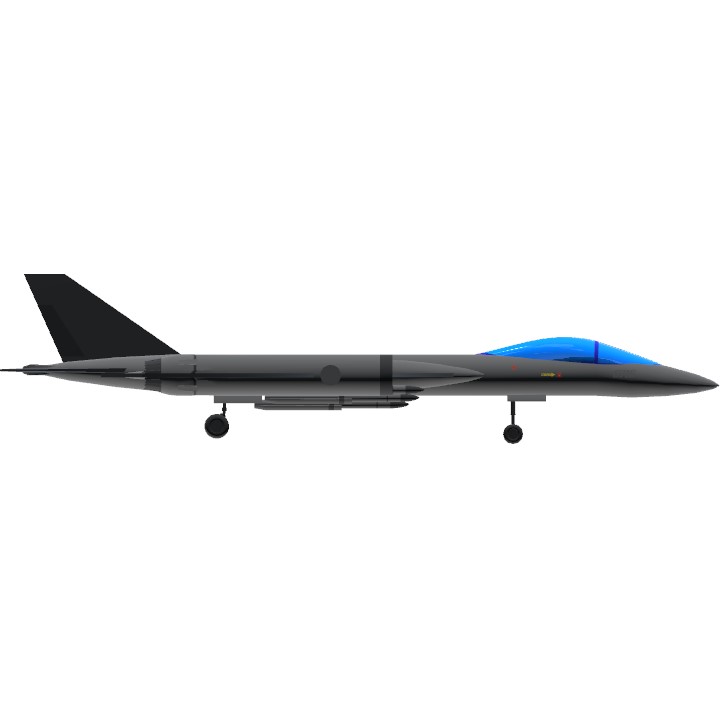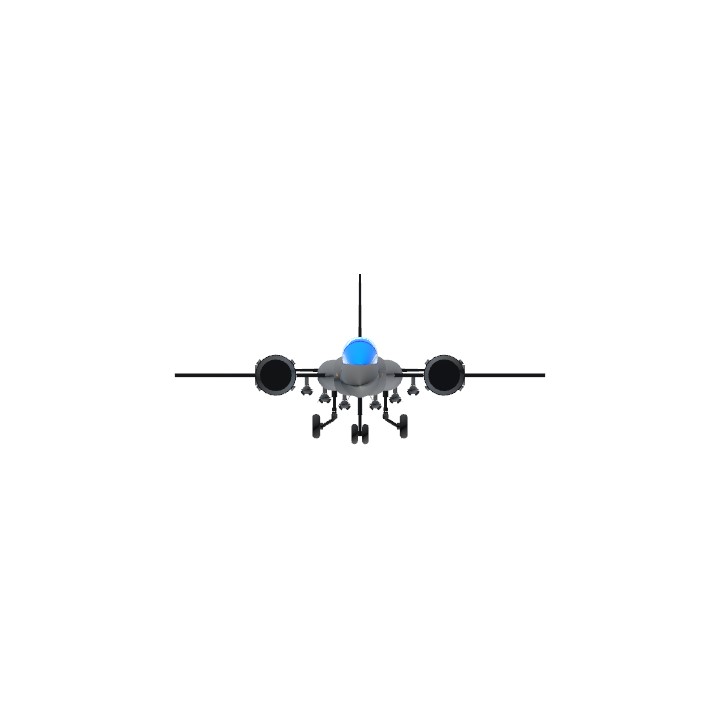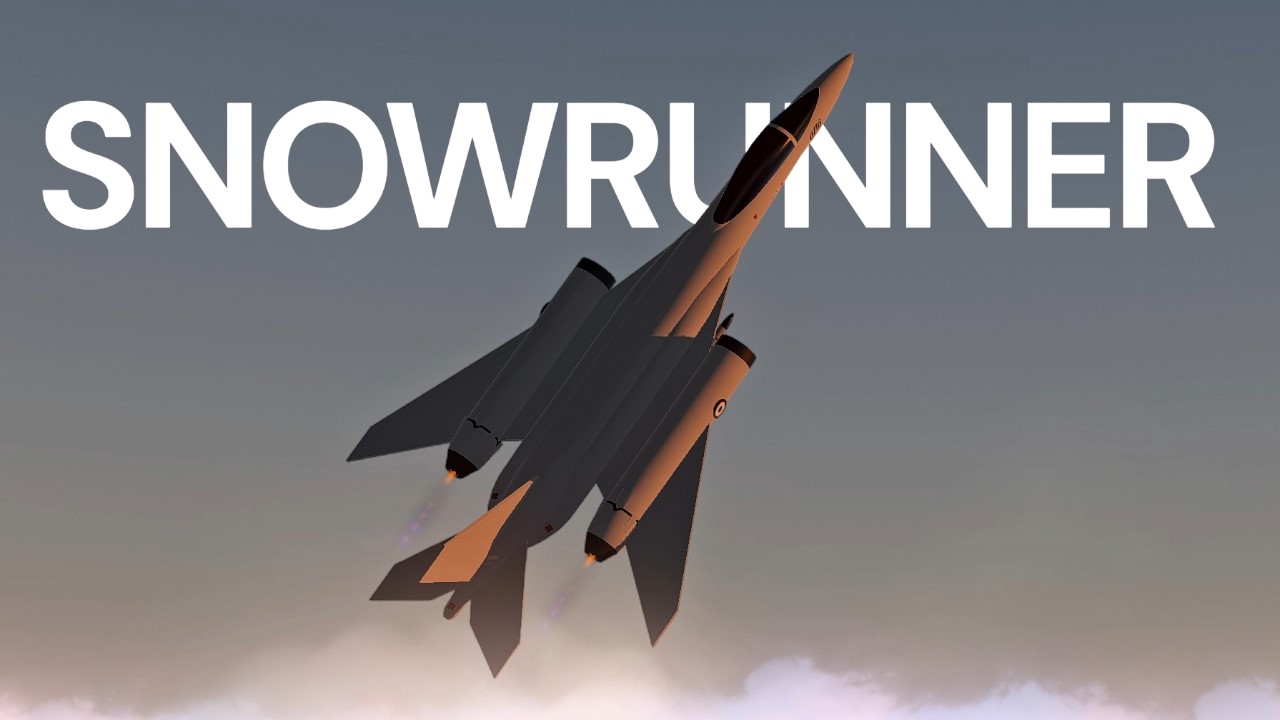

The FK-1 Snowrunner is a first-generation jet interceptor developed in 1956 by Tianshan Aerospace Group, the nationalized aerospace firm of the Free Republic of Kinto. Kinto itself is a mountainous Himalayan nation that emerged from the fragmentation of China during the Chinese Civil War, culturally distinct and largely composed of Zhuang and Miao ethnic groups. Geography shaped everything about the Snowrunner: it was designed to operate from high-altitude airfields, scramble rapidly through narrow valleys, and intercept intruders long before they crossed deep into Kinto’s interior.
The aircraft is a twin-engine, tandem two-seat interceptor, optimized for radar-guided interception rather than dogfighting. Reflecting mid-1950s doctrinal confidence in missile combat, the FK-1 deliberately omitted an internal gun—an unconventional but not unheard-of choice for the era. Its primary armament consisted of six Fireball M1 active radar-homing air-to-air missiles, giving it a formidable beyond-visual-range capability for its time, particularly in mountainous airspace where visual acquisition was unreliable.
Despite limited export success, the Snowrunner proved durable in service. The Free Republic of Kinto remains its sole operator, maintaining over 200 airframes well into the modern era through successive modernization programs. These upgrades focused on avionics refreshes, radar improvements, and airframe life extension rather than role expansion, preserving the FK-1’s identity as a dedicated interceptor rather than a multirole platform.
Internationally, the Snowrunner was competitive—but politically unlucky. Canada evaluated the aircraft following the cancellation of the Avro Arrow, but domestic lobbying and alliance pressure led Ottawa to adopt the CF-101 Voodoo instead. In Europe, Italy and West Germany both considered the FK-1, yet ultimately selected the F-104 Starfighter, prioritizing NATO standardization and U.S. alignment despite widespread concerns over the Starfighter’s operational safety and suitability. The final serious bids came from Denmark and Finland, both of which opted for the SAAB J-35 Draken, whose delta-wing design and Scandinavian logistics ecosystem proved more politically palatable.
Specifications
General Characteristics
- Created On Windows
- Wingspan 29.2ft (8.9m)
- Length 57.3ft (17.5m)
- Height 13.4ft (4.1m)
- Empty Weight 16,374lbs (7,427kg)
- Loaded Weight 39,441lbs (17,890kg)
Performance
- Power/Weight Ratio 5.128
- Wing Loading 106.1lbs/ft2 (518.1kg/m2)
- Wing Area 371.7ft2 (34.5m2)
- Drag Points 5716
Parts
- Number of Parts 67
- Control Surfaces 3
- Performance Cost 640