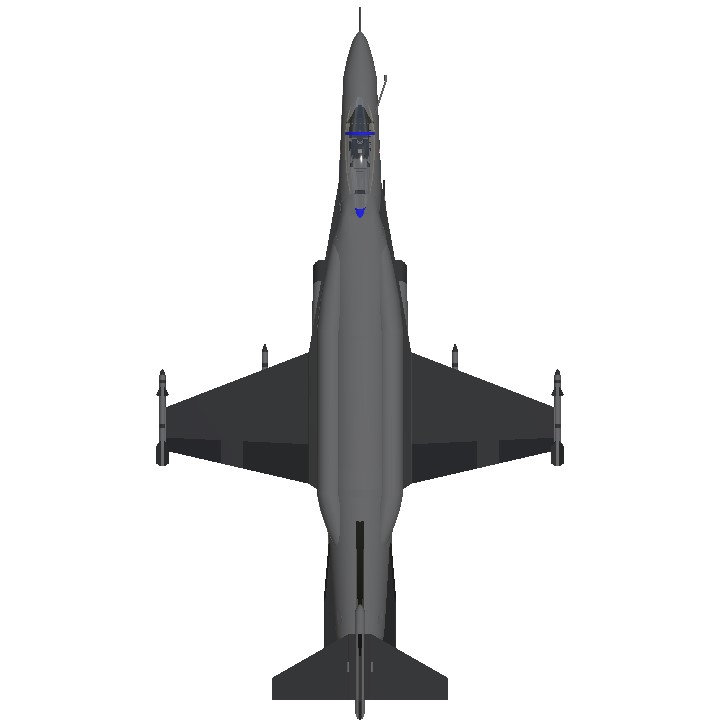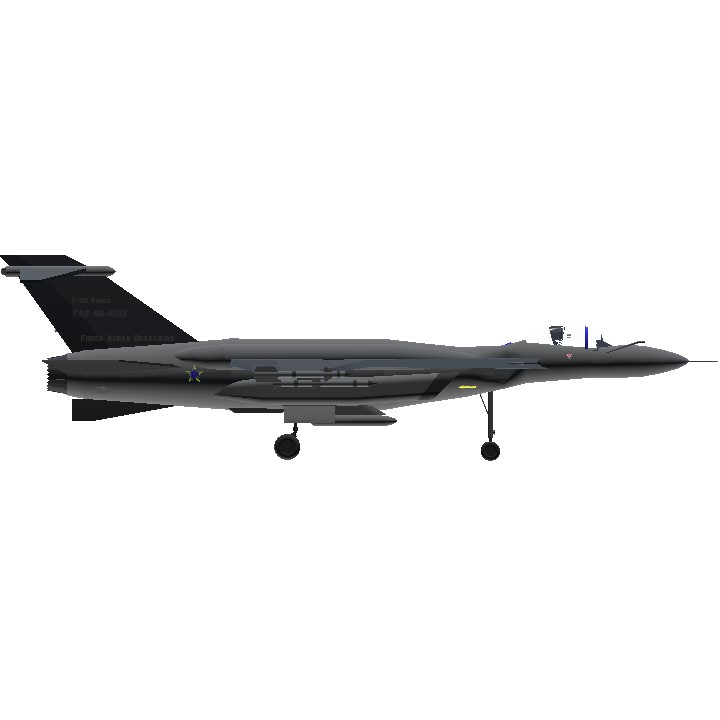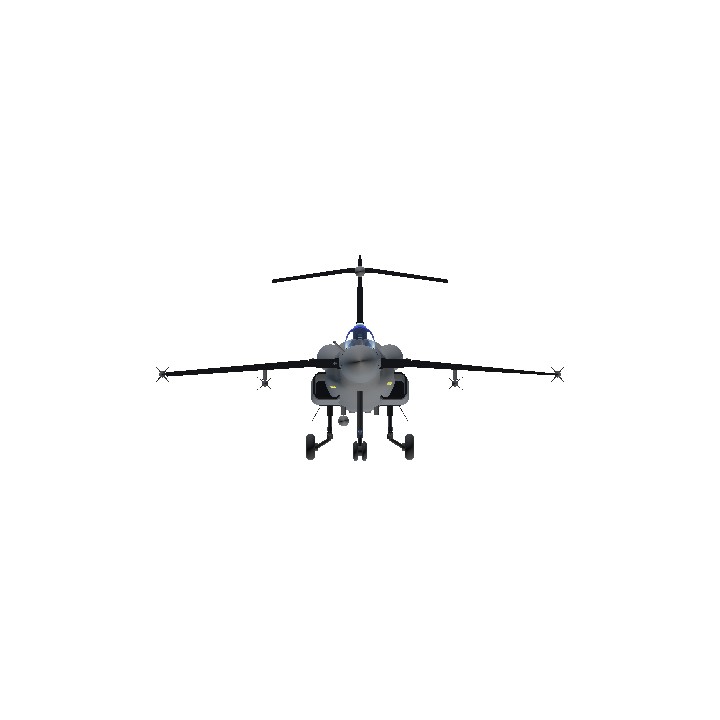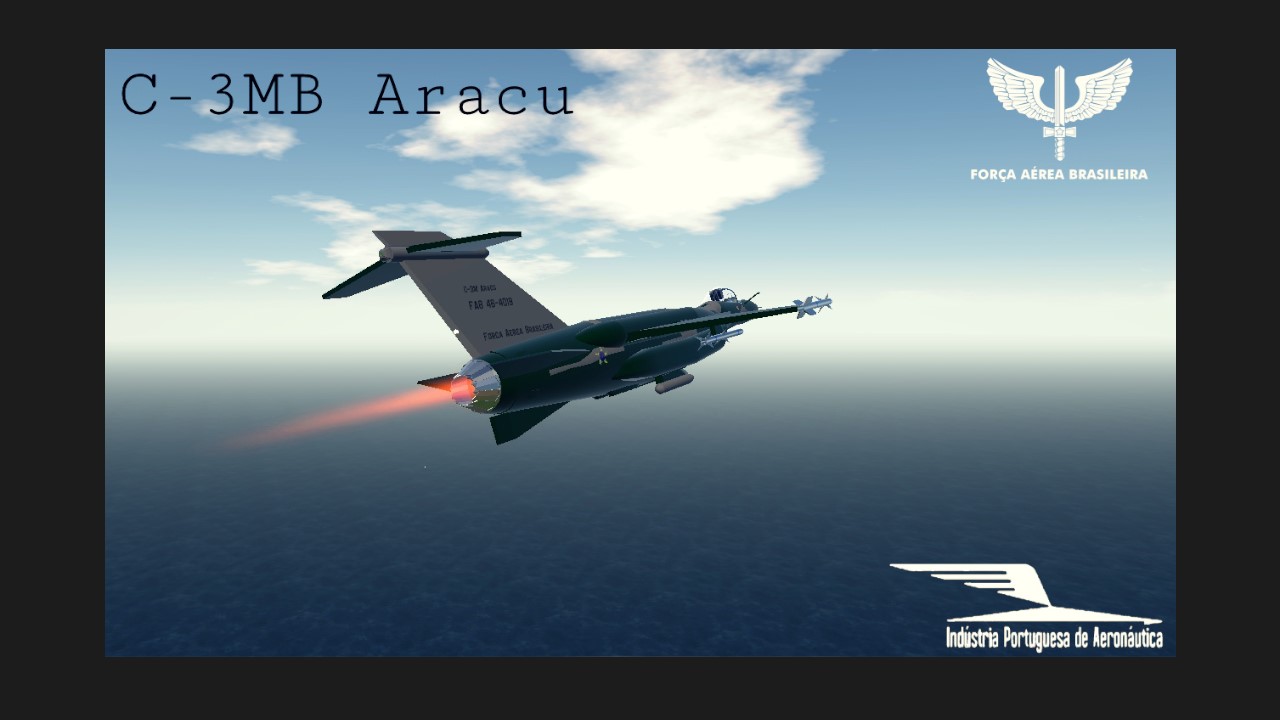
The IPA C-3MB “Aracu” was a Brazilian-operated modernization of the Portuguese-built C-3M interceptor, representing the final and most advanced evolution of the C-3 airframe. Although originally designed in Portugal, the aircraft underwent an extensive upgrade program in Brazil beginning in 1985, aimed at adapting the aging interceptor to the realities of late Cold War and post–Cold War air combat. While production of the airframes remained Portuguese, all modernization work was carried out domestically, reflecting Brazil’s growing aerospace and defense capabilities.
By the mid-1980s, the C-3M was still structurally sound and offered excellent high-speed performance, but its avionics and systems lagged behind contemporary fighters. The C-3MB program focused on transforming the aircraft from a purely 1970s interceptor into a capable transitional fighter suitable for service well into the 1990s and beyond. One of the most visible changes was the introduction of conformal fuel tanks mounted along the sides of the fuselage. These tanks significantly increased internal fuel capacity while preserving aerodynamic efficiency, allowing longer patrol times and improved operational flexibility without relying on wingtip tanks.
The cockpit was extensively modernized, replacing most analog instrumentation with multifunction displays. This glass cockpit greatly reduced pilot workload and improved situational awareness, particularly during beyond-visual-range interceptions and complex multirole missions. The navigation and attack systems were upgraded to support modern weapons integration, while a new radar warning receiver and defensive avionics suite were installed. Light electronic countermeasure pods could be carried on external hardpoints when required, complementing internal RWR antennas positioned around the nose, fin, and rear fuselage.
Armament capability was one of the defining features of the C-3MB. While retaining its internal 30 mm cannon, the aircraft gained compatibility with more modern infrared-guided air-to-air missiles, allowing effective self-defense and interception capabilities comparable to early fourth-generation fighters. Despite its interceptor heritage, the Aracu was also adapted for limited air-to-ground roles, although rarely used for that purpose.
In Brazilian service, the aircraft received the nickname “Aracu”, a reference to a native freshwater fish, replacing the Portuguese “Melro” designation and reinforcing its local identity. The C-3MB operated in standard Brazilian Air Force green and gray camouflage and was primarily tasked with airspace defense, coastal interception, and high-speed response missions over Brazil’s vast territory. Its long range, increased endurance, and upgraded avionics made it particularly valuable for patrol duties in regions where more modern fighters were scarce or unavailable.
Although never exported beyond Brazil, the C-3MB Aracu played an important role as a stopgap and force multiplier, bridging the technological gap between older Cold War-era interceptors and newer-generation combat aircraft. The type remained in service until the late 1990s, with some airframes continuing limited operations into the early 2000s following incremental software and weapon updates. The Aracu ultimately stood as a symbol of Brazilian ingenuity, demonstrating how a legacy airframe could be successfully adapted to meet modern operational demands without the need for an entirely new aircraft design.
Hope you enjoy it! :)
Specifications
General Characteristics
- Predecessor IPA C-3MB Aracu
- Created On Android
- Wingspan 30.1ft (9.2m)
- Length 54.0ft (16.4m)
- Height 15.5ft (4.7m)
- Empty Weight 12,547lbs (5,691kg)
- Loaded Weight 20,747lbs (9,410kg)
Performance
- Power/Weight Ratio 4.061
- Wing Loading 57.8lbs/ft2 (282.1kg/m2)
- Wing Area 359.0ft2 (33.4m2)
- Drag Points 4252
Parts
- Number of Parts 237
- Control Surfaces 6
- Performance Cost 1,168