

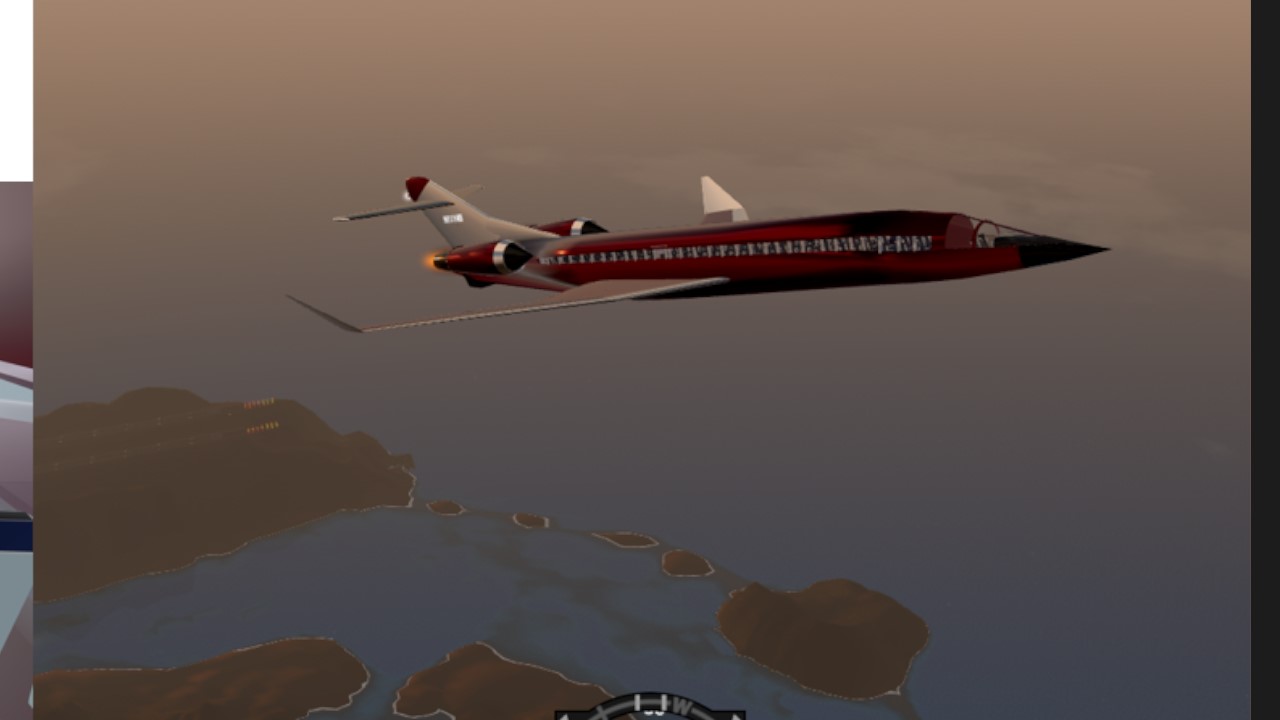
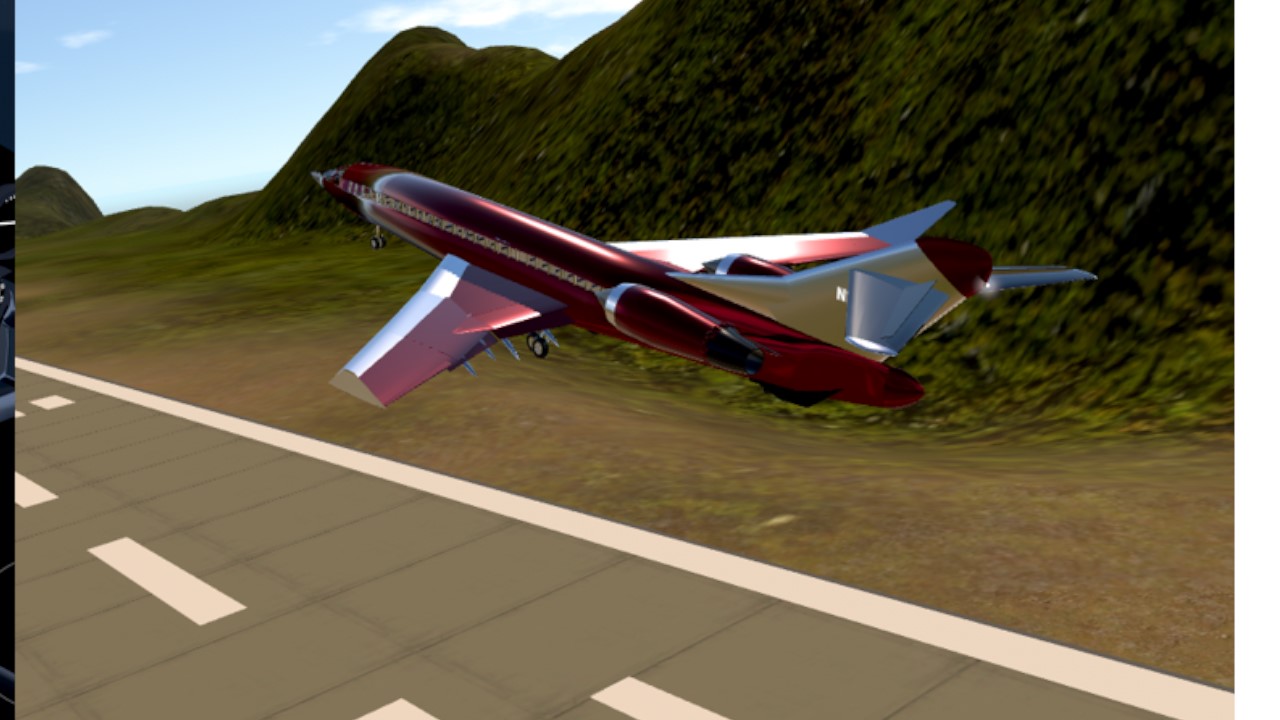
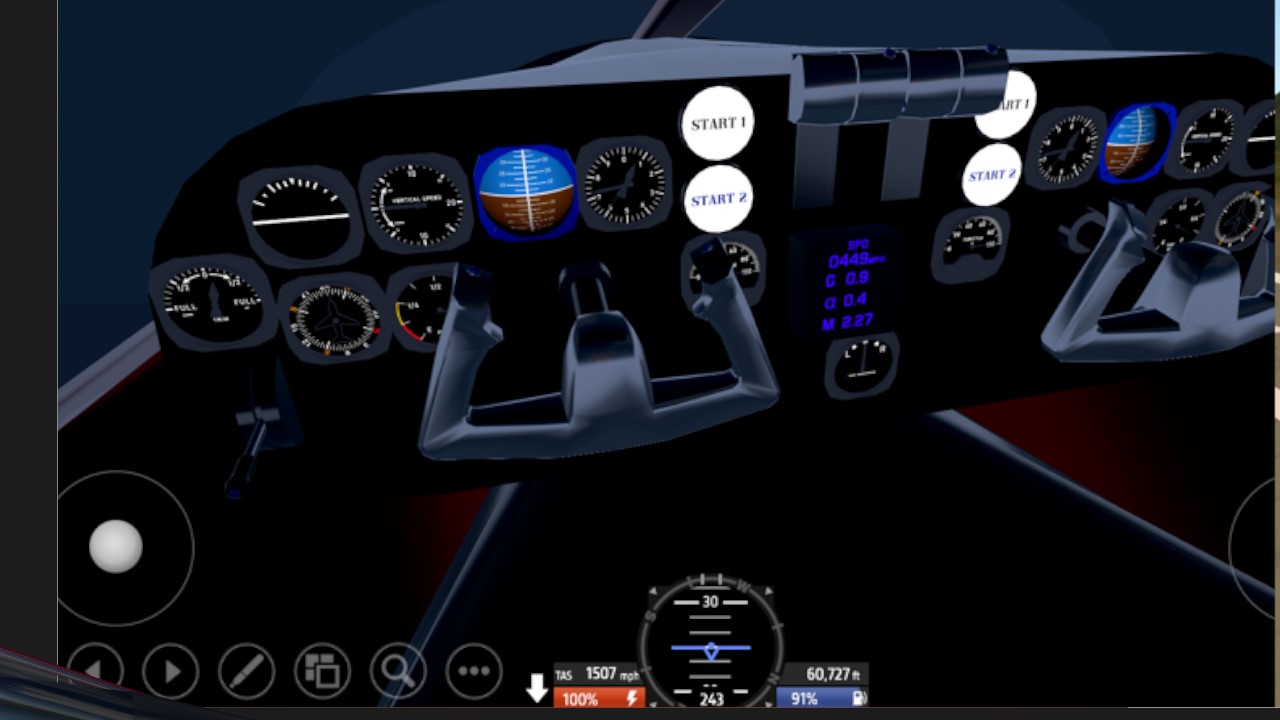
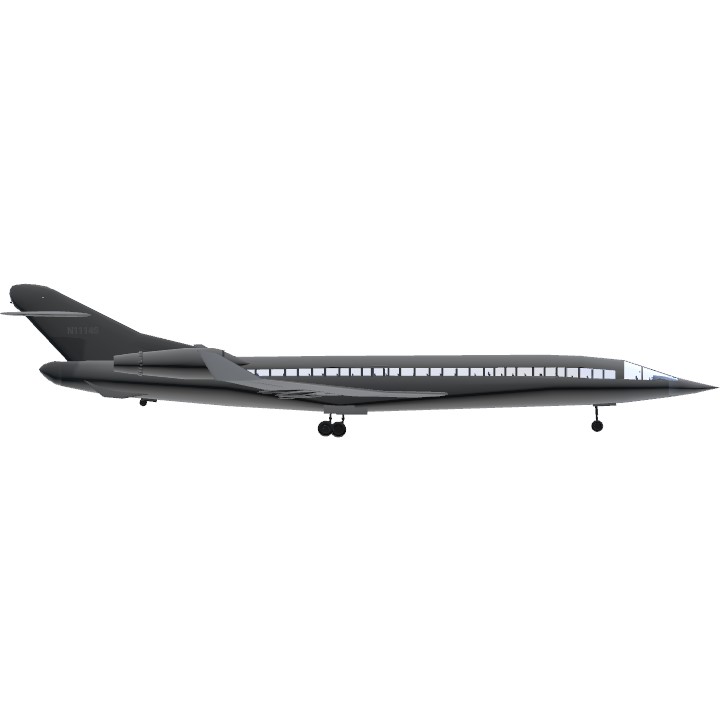
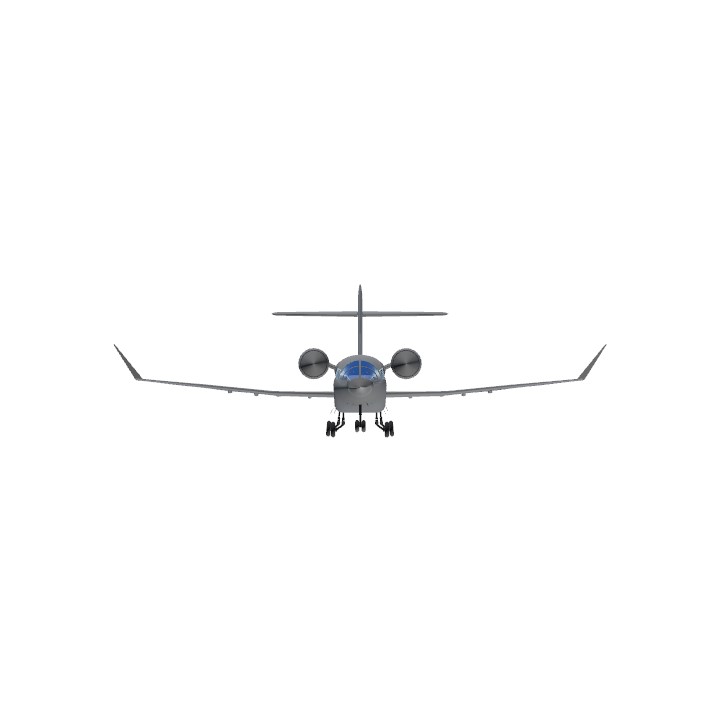
The Avro SRJ-169 (supersonic regional jet)
SRJ: Regional and international travel for the impatient
SRJ: Rapid travel for business
SRJ: reliable, dependable, sonic-boomable
SRJ: Would you believe us if we said it meant Super Rad Jet?
SRJ: The coast guard might not catch you, but the FAA will. Fly responsibly.
In the late 1990s, Avro Aviation responded to demands for a supersonic, short and medium haul capable jet which would be economical for airlines to operate and easily convert towards an elite private or corporate jet. These studys remained concepts until the development, and later production of the Empire, whose engine technologies and airframe materials would be transferred and converted to a smaller scale in the SRJ program. Avro looked to the Concorde, which was able to provide profitable flights with premium seating for the wealthy, but wanted something with similar range and speed, but far lower operating costs. With ultra lightweight structural materials, a efficient and slippery airframe, and the efficiency advantage of 2 rather than 4 engines, mach 2 travel with far less fuel load, weight, and mechanical complexity was obtainable. Power to weight at MTOW is similar to the Concorde, as is passenger count (104 in 2X2 seating), but the aforementioned advantages allow for almost 50% reduction in operating costs when accounting for all factors. The use of very thin, supersonic optimized, but otherwise conventional layout allowed for much lower takeoff and landing speeds (aprx 150 mph), and the avoidance of the nose high takeoff and landing position of Concorde which necessitated the snoot droop mechanism. Fl 610 cruising altitude allows specialized and uncontested routes once enjoyed by Concorde to be used, simplifying route planning and optimizing efficiency.
Hundreds of orders and billions of dollars in profits allowed Avro to continue operation, recoup the development cost, and pursue its light aircraft and military projects into the 21st century.
ag 2 + flaps for spoilers, ag 3 and 4 for engines, ag 7 for horizontal stabilizer trim
4000 ftm climb
4600 mile Range is for 100% power until 20k feet, then 95% to service ceiling, then reduction to keep mach number at approximately 2.2 throughout the flight
Time to climb (fl610) 9.5m
Specifications
General Characteristics
- Created On Windows
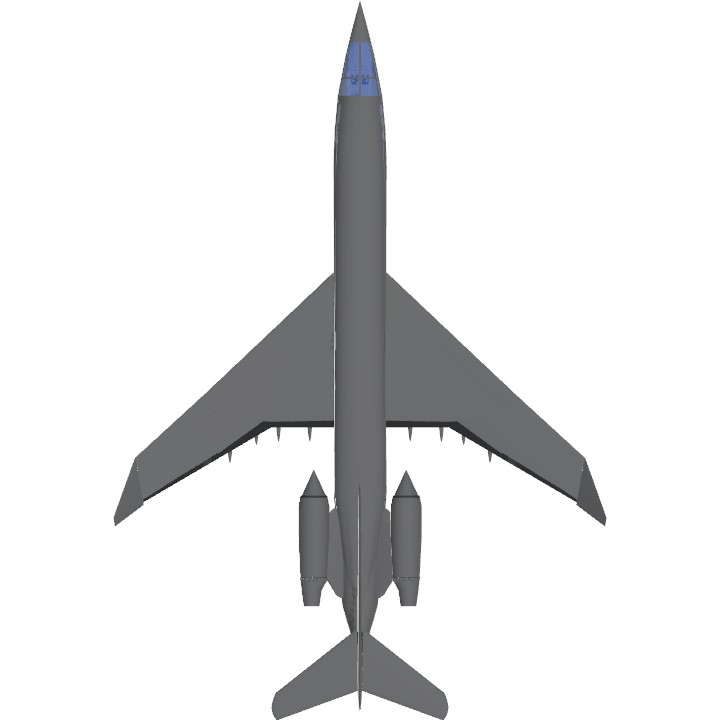
- Wingspan 90.9ft (27.7m)
- Length 132.7ft (40.5m)
- Height 28.1ft (8.6m)
- Empty Weight 39,030lbs (17,704kg)
- Loaded Weight 120,245lbs (54,542kg)
Performance
- Power/Weight Ratio 0.37
- Wing Loading 65.6lbs/ft2 (320.4kg/m2)
- Wing Area 1,832.2ft2 (170.2m2)
- Drag Points 4948
Parts
- Number of Parts 536
- Control Surfaces 13
- Performance Cost 2,669
@MoHoJIiT
Glad you liked it! I had so much fun making this thing
Cool