

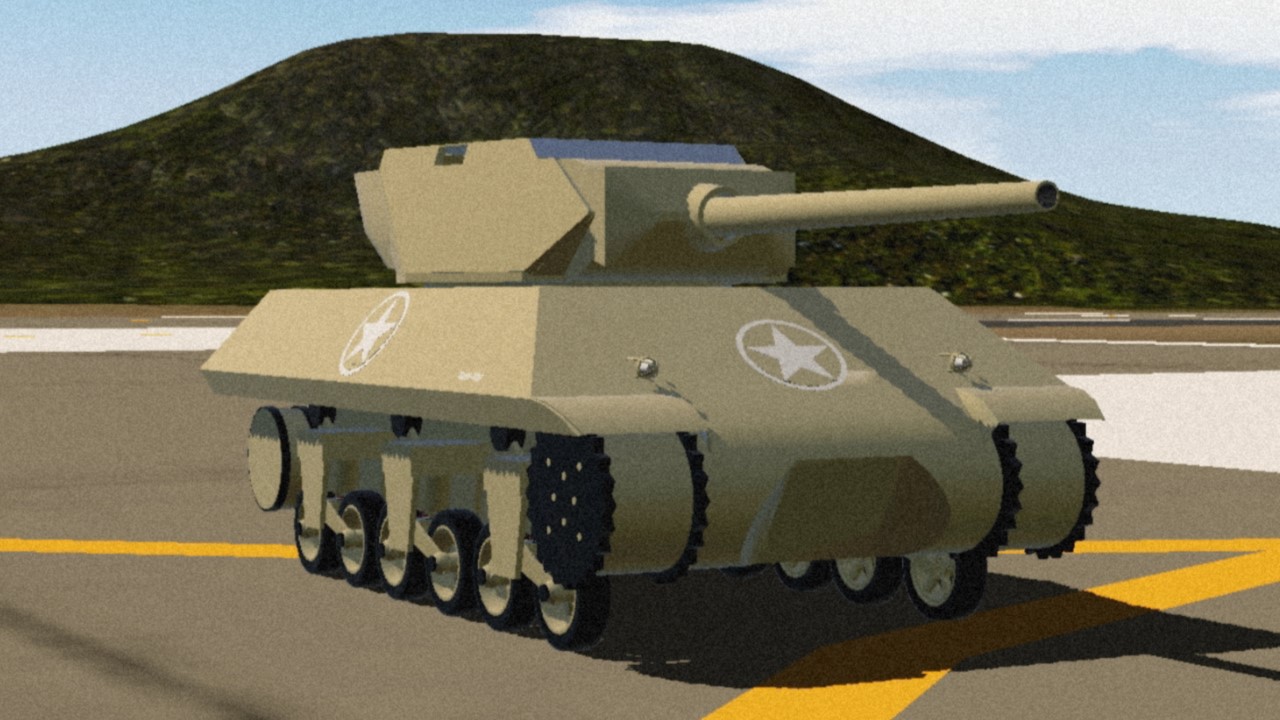
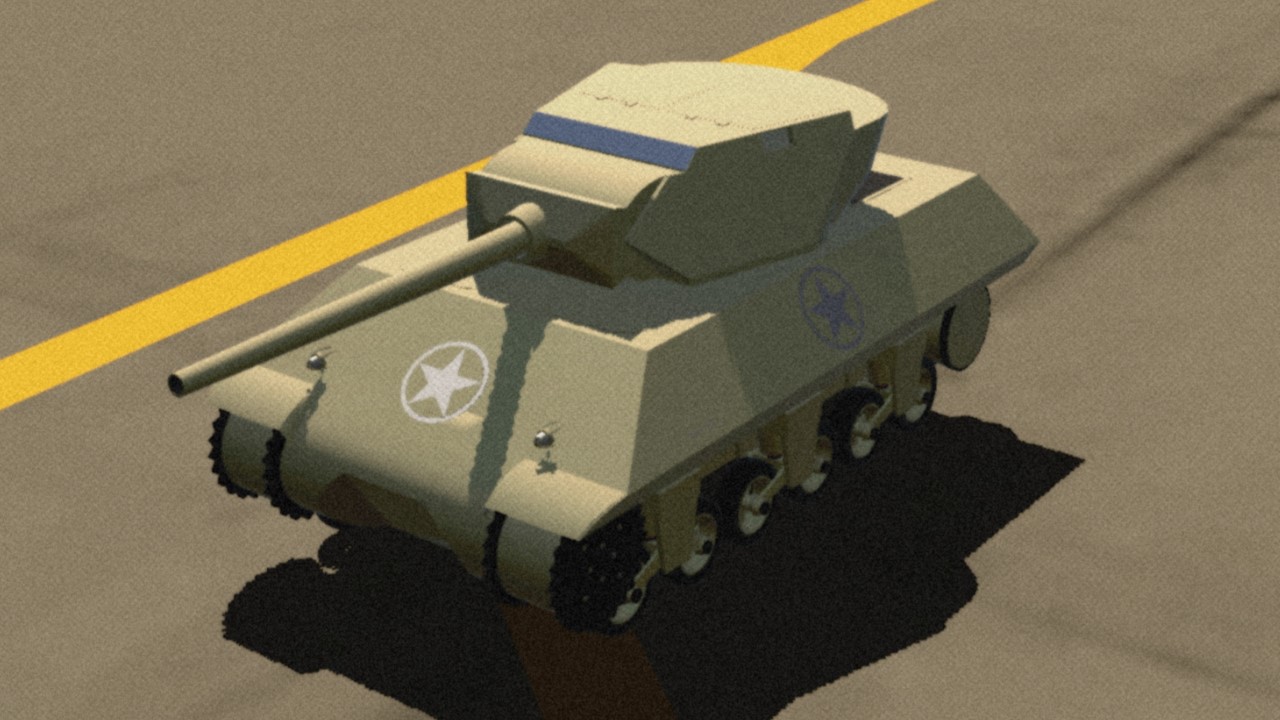
Thanks to Cadvalto for the Track tips!
About M10 Wolverine
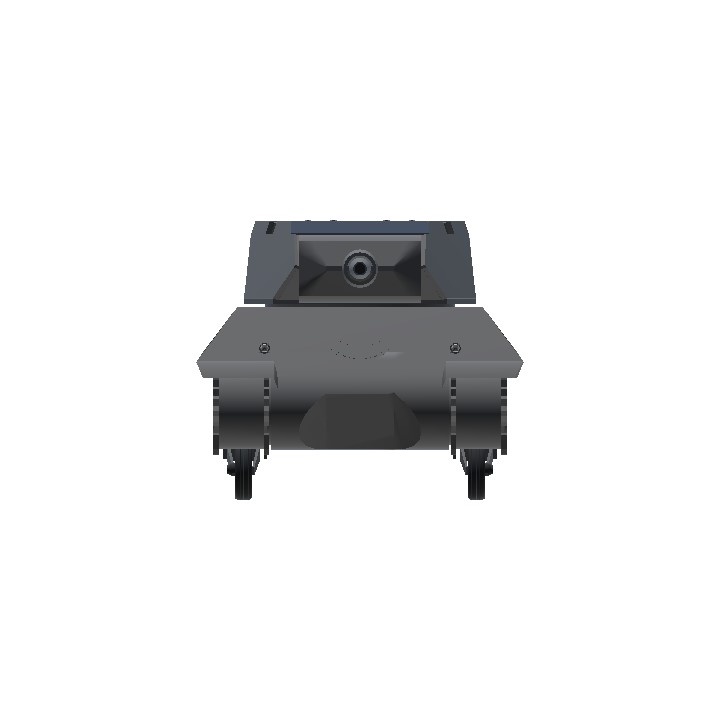
The M10 Wolverine was developed by the United States in 1942 as a direct response to the growing threat posed by German tanks on the European and North African battlefields. At the time, the U.S. Army adopted the Tank Destroyer doctrine, a concept in which enemy tanks were not primarily engaged by other tanks, but by specialized, highly mobile units equipped with high-penetration guns. The M10 was designed as an urgent interim solution, utilizing the already-available M4 Sherman chassis in order to accelerate production and deployment to the battlefield.

Tank Destroyer Doctrine and Operational Role

Under American doctrine, the M10 was not intended to fight on the front line alongside main battle tanks. Instead, it was designed to move rapidly toward enemy breakthroughs and destroy opposing armor from defensive positions or ambushes. For this reason, the M10 was more often deployed in independent formations and positioned in sectors expected to be penetrated by enemy armored attacks.
General Design and Vehicle Structure
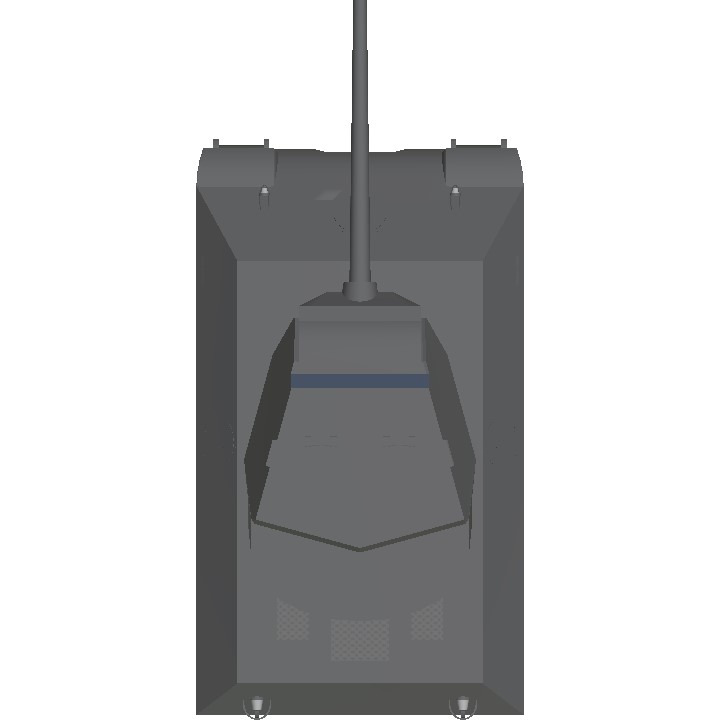
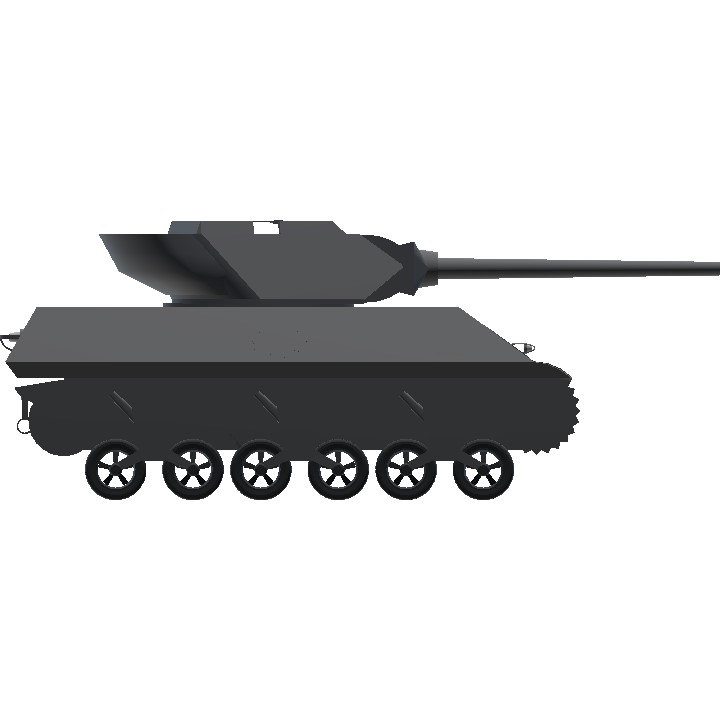
The M10 used a modified M4 Sherman chassis, featuring an angular turret that was open at the top. This turret design was chosen to reduce overall weight, improve crew visibility, and allow the installation of a larger gun compared to the standard Sherman. However, this decision also reflected the American priority on mobility and mass production over maximum crew protection.
Dimensions and Weight Specifications
The vehicle had a length of approximately 6.7 meters, a width of 3.05 meters, and a height of 2.6 meters, with a combat weight of around 29.6 tons. Its dimensions were relatively large, but still low enough for a tank destroyer, providing a silhouette that could be concealed effectively with proper use of terrain.
Engine and Transmission System
The M10 Wolverine was powered by two GM 6-71 diesel engines combined in the GM 6046 configuration, producing a total output of approximately 375 horsepower. Power was transmitted through a manual transmission with five forward gears and one reverse gear. This system offered high reliability, although it was not designed for rapid acceleration or sudden close-range maneuvering.
Maximum Speed
The maximum road speed of the M10 reached approximately 48 km/h, a respectable figure for an armored vehicle of the World War II era. This speed allowed the M10 to redeploy between sectors relatively quickly, in line with its role as a reaction force against enemy tank attacks.
The maximum reverse speed was in the range of 10–12 km/h. While not exceptional, this was still superior to several German tanks such as the Panther, which had extremely limited reverse speed. Nevertheless, this limitation forced M10 crews to carefully select firing positions before engaging in direct contact.
Armament
The primary armament of the M10 was the 3-inch M7 gun (76.2 mm). This gun performed well during the early to mid-war period and was capable of penetrating Panzer III and Panzer IV tanks at effective combat ranges. However, against heavier tanks such as the Panther and Tiger, its effectiveness was significantly reduced, particularly from the frontal aspect, requiring flanking or rear-attack tactics.
As a secondary weapon, the M10 was equipped with a .50 caliber Browning M2HB heavy machine gun. This weapon was effective against infantry, light vehicles, and low-flying aircraft, and provided additional flexibility in close-range combat.
Cres Size and Distribution
The M10 was operated by a crew of five, consisting of a commander, gunner, loader, driver, and assistant driver. The crew layout followed American standards, emphasizing operational efficiency and internal communication. However, the crew’s position within an open-topped turret increased vulnerability to shrapnel and indirect fire.
Strengths and Weaknesses
The M10 Wolverine’s main strengths lay in its adequate mobility, mechanical reliability, and ease of production and maintenance due to its use of widely available Sherman components. Excellent crew visibility from the open turret provided tactical advantages in target detection and fire coordination. These strengths, however, came at the cost of thin armor protection, an open turret highly vulnerable to artillery and air attack, and a slow turret traverse due to its manual system. In addition, the 3-inch M7 gun became increasingly inadequate against heavy German tanks in the later stages of the war, limiting the M10’s effectiveness in frontal engagements.
Specifications
Spotlights
- SILVERPANZER 7 hours ago
- Cadvalto 7 hours ago
- avDude4 6 hours ago
- KatBapa20 4 hours ago
General Characteristics
- Created On Android
- Wingspan 10.1ft (3.1m)
- Length 21.7ft (6.6m)
- Height 8.4ft (2.6m)
- Empty Weight 11,625lbs (5,273kg)
- Loaded Weight 12,569lbs (5,701kg)
Performance
- Wing Loading N/A
- Wing Area 0.0ft2 (0.0m2)
- Drag Points 6021
Parts
- Number of Parts 255
- Control Surfaces 0
- Performance Cost 1,039
@avDude4 @AugustVonMartis
THANKYOU VERY MUCH!!!
Congrats on silver!
Congratulations 🎉
Two days to silver is nuts
@Yatata77 Ow...
@KatBapa20 The answer is this!
Rahhh 🦅🦅
@Cadvalto Two days ago
Hell yeah, tank!
Wait, when did I give you a tips? 🤨
@avDude4
@Cadvalto
@RB107