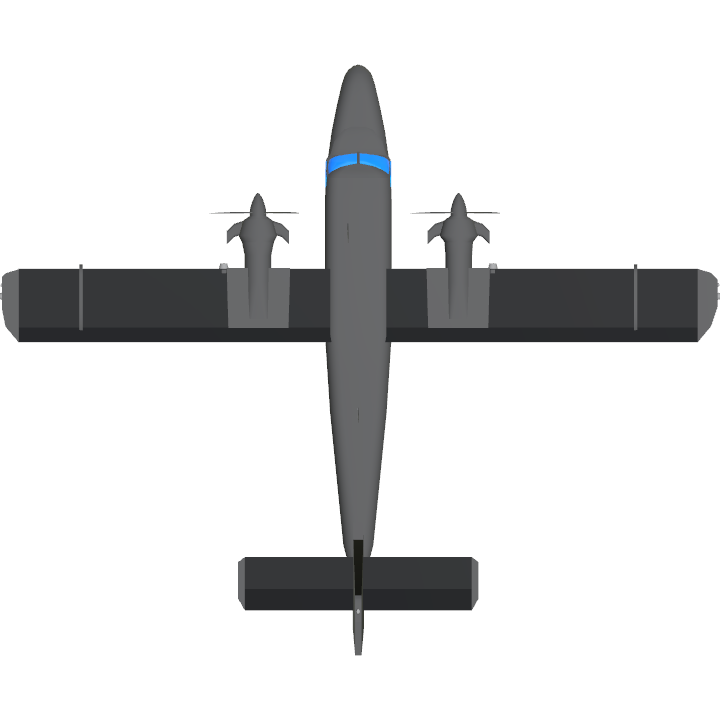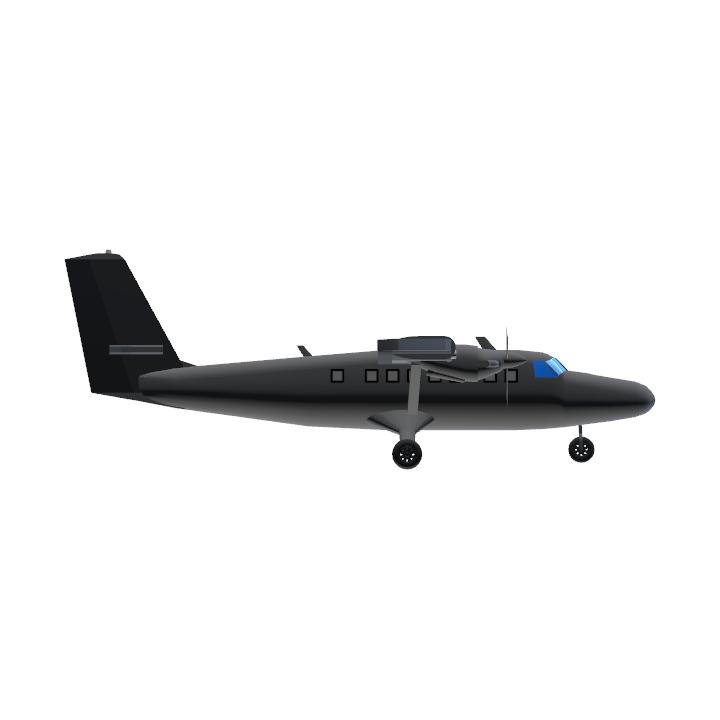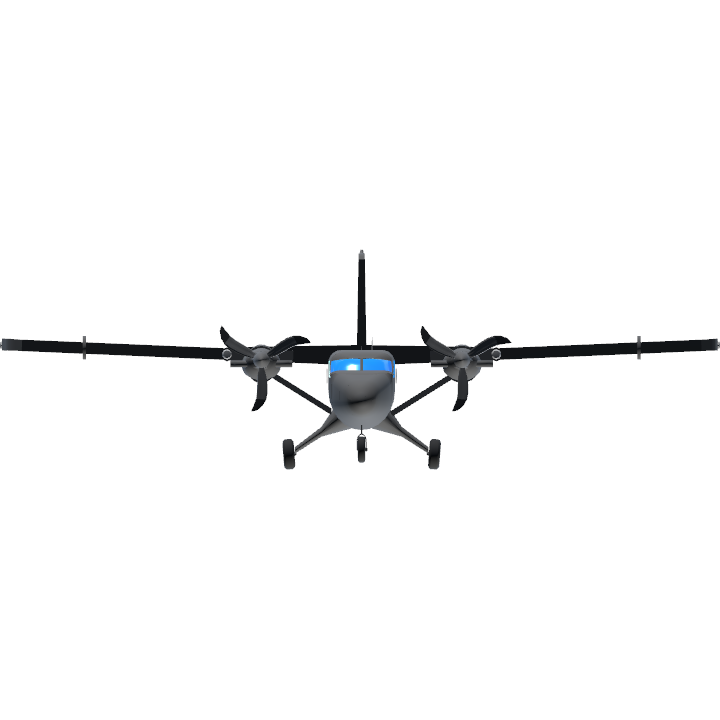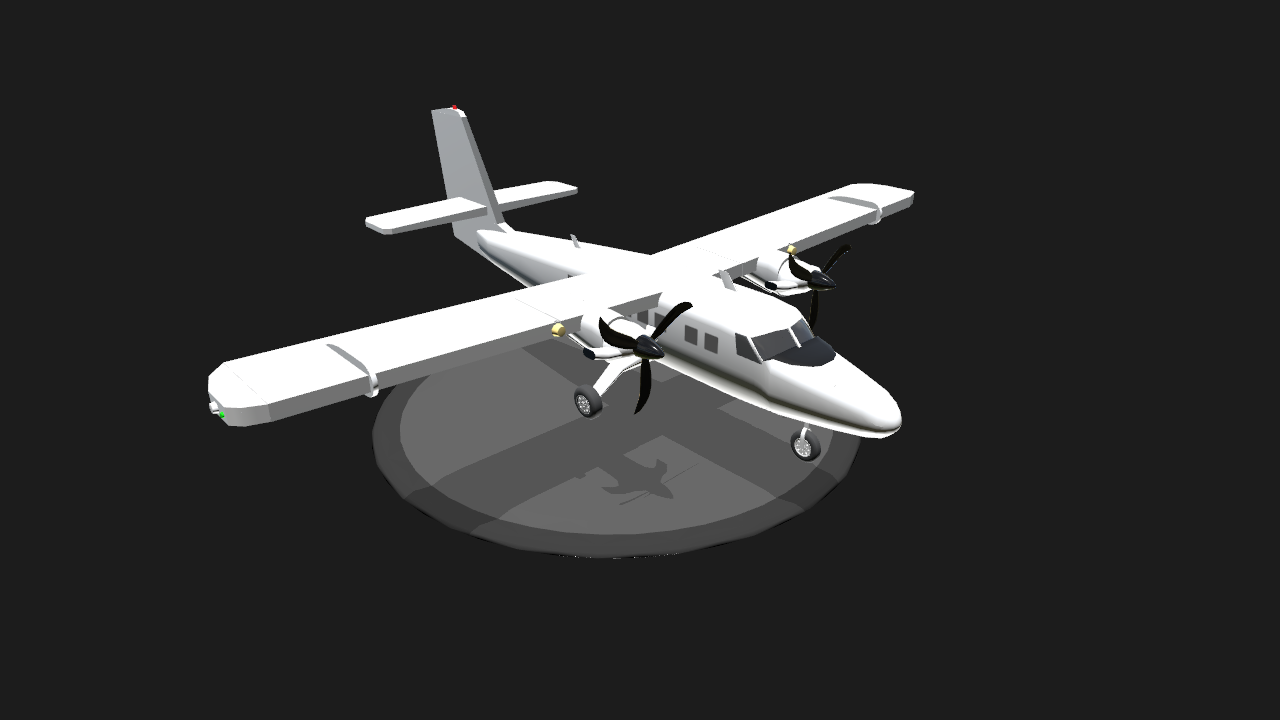
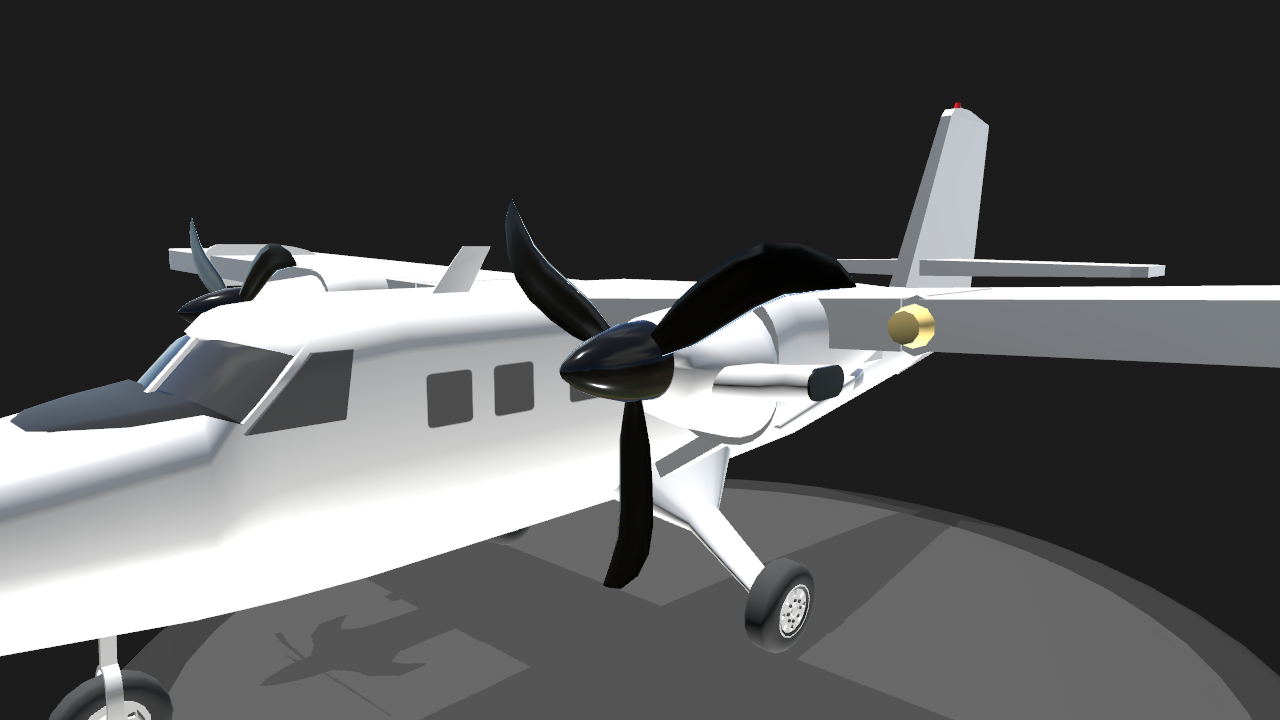
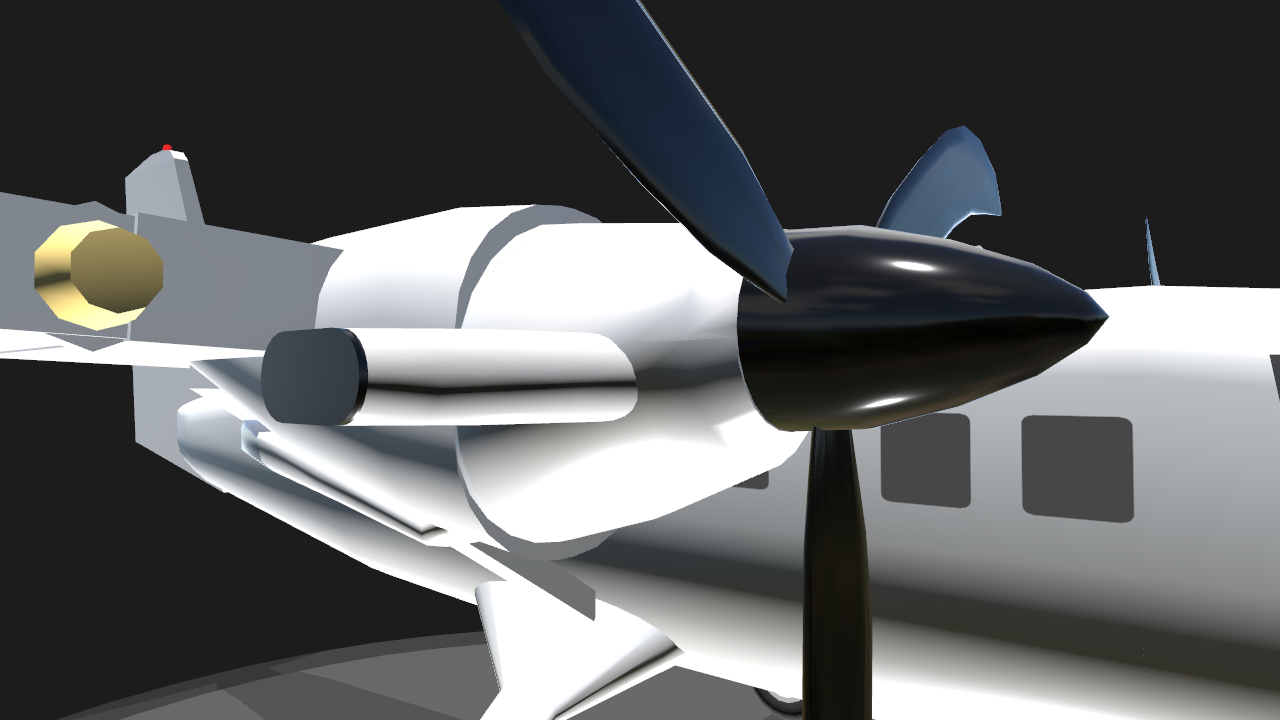
The de Havilland Canada DHC-6 Twin Otter is a rugged, twin-engine turboprop utility aircraft famous for its exceptional Short Takeoff and Landing (STOL) capabilities, making it ideal for remote regions and harsh conditions, serving as a commuter airliner (18-20 seats), cargo, and special mission aircraft, with modern Series 400/300-G versions featuring updated avionics like Garmin G1000NXi and flexible interiors, continuing production under De Havilland Canada after Viking Air restarted it. The Pratt & Whitney Canada PT6A is a highly popular and versatile family of gas turbine turboprop engines, known for their reliability and distinctive reverse-flow design, powering diverse aircraft from 500 to over 1,900 shaft horsepower (shp). Key features include a two-shaft free-turbine setup, modular construction for easy maintenance, and a planetary gearbox, making them ideal for general aviation, commuters, and utility aircraft, with over 50,000 produced since 1964.
Specifications
General Characteristics
- Predecessor (Reworked) De Havilland Canada DHC-6-300 Twin Otter
- Created On iOS
- Wingspan 88.4ft (27.0m)
- Length 72.6ft (22.1m)
- Height 26.9ft (8.2m)
- Empty Weight 12,767lbs (5,791kg)
- Loaded Weight 21,748lbs (9,865kg)
Performance
- Horse Power/Weight Ratio 0.091
- Wing Loading 20.8lbs/ft2 (101.4kg/m2)
- Wing Area 1,047.4ft2 (97.3m2)
- Drag Points 7879
Parts
- Number of Parts 101
- Control Surfaces 7
- Performance Cost 447