Description:
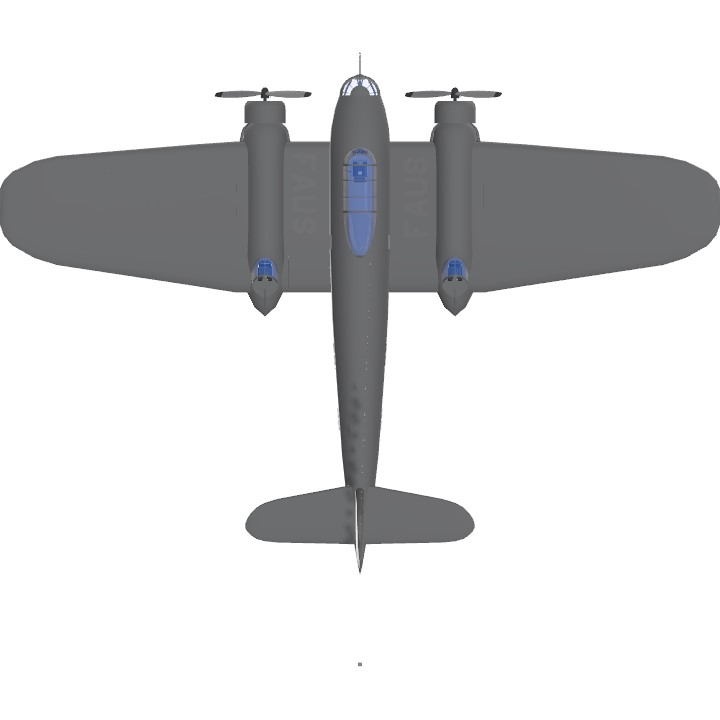
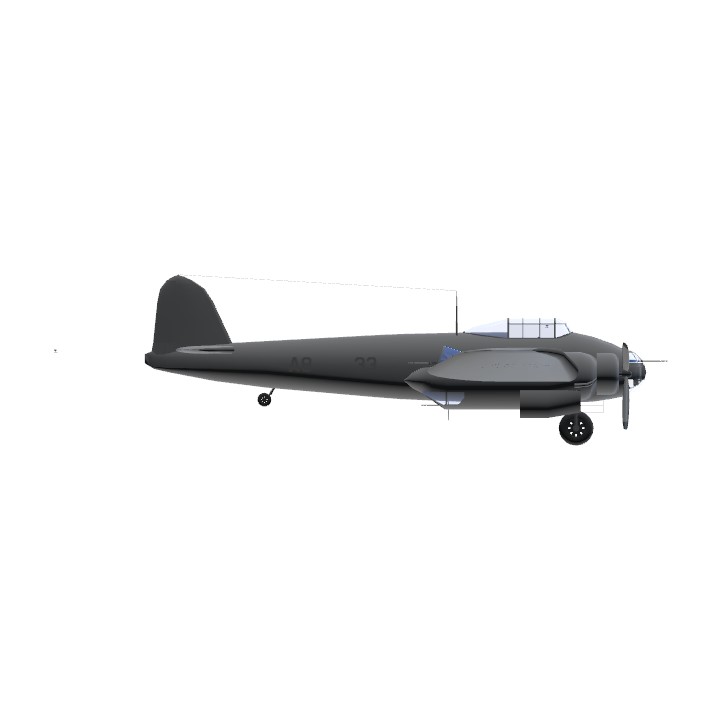
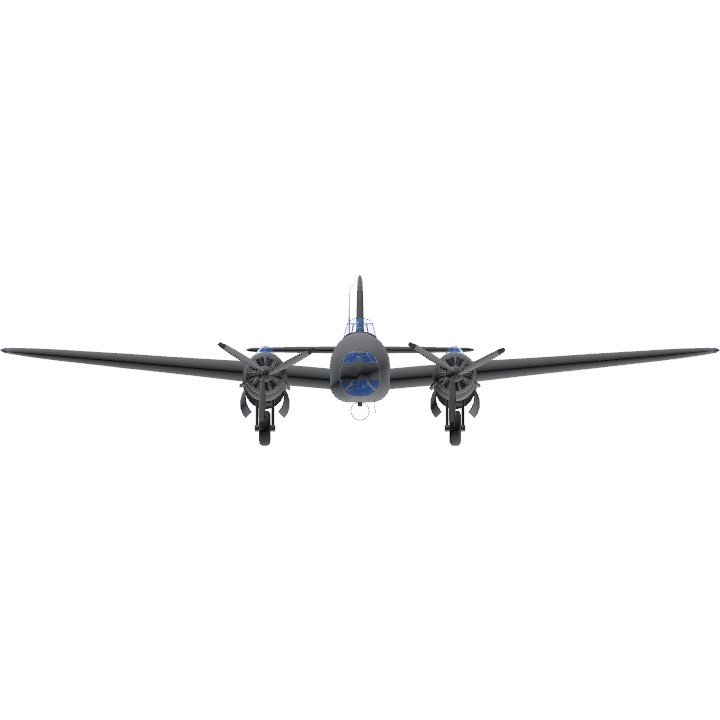
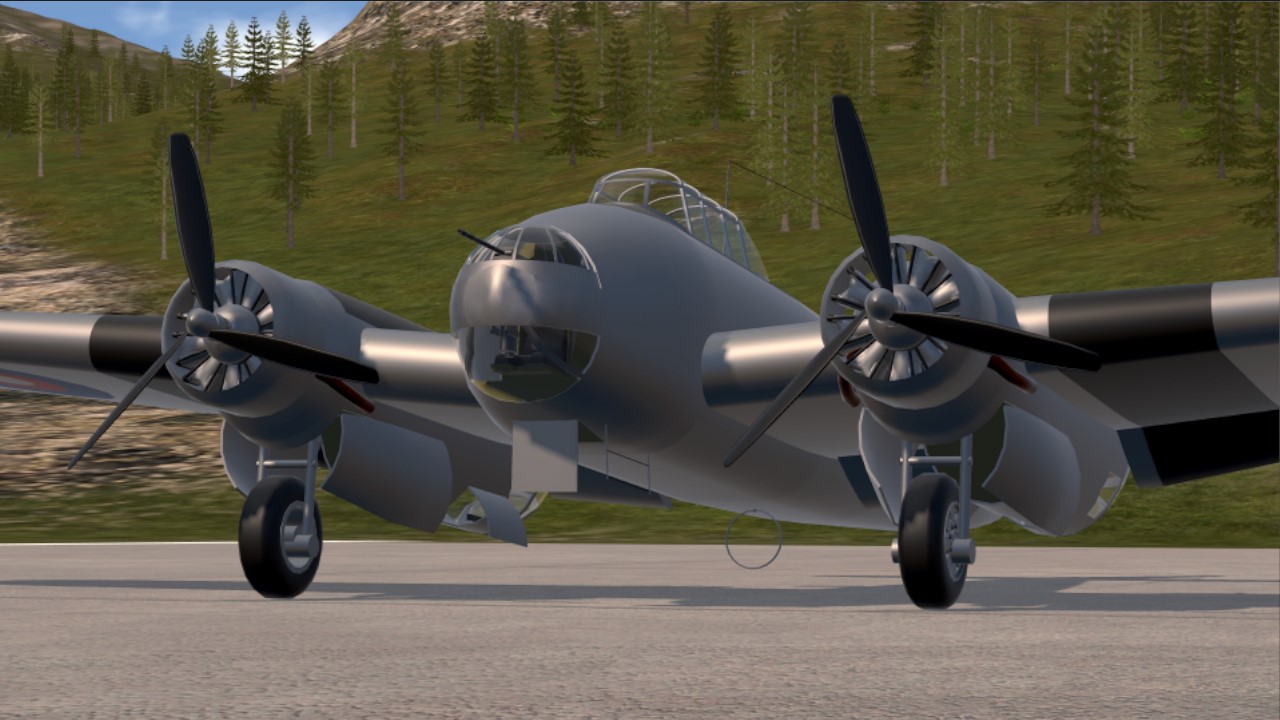
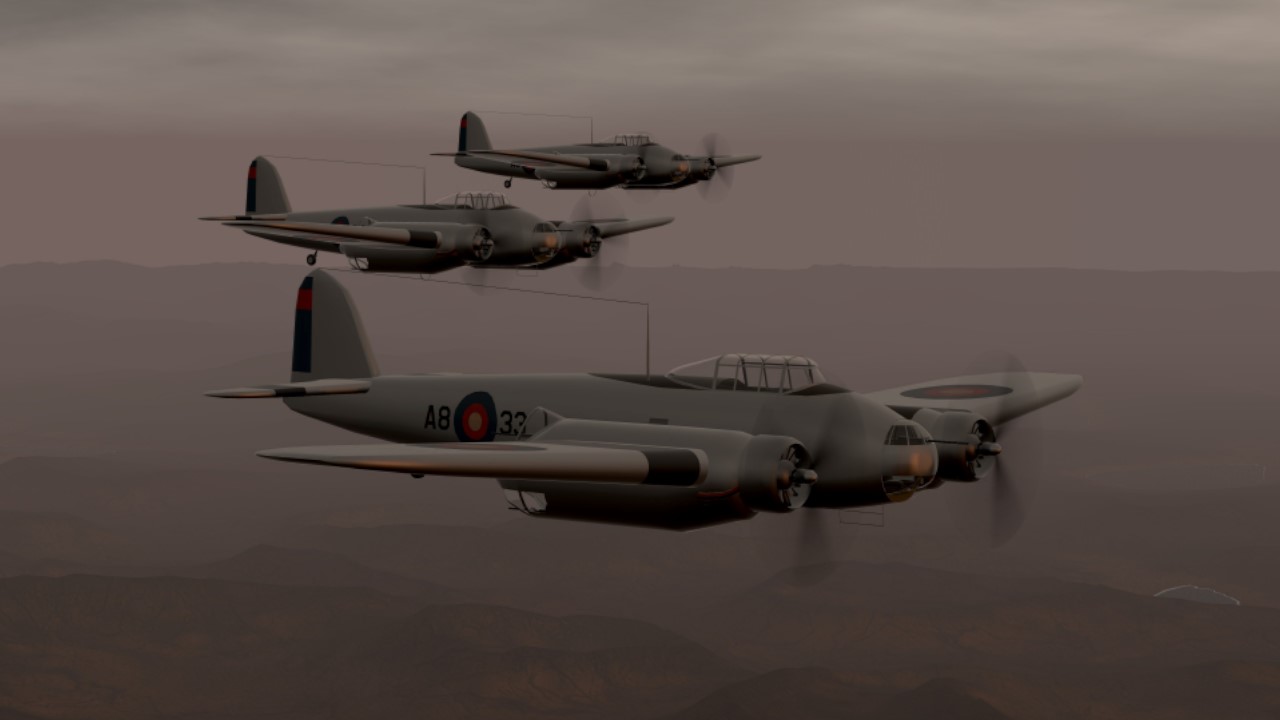
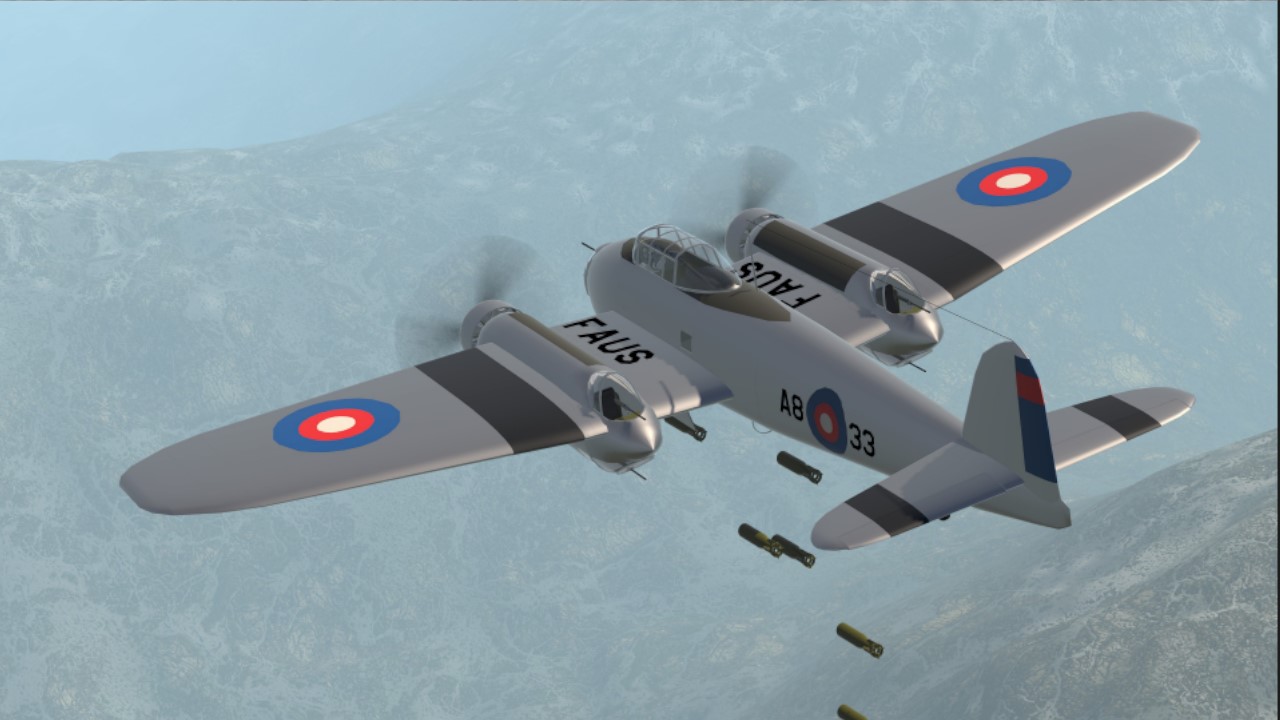
The B-6 Pacificador (Peacemaker) was a medium bomber designed and manufactured in mid 1935 by the Union Sudamericana (South American Union). It's original purpose was to end a civil war, for later being introduced in the second world war with modern variants.
Some fictional history:
- Civil War:
In 1934, South America faced a serious internal crisis. Rebel groups with ideologies opposed to the government began a civil war, capturing military weaponry and reusing it against the government. Land vehicles and aircraft were stolen and used to attack government installations.
During that time, South America had light bombers such as B-4 Devastador and B-5 Justiciero to attack terrorist positions. But were not enough to repel the rebels, and the captured fighters were causing many bomber losses. In response at this crisis, the B-6 Pacificador was designed and manufactured, it was larger than all the bombers South America had at that time, it also had better defensive armament, better bomb load and was more resilient to damage, becoming the nation's most important bomber.
Because the B-6 Pacificador became the key to ending the civil war, the nation tried and successfully prevented the rebels from capturing it and using it against them; each B-6 was always escorted by one or two fighters to and from secure airfields.
The civil war came to an end in 1939, just as World War II began.
- World War II:
When South America joined World War II on the side of the Allies in 1943, the B-6 was used for tactical bombing missions against the Axis powers. The variants that participated in the war were the F, G, H, and I.
While it did not see the same level of participation as in the civil war, its versatility made it a successful bomber in the war.
Variants:
- B-6B (1936 - Better engines that makes it faster.)
- B-6C (1938 - Some with the same engines and others with better ones, also has better defensive armament.)
- B-6D (1940 - Better bomb load and better turrets.)
- B-6E (1942 - Completely redesigned cockpit, similar to the He 111)
- B-6F (1942 - Better engines, exceeding 450 km/h)
- B-6G (1943 - Better engines and modified wing turrets for better protection for the gunners.)
- B-6H-5 (1943 - A remote control turret was added in the nose after being supplied with the B-17G)
- B-6H-10 (1944 - The defensive armament was modified to improve aerodynamics, It can also be an interceptor.)
- B-6I (1945 - Had a radar and experimental guided bombs)
The bomber it's armed with:
- 10 x 100 kg bombs
The bomber it's defended by:
- 2 × Turret — 2 × 7,97 mm light machine guns
- Nose turret — 12,9 mm machine gun
Controls:
- Ac1: Open/Close doors
- Ac2: See under the nose (Pilot vision)
- Ac3: Bomb bay doors
- Ac4: Drop all bombs
- Ac5: None
- Ac6: None
- Ac7: None
- Ac8: Gyroscope
- Gunners: Like War Thunder
↓
A gyroscope will help the bomber maintain almost level flight
(Nose gunner is separated from the rear gunners.)
Flight performance:
Max speed in level flight at 1000 m / 3280 ft:
- 356 km/h (221 mph)
Turn time at 300 km/h:
- Vertical: 17 s
- Horizontal: 14 s
Climb rate:
- 11.9 m/s
Speed to take off:
- Without bombs: 157 km/h (97 mph)
- With bombs: 168 km/h (103 mph)
First flight in game: January 9, 2026

Specifications
General Characteristics
- Created On Windows
- Wingspan 63.4ft (19.3m)
- Length 54.1ft (16.5m)
- Height 15.0ft (4.6m)
- Empty Weight 10,969lbs (4,975kg)
- Loaded Weight 17,057lbs (7,737kg)
Performance
- Horse Power/Weight Ratio 0.041
- Wing Loading 28.0lbs/ft2 (136.9kg/m2)
- Wing Area 608.5ft2 (56.5m2)
- Drag Points 1849
Parts
- Number of Parts 845
- Control Surfaces 8
- Performance Cost 3,327