

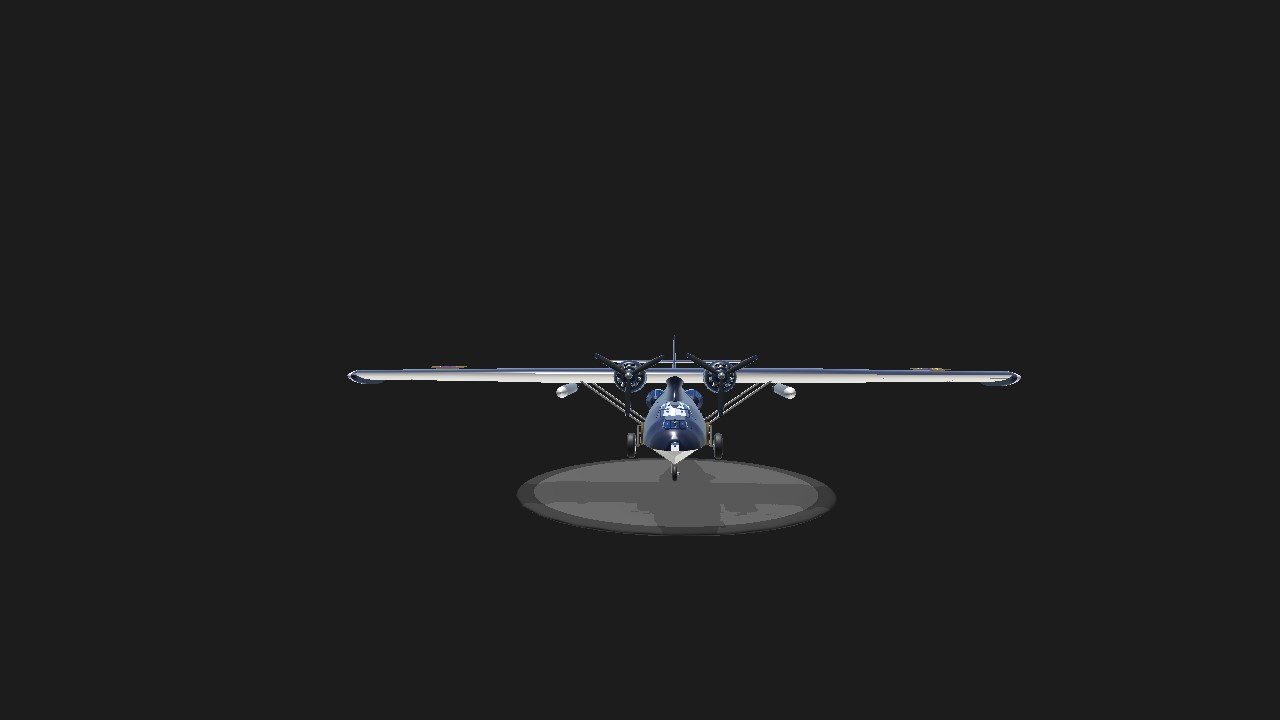
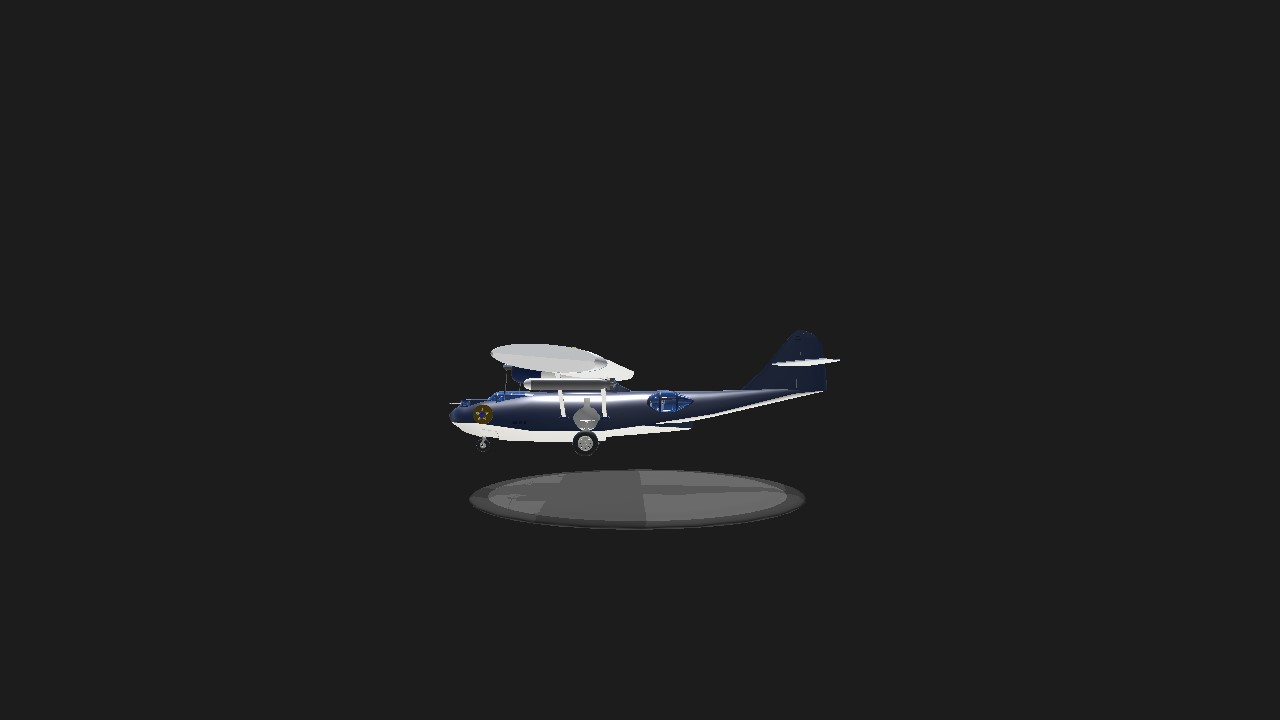
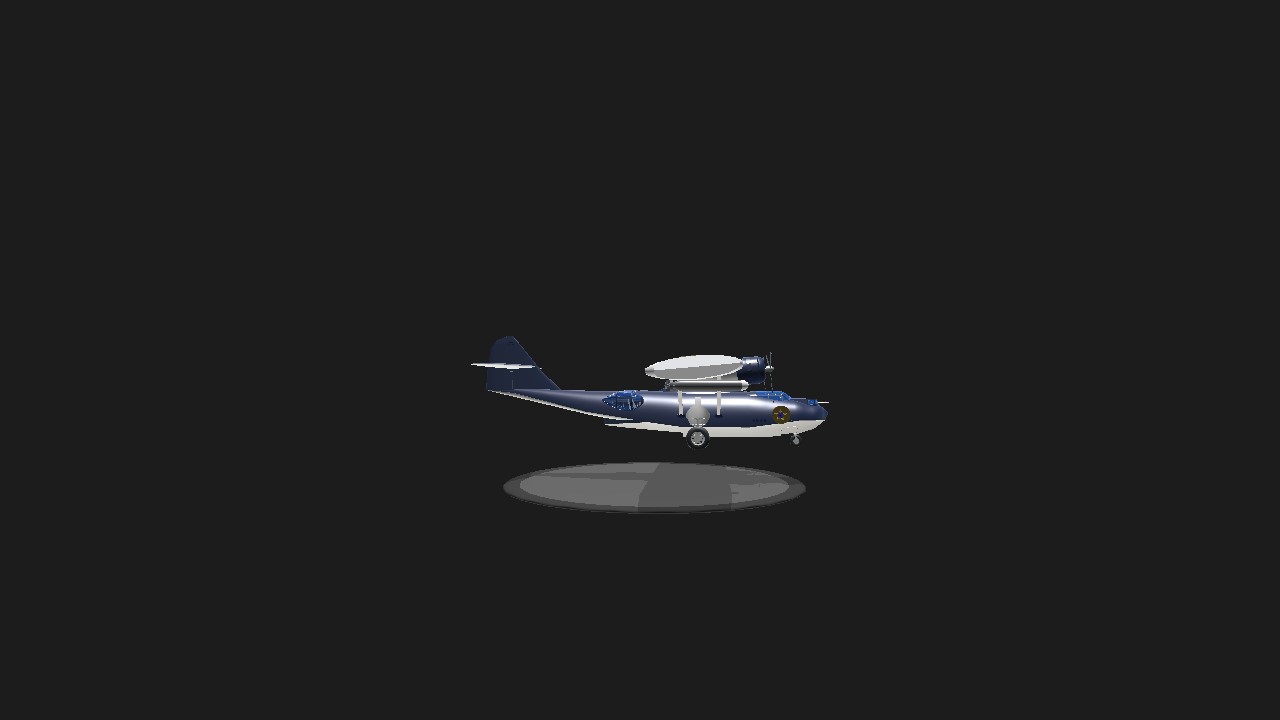
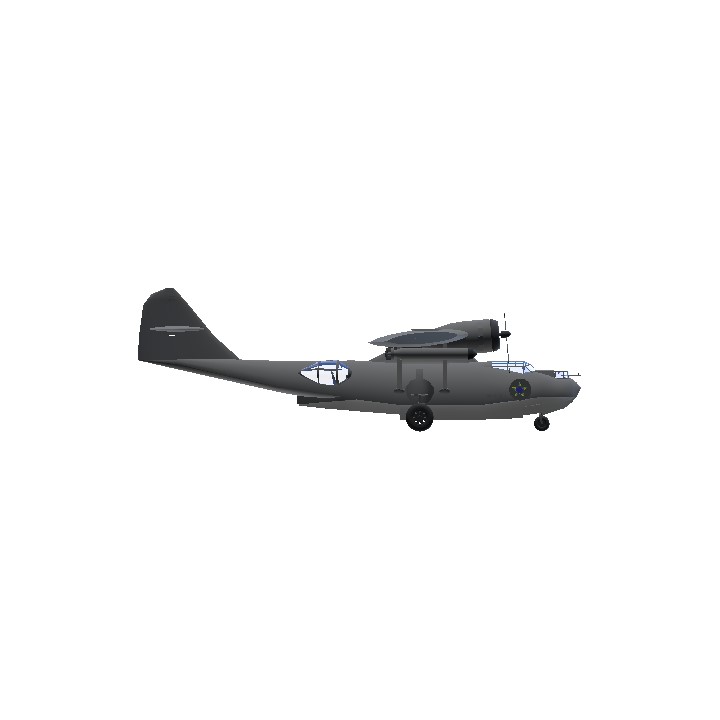
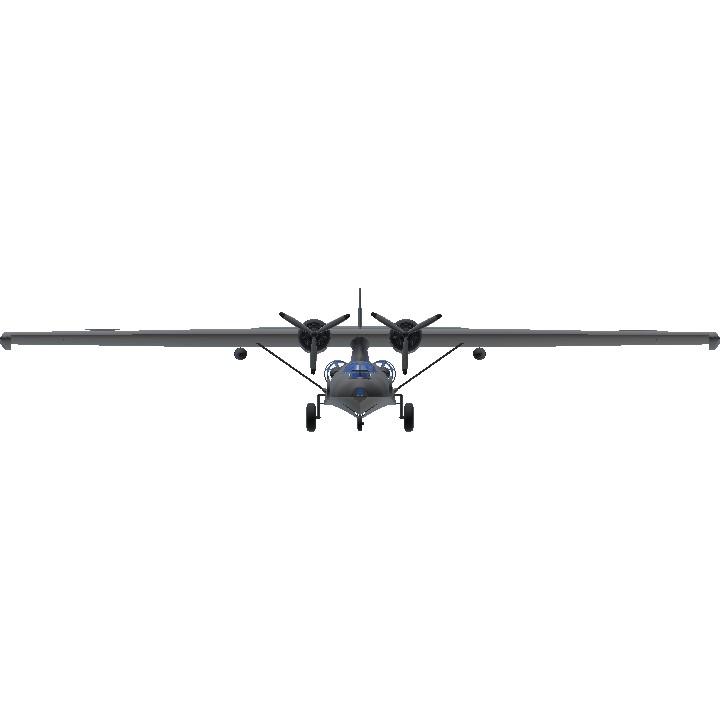
The Brazilian Air Force operated the Catalina in coastal patrol missions during World War II. Seven aircraft were delivered in 1943 and another 15 in 1944. These aircraft were distributed along the Brazilian coast conducting searches against submarines of the Axis powers. A Catalina, piloted by Alberto Martins Torres, sank the submarine U-199. After the war, they began to perform search and rescue functions. A PBY Catalina used by the Australian army. A Dutch Catalina. From 1958 onwards, the Catalinas were used as cargo planes, providing invaluable service in the Amazon. This region lacked airport infrastructure, and only an amphibious aircraft could operate in most locations in the Amazon region, using the rivers themselves as runways. More than forty cities in the Amazon region were served by regular Catalina seaplane routes, operated by Panair do Brasil, which lost its concessions and was shut down in 1965 by the military government, causing the relative isolation of several Amazonian localities as no other Brazilian company operated such aircraft in the 1960s (SASAKI, 2005, pp. 52-53). Serviços Aéreos Cruzeiro do Sul also used these aircraft for cargo and passenger transport in the Amazon during the 1960s. [Image caption: Ceremony for the transfer of 15 Catalina bomber aircraft from the United States to the Brazilian Air Force, in December 1944.] credits @AntonWings
Specifications
General Characteristics
- Predecessor Consolidated PBY-5A Catalina
- Created On Android
- Wingspan 106.7ft (32.5m)
- Length 65.9ft (20.1m)
- Height 21.2ft (6.5m)
- Empty Weight 16,216lbs (7,355kg)
- Loaded Weight 22,759lbs (10,323kg)
Performance
- Horse Power/Weight Ratio 0.105
- Wing Loading 13.3lbs/ft2 (64.8kg/m2)
- Wing Area 1,714.4ft2 (159.3m2)
- Drag Points 15007
Parts
- Number of Parts 349
- Control Surfaces 5
- Performance Cost 1,670
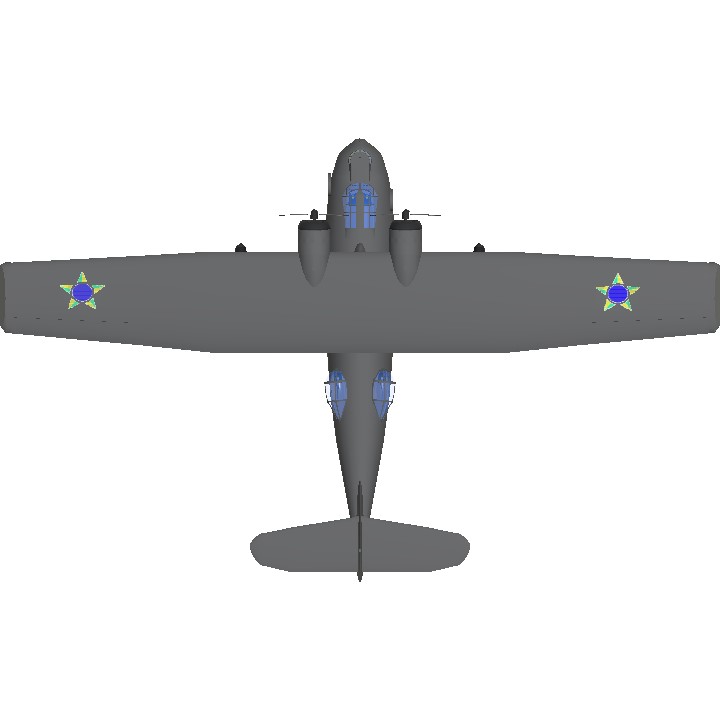
Credits and thanks for @AntonWings