

Storage and Rediscovery
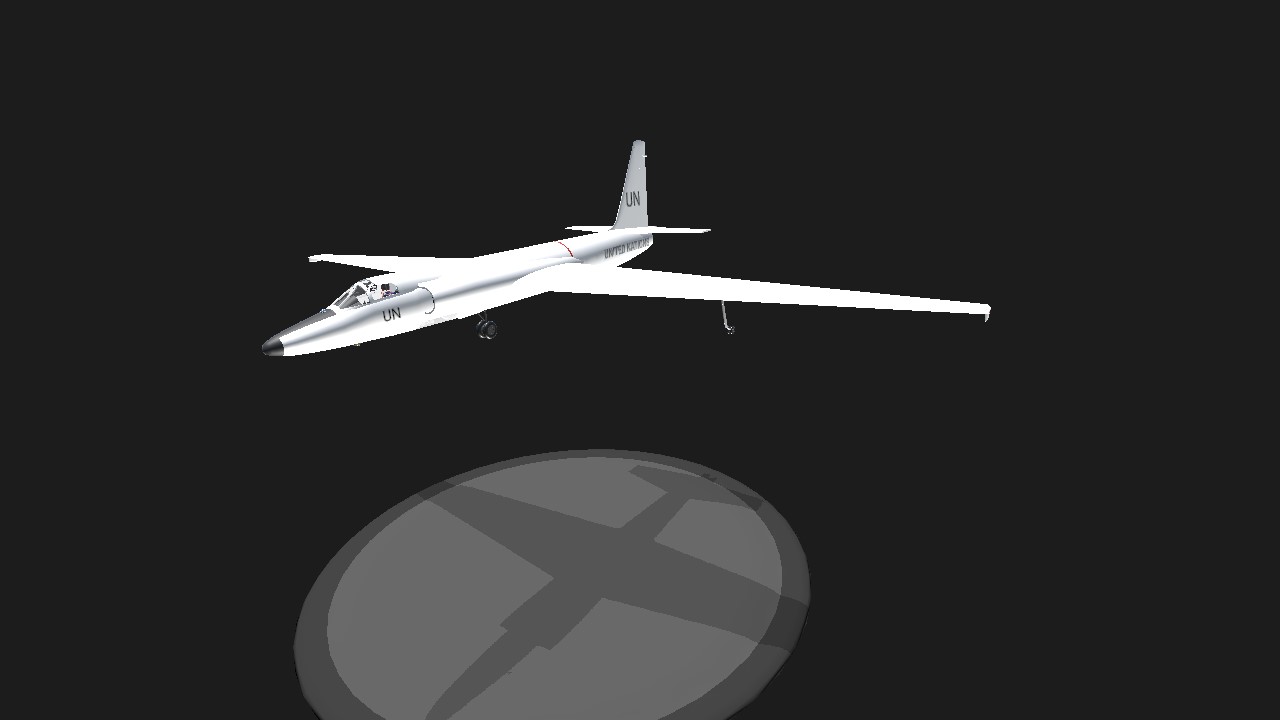
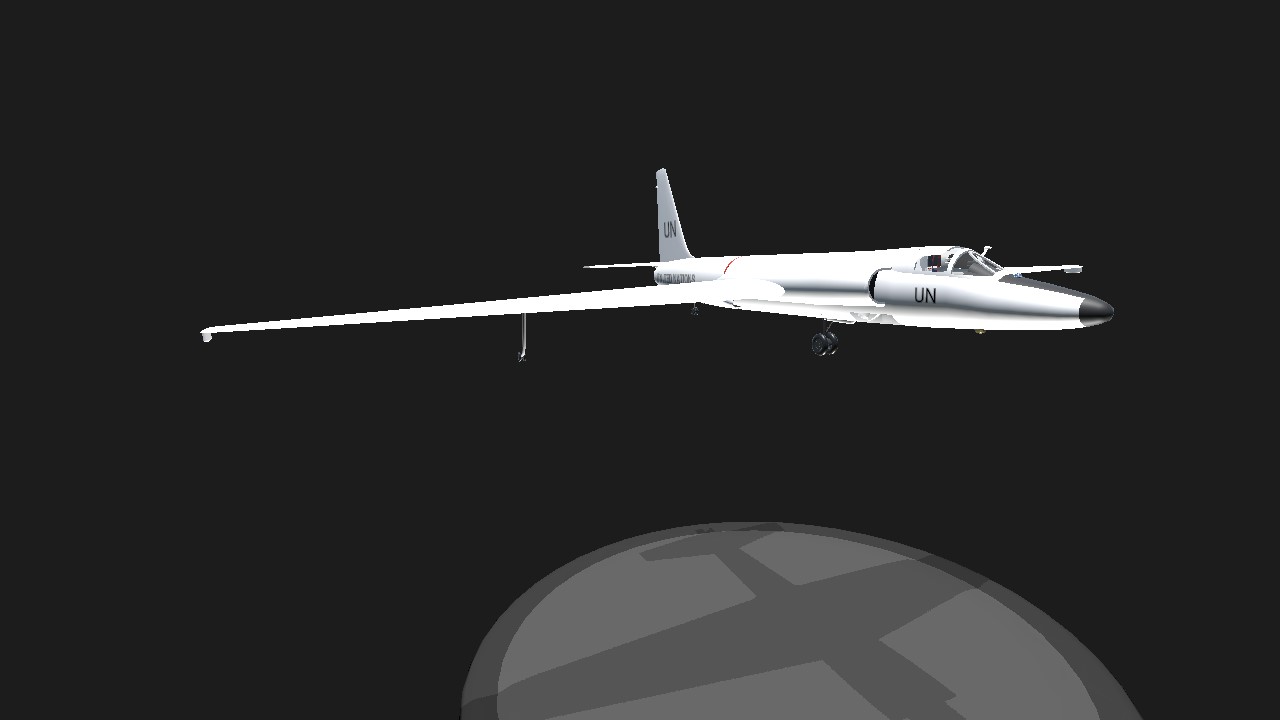
Following the disbanding of the Black Cat Squadron, this specific airframe was abandoned and relocated to the 309th Aerospace Maintenance and Regeneration Group (AMARG)—the world's largest aircraft "boneyard" in Tucson, Arizona.
• 1974 Abandonment: The aircraft was officially struck from active service in 1974. Upon arrival at the 309th AMARG, it was processed for long-term storage, which involved draining fuel lines and sealing the airframe with "spraylat"—a white, high-tech vinyl compound designed to protect against the desert sun.
• Selection for Peacekeeping: In 2020, searching for a neutral high-altitude platform, the United Nations purchased the airframe directly from the U.S. government’s surplus inventory.
The 5-Year Restoration
The restoration of the U-2A took exactly five years, involving a complete overhaul of its 1950s-era mechanical systems.
• Modernization: While the airframe remains a classic U-2A, the internal systems were upgraded to modern digital standards to ensure reliability for UN "Open Skies" missions.
• Handover: The completed aircraft was officially presented to the United Nations on December 25, 2025, becoming the flagship of the UN's independent aerial verification fleet.
Defense Systems: Normal and "New" Flares
To protect the unarmed peacekeeper in high-risk zones, the aircraft is equipped with an advanced countermeasure dispenser system.
• Standard Decoy Flares: These are traditional Magnesium/Teflon/Viton (MTV) flares. When deployed, they burn at intense temperatures to create a heat signature significantly hotter than the U-2’s engine exhaust, drawing away heat-seeking missiles. These flares are designed for a short, high-intensity burn that typically lasts for only a few seconds.
• New Spectral Defense Flares: Unlike normal flares, these "new" spectral decoys use advanced chemical compositions designed to mimic the specific infrared signature of the aircraft's engine rather than just being a bright heat source. This prevents modern "smart" missiles from using dual-band sensors to tell the difference between a simple flare and the plane.
• Operational Use: The dispenser is often integrated with a Radar Warning Receiver, allowing the U-2 to automatically release a pattern of these short-duration flares if it detects an incoming threat.
Thanks to Chatgpt for help
Specifications
General Characteristics
- Predecessor Lockheed U-2A 'Dragon Lady'
- Created On Android
- Wingspan 80.7ft (24.6m)
- Length 49.5ft (15.1m)
- Height 17.6ft (5.4m)
- Empty Weight 13,267lbs (6,018kg)
- Loaded Weight 13,267lbs (6,018kg)
Performance
- Power/Weight Ratio 0.843
- Wing Loading 14.2lbs/ft2 (69.3kg/m2)
- Wing Area 935.1ft2 (86.9m2)
- Drag Points 2350
Parts
- Number of Parts 305
- Control Surfaces 4
- Performance Cost 1,429

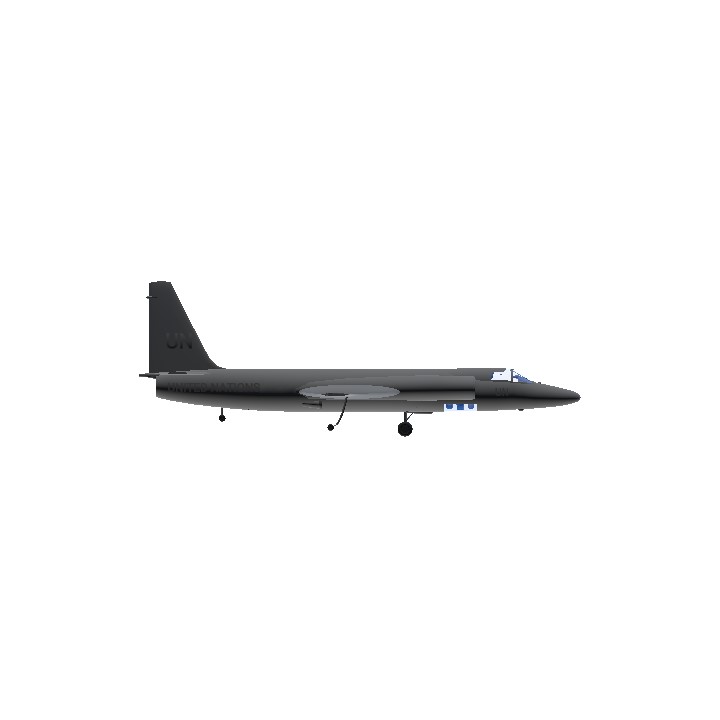
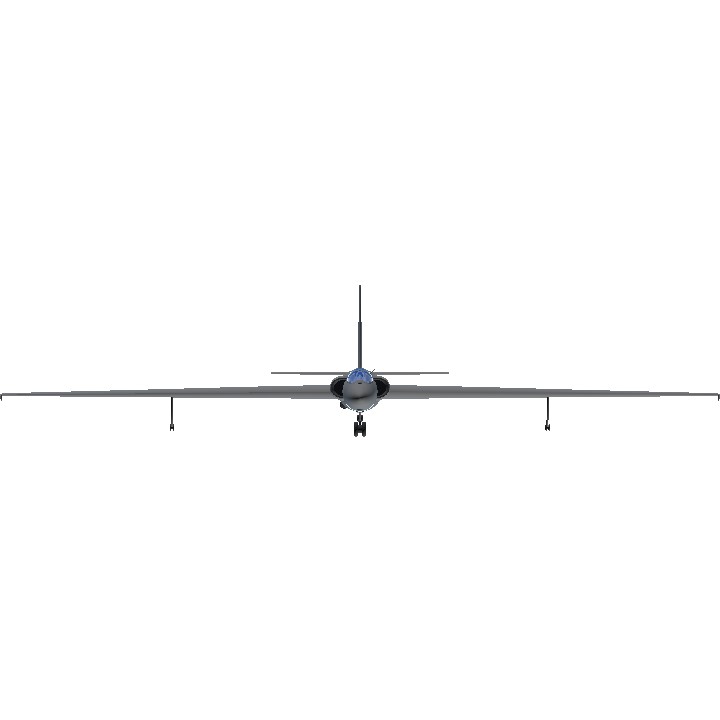
Thanks to @AndiTontrando for the U-2
Impressive!
Merry christmas my friend!